Manitoba Hunting Lodges and Camps
Finding the right place to lay your head after a long day in the Manitoba bush, or even setting up a comfortable base camp, can be one of the biggest challenges when planning your hunting adventure. It's not just about a bed; it's about proximity to your hunting grounds, the services you need, and the overall experience you're hoping for. This comprehensive guide will walk you through the diverse range of hunting lodges and camps available in Manitoba, helping you decide what kind of accommodation best suits your next hunt.
Understanding the Landscape of Manitoba Hunting Accommodation
Manitoba offers a vast array of hunting experiences, from the open prairie of the south to the dense boreal forest and even the far northern tundra. Naturally, the type of accommodation available reflects this diversity, ranging from luxurious, all-inclusive lodges to rustic, self-sufficient camps. Knowing what's out there is the first step in making an informed decision that will make or break your trip.
The Range of Lodging Options for Hunters
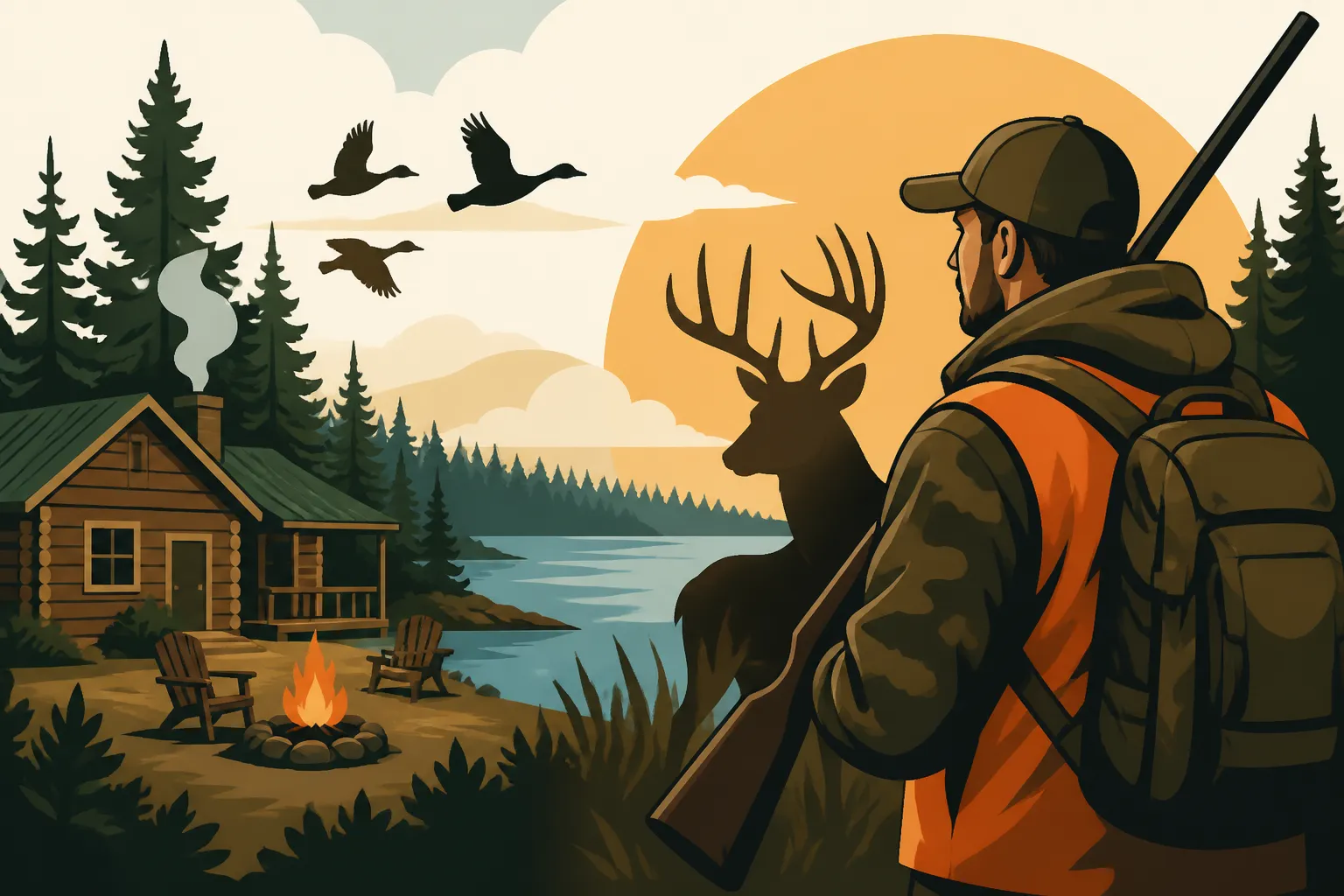
When you start looking into hunting in Manitoba, you'll quickly discover that "a place to stay" can mean many things. On one end of the spectrum, you have the full-service hunting lodges. These are typically permanent structures, often quite comfortable, offering multiple rooms, shared dining areas, and sometimes even amenities like hot tubs or game rooms. They cater to hunters who prefer comfort and convenience, desiring a hassle-free experience where all the details, from meals to guiding, are handled. Imagine coming back from a chilly morning sit in a treestand to a roaring fire, a hot meal, and a warm bed waiting for you. This is the lodge experience.
Then there are the more traditional hunting camps, which might be a collection of rustic cabins, wall tents, or even portable spike camps set up by an outfitter. These lean more towards the practical side, focusing on providing essential shelter and a base of operations rather than luxury. They're often closer to the actual hunting action, sometimes even requiring a bit of a journey to reach. For a solo hunter or a small group of buddies who prioritize the hunt above all else and don't mind a bit of a "roughing it" feel, a camp can be perfect. If you're envisioning a hunt deep in the bush, away from paved roads, this type of camp is usually the ticket.
Finally, for the truly independent spirit, there's the option of going completely DIY. This might involve staying in a local hotel or motel in a nearby town, renting a cabin or Airbnb, or even pitching your own tent on designated Crown land. This route gives you maximum flexibility and control over your budget and schedule but also means you're responsible for every single detail, from food and gear to scouting and game recovery. Many seasoned Manitoba hunters, especially those familiar with specific Game Hunting Areas (GHAs), opt for this, sometimes even setting up their own wall tent camps for extended stays.
Key Factors Influencing Your Choice
Deciding on the right accommodation really boils down to a few critical factors that are unique to your hunting style and preferences. The first is location. Are you hunting deep in the boreal forest for moose, or are you chasing waterfowl in the agricultural fields of the Interlake? A remote Moose Hunting Manitoba's Boreal Country expedition will likely necessitate a fly-in camp or a very basic outfitter-run base. Conversely, a Whitetail Hunting in Manitoba trip in the Parkland region might allow for a comfortable lodge stay or even a local hotel in a small town. The species you're pursuing and the habitat it calls home will largely dictate how close to the action you can actually sleep.
Amenities and comfort level are another huge consideration. Some hunters view lodging as merely a place to sleep and store gear, while others see it as an integral part of the overall experience, a place to relax and unwind after strenuous days afield. Are hot showers, comfortable beds, and cooked meals non-negotiable? Or are you content with a cot in a shared tent and cooking your own food over a campfire? Your budget will, of course, play a significant role here, as higher levels of comfort and service typically come with a higher price tag. Think about the duration of your stay too; a weekend hunt might be fine in a simple setup, but a week-long trip can feel much better with a few more creature comforts.
Lastly, consider your group size and dynamic. A large family group with varying needs might be better suited to a lodge that can cater to different preferences, perhaps offering non-hunting activities for companions. A smaller group of dedicated hunters might thrive in a more focused, camp-style environment where everyone shares in the work and the camaraderie. If you're traveling solo, you might seek out a lodge where you can connect with other hunters, or conversely, a private cabin where you can enjoy solitude.
Full-Service Hunting Lodges: The All-Inclusive Experience
For many hunters, the appeal of a full-service lodge is undeniable. It's about stepping away from the daily grind and immersing yourself completely in the hunting experience, knowing that all the logistics and comforts are being expertly handled. These lodges often specialize in specific types of hunts, ensuring their services are perfectly tailored to the game you're after.
What Defines a Full-Service Lodge
A full-service hunting lodge in Manitoba is typically characterized by its comprehensive offerings. This usually means comfortable, private or semi-private rooms, often with en-suite bathrooms, ensuring a good night's sleep after a long day. The dining experience is a highlight, with professional chefs or experienced cooks preparing hearty, home-style meals that are often tailored to hunters' schedules, like early breakfasts before dawn and late dinners after dark. You won't have to worry about packing groceries or cooking your own meals – it's all part of the package.
Beyond food and lodging, these lodges almost always include professional guiding services. Experienced local guides, intimately familiar with the hunting grounds, will lead you to prime locations, help with tracking, and assist with game recovery. Many lodges also offer in-house game processing, ranging from field dressing and caping for taxidermy to preparing the meat for transport. Some even have facilities for Manitoba Meat Processing and Cold Storage, ensuring your hard-earned harvest is cared for properly. The idea is to remove all the distractions and allow you to focus purely on the hunt itself, from the moment you arrive until you depart. Often, airport pick-up and drop-off are included, making travel even more seamless.
Consider the scenario of a busy professional who has limited vacation time and wants to maximize their hunting experience without the stress of planning every detail. Booking a full-service lodge allows them to arrive, unpack, and immediately dive into the hunt, confident that everything else is taken care of. They might be after a trophy whitetail during Rifle Hunting Manitoba's Whitetail Rut and appreciate a warm blind and a hot lunch delivered to them in the field. This level of service is precisely what these lodges aim to provide.
Advantages and Disadvantages of Lodge Stays
The advantages of choosing a full-service lodge are numerous, especially for hunters new to Manitoba or those seeking a high-comfort experience. The most obvious is convenience. Everything is organized, from your hunt plan to your meals and lodging. You simply show up, and the adventure begins. This eliminates the stress of scouting, navigating unfamiliar terrain, or dealing with unexpected issues. Another significant advantage is expert guidance. Lodge guides have intimate knowledge of the local game movements, habitat, and regulations. They can put you in the best possible position for success, which is particularly valuable for species like moose or Elk Hunting in Manitoba that require specialized knowledge. The comfort level is also a major draw; a warm bed, hot shower, and delicious meals can make a huge difference to your morale and energy levels over a multi-day hunt, especially when dealing with Hunting Safely in Deep Winter Cold. Finally, the social aspect is a bonus for many, allowing you to share stories and experiences with other like-minded hunters from around the world.
However, there are also disadvantages. The most prominent is cost. Full-service lodge packages are typically the most expensive option, as you are paying for an all-inclusive experience that covers a wide range of services and amenities. For some hunters, this might be prohibitive. Another consideration is the lack of independence. While convenient, the structured nature of a lodge hunt means you have less control over daily schedules and specific hunting tactics. You're following the outfitter's plan, which might not always align perfectly with your personal preferences or hunting style. For hunters who enjoy the challenge of a fully self-reliant hunt, a lodge might feel too restrictive. For example, comparing the cost of a DIY whitetail hunt, where you manage your own Manitoba Hunting Licences and What They Cost and camp on Crown land, versus a week at a full-service lodge for the same species, the difference can be substantial. It's a trade-off between cost and convenience, and every hunter weighs that balance differently.
Outfitters Offering Camp-Style Accommodation
Stepping back from the luxury of a full-service lodge, you'll find a robust selection of outfitters who provide camp-style accommodation. This option bridges the gap between the fully guided, plush lodge experience and the completely independent DIY adventure, offering a more rustic feel while still providing valuable outfitter support.
The "Roughing It" with Support Approach
Camp-style accommodation often caters to hunters who crave a more immersive, wilderness experience but still appreciate the logistical support an outfitter provides. These setups can vary widely. Some might consist of sturdy, heated wall tents or prospector tents, offering a communal sleeping area or individual cots, often with a wood stove for warmth. Others feature small, rustic cabins that are more basic than lodge rooms but still provide solid shelter. These camps are usually situated closer to the hunting action, sometimes deep within provincial forests or near remote lakes, making access to prime hunting spots quicker and more efficient.
What truly defines this "roughing it with support" approach is the balance. You're not cooking every meal yourself, but you might be eating communal meals in a central cook tent or cabin. You have a guide, but you might be participating more actively in aspects like tracking, calling, or even game recovery. For instance, a group hunting Black Bear Hunting in Manitoba might stay in a basic camp with several cabins, with a central area for meals and storytelling. The outfitter provides the bait sites, guides to lead you in, and cooks the meals, but the accommodation itself is simpler, reflecting a focus on the hunt rather than luxury. It's an ideal choice for hunters who enjoy the camaraderie of a camp and don't mind foregoing some creature comforts for a more authentic backcountry feel.
Common Features and Expectations at Hunting Camps
When booking a camp-style hunt, you can generally expect a focus on functionality and utility. Communal meals are very common, often served family-style, fostering a strong sense of camaraderie among hunters. These meals are usually hearty and filling, designed to fuel you for long days in the field. Shared sleeping quarters are also frequent, whether it's multiple cots in a large wall tent or bunk beds in a cabin. This means less privacy than a lodge but often contributes to the overall camp experience and bonding.
Basic facilities are the norm. Expect outhouses rather than flush toilets, and showers might be rustic, perhaps a bag shower or a heated portable unit, rather than full bathrooms. Electricity might be limited to a generator running for a few hours in the evening, so charging devices and reliance on personal electronics should be planned accordingly. Hunters are generally expected to be more self-sufficient, bringing their own personal gear, including sleeping bags, towels, and toiletries. If you're going on a spring Baiting Black Bear in Manitoba hunt, you'll need to prepare for variable weather and potentially Bug Season on a Spring Manitoba Hunt, packing appropriate clothing and repellents.
Preparing for a camp hunt involves a slightly different mindset than a lodge trip. For example, you might need to bring a quality sleeping bag rated for colder temperatures, even if hunting in the fall, as cabins or tents can get chilly overnight. You'll likely be responsible for keeping your personal area tidy, and contributing to camp chores like fetching water or chopping firewood might be part of the experience, depending on the outfitter. It's about being prepared for a more rugged adventure while still benefiting from the expertise and logistics provided by the outfitter.
| Feature | Full-Service Lodge | Camp-Style Accommodation | DIY (Town/Campground) |
|---|---|---|---|
| Comfort Level | High (private rooms, amenities) | Moderate (rustic cabins/tents) | Variable (hotel to tent) |
| Meals Included | Typically all meals | Often all communal meals | Self-catered |
| Guiding | Always included | Often included | Self-guided |
| Game Processing | Often in-house/assisted | Often assisted/basic | Hunter's responsibility |
| Cost | Highest | Medium | Lowest (excluding gear purchase) |
| Independence | Lowest (structured schedule) | Moderate | Highest |
| Proximity to Hunt | Varies, can be driven to | Often very close to action | Varies, often requires travel |
| Social Aspect | Good, shared lounge areas | Excellent, communal spaces | Limited (unless with own group) |
DIY Accommodation: Hotels, Motels, and Self-Catering
For hunters who relish independence, managing their own logistics, or simply operating on a tighter budget, the do-it-yourself (DIY) approach to accommodation is a popular choice in Manitoba. This path offers immense flexibility, but it also comes with a significant increase in personal responsibility.
Hunting from Town: Pros and Cons
Choosing to hunt from a local town or city in Manitoba means staying in a hotel, motel, or perhaps even a rented Airbnb. This strategy has some compelling advantages. Firstly, it can be significantly more budget-friendly than booking an outfitted experience. You only pay for your room, and you have control over your food budget by buying groceries or choosing local restaurants. Secondly, you gain access to local amenities that might be unavailable in remote lodges or camps. This includes gas stations, hardware stores, grocery stores, pharmacies, and even cell service (which can be spotty in Manitoba's more remote areas). If you're hunting in a more populated Manitoba's Parkland Region or Manitoba's Southwest Farmland, a town stay can be very convenient. You might also find it easier to coordinate with local meat processors or taxidermists after a successful hunt.
However, hunting from town also comes with its drawbacks. The most obvious is the commute to your hunting grounds. Depending on where you're staying and where you plan to hunt, you could be driving an hour or more each way, sometimes twice a day. This eats into valuable hunting time and increases fuel costs. You also lack direct guide support and local expertise that an outfitter provides. You're entirely responsible for scouting, navigating, reading sign, and recovering game. This demands a higher level of personal skill and preparation. A real-life scenario might involve a hunter staying in Dauphin while planning to hunt in the surrounding Hunting Manitoba's Duck Mountain Country. While comfortable at night, they face daily long drives to and from their hunting spots, often having to leave before dawn and return well after dark. This trade-off between comfort and proximity is a key consideration for many.
Setting Up a Base Camp for Independent Hunters
For those who want to be even closer to the action and fully embrace the wilderness, setting up a self-catering base camp is the ultimate DIY accommodation. This could involve renting a rustic private cabin, staying at a provincial park campground, or taking advantage of Manitoba's generous Crown land access to pitch your own tent or set up a wall tent camp. This option provides the most immersive experience and allows for maximum flexibility in your hunting schedule.
If you're considering setting up your own camp, whether it's a tent or a small trailer, you need to be prepared for everything. This means bringing all your own food, water, cooking supplies, heating sources, and sanitary provisions. You'll need to understand local regulations regarding Camping on Manitoba Crown Land, including fire restrictions and waste disposal. For a group of friends planning a Waterfowl Hunting Manitoba's Grain Fields trip, they might set up a comfortable wall tent camp on private land (with permission) or a suitable Crown land parcel, allowing them to be within minutes of their scouted fields for early morning shoots and late evening retrievals. This allows them to manage their own specific needs for a large spread of decoys, specialized blinds, and abundant gear.
The benefit here is that you're right on the edge of the wilderness, saving commute time and allowing for spontaneous hunts or changes in plans based on game movement. However, the responsibility is entirely yours. You're your own cook, guide, camp manager, and mechanic. You'll need to know how to properly Field Dressing in Manitoba's Deep Cold and care for your meat without immediate access to commercial facilities. This option is best suited for experienced hunters who are comfortable with self-reliance, navigation, and wilderness living.
Specialty Lodging for Specific Hunts
While many lodges and camps cater to general big game or bird hunting, some specialize in particular species or unique hunting experiences. These specialized accommodations are designed to put you in the heart of the action for specific quarry, often in truly remote or distinct environments.
Remote Fly-In Camps for Northern Adventures
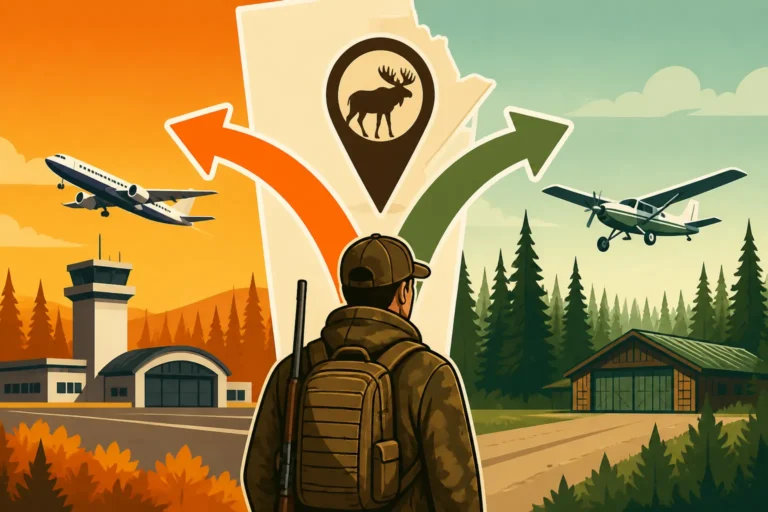
Manitoba's vast northern reaches offer some of the most remote and untouched hunting opportunities, particularly for species like barren-ground caribou, moose, and even wolves. Accessing these areas often requires a significant journey, and that's where remote fly-in camps come into play. These are generally very basic, utilitarian camps, sometimes just a few cabins or robust wall tents, accessible only by float plane from a remote staging town like Thompson or The Pas.
The experience of a fly-in camp is truly unique. You're completely isolated, often the only human presence for miles around, truly immersed in the pristine northern wilderness. These camps typically offer the bare essentials: shelter, a heat source, and perhaps a cook tent. The focus is squarely on the hunt and the rugged adventure. For a hunter dreaming of a true wilderness Barren-Ground Caribou Hunting in Northern Manitoba trip, a fly-in camp is often the only viable option to get to where the herds roam. Similarly, those chasing large bull moose in the remote boreal forest might find themselves in a spike camp several portages and a float plane ride away from the nearest road. Packing Caribou Out to a Float Plane becomes part of the daily routine. These hunts are physically demanding and require significant preparation, but they offer unparalleled experiences for those seeking the ultimate northern challenge.
The high cost associated with these hunts primarily stems from the logistics – the aircraft charter, the difficulty of transporting supplies, and the specialized knowledge required to operate in such remote areas. However, for many, the chance to hunt in truly wild country, far from any roads or towns, is worth every penny.
Waterfowl Lodges and Farmhouse Stays
Manitoba is globally renowned as a waterfowl hunting paradise, sitting smack dab in the middle of the Central Flyway. As such, a distinct category of specialized lodging has emerged to cater to the thousands of duck and goose hunters who flock here each fall. These aren't your typical big game lodges; they're designed with the unique needs of waterfowl hunters in mind.
Many waterfowl lodges are actually converted farmhouses or purpose-built facilities located directly amidst Manitoba's prime agricultural land, especially in the central and western parts of the province. The huge advantage here is proximity to the fields. Imagine waking up, having a quick breakfast, and being in your blind, decoys set, before legal shooting light, sometimes only minutes from your accommodation. This is crucial for hunters targeting species like Canada geese, snow geese, and various duck species that feed in the vast stubble fields of Manitoba. Hunting Snow Geese Over a Big Spread often requires extensive field scouting and an early start.
These lodges often provide not just accommodation but also guide services that include daily field scouting, decoy setup, and blind arrangements. Some might have dog kennels or facilities for cleaning birds. The focus is on functionality and getting hunters to the birds efficiently. A group planning a Field Hunting Geese in Manitoba Stubble trip might stay in a comfortable farmhouse, where the outfitter provides a hearty breakfast, then guides them to a pre-scouted field where thousands of geese are expected. After the morning hunt, they return for lunch, perhaps a nap, and then head out for an afternoon duck hunt or another goose field. This type of setup is perfect for those who want to maximize their time in the field and minimize travel and logistical headaches.
What to Consider When Booking Your Stay
Booking a hunting trip, especially a significant one to a place like Manitoba, involves a lot of moving parts. Your accommodation choice is central to the entire experience, so it's vital to do your homework and ensure you're making the right decision for your needs and expectations.
Researching and Vetting Potential Lodges/Camps
This is perhaps the most critical step after deciding on your preferred style of accommodation. Don't just pick the first option you find; thorough research is key. Start by looking at reputable online platforms that list outfitters and lodges. Websites like BookYourHunt or GoHunt can be excellent resources to discover various operations, read reviews from past clients, and compare services. These platforms often provide a structured way to evaluate different options side-by-side, giving you a good initial overview.
Beyond these platforms, delve deeper. Check the outfitter's own website – is it professional, up-to-date, and clear about what's offered? Search for independent reviews on forums, social media, and other hunting communities. Pay attention to both positive and negative feedback, looking for recurring themes. Most importantly, always ask for references. A reputable outfitter will be happy to provide contact information for several recent clients. When you speak to these references, ask specific questions:
- Did the actual hunt match the description?
- How was the accommodation – clean, comfortable, as advertised?
- Were the guides knowledgeable and professional?
- How was the food?
- What was the overall atmosphere like?
- Were there any unexpected issues, and how were they handled?
Also, confirm that the outfitter is properly licensed to operate in Manitoba. You can often do this by contacting the provincial government's natural resources department. Knowing that an outfitter holds the necessary permits and adheres to local regulations, as outlined in Checking a Manitoba Outfitter Licence, provides a crucial layer of confidence. A real-life scenario might involve finding a fantastic-looking lodge online, but after checking references, you discover that the beds were uncomfortable and the meals were consistently late, which would be a deal-breaker for your group's needs.
Understanding Inclusions, Exclusions, and Hidden Costs
One of the biggest areas of confusion and potential dissatisfaction in booking a guided hunt is not fully understanding what's included in the price and what isn't. Always get a detailed, written breakdown of what your package covers.
Inclusions typically cover lodging, meals, and guiding services for the specified number of days. For some lodges, it might also include airport transfers, initial field dressing, or even a basic level of game processing. However, it's crucial to clarify every detail.
Exclusions are where hidden costs can creep in. Common exclusions usually involve:
- Hunting Licences and Tags: These are almost always the hunter's responsibility and can add a significant amount to your overall budget. Refer to Manitoba Hunting Licences and What They Cost for a general idea.
- Government Taxes: Provincial and federal taxes will apply to your package.
- Gratuities/Tips: Guides, cooks, and camp staff often rely on tips, and it's customary to budget for these. Be clear on what's expected.
- Meat Processing and Taxidermy: While some outfitters offer basic field care, full butchering, freezing, and shipping of your meat, or caping and mounting your trophy, are usually extra costs.
- Travel Costs: Airfare, personal vehicle fuel, and any pre/post-hunt hotel stays are almost always excluded.
- Personal Gear: Your rifle, ammunition, hunting clothing, and personal items are your responsibility.
- Alcoholic Beverages: Unless specifically stated, these are generally extra.
A good example of this is a hunter booking a Manitoba Black Bear Hunt Prices package. They might assume meat processing is included, but upon arrival, find out it's an extra charge of several hundred dollars, plus additional fees if they want to ship the meat home. Understanding What is Never Included in a Package upfront saves you from these unwelcome surprises and allows you to budget accurately for your entire trip. Don't be shy about asking direct questions and getting clear answers in writing before committing to a booking.
Making the Most of Your Lodge or Camp Experience
You've done your research, booked your accommodation, and now the anticipation is building! To ensure your Manitoba hunting trip is everything you've dreamed of, a little pre-trip preparation and an understanding of camp dynamics will go a long way.
Preparing for Your Stay
Physical and mental preparation are paramount, especially when hunting in Manitoba's diverse and sometimes challenging environments. Physical conditioning is always a good idea. Even if you're hunting from a heated blind, you might need to walk through deep snow or uneven terrain for game retrieval. For more active hunts like Calling Moose in Manitoba's Boreal Forest or Walking Up Sharp-Tailed Grouse in Manitoba, you'll appreciate being in shape. Start a walking or hiking regimen in the months leading up to your trip.
Packing appropriately is critical. Manitoba weather can be notoriously unpredictable, especially during shoulder seasons. Layered clothing is always the answer. If you're coming in late fall for Hunting the Rut in Early to Mid November, prepare for potentially extreme cold. Warm, waterproof boots are non-negotiable, as are quality gloves, hats, and an outer shell that can block wind and moisture. Don't forget essentials like a good headlamp, binoculars, and a well-stocked first-aid kit. If your hunt is in the spring, remember to pack for Bug Season on a Spring Manitoba Hunt, bringing insect repellent, head nets, and appropriate clothing to fend off mosquitoes and black flies.
Communicate with your outfitter well in advance. They are your best resource for what to expect and what to bring. Ask about cell service at the camp, power availability, and any specific gear recommendations they have for the time of year and type of hunt you've booked. This proactive communication, as part of your overall Planning a Manitoba Hunting Trip, helps avoid surprises and ensures you arrive fully prepared for the adventure ahead.
Camp Etiquette and Hunter-Guide Relations
Once you arrive at your lodge or camp, understanding and practicing good etiquette will make the experience better for everyone involved. Hunting camps are often close-knit environments, and mutual respect is key. Be considerate of other hunters' schedules, especially regarding noise in the early mornings or late evenings when people are trying to sleep or relax. Keep your personal gear organized and contained, particularly in shared spaces.
Your relationship with your guide is fundamental to a successful and enjoyable hunt. Respect your guide's expertise and decisions. They spend countless hours in the field and have an intimate knowledge of the local terrain, game movements, and weather patterns. Listen to their instructions carefully, and follow them. If you have questions or concerns, address them respectfully. Remember, they are working hard to put you on game and ensure your safety. A good guide will appreciate an eager, patient, and prepared hunter.
Be prompt for meals and scheduled departures. Being late can disrupt the entire camp's schedule and potentially impact hunting opportunities for the whole group. If you're fortunate enough to harvest an animal, offer to help with the recovery and processing, even if it's "included" in your package. Showing initiative and gratitude goes a long way. Finally, be mindful of Etiquette in a Manitoba Hunting Camp, including sharing common areas, maintaining cleanliness, and being a good sport regardless of hunting success. A positive attitude, even when the hunting is tough, is always appreciated and contributes to a great atmosphere for everyone.
Disclaimer
This article is for general informational purposes only and does not constitute professional advice. Laws, prices and regulations vary by location and change over time. Consult a qualified professional for guidance on your specific situation.