Manitoba Hunting Licences and What They Cost
Navigating the world of hunting licences can feel like cracking a secret code, especially when you're trying to figure out what you need, how much it'll set you back, and where to even begin in a place like Manitoba. Many hunters, both seasoned veterans and eager newcomers, find themselves scratching their heads over the nuances of resident vs. non-resident permits, big game tags, and those sometimes-confusing draw applications. This comprehensive guide is here to untangle that knot for you, breaking down everything you need to know about Manitoba hunting licences and their costs, ensuring you're fully prepared for your next adventure in the field.
Understanding the Manitoba Hunting Licence System
Embarking on a hunting trip in Manitoba is an exciting prospect, but it all starts with understanding the province's licensing framework. It's not just about picking up a rifle or a bow; it's about adhering to a system designed to manage wildlife populations, ensure safety, and preserve hunting opportunities for generations to come. Getting your licence sorted isn't just a formality; it's a crucial step in being a responsible and legal hunter.
Who Needs a Licence to Hunt in Manitoba?
Simply put, almost everyone participating in a hunt in Manitoba needs some form of licence. This isn't just for the person pulling the trigger or releasing the arrow; it extends to those actively participating in the act of hunting, which can include calling game, tracking, or otherwise assisting in the pursuit and take of an animal. The only general exceptions are often related to specific Indigenous rights or very young participants in mentored programs, and even then, specific permits or oversight are typically required.
Failing to possess the correct licence is a serious offense in Manitoba. Conservation officers are diligently patrolling, and if you're found hunting without the appropriate documentation, you could face hefty fines, confiscation of your equipment, and even the loss of future hunting privileges. Imagine planning a dream hunt, only for it to be cut short by a preventable administrative error. It’s a frustrating situation that no hunter wants to experience.
Beyond the legalities, requiring a licence ensures that hunters have gone through the necessary education and understand the rules of the field, promoting ethical and safe hunting practices. The revenue generated from licence sales also plays a vital role in wildlife conservation, habitat management, and enforcement, directly contributing to the health of the very populations we pursue. So, while it might seem like a bureaucratic hurdle, it's actually an investment in the future of hunting.
The Different Categories of Hunting Licences
Manitoba's hunting licence system is structured to cover various types of hunting and different species. At its core, most hunters will first need a "Basic Hunter Licence" as their foundational entry point. Think of this as your general hunting permission slip; it allows you to then purchase the specific tags for the animals you intend to pursue. Without this basic licence, you can't proceed to acquire the more specialized ones.
Once you have your Basic Hunter Licence, you'll then look into "Big Game Licences." These are species-specific tags for animals like whitetail deer, moose, elk, black bear, and caribou. Each big game tag usually allows you to harvest one animal of a specific species, often within a designated Game Hunting Area (GHA) and during a particular season. These tags are critical, and they must be physically attached to your harvested animal immediately after the kill.
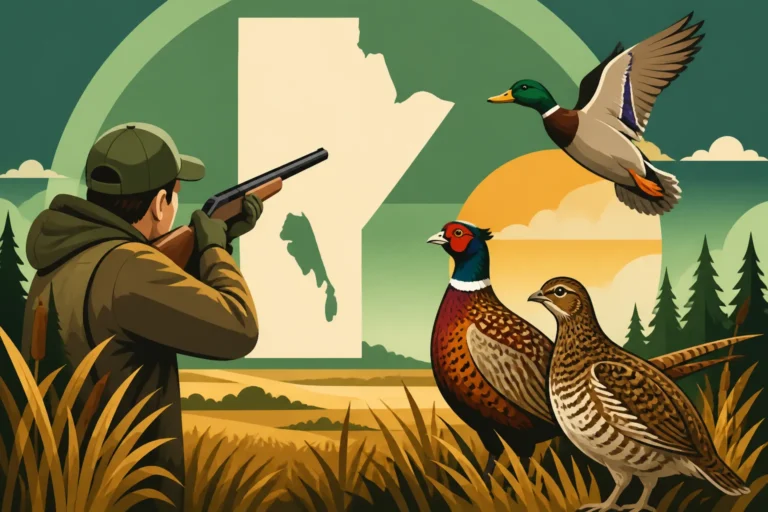
For bird hunters, the system introduces another layer: "Game Bird Licences." These are typically split into provincial and federal requirements. The provincial Game Bird Licence covers resident species like grouse and partridge, while the federal Migratory Game Bird Hunting Permit, along with a Canadian Wildlife Habitat Conservation Stamp, is required for migratory species such as ducks, geese, and sandhill cranes. Understanding these distinct categories is essential to avoid any unwelcome surprises in the field.
Key Definitions: Resident, Canadian Non-Resident, and Foreign Resident
The cost and accessibility of hunting licences in Manitoba vary significantly based on your residency status. First, a "Manitoba Resident" is generally defined as a Canadian citizen or a permanent resident of Canada who has resided in Manitoba for at least six months immediately preceding the date of application for a licence. This status grants you access to the most affordable licence options and, for draw species, typically the best odds.
Next, we have the "Canadian Non-Resident." This category applies to Canadian citizens or permanent residents who don't meet Manitoba's specific residency criteria but live in another Canadian province or territory. While they pay more than Manitoba residents, Canadian non-residents typically enjoy more hunting opportunities and fewer restrictions than foreign residents. For instance, they can often hunt big game without requiring a licensed guide, a significant advantage.
Finally, "Foreign Residents" encompass anyone who is not a Canadian citizen or a permanent resident of Canada. This primarily includes hunters from the United States or other international destinations. For big game, foreign residents face the strictest requirements, which almost always include being accompanied by a licensed Manitoba outfitter. It's crucial for foreign hunters to understand Rules for Non-Residents Hunting Manitoba well in advance, as these rules significantly impact trip planning and overall cost.
Manitoba Resident Hunting Licence Options and Costs
For those of us lucky enough to call Manitoba home, the province offers a range of hunting licence options that are generally more accessible and affordable than those for non-residents. This tiered pricing structure acknowledges our direct contribution to the province's economy and conservation efforts, making it feasible for many to participate in various hunting pursuits throughout the year. Understanding these options is key to planning your local hunts.
The Foundational Basic Hunter Licence
The starting point for almost every resident hunter in Manitoba is the Basic Hunter Licence. This essential permit serves as your general authorization to hunt and is mandatory before you can acquire any species-specific tags for big game or game birds. It’s a relatively low-cost item, typically running around $35 to $40 CAD, and it signifies your entry into the legal hunting framework of the province. Without it, your species tags are invalid.
What's important to understand is what this Basic Hunter Licence doesn't cover. It doesn't grant you permission to harvest any animal on its own. Instead, it acts as a prerequisite, enabling you to purchase additional, more specific tags for deer, moose, bear, or the provincial game bird licence. Think of it as your hunting driver’s license; you still need to buy specific vehicle permits for what you plan to drive.
To obtain your first Basic Hunter Licence, you must have successfully completed the Manitoba Hunter Education Requirements. This course covers critical aspects of firearm safety, wildlife identification, hunting ethics, and provincial regulations, ensuring all new hunters have a foundational understanding of responsible hunting. It’s a one-time requirement that sets you up for a lifetime of legal hunting in Manitoba.
Big Game Licences for Residents Species Specific
Once you have your Basic Hunter Licence, the next step is typically acquiring species-specific big game tags. For residents, these tags vary in price and availability depending on the animal. Whitetail deer tags are usually the most common, allowing you to harvest one deer. In many Game Hunting Areas (GHAs), residents can purchase a general deer tag for approximately $60-$70 CAD. These are typically available over-the-counter and are what most residents pursue. Checking Manitoba Big Game Season Dates will give you the opening and closing periods for various species and GHAs.
Moose and Elk tags, however, operate on a different system for residents. Due to conservation efforts and limited populations in many areas, these highly sought-after tags are primarily allocated through a draw system. This means you apply, and if successful, you then pay for the tag. The costs for these tags are significantly higher than deer tags, reflecting the rarity and trophy potential of these animals. For instance, a resident moose tag can cost several hundred dollars, making it a substantial investment beyond the draw application fee. Many apply for Manitoba's Big Game Draws year after year, hoping to secure one of these coveted permits.
Black Bear and Caribou tags also present distinct scenarios. Black bear tags are generally available over-the-counter for residents for both spring and fall seasons, with costs usually falling in the range of $100-$150 CAD. Caribou, on the other hand, are extremely regulated, often restricted to specific northern GHAs and sometimes available through draws or limited over-the-counter sales, especially for resident opportunities. Their cost reflects their remoteness and the unique nature of the hunt, often placing them in a similar price bracket to moose or elk tags.
Game Bird and Small Game Licences for Residents
For residents who prefer wingshooting or small game pursuits, Manitoba offers diverse opportunities, from chasing ducks and geese in the Delta Marsh to walking up grouse in the aspen parkland. The provincial Game Bird Licence is required for hunting resident upland birds such as Sharp-tailed Grouse, Ruffed Grouse, Spruce Grouse, and Hungarian Partridge. This licence is typically quite affordable, costing around $30-$40 CAD, and covers all these species across the province, allowing you to explore the rich Upland Bird Hunting in Manitoba landscape.
However, if your sights are set on migratory game birds like ducks, geese, or Sandhill Cranes, there's an additional federal requirement. You'll need to purchase a Federal Migratory Game Bird Hunting Permit and a Canadian Wildlife Habitat Conservation Stamp. These are mandatory across Canada and cost around $17 CAD combined. This federal permit is crucial for Waterfowl Hunting Manitoba's Grain Fields and other wetlands, ensuring compliance with both federal and provincial laws. You can usually purchase this online or at a Canada Post outlet.
When it comes to small game like Snowshoe Hare, cottontail rabbit, or predators like coyotes and foxes, they typically fall under the umbrella of your Basic Hunter Licence, and often do not require additional specific tags for residents, though bag limits and season dates still apply. This makes them an accessible option for year-round hunting, especially when the big game seasons are closed. It's always best practice to consult the current Manitoba Hunting Guide for specific rules and regulations.
Non-Resident Hunting Licence Options and Their Costs
For hunters visiting Manitoba from outside the province, the licence system introduces additional complexities and, typically, higher costs. These distinctions are in place to manage nonresident pressure on wildlife populations, ensure safety standards, and sometimes to support the provincial outfitting industry. Understanding your specific non-resident status is the first step in navigating these requirements.
Canadian Non-Resident Privileges and Pricing
If you're a Canadian citizen or permanent resident living outside Manitoba, you fall into the "Canadian Non-Resident" category. This status grants you more flexibility compared to foreign residents, making it possible to hunt many species independently, without the mandatory requirement of a licensed outfitter for big game. While you'll pay more than a Manitoba resident, your costs will generally be lower than those for foreign hunters.
The licensing structure for Canadian non-residents mirrors the resident system to some extent: you'll first need a non-resident Basic Hunter Licence, followed by species-specific tags. The non-resident Basic Hunter Licence typically costs between $150-$170 CAD, a significant jump from the resident fee. Species tags, such as a whitetail deer tag, can then add another $300-$350 CAD to that total, depending on the species and GHA. These are generally available over-the-counter for popular species like deer and bear.
For draw species like moose and elk, Canadian non-residents can apply, though their odds of success might be lower than residents in some highly sought-after GHAs, and certain areas might be exclusively resident-only. However, the absence of a mandatory guide requirement for big game offers considerable savings and greater independence, allowing many to plan their own adventures or hunt with Manitoba friends and family. It's a key reason why many Canadian non-residents choose Manitoba for their hunts. You can find more details about What a Non-Resident Licence Costs for various species.
Foreign Resident Requirements and Mandatory Guides
For foreign residents, primarily hunters from the United States or other international destinations, the rules become significantly stricter. The most critical requirement is that foreign residents wishing to hunt big game (deer, moose, elk, bear, caribou) in Manitoba must do so through a licensed Manitoba outfitter. This isn't an option; it's a legal mandate designed to ensure responsible hunting practices, provide logistical support in unfamiliar terrain, and contribute to the provincial tourism economy. It’s vital to understand Which Species Foreign Hunters Must Book Guided.
This mandatory outfitter requirement fundamentally changes how foreign residents approach hunting in Manitoba. You can't simply arrive, buy a licence, and head into the bush. Instead, your "licence" costs are often part of a much larger package price that includes guiding services, accommodation, meals, and other logistics. While you still pay for the actual species tags separately, the bulk of your expenditure will be on the outfitter package. This can mean a whitetail deer hunt package might start from several thousand dollars, with more remote or specialized hunts (like moose or caribou) costing significantly more. For a general idea of package pricing, information found on GoHunt can be a useful starting point for your research.
Beyond the outfitter requirement, foreign residents will also need to ensure all their personal documentation is in order. This includes a valid passport, any necessary visas, and completing a Non-Resident Firearm Declaration form if you're bringing your own firearms across the border. This declaration acts as a temporary licence for your firearms in Canada. Failing to complete this accurately can lead to severe issues at the border. You can learn more about Bringing Firearms Into Manitoba before your trip.
Associated Costs and Value for Non-Residents
When considering a hunting trip to Manitoba as a non-resident, it's crucial to look beyond just the raw licence and tag fees. For Canadian non-residents, you’ll factor in your basic licence, species tags, and potentially the federal migratory bird permit. For foreign non-residents, the equation is considerably different, heavily weighted by the cost of a guided hunting package. The total investment can range from several hundred to many thousands of dollars, depending on the species, duration, and level of service. For many, understanding What a Manitoba Guided Hunt Costs is the biggest piece of the puzzle.
While these costs are undeniably higher than for residents, they reflect access to world-class hunting opportunities. Manitoba is renowned for its trophy whitetail deer, robust black bear populations, and remote moose and caribou hunts. The higher price point for non-residents often translates into expertly guided experiences, comfortable camps, and access to prime hunting grounds that would otherwise be difficult or impossible to navigate independently. Many hunters consider this a worthwhile investment for a memorable and successful hunt.
Ultimately, the value lies in the experience and the opportunity to pursue game in a diverse and rich environment. For foreign residents, the outfitter handles everything from scouting to meat care, providing a seamless experience. For all non-residents, the tags grant access to a province that consistently produces exceptional animals and incredible hunting stories.
| Licence Type | Basic Hunting Licence (Approx.) | Whitetail Deer Tag (Approx.) | Federal Migratory Bird Permit (Approx.) | Total (Example: Basic + Deer) | Typical Requirement |
|---|---|---|---|---|---|
| Manitoba Resident | $35 – $40 CAD | $60 – $70 CAD | $17 CAD | $95 – $110 CAD | Hunter Education |
| Canadian Non-Resident | $150 – $170 CAD | $300 – $350 CAD | $17 CAD | $450 – $520 CAD | Hunter Education |
| Foreign Non-Resident (USA/Intl) | Usually part of outfitter pkg | $350 – $400 CAD | $17 CAD | Outfitter package + tag | Licensed Outfitter |
Specific Big Game Tag Costs Beyond the Basics
Beyond the foundational basic licences, big game hunters face specific tag costs for each species they wish to pursue. These costs are a direct reflection of the species' management status, population levels, and the demand for hunting opportunities. Understanding these individual tag prices is essential for budgeting your big game adventures in Manitoba.
Whitetail Deer Tags: General and Second Licences
For most resident hunters, the pursuit of whitetail deer is a central part of their hunting calendar. The standard resident whitetail deer tag is generally available over-the-counter and allows for the harvest of one deer within specified regulations for antlered or antlerless animals in a particular GHA. The cost for this tag typically ranges from $60 to $70 CAD for residents, making it a relatively affordable option to get into the bush. For non-residents, a whitetail tag will be considerably more, generally falling in the $300-$400 CAD range. Manitoba is known for its impressive whitetail population, offering excellent opportunities for Whitetail Hunting in Manitoba.
A fantastic opportunity for Manitoba residents is the "Second Deer Licence." In many GHAs, residents can apply for or purchase an additional tag, often for an antlerless deer. This initiative helps manage local deer populations and provides residents with an excellent chance to fill their freezer with more venison. The cost for a second deer licence is usually similar to the primary resident deer tag. This isn't a draw and is often available on a first-come, first-served basis once specific dates or conditions are met, offering a practical extension to the hunting season. Make sure to check Manitoba's Second Deer Licence Rules for availability in your area.
It's worth noting that these opportunities are generally exclusive to residents. Non-residents, whether Canadian or foreign, typically do not have access to second deer licences. The value proposition for residents, with affordable access to a primary and often a second deer tag, makes whitetail hunting in Manitoba particularly attractive, allowing for diverse hunting strategies and increased success rates.
Moose and Elk Tags: Draw Specifics and High Value
Moose and elk tags represent a different tier of big game hunting in Manitoba, especially for residents. Due to intense conservation efforts and the sometimes delicate nature of these populations, especially after challenges like Manitoba's Moose Conservation Closures, these tags are predominantly allocated through a highly competitive draw system. This means hunters must first apply for a chance to win a tag, making these species highly coveted.
To even enter the draw, there's a non-refundable application fee, typically around $8 to $10 CAD. This small fee simply buys you a chance; if you're successful in the draw, you then pay the full tag cost. The actual tag prices for moose and elk are significantly higher than deer tags, reflecting their scarcity and the unique experience of hunting these majestic animals. A resident moose tag can be over $200-$300 CAD, while an elk tag is in a similar range. Understanding What the Draw Application Fee Is is key for anyone aspiring to hunt these animals.
For non-residents, particularly foreign hunters, moose and elk hunts are almost exclusively conducted through licensed outfitters. The cost of the tag itself will be integrated into the overall, often substantial, outfitter package fee. These hunts are considered premium experiences, attracting hunters from around the globe willing to pay for the logistical expertise and access to remote areas that Manitoba offers for these prized species. Checking the Manitoba Elk Draw Odds by GHA can help residents strategize their draw applications for better chances.
Black Bear and Caribou Tags
Black bear hunting is a popular pursuit in Manitoba, offering both spring and fall seasons. For residents and Canadian non-residents, black bear tags are generally available over-the-counter, making them more accessible than draw-based species. A resident black bear tag typically costs around $100-$150 CAD, while non-resident Canadian hunters can expect to pay upwards of $300-$400 CAD. Foreign residents, as always, will find the bear tag price incorporated into their guided package, which can range from a few thousand dollars and up. Black Bear Hunting in Manitoba offers thrilling opportunities for both spot-and-stalk and bait hunting.
Caribou hunting, on the other hand, is a much more specialized and often remote experience in Manitoba, almost exclusively focused on the Barren-Ground Caribou herds in the far north. Licences for these hunts are highly regulated and limited, often requiring participation through specific outfitters, especially for non-residents. The cost of a caribou tag for any hunter category will reflect this exclusivity and the logistical challenges of hunting in such remote terrain. These tags are among the most expensive big game tags, often rivaling or exceeding moose and elk tags, given the unique nature of Barren-Ground Caribou Hunting in Northern Manitoba which typically involves fly-in camps.
For foreign residents, securing a caribou tag is intrinsically linked to booking a high-end guided trip, where the tag fee is part of a comprehensive package that covers flights, accommodation, guiding, and meat/trophy handling. The overall investment for a caribou hunt in Manitoba can be substantial, but for many, it represents a once-in-a-lifetime Arctic adventure.
Migratory Bird and Upland Game Bird Licences
Manitoba is a renowned destination for bird hunting, from the abundant wetlands and grain fields that host millions of migratory birds to the aspen parkland and boreal forests teeming with upland species. However, just like big game, bird hunting requires specific licences, often involving both provincial and federal permits.
The Federal Migratory Game Bird Hunting Permit and Habitat Stamp
If your hunting passion lies with ducks, geese, or Sandhill Cranes, you'll need to secure a Federal Migratory Game Bird Hunting Permit. This isn't a provincial licence; it's a Canadian-wide requirement, irrespective of where you live or hunt within Canada. This permit ensures compliance with federal regulations governing migratory bird populations and their harvest.
Crucially, this permit must also be accompanied by a Canadian Wildlife Habitat Conservation Stamp. This stamp is typically affixed directly to your permit. The combined cost for the permit and the stamp is quite affordable, usually around $17 CAD. The funds generated from these sales are dedicated to the North American Waterfowl Management Plan, directly supporting wetland conservation and habitat projects across Canada, including vital areas within Manitoba that are crucial for Manitoba's Ducks and Geese by Flyway.
You can purchase the Federal Migratory Game Bird Hunting Permit and Conservation Stamp online through the Environment and Climate Change Canada website or at most Canada Post outlets. It’s essential to have both components in your possession while hunting migratory birds, as federal wardens actively enforce these regulations. For many waterfowl enthusiasts, this annual purchase is a small price to pay for access to some of the best bird hunting on the continent.
Manitoba Provincial Game Bird Licences
Once you've sorted out your federal migratory bird permits, the next step for bird hunters is the Manitoba Provincial Game Bird Licence. This licence specifically covers resident game bird species found across the province, including Sharp-tailed Grouse, Ruffed Grouse, Spruce Grouse, and Hungarian Partridge. These species offer fantastic hunting opportunities throughout Manitoba’s diverse landscapes.
The cost of a provincial Game Bird Licence is relatively modest, typically ranging from $30-$40 CAD for residents. For non-residents, the price will be higher, usually in the $100-$150 CAD range for Canadian non-residents, and part of the overall package for foreign non-residents who might be combining a bird hunt with a big game pursuit through an outfitter. This single licence typically covers all provincial game bird species, simplifying the process for hunters targeting multiple types of upland game.
It’s important to distinguish that this provincial licence is separate from the federal migratory bird requirements. You need both if you plan to hunt both migratory and resident game birds. Small game like Snowshoe Hare, however, generally falls under your basic hunting licence and does not require a specific game bird tag, providing a simpler option for year-round hunting adventures.
Understanding Bag Limits and Season Dates for Birds
While the focus here is on licence costs, it's absolutely critical for every bird hunter to deeply understand the accompanying regulations, particularly Manitoba Game Bird Seasons and Limits. Your licence grants you permission to hunt, but these regulations dictate when you can hunt, where you can hunt, and how many birds you can harvest. These limits are set annually based on population surveys and conservation goals to ensure sustainable hunting opportunities.
Season dates and bag limits can vary significantly by species and even by Game Hunting Area (GHA) or flyway zone within Manitoba. For instance, duck limits might differ from goose limits, and early season goose limits might be different from late-season limits. Failing to adhere to these rules can result in penalties, including fines and licence suspension. It’s always best to consult the current year’s Manitoba Hunting Guide – the official document that outlines all regulations – before heading into the field.
Furthermore, hunters of migratory game birds must exclusively use non-toxic shot for all species. This is an important environmental regulation designed to protect wetlands and prevent lead poisoning in waterfowl. This requirement adds an additional cost consideration, as non-toxic ammunition (steel, bismuth, tungsten-alloy) is generally more expensive than traditional lead shot. Planning for these extra costs is just as important as budgeting for your licences. Using a platform like GoHunt can help you keep track of potential regulations and gear needed, but the official provincial guide remains your primary source.
Special Licences, Permits, and Draw Fees
Beyond the standard hunting licences and tags, Manitoba's hunting system includes several specialized permits and fees, particularly for high-demand species or unique hunting scenarios. Navigating these can be crucial for accessing specific opportunities and ensuring you're fully compliant with all regulations.
Big Game Draw Application Fees and Process
For highly sought-after big game species like moose and elk, and occasionally for specific deer opportunities (such as antlerless draws in certain GHAs), Manitoba utilizes a draw system for allocating tags. This process ensures fair distribution of limited tags and helps manage populations effectively. The first step in this process is typically paying a non-refundable application fee. This fee, usually a modest sum like $8-$10 CAD, simply enters your name into the draw pool for a chance to win a tag. It's important to remember that this fee does not guarantee a tag; it only covers the administrative cost of your application. Understanding What the Draw Application Fee Is is your first step into draw hunting.
The draw process itself involves applying online through the Manitoba e-Licensing portal, typically in the spring, with a firm application deadline. Once the application period closes, a lottery system determines the successful applicants. If your name is drawn, you then have a limited window to purchase the actual, more expensive species tag. If you're unsuccessful, your application fee is generally not refunded. Many hunters apply for years to build preference or simply to try their luck in the Manitoba's Big Game Draws.
For residents, strategic application can sometimes increase your chances. Applying as a party, for instance, might mean that if one person in the group draws, everyone in that party is successful. Hunters often research Manitoba Elk Draw Odds by GHA or Moose Draw Odds to identify areas with slightly better chances, though these are never guaranteed. It’s a game of patience and persistence, but a successful draw can open the door to an incredible hunting experience.
Second Deer Licence Opportunities and Costs
As mentioned earlier, the "second deer licence" is a unique and valuable opportunity primarily for Manitoba residents. In specific Game Hunting Areas, where deer populations are robust or management objectives call for increased harvest, residents can purchase an additional whitetail deer tag. These are often for antlerless deer, playing a vital role in population control and providing hunters with another chance to put meat in the freezer. It’s an excellent way to extend your Whitetail Hunting in Manitoba season.
The cost for a second deer licence is typically the same as a regular resident deer tag, around $60-$70 CAD. Unlike the draw system for moose and elk, these second licences are generally available over-the-counter once they are released, usually after the initial deer seasons have opened in the designated GHAs. However, their availability can change year to year based on deer population assessments, so it's always critical to check the current hunting guide.
These second licences are a testament to Manitoba’s healthy deer herds and offer an affordable way for residents to maximize their hunting opportunities. They can be particularly useful for those who want to hunt specific antlerless seasons or simply want more time in the field. Information on which GHAs offer these opportunities can be found by consulting Hunting Manitoba's Second Deer Licence GHAs in the provincial regulations.
Youth and Mentored Hunter Permits
Manitoba is committed to fostering the next generation of ethical and responsible hunters through programs like the Mentored Youth Hunting Program. This initiative allows young hunters, typically between the ages of 12 and 17, to gain invaluable hands-on experience in the field under the direct supervision of an experienced, licenced adult mentor. It's a fantastic way to introduce newcomers to the traditions and skills of hunting in a safe and controlled environment.
Youth hunters participating in this program still need to obtain a specific youth hunting licence or permit. Encouragingly, these permits are often free or come with a very low administrative cost, removing financial barriers for young enthusiasts. However, even with a youth permit, they must have successfully completed Manitoba Hunter Education Requirements to ensure they understand firearm safety and ethical practices. The mentor, in turn, must possess all the necessary licences and tags for the species being hunted, and be within arm's reach of the youth at all times.
These mentored programs are vital for passing down hunting heritage and promoting conservation. They allow young people to learn from seasoned hunters, understand wildlife management, and develop a deep respect for the outdoors. It's an investment not just in individual youth, but in the future of hunting itself, ensuring that the passion and responsibility continue for generations to come.
Where and How to Purchase Your Manitoba Licence
Gone are the days when buying a hunting licence was solely a trip to a general store. While in-person options still exist, Manitoba has significantly modernized its licensing system, primarily through a user-friendly online portal. This has made acquiring your permits more convenient and accessible than ever before.
The Manitoba e-Licensing Portal: Your Online Hub
For most resident and Canadian non-resident hunters, the Manitoba e-Licensing portal is the easiest and most efficient way to purchase all your hunting licences and tags. This online platform is designed for convenience, allowing you to handle all your licensing needs from the comfort of your home, any time of day. It's the primary hub for managing your hunting profile in the province.
The process is straightforward: first, you'll need to create an account if you don't already have one. This involves providing personal details and, for new hunters or those whose records need updating, proof of hunter education. Once your profile is set up, you can browse and select the specific Basic Hunter Licence, big game tags (deer, bear, etc.), or game bird licences you need. The system then guides you through a secure payment process, allowing you to use major credit cards.
A significant benefit of the e-Licensing portal is its comprehensive nature. Not only can you purchase licences, but it's also where you'll apply for Manitoba's Big Game Draws for species like moose and elk. After purchase, you can print your licences and tags directly from your computer or save them digitally to a mobile device. Always ensure you have access to a physical or digital copy while in the field, as required by law. The portal also keeps a history of your past purchases and draw applications, making renewal processes smoother each year.
Authorized Licence Vendors Across the Province
While the online portal is incredibly convenient, Manitoba still maintains a network of authorized licence vendors spread throughout the province. These vendors are typically local sporting goods stores, bait shops, general stores, or even co-ops in smaller communities. This option is particularly valuable for hunters who prefer an in-person transaction, might not have reliable internet access, or simply enjoy the personal interaction and local knowledge offered by these outlets.
When visiting an authorized vendor, be prepared to present your government-issued photo identification and, if applicable, your hunter education card. For non-residents, additional documentation like proof of Canadian residency (for Canadian non-residents) or outfitter booking details (for foreign non-residents) might be required. The staff at these locations can often answer basic questions about local GHAs or general regulations, though for complex inquiries, the provincial hunting guide or a conservation office is usually best.
The advantage of using a vendor, particularly in rural areas, is that they often stock other essential hunting supplies you might need, from ammunition to local maps. It’s a one-stop shop for many hunters gearing up for their trip. While most standard licences and tags are available, highly specialized permits or draw applications might be exclusively handled by the online portal or specific provincial offices, so it’s always wise to check beforehand if you’re seeking something unique.
Proof of Hunter Education and Other Requirements
Before any individual can purchase their first Basic Hunter Licence in Manitoba, whether online or in person, they must demonstrate proof of successful completion of a recognized Hunter Education course. This is not merely a suggestion; it's a mandatory requirement aimed at ensuring all new hunters possess a fundamental understanding of firearm safety, wildlife identification, hunting ethics, and the provincial regulations governing the sport. Many jurisdictions offer these courses, and The Hunter Education Course Online is now a popular and convenient option for many.
Beyond hunter education, all hunters will need valid government-issued identification. For Manitoba residents, this usually means a driver's licence or provincial ID card. Canadian non-residents will need similar identification from their home province, along with proof of Canadian residency. Foreign residents will require a valid passport, and if bringing firearms into Canada, a completed Non-Resident Firearm Declaration Form, which essentially acts as a temporary firearm licence. Ensuring all these documents are current and in order well before your hunting trip is paramount.
Having all your paperwork organized and verified before the season opens can save immense stress and potential disappointment. Imagine arriving at your hunting destination only to discover a lapsed hunter education certification or an incorrectly filled out form. It’s a frustrating situation that can easily be avoided with proper preparation. Diligence in these administrative steps ensures a smooth and legal start to your hunting adventure.
Important Considerations and Regulations
Acquiring your licences and tags is a critical first step, but it's just the beginning. Responsible hunting in Manitoba extends to a thorough understanding and strict adherence to the regulations that govern how you use those permits in the field. These rules are in place not to make hunting difficult, but to ensure safety, promote ethical practices, and safeguard wildlife populations.
Carrying Your Licence and Tags in the Field
This cannot be overemphasized: you must carry your valid hunting licence, species-specific tags, and any other required permits (like your federal migratory bird permit) with you at all times while hunting. This isn't a suggestion; it is a legal requirement in Manitoba. Conservation Officers have the authority to request proof of your valid licence at any point in the field, and failure to produce it can result in significant fines, confiscation of your gear, and even the suspension of your hunting privileges.
While many hunters still prefer to carry physical, printed copies of their licences and tags, Manitoba’s e-Licensing portal does allow for digital copies. If you choose to carry a digital version on your phone or other device, ensure your device is adequately charged, protected from the elements, and readily accessible. A dead phone battery is not an excuse for not being able to present your licence.
Furthermore, once you successfully harvest a big game animal, the specific tag associated with that species must be immediately validated and affixed to the carcass. This usually involves cutting out or notching the date and time of the kill directly onto the tag. Delaying this process is a serious violation. This immediate validation is crucial for tracking harvests and preventing misuse of tags. Understanding Manitoba Tag Validation Rules is paramount for avoiding penalties.
Licence Expiry and Renewal Protocols
Most hunting licences in Manitoba operate on an annual cycle, generally expiring on March 31st each year, regardless of when you purchased them within that season. For example, a licence bought in September will typically expire at the end of the following March, not a full year from purchase. It's a common mistake for hunters to assume a full 12-month validity, leading to accidental non-compliance. Always double-check the specific expiry date printed on your licence.
Some specialized permits or draw tags might have different validity periods, particularly if they are for very specific short seasons or unique opportunities. It is your responsibility as a hunter to be aware of these dates and ensure your permits are always current before heading out. Setting reminders for renewal in late winter or early spring can prevent you from missing application deadlines or season openers.
Renewing your licences is typically a straightforward process through the Manitoba e-Licensing portal. Since your hunter education and personal details are already on file, it's often a matter of logging in, selecting the desired licences for the upcoming season, and making a payment. Staying on top of your renewals ensures continuous compliance and allows you to participate in early season draws or secure tags for popular hunts without last-minute scrambling.
Understanding Tagging, Validation, and CWD Sampling
Beyond simply carrying your licence, the steps you take immediately after harvesting an animal are critically important. As mentioned, immediate validation of your tag by cutting or notching the date and time is mandatory. This act formally claims the animal under your licence. Beyond this, Manitoba has specific "Evidence of Sex" requirements for big game. For instance, for antlered deer, the head or a specific part of the skull with antlers attached must often remain with the carcass until it's processed and transported to your home, demonstrating that you harvested a legal animal. Referencing Evidence of Sex Requirements in the hunting guide is crucial for proper handling.
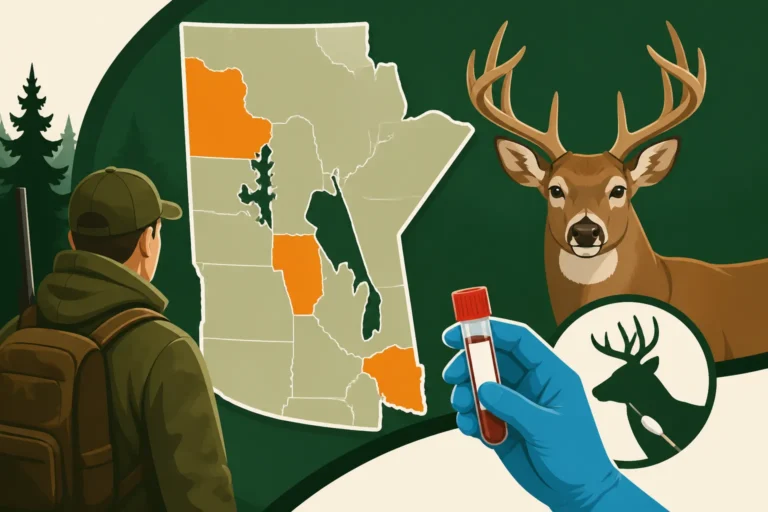
Adding another layer of responsibility, certain Game Hunting Areas in Manitoba have mandatory Chronic Wasting Disease (CWD) sampling requirements for harvested deer, moose, or elk. CWD is a serious neurological disease affecting cervids, and sampling efforts are crucial for monitoring its spread and managing herd health. If you hunt in a designated CWD surveillance zone, you are legally required to submit a sample from your harvested animal, typically the head, within a specified timeframe.
Failing to comply with CWD sampling requirements can result in fines. The process for submitting a sample involves bringing the head to a designated drop-off location or following specific instructions for self-sampling. All details on Manitoba's CWD Sampling Requirements, including maps of affected GHAs and drop-off points, are outlined in the annual hunting guide and on the provincial government's website. These post-harvest regulations are not just bureaucratic hurdles; they are vital components of modern wildlife management and conservation, and every ethical hunter plays a part in upholding them.
Disclaimer
The information provided in this guide is for general informational purposes only and does not constitute legal advice. Hunting regulations in Manitoba can change, and it is the hunter's sole responsibility to consult the most current version of the Manitoba Hunting Guide and other official provincial and federal resources before participating in any hunting activity. Always confirm specific season dates, bag limits, GHA boundaries, and licensing requirements with the Government of Manitoba or a qualified official.