Etiquette in a Manitoba Hunting Camp
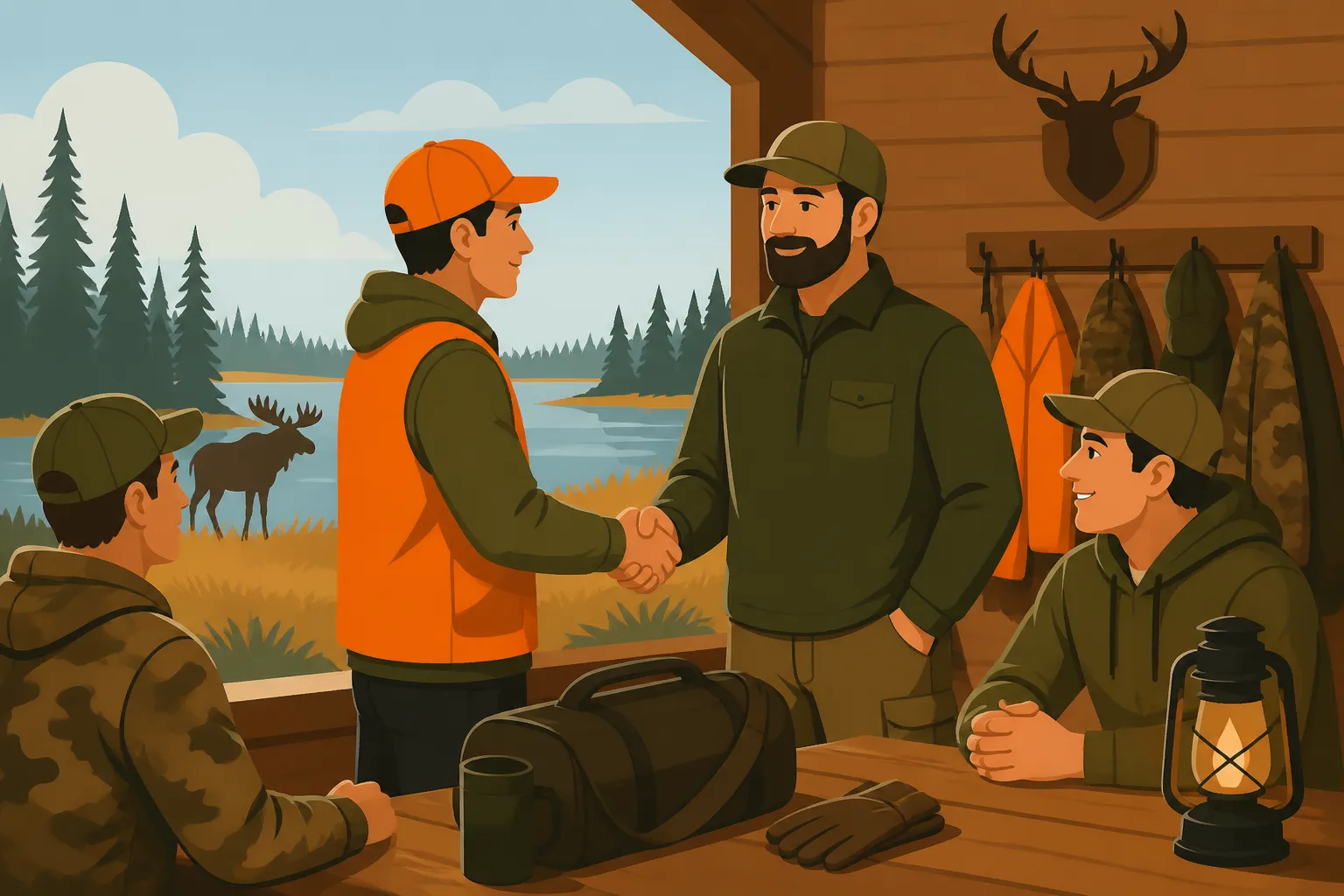
Stepping into a hunting camp, whether it's a remote fly-in lodge or a rustic cabin deep in the Manitoba bush, is a unique experience. It's a place where strangers often become fast friends, sharing stories, meals, and the highs and lows of the hunt. However, like any shared living situation, a hunting camp comes with an unspoken code of conduct. Ignoring these unwritten rules can quickly turn a dream hunt into a tense, uncomfortable ordeal for everyone involved. This guide is all about helping you navigate the social landscape of a Manitoba hunting camp, ensuring you're a welcome guest and contribute positively to the camaraderie, making your trip, and everyone else's, truly memorable.
Respecting Shared Spaces and Fellow Hunters
A hunting camp isn't your private home; it's a temporary community. Everyone is there for a common purpose, but each person brings their own habits, expectations, and personal quirks. Good etiquette starts with a foundation of mutual respect for the shared environment and the individuals in it.
Camp Cleanliness and Organization
Let's face it, hunting can be messy. Muddy boots, gear strewn about, dirty dishes – it can pile up fast. But a good hunter understands that keeping the camp tidy is a group effort, not just the responsibility of the camp staff, if there are any. When you walk into a camp, you're becoming part of that shared space, and your actions directly impact everyone's comfort.
Think about your bunk area. Is your gear neatly stowed, or is it spilling into the aisle? Are your wet clothes hung up to dry where they won't drip on someone else's bag? In common areas like the kitchen or dining space, this becomes even more critical. If you make a sandwich, wipe down the counter. If you grab a coffee, make sure the pot isn't empty for the next person. Imagine coming in from a long, cold sit, craving a warm drink, only to find an empty pot and dirty mugs everywhere. It's a small frustration, but it adds up. Remember, you might be staying in a beautiful lodge or a bare-bones canvas tent, but the principle remains the same: leave it cleaner than you found it, or at the very least, as clean as it was. Stowing your gear properly also helps with safety, preventing trips and falls in dimly lit cabins.
Noise Levels and Personal Time
Hunting often involves very early mornings and, sometimes, late nights, depending on how long it takes to recover an animal or simply celebrate. People are on different schedules and have different tolerances for noise. That alarm clock blaring at 4 AM might be your signal to rise, but it could be someone else's worst nightmare if they're trying to catch a few more minutes of sleep before their later departure.
Be mindful of the volume of your voice, especially in shared sleeping quarters or near other bunks. If you're coming in late, try to be as quiet as possible. Headlamps are a lifesaver for navigating in the dark without flicking on bright lights that can disturb others. Conversely, if you're an early riser, respect that not everyone is on your schedule. Don't feel the need to start a loud conversation with the first person you see. A quiet cup of coffee, a quick check of your gear – these are fine. But save the robust discussions and loud laughter for later in the day when the whole camp is awake and active. Everyone needs their rest to perform their best in the field, and respecting that need for quiet is a huge part of being a good campmate.
Shared Resources and Supplies
From firewood to coffee, and sometimes even snacks, many camps operate on a shared resource basis. It’s important to understand the camp dynamic here. If the outfitter provides a communal pot of coffee, don't drain it without offering to make a new one. If there's a woodpile for the stove, don't take the last split log without bringing in another bundle. These small acts of consideration go a long way in fostering a positive atmosphere.
Always ask before using someone else's personal items, whether it's their hunting knife, headlamp, or a piece of their snack stash. Even if it's a minor item, it's a matter of respect. In some camps, hunters contribute to communal meals or supplies. If this is the case, pull your weight. Offer to help with meal prep, washing dishes, or gathering wood. Contributing to the shared effort not only makes the camp run smoother but also strengthens the bonds between hunters. Remember, the cost of What a Guided Hunt Costs usually covers basic camp amenities, but genuine sharing goes beyond that.
Navigating the Hunt Itself
The hunt is the core reason you're all there, and proper etiquette in the field is just as important, if not more so, than in camp. It's about respecting the game, the land, and most importantly, your fellow hunters' opportunities and safety.
Communication is Key
Before you even step out the door, good communication with your guide and fellow hunters is paramount. Understand the day's plan: where everyone is going, what areas are off-limits, and how communication will happen in the field. This is particularly important if you're hunting in a group or a semi-guided situation. Knowing where other hunters are greatly enhances safety and prevents accidental interference with someone else's hunt.
Discussing expectations for the hunt is also crucial. Are you looking for a specific size of animal? Are you fine with any legal animal? Make sure your guide understands your goals, and be realistic about what the conditions allow. If you're hunting with a friend, talk about whose shot it is if two animals appear, or who takes the first shot at a running herd. Pre-determining these things avoids awkward, tension-filled moments in the heat of the moment. Transparency about your skills, like your comfortable shooting distance, can also help your guide position you for the best chance at success. Platforms like GoHunt or BookYourHunt can sometimes provide insights into an outfitter's typical hunting style, which helps in setting these initial expectations.
Shot Opportunity and Fair Play
This is where things can get tricky, especially if you're hunting with a guide who might be trying to manage shot opportunities among several hunters. If you're on a one-on-one guided hunt, the opportunity is generally yours to take, assuming it's ethical. However, in a group setting, it's vital to respect who the guide indicates should take the shot, or if agreed upon beforehand, whose turn it is. Never "sky-bust" – taking a long-range, low-percentage shot at an animal that might be headed towards another hunter in your group. This not only spooks the animal but can ruin someone else's carefully planned stalk.
Prioritize ethical shots above all else. A clean, quick kill is the ultimate mark of respect for the animal. If you're unsure of your shot or the animal isn't properly positioned, communicate that to your guide. It's far better to pass on a marginal shot than to wound an animal or take a shot that could endanger others. Remember, a trophy isn't defined by its size alone, but by the integrity of the hunt. Read more about Manitoba Hunter Education Requirements to ensure you're up to date on ethical hunting practices.
Handling Success and Setbacks
Hunting is full of highs and lows. You might experience the thrill of a successful harvest, while your campmate might be dealing with a missed shot, or worse, losing an animal. How you react to these moments defines your character in camp. When someone in your group bags an animal, celebrate with them. Offer genuine congratulations, help with the recovery, and be part of their joy. Every hunter understands the effort and emotion that goes into a successful hunt, so be supportive.
Conversely, if you or another hunter experiences a setback, offer empathy, not judgment. A missed shot or a lost animal can be incredibly disheartening. Avoid "shoulda, coulda, woulda" comments. Instead, offer a listening ear, a quiet word of encouragement, or simply a respectful silence. Everyone faces challenges in the field, and a supportive camp environment makes these tough moments a little easier to bear. Always remember that even a well-executed hunt can sometimes end in disappointment, and that's part of the experience.
Post-Hunt Responsibilities and Appreciation
The hunt doesn't end when the shot is fired. There's a lot of work that comes after, and showing appreciation for your guide and the camp staff is paramount to good etiquette.
Meat and Trophy Care
Once an animal is on the ground, the real work begins. Your immediate responsibility is to your animal. Help your guide with field dressing, even if you're not an expert. Learn from them. Dragging an animal out of the bush, especially a big Manitoba whitetail or a moose, is incredibly taxing, and every extra hand helps. Don't stand around waiting for others to do all the heavy lifting. This is a critical time when camp camaraderie truly shines.
Proper meat care is vital, especially in Manitoba's often unpredictable weather. Meat Care in Manitoba's Cold Snaps is a serious consideration. Ensure the meat is kept clean, cooled quickly, and protected from contamination or scavengers. Discuss with your guide the best way to transport it and where it will be processed. For trophies, follow your guide's instructions for caping or quartering to ensure your hide and antlers are handled correctly for the taxidermist. Showing diligence here respects the animal and the effort everyone put into the hunt.
Showing Gratitude to Guides and Staff
Guides and camp staff work incredibly hard, often from before dawn until well after dark, to make your hunt successful and your stay comfortable. They scout, cook, clean, track, haul, and do countless other tasks. Acknowledging their effort is a fundamental part of good camp etiquette. A simple "thank you" goes a long way.
Tipping is also a customary and expected part of a guided hunt, and understanding How Much to Tip a Manitoba Guide is essential. While it might feel like an additional cost, tips are a significant portion of a guide's income and directly reflect their service. Presenting a tip discreetly and personally at the end of the trip is usually appreciated. Beyond monetary tips, consider helping with camp chores – washing dishes, cleaning your cabin, or packing out trash. Leave the camp in good order, not expecting staff to clean up after you entirely. Remember, a good guide isn't just about finding game; it's about the entire experience.
Settling Up and Departures
Before you pack up to leave, ensure all your financial obligations are settled. This includes any outstanding balances for your hunt, additional services, or purchases made at camp. Confirm with your outfitter or camp manager what is included and what might be an extra charge, like taxidermy prep or additional meat processing. Transparency on both sides avoids any last-minute surprises or awkward conversations.
When it's time to depart, take the time to say a proper goodbye to your guide, the camp staff, and your fellow hunters. Exchange contact information if you've made new friends. A heartfelt thank you and a promise to return are always well-received. Leave with a positive impression, and you'll always be welcome back. What an Outfitter Needs From You Beforehand often includes information about payment schedules and what's covered, so reviewing that documentation is key.
Planning Ahead for a Harmonious Trip
A little preparation before you even arrive at camp can make a huge difference in ensuring a smooth and enjoyable experience for everyone.
Researching Your Outfitter's Style
Not all hunting camps are created equal, and knowing what to expect can prevent culture shock. Some outfitters run very structured, formal camps, while others are more laid-back and self-serve. Some cater to families, others to hardcore trophy hunters. Platforms like BookYourHunt and GoHunt are fantastic resources for researching outfitters, reading reviews, and getting a feel for the typical camp environment.
Don't be shy about asking questions when you're Booking a Manitoba Hunt Off-Season. Ask about typical daily schedules, meal arrangements, alcohol policies, and the general vibe of the camp. Understanding these things upfront helps you adjust your expectations and pack accordingly. For example, if it's a dry camp (no alcohol), knowing that beforehand saves you from bringing a cooler full of beer only to have it sit untouched. A well-informed hunter is usually a more adaptable and appreciative guest. Consider asking about Questions to Ask Before Booking to ensure you're a good fit.
Discussing Expectations with Your Group
If you're traveling with a group of friends or family, have an honest conversation about expectations before the trip even starts. Are you all looking for the same kind of hunt? Do you have similar levels of experience or fitness? Discussing these points can prevent misunderstandings in the field.
For example, if one person is a keen long-range shooter and another prefers close-up archery, ensure there's a plan that caters to both or that everyone understands whose preferences will take priority on specific days. Establish clear ground rules for sharing equipment, taking photos, and handling successful harvests. Getting on the same page about Planning a Manitoba Hunting Trip from the outset helps build a solid foundation for a fun and respectful trip. Being clear on What to Bring to a Manitoba Deer Camp can also help everyone prepare adequately.
A harmonious camp is a successful camp, not just in terms of animals harvested, but in the memories made and the friendships forged. By being thoughtful, respectful, and communicative, you'll not only enhance your own Manitoba hunting adventure but contribute to an incredible experience for everyone sharing that special time in the bush.
Here’s a quick overview of some key etiquette points:
| Aspect | Good Etiquette | Poor Etiquette |
|---|---|---|
| Camp Cleanliness | Keep personal area tidy, help with communal chores, wipe up spills. | Leave gear scattered, ignore dirty dishes, expect staff to clean up. |
| Noise Levels | Be quiet early mornings/late nights, use a headlamp, keep voice low. | Slam doors, talk loudly when others are sleeping, blare music. |
| Shared Resources | Ask before using, contribute to firewood/coffee, restock if low. | Assume items are communal, deplete supplies without replacing. |
| Communication | Discuss daily plans with guide/group, clarify expectations, be transparent. | Wander off without informing others, keep personal hunting goals secret. |
| Shot Opportunity | Respect guide's call, take ethical shots, don't "sky-bust." | Shoot over others, take risky shots, ignore guide's direction. |
| Success/Setbacks | Congratulate others sincerely, offer empathy for misses/losses. | Brag excessively, make negative comments about others' hunts. |
| Meat/Trophy Care | Help with field dressing, ensure proper cooling and handling. | Leave all work to the guide, neglect proper meat/trophy prep. |
| Guide Appreciation | Thank staff, offer help, tip appropriately and discreetly. | Treat staff as servants, complain, leave without tipping. |
Disclaimer
This article is for general informational purposes only and does not constitute professional advice. Laws, prices and regulations vary by location and change over time. Consult a qualified professional for guidance on your specific situation.