Packing Caribou Out to a Float Plane
There’s nothing quite like the exhilaration of spotting a magnificent caribou bull on the vast, open tundra, the culmination of so much planning and effort. But once your tag is filled, the real work, and sometimes the biggest headache, begins: how do you get all that precious meat and a heavy set of antlers out of that remote wilderness and onto a float plane? This guide will walk you through the essential steps and considerations for efficiently packing your caribou out, ensuring your hard-earned trophy and meat make it home safely and unspoiled.
Pre-Hunt Planning for Caribou Recovery
You might think the hunt starts when you leave camp, but for a remote caribou hunt, the recovery effort begins long before you ever pull the trigger. Ignoring this critical phase can turn a successful hunt into a logistical nightmare, leaving you stressed and potentially compromising your meat.
Understanding the Terrain and Logistics
When you're chasing caribou in Manitoba's far north, you're often in truly wild, untamed country. Unlike a deer hunt closer to home where you might have truck access or an ATV, caribou country often means flying into a remote lake or river system. This reliance on aircraft, particularly a float plane, dictates nearly every aspect of your recovery plan. You need to know the topography of the area you'll be hunting. Are there any natural landmarks that would make a good pick-up point? Is the ground firm enough for an emergency landing? Will you be hunting near the water, or will you have a long hike back to the lake? Using mapping tools like GoHunt or other satellite imagery services can be incredibly helpful in scouting potential hunt zones and identifying suitable retrieval locations well in advance. Consider how far you're truly willing to pack an animal. A 3-mile pack across muskeg and tussocks is a vastly different proposition than 3 miles over relatively flat, frozen ground.
Essential Gear for the Pack-Out
Preparing for a caribou pack-out means having the right tools for the job. Don't skimp on these items; they are as important as your rifle or bow. First and foremost, you'll need quality game bags. Forget those flimsy cheesecloth bags; invest in durable, breathable synthetic game bags that will protect the meat from flies, dirt, and debris while allowing it to cool. Brands like KUIU or Argali make excellent options that are lightweight yet strong. You'll need at least four to six for a caribou, perhaps more if you're planning to bone everything out. Next, a sharp, sturdy knife or two, along with a sharpening steel or ceramic sticks, is non-negotiable. Breaking down a large animal efficiently requires a keen edge. A small, lightweight saw can also be invaluable for splitting the pelvis or sternum if you choose to take bone-in quarters. Finally, a good quality frame pack is your best friend. Even if you plan on multiple trips, a sturdy pack designed to carry heavy, awkward loads will make the process far more manageable. Don't forget a first-aid kit, signaling devices, and emergency shelter, as situations can change rapidly in the north.
Field Dressing and Quartering for Transport
The moment your caribou is down, the clock starts ticking. Proper field dressing and quartering are crucial for preserving meat quality, especially when facing a remote extraction by float plane where minimizing weight is paramount.
Efficient Field Dressing on the Tundra
The first step, as with any big game animal, is to field dress the caribou immediately to begin the cooling process and remove entrails that contribute to spoilage. Roll the animal onto its back, carefully open the cavity, and remove all internal organs. Ensure the windpipe, esophagus, and rectum are also detached and removed. If you're hunting in particularly cold weather, which is common during caribou season, the rapid cooling is an advantage. However, even in cold, you need to ensure proper airflow to prevent the meat from souring, especially if it's left on the ground too long. Hang the quarters if possible, even temporarily, to allow air to circulate around them. This is where those breathable game bags come in. Once the gut pile is removed, quickly clean out any blood clots or debris from the cavity. If you're in an area that requires Chronic Wasting Disease (CWD) sampling, remember to collect your sample as per Manitoba's guidelines before separating the skull. You can find detailed information on Manitoba's CWD Sampling Requirements to ensure you comply.
Quartering for Reduced Weight and Bulk
When a float plane is your ride home, every pound counts. Bohn-ing out the meat is often the preferred method to drastically reduce weight. Start by carefully skinning the caribou, working quickly and cleanly. Once skinned, begin separating the major muscle groups from the bone. The front and hind quarters can be removed, and then the meat can be stripped from the bones. The backstraps and tenderloins are easily removed and should be prioritized. For the shanks, you might opt to take them bone-in if weight allows, or meticulously debone them as well.
A mature barren-ground bull caribou can weigh over 300 pounds live, and even after field dressing, you're looking at a substantial amount of weight to move. Reducing the bulk by removing bone and excess fat can cut the weight by 25-30%. Remember to keep the meat as clean as possible during this process. Avoid getting dirt, hair, or vegetation on the muscle tissue, as this can introduce bacteria and accelerate spoilage. Pack the boned-out meat into your sturdy game bags. For more general guidance on handling game in the wild, you might find tips in Meat Care in Manitoba's Cold Snaps helpful, even if focused on different species.
Packing and Protecting Meat for Float Plane Travel
Once your caribou is broken down, the meticulous job of packing and protecting the meat for its journey to the float plane begins. This isn't just about getting it there; it's about getting it there in pristine condition.
Choosing the Right Game Bags and Cooling Strategy
As mentioned, quality game bags are indispensable. There's a big difference between cheap cotton bags that can absorb moisture and tear easily, and high-performance synthetic bags designed for heavy loads and breathability. Synthetic bags from brands like GoHunt's own selection or other reputable outdoor companies are often treated to resist bacteria, which is a huge bonus in remote settings. Once the boned-out meat is in the bags, the next challenge is cooling. Even in cooler northern temperatures, a large mass of meat can retain heat. Spread the bags out, preferably in the shade or on elevated rocks or logs to allow air circulation around them. If temperatures are consistently below freezing, this is less of a concern, but if you have mild days, you need to be proactive. Never stack warm meat directly on top of itself in a pile. This traps heat and can lead to souring, even if the ambient air is cool. If you anticipate any delay in the float plane pickup, consider building a makeshift "meat cache" by covering the meat bags with a tarp or natural materials to protect them from scavengers like wolves or arctic foxes.
| Game Bag Material | Pros | Cons | Ideal Use Case |
|---|---|---|---|
| Synthetic Mesh | Lightweight, breathable, durable, often treated for bacteria | Can be pricier upfront, not always tear-proof | Remote, multi-day pack-outs, high-value meat |
| Cotton/Cheesecloth | Inexpensive, readily available, breathable | Less durable, easily rips, absorbs moisture | Short hauls, cooler weather, quick transport |
| Nylon/Canvas | Very durable, puncture-resistant | Less breathable, heavier, can trap heat | Secondary outer layer, very rugged terrain |
Securing Antlers and Capes
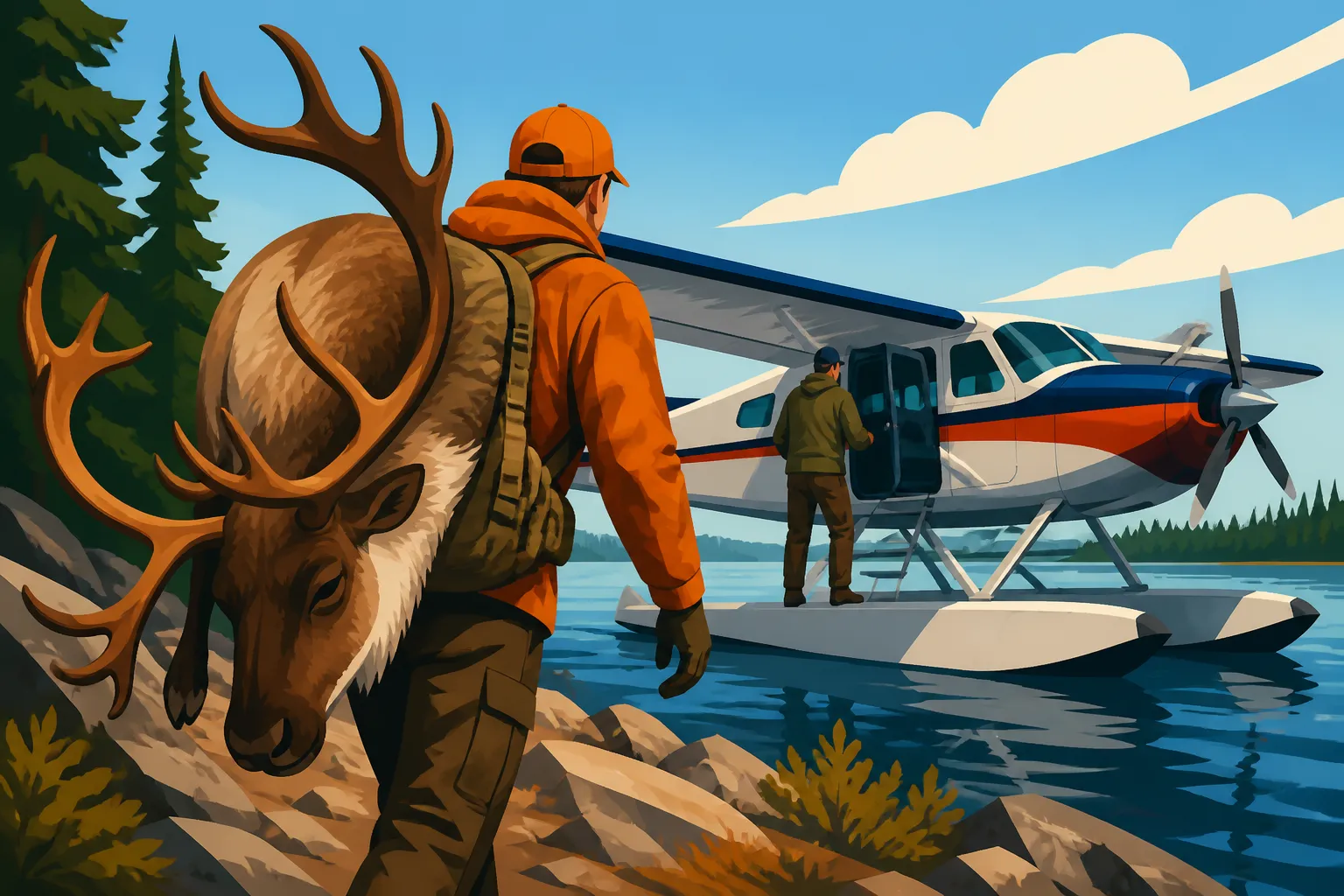
The antlers and cape, if you're planning a full shoulder mount, require just as much care. Antlers can be surprisingly heavy and awkward. If possible, remove the skull plate with a caping knife or a small saw to reduce bulk, leaving enough skull attached for taxidermy purposes. Wrap the antlers in a durable tarp or an extra game bag to protect the tines from chipping or breaking during transport. The cape should be skinned carefully, ensuring plenty of hide is left for the taxidermist. Keep it clean and cool; if temperatures are warm, you might need to salt it in the field if it will be several days before it reaches a freezer. Pack the cape separately from the meat to prevent cross-contamination. Remember that for Taking Meat and Antlers Across the Border (if you're a non-resident), there are specific regulations you'll need to follow, so good care in the field is just the first step.
Logistics of Float Plane Pick-up and Weight Limits
The final leg of your caribou's journey from the tundra to your home freezer depends entirely on a successful float plane pick-up. This is where meticulous planning and clear communication pay off immensely.
Communicating with Your Pilot or Outfitter
Before you even leave for your hunt, establish a clear communication plan with your pilot or outfitter. Discuss expected pickup times, alternate landing zones, and emergency contact procedures. In remote northern Manitoba, satellite phones or two-way satellite messengers like a Garmin InReach are often the only reliable forms of communication. Once your caribou is down and processed, immediately notify your pilot or outfitter of your location, the number of loads you have, and an estimated weight. Being precise about your location is crucial; provide GPS coordinates if you have them, or use easily identifiable landmarks. For hunters interested in a fully guided experience, outfitters like those found when considering a Booking a Manitoba Caribou Hunt will manage much of this communication, but it's still vital for you to be prepared and informed.
Understanding Float Plane Weight Restrictions
Float planes, especially smaller ones, have strict weight limits. This is perhaps the most critical factor for packing out a caribou. Each plane has a maximum payload, which includes passengers, gear, fuel, and, of course, your meat and antlers. You might need to make multiple trips, or you might need to adjust what you bring in to ensure you can take everything out. Discuss these limits with your outfitter or the pilot upfront. A typical bush plane might carry around 800-1000 lbs, but this fluctuates based on fuel load, distance, and temperature. This is why boning out the meat is so important; it significantly reduces the overall weight. Be ready to consolidate your gear and sacrifice non-essentials if necessary. The pilot has the final say on load capacity for safety, so respect their decisions. Information on What a Fly-In Camp Weight Limit Means can provide more context for these crucial restrictions. Having everything neatly bagged and organized into manageable packs will not only make it easier for you to get to the pickup point but also faster for the pilot to load, which can save valuable daylight hours.
Preparing the Pick-up Zone
When the float plane arrives, you'll want everything ready to go. The pilot will need a clear, unobstructed path to land and take off. Clear any large rocks, branches, or other debris from the proposed landing zone on the water's edge or airstrip. Have all your meat bags, antlers, and gear consolidated in one easily accessible spot, organized by weight and type. This minimizes the time the plane spends on the ground, which is safer and more efficient. As the plane approaches, use visual signals (like waving a bright piece of clothing or an orange hat) to confirm your location and readiness. Be prepared to help the pilot load the plane quickly and efficiently. Ensuring your gear is well-organized and secured will prevent shifting during flight, which could be dangerous. Planning ahead with tools like GoHunt can help identify potential landing spots that have minimal obstacles, making the final extraction much smoother. This preparedness ensures a smooth transition from the remote wilderness back to civilization, allowing you to enjoy the fruits of your successful Barren-Ground Caribou Hunting in Northern Manitoba adventure.
Disclaimer
Hunting is an inherently risky activity. Always prioritize safety, adhere to all local, provincial, and federal regulations, and obtain proper licenses and permits. The information provided in this guide is for informational purposes only and should not replace professional guidance, official regulations, or personal judgment. Be aware of weather conditions, wildlife behavior, and your own physical limits.