Bug Season on a Spring Manitoba Hunt
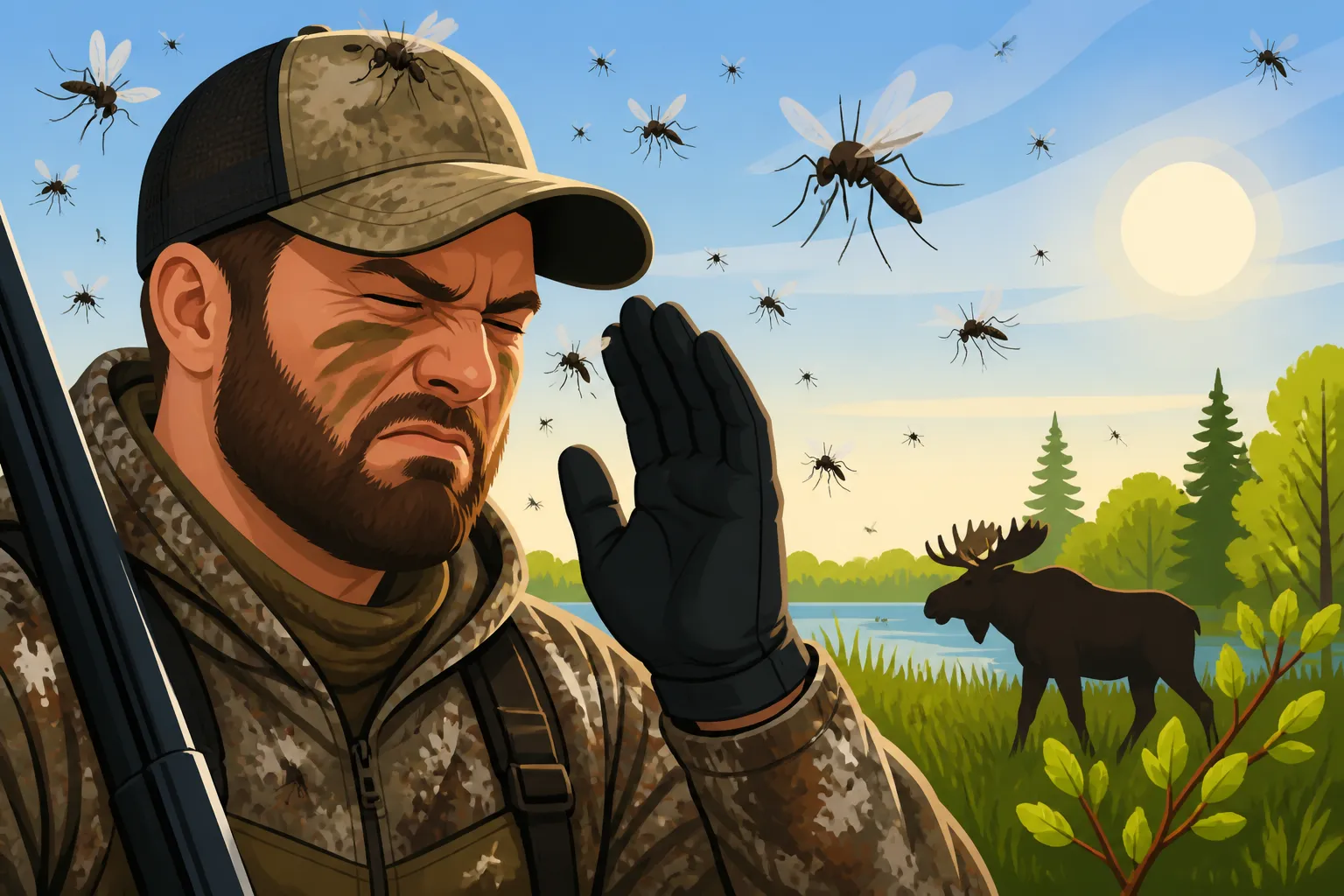
Ah, the promise of a spring hunt in Manitoba! It's a truly magical time to be in the bush, especially if you're chasing black bears after a long winter. But let's be real, while the thought of fresh green leaves and a big boar on the bait sounds idyllic, anyone who's spent time outdoors here in late spring knows there's a certain, shall we say, enthusiastic welcoming committee waiting for you: the bugs. Dealing with these persistent critters can absolutely make or break your trip, turning a potential dream hunt into a swarming nightmare if you're not prepared. This guide is all about equipping you with the knowledge and strategies to not just survive, but truly enjoy your spring Manitoba hunt, even when the buzzing gets loud.
Understanding Manitoba's Spring Bug Season
If you've ever been eaten alive, you know that bugs aren't just an annoyance; they're a force of nature. In Manitoba, the transition from winter's deep freeze to spring's lush green brings with it a predictable, if unwelcome, emergence of insect populations. Understanding when and why they come out, and who the main culprits are, is your first step in building a solid defence.
When the Bugs Emerge
The timing of Manitoba's bug season is often a dance with the weather, but you can generally mark your calendar for late May through July as the peak period. Spring bear seasons, in particular, often fall right into the thick of it. As soon as the snow has mostly melted and the ground warms, bringing out the tender new growth, these little vampires wake up.
Think about it: the warming temperatures thaw out countless shallow pools and slow-moving water sources – perfect breeding grounds for mosquitoes. Black flies, on the other hand, love those clear, fast-flowing streams and rivers that are often swollen with meltwater. And ticks? They're already active when temperatures are just above freezing, clinging to low brush and grass, waiting for a warm-blooded meal to brush past. So, while early spring might offer a brief reprieve, by the time most of the leaves are unfurled and the birds are nesting, the bug brigades are out in full force. Spring Bear Hunting in Manitoba is a prime example of a hunt that will likely coincide with this emergence.
The Main Offenders: Black Flies, Mosquitoes, and Ticks
Each type of bug brings its own unique brand of misery to the Manitoba bush. Knowing your enemy helps you tailor your defence.
Black Flies: These guys are truly aggressive. They don't just bite; they gouge, leaving a distinctive, often bleeding, puncture wound that can itch intensely for days. They're typically active during the day, especially around dawn and dusk, and they seem to prefer areas near moving water. If you're setting up a Setting a Bear Bait Site in Manitoba near a creek or river, expect these little demons to be present. They'll swarm your face, crawl into your ears and nose, and generally drive you to distraction. The bites themselves can swell quite a bit, and if you get a lot of them, you can feel quite unwell with "black fly fever," which is essentially an allergic reaction to the sheer volume of bites.
Mosquitoes: Everyone knows mosquitoes. These buzzing, blood-sucking nuisances are ubiquitous in Manitoba's wetland-rich environment. They are most active from late afternoon through dusk and into the night, though on overcast days or in deep bush, they can be out all day. They breed in stagnant water, and Manitoba has no shortage of sloughs, potholes, and soggy bush floors, especially in spring. Their bites are typically less painful than a black fly's initially but can itch just as fiercely. They're also vectors for certain diseases, though the risk to hunters is generally low, it’s still something to be mindful of. A still, warm evening in a treestand can become unbearable if the mosquitoes are thick.
Ticks: Often overlooked until it's too late, ticks are a silent threat. Unlike flies, they don't buzz or swarm; they quietly wait. They transmit diseases like Lyme disease, making them more than just an irritating bite. Ticks prefer wooded areas, tall grasses, and leaf litter. They can climb onto low vegetation and wait for a passing animal or person to brush against them. Once on you, they'll crawl to a warm, hidden spot (like armpits, groin, hairline) and latch on. You might not even feel them bite. The key with ticks is diligence: regular checks are paramount, both during and after your hunt. You definitely don't want to bring one of these unwelcome hitchhikers home with you.
Why They're So Bad
Manitoba's geography and climate create a perfect storm for prolific bug populations. We're situated in an area rich with wetlands, forests, and agricultural lands that provide ideal breeding grounds and habitats. The spring melt, followed by usually ample rainfall, ensures that there's plenty of standing water for mosquitoes. Our vast tracts of undeveloped bush country, particularly in the Interlake and boreal regions, are pristine environments for all sorts of insects.
Furthermore, the relatively short, intense spring and summer seasons mean that insect life cycles are accelerated. The sheer biomass of bugs can be staggering. Add to this the fact that many hunting activities, especially Black Bear Hunting in Manitoba, involve sitting still for extended periods in prime bug territory (e.g., near bait sites in dense cover), and you have a recipe for intense bug pressure. It's not just a few pesky insects; it can be a constant cloud. Outfitters and guides who focus on Manitoba Hunting Lodges and Camps know this well and often have strategies in place to mitigate the impact around their facilities.
Essential Gear for Bug Protection
Dealing with bugs in Manitoba isn't about eliminating them; it's about making yourself as unappealing and inaccessible as possible. This requires a multi-layered approach, combining physical barriers with chemical deterrents.
Clothing Strategies
Your clothing is your first line of defense, creating a physical barrier between you and the biting insects. Simply put, don't skimp here.
Tight Weave, Light Colours: Bugs, especially mosquitoes, are often attracted to darker colors. Opt for lighter-coloured clothing, but more importantly, choose fabrics with a tight weave. Many modern hunting clothes are designed with this in mind. Loose-weave fabrics, even thick ones, can allow mosquitoes to bite right through. Think of materials like ripstop nylon or tightly woven cotton blends.
Full Coverage is Key: We're talking head-to-toe. A good bug jacket with an integrated head net is non-negotiable. It should have elasticized cuffs and waist to prevent critters from crawling inside. Gloves are also highly recommended, especially if you're handling gear or bait. Don't forget long pants tucked into your boots, or better yet, gaiters, to keep ticks from crawling up your legs. Even if it's warm, a lightweight, long-sleeved shirt and long pants are far superior to shorts and a t-shirt when the bugs are out. Consider specialized bug-proof clothing lines that have built-in repellents like permethrin; these can be a game-changer.
Repellents That Actually Work
While physical barriers are great, a good chemical repellent adds another layer of protection. There are several effective options, each with its pros and cons.
| Repellent Type | Active Ingredient | How It Works | Best For | Pros | Cons |
|---|---|---|---|---|---|
| DEET | N,N-Diethyl-meta-toluamide | Disrupts insect's sense of smell, making you "invisible." | Mosquitoes, black flies, ticks, chiggers. | Highly effective, long-lasting. | Strong smell, can damage plastics/synthetics, some skin irritation for sensitive individuals. |
| Picaridin | Icaridin | Similar to DEET, creates a scent barrier. | Mosquitoes, ticks, biting flies (including black flies). | Less odorous than DEET, doesn't damage gear, gentler on skin. | May need reapplication more often than high-concentration DEET. |
| Permethrin | Permethrin | Insecticide that kills or repels on contact. | Ticks, mosquitoes, chiggers, mites. (Used on clothing/gear, not skin). | Very effective for clothing treatment, lasts for weeks/washings. | Toxic if applied directly to skin, cannot be used on cats. |
| Oil of Lemon Eucalyptus (OLE) | p-Menthane-3,8-diol (PMD) | Natural repellent derived from eucalyptus. | Mosquitoes, some ticks. | Natural alternative, pleasant scent. | Shorter duration of effectiveness, not recommended for children under 3. |
For maximum protection, many seasoned hunters combine permethrin-treated clothing (applied days in advance and thoroughly dried) with a skin-applied repellent like DEET or picaridin. When Booking a Manitoba Black Bear Hunt, it's always a good idea to ask your outfitter if they recommend any specific brands or types of repellents they've found most effective in their area.
Other Protective Measures
Beyond clothing and sprays, a few other items can significantly improve your comfort.
Thermacell Devices: These small, portable devices create a 15-foot zone of mosquito and black fly protection by heating a repellent mat. They are absolutely incredible for stand hunting, sitting around camp, or even packing into a blind. The repellent is odourless to humans and highly effective. They've become standard gear for many hunters, transforming what would be an unbearable sit into a tolerable, even enjoyable, experience. Just make sure you bring plenty of extra mats and butane cartridges!
Bug Shelters/Screen Houses: If you're setting up a more permanent camp, especially for a multi-day hunt, a screen house can be a sanctuary. It provides a bug-free zone for eating, relaxing, or even sleeping. It's especially useful for communal areas or when you want to take a break from wearing a head net. Many outfitters provide these at their main camps, but if you're doing a DIY trip, it's a worthwhile investment. When you're Planning a Manitoba Hunting Trip, think about how much time you'll spend in camp versus hunting, and plan your bug defense accordingly.
Strategies for a More Comfortable Hunt
Even with the best gear, strategic thinking can further minimize bug encounters and make your hunt more enjoyable. It's about working with nature, not against it.
Choosing Your Hunting Spot Wisely
Where you choose to set up can dramatically impact your bug experience. Not all parts of the bush are created equal when it comes to insect populations.
Seek Breezy, Open Areas: Bugs, especially mosquitoes and black flies, are weak fliers. They struggle in even a moderate breeze. If you can find a stand or ground blind location on a ridge, an open bluff, or even a field edge where there's some air movement, you'll generally encounter fewer bugs. Avoid low-lying, sheltered, or swampy areas if possible. While these might be prime game habitat, they're also prime bug habitat. Sometimes a slight elevation change or simply moving a few yards to catch a crosswind can make a world of difference. When studying your GHA maps or using platforms like GoHunt for scouting, pay attention to topography that might offer a breeze.
Avoid Standing Water and Dense, Still Cover: This goes hand-in-hand with seeking breezy spots. Mosquitoes hatch in standing water. Black flies often breed in moving water. Dense, humid bush with no airflow is their sanctuary. While you might need to hunt these areas for specific game sign, try to minimize the time you spend there, or at least be hyper-vigilant with your protection. A Hunting a Beaver Dam Crossing might be a great spot for game, but it's also a guaranteed bug hotspot. Similarly, dense willow runs or spruce thickets, while excellent for cover, are often bug magnets.
Camp Considerations
Your camp should be your sanctuary, a place where you can relax and escape the constant buzzing. Thoughtful camp setup can achieve this.
Clear a Wide Area: When choosing a campsite, select one that can be easily cleared of brush and leaf litter. This reduces potential tick habitat around your immediate living space. A campsite on higher, drier ground is always preferable to a low, damp spot. Pay attention to drainage.
Utilize Campfires (Where Permitted): Nothing quite beats the ambiance of a campfire, and its smoke is a time-honored bug repellent. Position your chairs to allow the smoke to drift over you. Just be mindful of fire bans and local regulations, and always ensure your fire is completely extinguished. Beyond the smoke, the warmth and light of a fire can also deter some nocturnal insects.
Dedicated Bug-Free Zones: If you're bringing a screen tent or pop-up shelter, make it your designated bug-free zone. Eat meals, do gear prep, and relax inside. Keep the zippers closed whenever you're not actively entering or exiting. This small effort can provide significant mental relief when the bugs are intense. When looking at potential Manitoba Hunting Lodges and Camps, ask about their amenities for bug season – screened porches or common areas are a huge plus.
Timing Your Activities
Sometimes, the best defence is simply not being there when the enemy is strongest. Adjusting your hunting schedule can make a big difference.
Hunt During Cooler Hours: Bugs are generally less active when temperatures are cooler. This means focusing your efforts during the early morning hours, right at first light, and potentially in the middle of the day if there's a good breeze. As the sun sets and the air cools, particularly during the shoulder seasons, bug activity will pick up significantly again. If the bug pressure is extreme in the evenings, you might choose to come out of your stand an hour or two earlier than you normally would. While Hunting the Rut in Early to Mid November won't have the same bug issues, a spring hunt requires a different approach to timing.
Midday Lull: Often, the midday sun and heat can drive some of the biting insects, particularly black flies, into shaded areas or reduce their activity. This can be a good time to move between stands, check bait, or even take a break. However, this is also when ticks can be quite active, especially in direct sunlight, so remember to conduct your tick checks.
Dealing with Bites and Aftercare
Despite your best efforts, you're probably going to get bit. It's part of the spring hunting experience. Knowing how to treat bites effectively can prevent them from ruining your trip or leading to complications.
Immediate Relief
Having a small first-aid kit with bite treatment essentials is crucial.
Anti-Itch Creams and Gels: Over-the-counter hydrocortisone cream or calamine lotion can provide significant relief from the itch of mosquito and black fly bites. Apply it as soon as possible after a bite to reduce inflammation and discomfort. Some people find lidocaine-based gels also help with numbing the itch.
Antihistamines: If you have a more severe reaction to bites, or if you get swarmed, an oral antihistamine (like diphenhydramine or loratadine) can help reduce swelling and itching. It's a good idea to pack some, especially if you know you're sensitive to insect bites. These can also help with any general allergic reactions to multiple bites.
Preventing Infection
Scratching bites, especially black fly bites which often bleed, can lead to infection.
Cleanliness: Keep bites clean with soap and water. If you've been scratching, apply an antiseptic wipe or solution to the area. Hunter's hands are often dirty from handling bait, gear, or gutting animals, so maintaining clean hands is important to prevent bacteria from entering open bite wounds.
Avoid Scratching: This is easier said than done, but try your best to avoid scratching. If the itch is unbearable, try gently pressing a cold pack or ice cube on the bite, or reapply your anti-itch cream. Consider wearing light, loose gloves in camp to deter subconscious scratching.
Tick Removal: For ticks, prompt and proper removal is essential. Use fine-tipped tweezers to grasp the tick as close to the skin's surface as possible. Pull upward with steady, even pressure. Do not twist or jerk. After removing the tick, clean the bite area thoroughly with rubbing alcohol or soap and water. Keep the tick (in a sealed bag or container) if you want to identify it later or if symptoms of illness develop. Record the date and location of the bite.
When to Seek Medical Attention
While most bug bites are merely irritating, some can lead to more serious issues.
Signs of Infection: Watch for increasing redness, warmth, swelling, pus, or streaks extending from the bite. These are all signs of a secondary infection that may require antibiotics. If a black fly bite becomes very swollen and tender, or if you feel generally unwell (fever, chills), it's time to seek medical advice.
Severe Allergic Reactions: While rare, some individuals can experience anaphylaxis from insect bites. Symptoms include difficulty breathing, swelling of the face or throat, dizziness, or a rapid pulse. This is a medical emergency. Always ensure your hunting partners know if you have severe allergies and where your epinephrine auto-injector is, if you carry one.
Lyme Disease Symptoms: If you've had a tick bite and develop a "bull's-eye" rash (erythema migrans) within a few weeks, or experience fever, chills, headache, fatigue, muscle and joint aches, or swollen lymph nodes, contact a doctor immediately. Early treatment for Lyme disease is highly effective. Many resources, including those found on BookYourHunt or GoHunt, often provide general health advisories for hunting in various regions, which can include information on tick-borne illnesses. Being prepared for What to Do If You Get Stuck in the Bush also includes having a basic medical kit for these kinds of minor, but potentially impactful, injuries.
Stay safe out there, my friends, and happy spring hunting!
Disclaimer
This article is for general informational purposes only and does not constitute professional advice. Laws, prices and regulations vary by location and change over time. Consult a qualified professional for guidance on your specific situation.