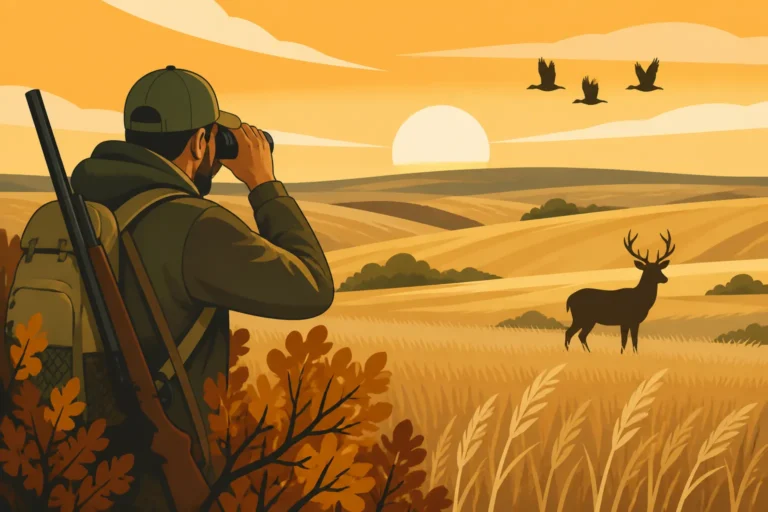
Walking Up Sharp-Tailed Grouse in Manitoba
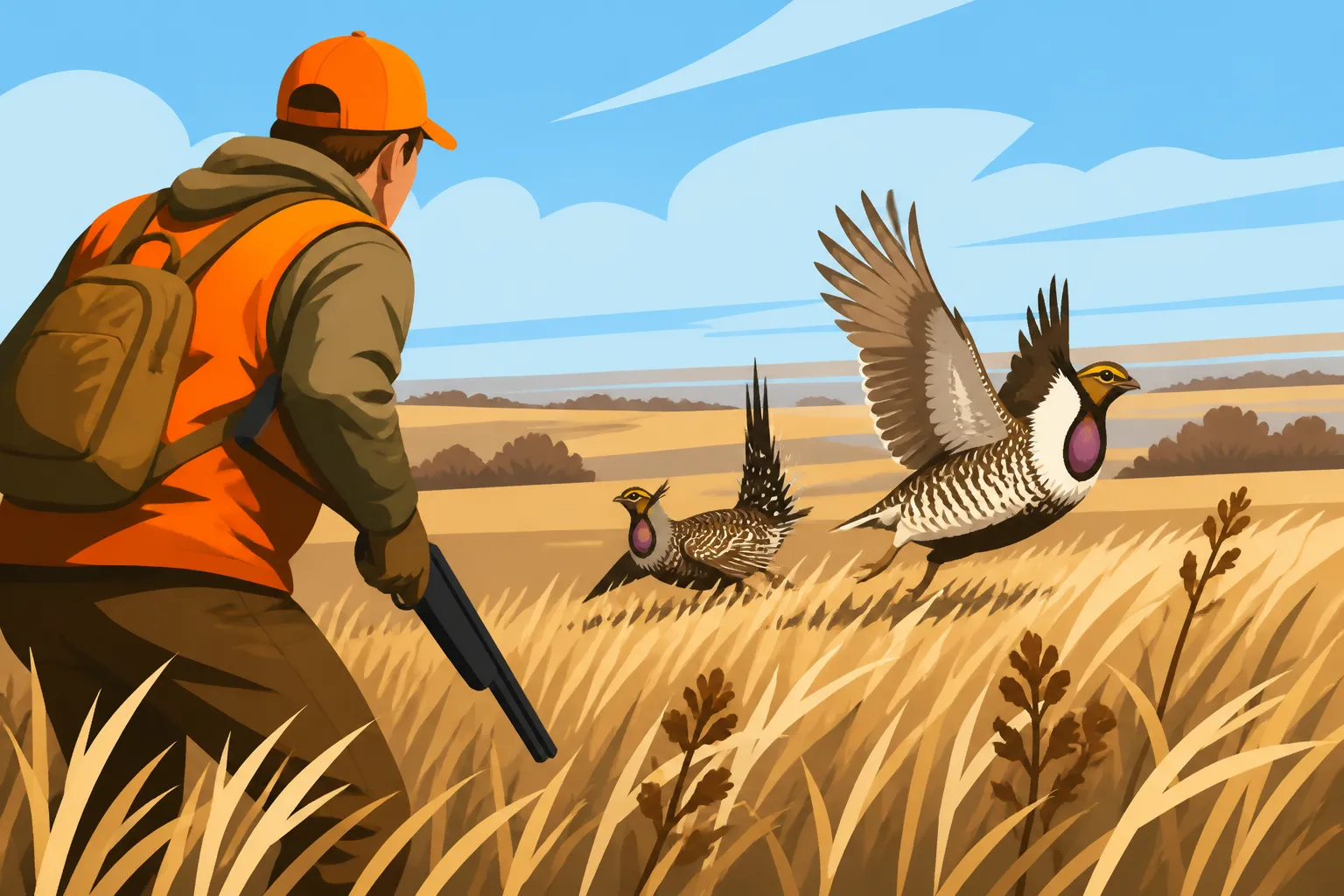
The rustle of dry grass underfoot, the crisp autumn air, and the sudden explosive flush of a covey of sharp-tailed grouse — it's a quintessential Manitoba upland hunting experience. Yet, for many hunters, hitting the field for sharptails can sometimes feel like a lottery, with endless miles walked for minimal reward. It can be incredibly frustrating to know these birds are out there but struggle to find them consistently. This comprehensive guide is designed to transform your approach, helping you understand sharptail habits, identify prime hunting grounds, refine your gear, and master the walk-up technique for more successful and rewarding hunts in Manitoba.
Understanding Sharp-Tailed Grouse Behavior in Manitoba
To consistently find and flush sharp-tailed grouse, you first need to understand them. These aren't deep-woods birds, nor are they strictly prairie dwellers. They occupy a fascinating niche that makes them a unique challenge and a joy to pursue.
Habitat Preferences and Seasonal Movements
Sharp-tailed grouse in Manitoba are creatures of the open and transitional landscapes. Their preferred habitat is typically characterized by a mosaic of native grasslands, pastures, brushy draws, and the edges of aspen parkland. You'll often find them utilizing areas where thicker cover, like willow clumps or scrub oak, meets more open prairie or agricultural fields. This mixed environment provides everything they need: dense cover for roosting and escaping predators, as well as open areas for foraging. They appreciate areas with minimal human disturbance, often gravitating towards larger tracts of uncultivated land.
As the seasons progress, so do the sharptails' movements. In the early season, particularly late August and September, they might be found closer to water sources or in lusher, greener cover that still holds insects and berries. As Manitoba's harvest season kicks into full swing and crops come off, you'll see a distinct shift. Sharptails become increasingly reliant on stubble fields, particularly those with leftover grain, which offer an abundant food source. Later into fall and early winter, when cold winds bite and snow begins to accumulate, they will seek out denser woody cover like thick stands of willow, saskatoon berry bushes, or aspen bluffs for thermal protection and shelter from predators. Understanding these seasonal shifts is crucial; what works in September won't necessarily work in November. The health of these habitats can greatly influence their populations, and sometimes even a slight change in local conditions can affect Why Sharptail Numbers Rise and Fall from year to year.
This dynamic nature means your scouting efforts need to be ongoing and adaptable. You can't just hunt the same spot the same way every time. Instead, you need to think like a sharptail: Where would you find the best food, the safest cover, and access to water given the current weather and available resources? This approach forces you to examine creek bottoms, brushy draws, and the specific edges of standing or recently cut fields with a keen eye, rather than just walking aimlessly.
Daily Routines and Foraging Habits
Sharp-tailed grouse, like most game birds, adhere to a fairly predictable daily routine, which, once understood, can be exploited by the savvy hunter. They are most active during the early morning hours, often right at dawn, and again in the late afternoon or early evening, leading up to dusk. These are their primary feeding times, when they venture out of their roosting cover to forage for food. During these periods, you'll likely find them moving across open areas or along field edges, picking up seeds and insects.
Mid-day, especially if the weather is warm or windy, sharptails typically seek refuge in loafing cover. This could be a dense patch of tall grass, a thick stand of brush, or a protected pocket within an aspen bluff. They'll often choose south-facing slopes in cooler weather to soak up the sun's warmth. This is when they are most vulnerable to being walked up, as they tend to hold tight, sometimes not flushing until you are almost on top of them. Knowing this mid-day habit means you might need to adjust your walking speed and attention to detail if you're out during these hours.
Their diet is quite varied, encompassing seeds from various grasses and forbs, berries (like saskatoon, chokecherry, and buffaloberry), insects during warmer months, and the buds and catkins of aspen and willow trees in winter. This broad diet explains why they thrive in diverse habitats, and why agricultural fringes are so attractive. Fields that have recently been harvested, particularly those with small grains like barley, wheat, or even sunflower fields after harvest, become critical feeding grounds as they offer an easy and abundant source of nutrition. When scouting, think about the nutritional value of what's available and how it aligns with their seasonal needs.
Understanding this routine is paramount for optimizing your hunt. During peak feeding times, focus your efforts on known food sources and travel corridors leading to them. Mid-day, shift your focus to thicker, denser cover where birds are likely to be resting. By aligning your hunting strategy with their natural rhythms, you significantly increase your chances of encountering birds, rather than just hoping for a chance flush.
Prime Locations for Walking Up Sharptails in Manitoba
Manitoba offers some incredible opportunities for sharp-tailed grouse hunting, but success often hinges on knowing where to focus your efforts. These birds aren't evenly distributed across the landscape, and certain areas consistently produce better results than others.
Key Geographic Areas and Landscape Features
When it comes to prime sharptail country in Manitoba, the Parkland region truly shines. This vast ecological zone, stretching across the western and central parts of the province, provides the ideal blend of habitat: rolling native grasslands, aspen bluffs, and agricultural land in transition. Specific areas around Riding Mountain National Park, the Duck Mountain Provincial Forest, and even parts of the Interlake region offer excellent opportunities. These regions represent a patchwork of public and private land, so understanding access is key, which we'll discuss more later.
Within these broader regions, certain landscape features are veritable magnets for sharptails. Look for prairie coulees, which are often characterized by brushy sides, offering both cover and travel corridors. Rolling hills dotted with pockets of scrub oak, saskatoon, or aspen provide excellent loafing and roosting cover. Large expanses of native prairie pasture, especially those that haven't been heavily grazed, are quintessential sharptail habitat. The key is diversity; areas that provide a mix of these elements are far more productive than monoculture landscapes. Remember, Hunting a Native Grassland Pasture can be incredibly rewarding, as these undisturbed areas often hold significant numbers of birds.
Before you even step out of your vehicle, leverage modern tools to pre-scout. Services like GoHunt or other detailed topographic maps (even a good old physical map like you'd use for Reading a Manitoba GHA Map Before You Go) are invaluable. Use these resources to identify topographical changes, areas marked as "brush," "pasture," "mixed wood," or even "wetlands" if they include willow rings. Look for those hidden pockets of cover that might be overlooked by other hunters. This strategic pre-scouting will save you countless miles of walking in unproductive areas.
Identifying Promising Cover and Food Sources
Once you're in the field, visual scouting and an understanding of specific cover types become critical. As you drive or walk, keep an eye out for shelterbelts – those lines of trees or shrubs planted to break the wind. These often become overgrown and provide excellent linear cover and travel routes for sharptails. Fencelines that have grown thick with shrubs and weeds are also prime real estate. Willow rings around sloughs or potholes, even dry ones, offer dense protection from both elements and predators. Don't overlook un-mowed grass strips along field edges or ditches; these often serve as fantastic holding cover.
The proximity of food sources is a major draw. After harvest, stubble fields, especially those that have a good amount of volunteer grain or haven't been tilled immediately, become crucial feeding grounds. Pay close attention to fields of small grains like barley, wheat, or oats, and even sunflower fields, which can hold birds well into the colder months. These fields provide sustained sustenance, making them a recurring attraction for sharptails. You might even find them staging around a Hunting a Swathed Grain Field at Dusk to feed before heading to roost.
The "edge effect" is another principle to keep in mind. Sharptails frequently concentrate along transition zones – where a grassland meets an aspen forest, where native prairie meets cultivated land, or where a dense brush patch borders a more open area. These edges offer easy access to multiple resources simultaneously. They can feed in the open and quickly retreat to cover when threatened. Often, these linear features are overlooked by hunters who focus only on large blocks of uniform cover, so pay extra attention to where different habitat types meet.
Essential Gear for a Successful Walk-Up Hunt
A successful sharp-tailed grouse hunt in Manitoba isn't just about knowing where to go; it's also about being properly equipped for the long walks and unpredictable conditions. Having the right gear can make the difference between an enjoyable, productive day and a frustrating, uncomfortable one.
Shotguns, Ammunition, and Choke Choices
For walk-up sharptail hunting, both 12-gauge and 20-gauge shotguns are popular choices. The 20-gauge offers a significant advantage in terms of weight, making it less fatiguing to carry over many miles of varied terrain. This can be a huge factor, especially for hunters who spend full days afield. However, the 12-gauge provides a slightly larger payload and often a denser pattern, which can be advantageous for those slightly longer shots or when birds flush a bit further out. Ultimately, personal preference, how well the gun fits you, and your comfort level with the recoil are the most important considerations.
When it comes to ammunition, #6 or #7.5 lead shot is generally excellent for sharp-tailed grouse. You want enough pellets to ensure a clean kill without over-penetration or excessive damage to the meat. A standard game load in either size usually performs very well. It's wise to carry enough shells for a full day of hunting, accounting for potential multiple flushes and follow-up shots, but avoid overpacking, as every ounce adds up when you're walking miles. While lead shot is typically permitted for upland birds in Manitoba, it's always good practice to stay informed about changing regulations, especially as some jurisdictions are moving towards requiring Non-Toxic Shot for Manitoba Waterfowl in certain areas.
Choke selection is also critical for success. For walk-up hunting where birds are often flushed within 20 to 35 yards, an Improved Cylinder (IC) or Modified (Mod) choke is usually ideal. Improved Cylinder provides a wider pattern, which is forgiving for those fast, close-range flushes, increasing your chances of connecting. Modified offers a slightly tighter pattern, giving you a bit more reach for birds that hold a little longer or flush at the edge of shotgun range. Many experienced upland hunters will carry an extra choke tube or use an interchangeable choke system to quickly adapt to different cover types or anticipated flush distances, allowing them to fine-tune their setup on the fly.
Appropriate Apparel and Footwear
Manitoba weather, especially in the fall, can be incredibly unpredictable, swinging from mild and sunny to cold and blustery in a single day. Therefore, dressing in layers is not just a suggestion; it's a necessity. Start with a moisture-wicking base layer to draw sweat away from your body, preventing chills. Add an insulating layer, such as a fleece or wool sweater, for warmth. Top it all off with a durable, wind-resistant, and ideally water-resistant outer shell. This system allows you to add or shed layers as conditions change, ensuring you remain comfortable throughout the day. Crucially, blaze orange is a non-negotiable safety requirement in Manitoba during many hunting seasons. Ensure you wear enough to be clearly visible to other hunters and your partners, remembering How Much Blaze Orange Manitoba Requires by law.
Your footwear is arguably the most critical piece of gear for a walk-up hunt, as you'll be covering significant distances. Invest in sturdy, comfortable, and waterproof hiking boots with good ankle support. The prairie terrain can be uneven, riddled with gopher holes, and obscured by tall grass and brush, all of which can lead to twisted ankles. Ensure your boots are well broken-in before your hunt; new boots are a surefire way to get blisters, which can quickly ruin your trip. Consider wool socks, which offer superior cushioning and moisture-wicking properties compared to cotton.
Beyond the basics, a good game vest or a comfortable backpack with a large, accessible game pouch is invaluable. This allows you to carry your birds comfortably, along with water, snacks, extra shells, and other essentials, keeping your hands free for your shotgun. Gloves are advisable for protection against thorns and cold, a wide-brimmed hat can shield you from the sun or light rain, and eye protection is always a smart choice, especially when walking through dense brush.
Navigation Tools and Safety Equipment
In the vast, often featureless landscapes of Manitoba's sharp-tailed grouse country, reliable navigation is absolutely non-negotiable. A dedicated GPS unit or a smartphone equipped with a robust hunting app, such as GoHunt, is essential. These tools allow you to precisely track your path, mark points where you flushed birds, find your way back to your vehicle, and generally prevent you from becoming disoriented in terrain where every quarter section can look identical. While digital tools are fantastic, always carry a physical map of your Game Hunting Area (GHA) and a compass as a backup. Batteries die, and signals can be lost in remote areas.
Communication and emergency preparedness are equally vital. A fully charged cell phone is a must, though be aware that cellular service can be spotty or non-existent in more remote hunting areas. Consider carrying a satellite communication device for true off-grid reliability if you venture far afield. A whistle can be used to signal for help or to communicate with a distant partner. A basic, but well-stocked, first-aid kit should always be in your pack to deal with minor injuries like cuts, scrapes, or blisters. Most importantly, always inform someone of your hunting plans – your intended location, route, and expected return time. This simple step can be a lifesaver if you encounter an unexpected emergency.
Finally, adequate hydration and sustenance are key to maintaining your endurance and focus throughout a long day of walking. Always carry more water than you think you'll need, especially on warmer days. Dehydration can quickly lead to fatigue and impaired judgment. High-energy snacks, such as granola bars, nuts, or dried fruit, will keep your energy levels up. Being well-hydrated and properly fueled not only makes the hunt more enjoyable but also keeps you sharper and safer in the field.
Strategies for Flushing and Shooting Sharptails
Walking up sharp-tailed grouse is a blend of patience, observation, and quick reflexes. It's about understanding how these birds react to pressure and being ready when they explode from cover.
The Art of the Walk-Up: Pacing and Pattern
The single most important aspect of walking up sharptails is your pace and pattern. You cannot rush. Sharptails are masters of holding tight, melting into the cover, and will often let you walk right past them if you're moving too quickly or not paying close enough attention. A slow, methodical, deliberate pace is paramount. This allows you to thoroughly scrutinize the cover, gives the birds sufficient time to feel pressured enough to flush, and keeps you alert and ready to shoulder your shotgun at a moment's notice. Walking in a zigzag pattern or parallel lines through promising cover ensures you thoroughly work an area, covering all the potential hiding spots. Don't be afraid to pause frequently, sometimes birds will flush after you stop.
Hunting with a partner or, even better, a well-trained dog can significantly increase your success. With a partner, you can effectively cover more ground and use strategic "pincers" or flanking movements to push birds towards each other, increasing the chances of a flush. One hunter might walk the higher ground, while the other works a lower draw or a brushy creek bottom. If you have a dog, whether it's a pointing or flushing breed, let them work. Dogs possess an incredible sense of smell and instinct for birds that humans simply cannot replicate, and they excel at finding birds that would otherwise go undetected. Many hunters attest to the effectiveness of Using a Pointing Dog on Manitoba Prairie for these birds.
Always try to consider the wind and sun conditions. Walking into the wind is generally advantageous for several reasons: it helps carry your scent away from the birds, potentially making them hold tighter, and it can aid a dog in scenting. Keeping the sun at your back, if possible, minimizes glare and makes it easier to spot flushing birds as they take flight. In colder weather, remember that birds will often orient themselves to face the sun to warm up, so approaching from that angle can sometimes put the sun in their eyes, making them less aware of your approach.
Reading Bird Behavior and Anticipating Flushes
Becoming a good sharptail hunter involves more than just walking; it means learning to read the subtle language of the landscape for signs of bird activity. Look for fresh droppings, which indicate recent presence. Dusting bowls—small depressions in soft dirt or sand where birds have ruffled their feathers to clean themselves—are another telltale sign. Tracks in soft ground, especially near water sources or feeding areas, are clear indicators that birds are in the vicinity. When you spot these signs, slow down even further and increase your vigilance, as you are likely closing in on birds.
Listening carefully can also tip you off to nearby grouse. Sharptails often make distinct clucking or chattering calls, particularly when they are disturbed or before a covey flush. A sudden silence in the otherwise noisy prairie environment, or the nervous chattering of other songbirds, can also be a subtle signal that game birds are nearby. Sometimes, you'll hear the characteristic "whirring" of their wings before you even see them.
The most crucial skill is anticipating the flush. When you enter a promising patch of cover—a dense willow clump, a thick fenceline, or a particularly brushy coulee—you must be ready. This means having your shotgun mounted correctly, often with the buttstock slightly off your shoulder but in a ready position, safety on, and prepared to snap it off as the bird bursts out. Sharptails explode into the air with surprising speed and can be gone in a flash. They often fly low and fast for a short distance before gaining altitude, so you only have a split second to react. Don't freeze; move with the bird and get your shot off quickly. After a covey flush, mark the area on your GoHunt app or GPS. Sharptails often don't fly too far, and knowing exactly where they landed can allow you to try for a second flush.
Shooting Techniques for Fast-Flying Birds
When a covey of sharp-tailed grouse erupts, it can be startling, but maintaining your composure and focusing on fundamental shooting techniques is key. The most common mistake hunters make is stopping their swing. A smooth, fluid swing, following through after the shot, is paramount. Pick a single bird, swing your shotgun barrel through its flight path, pull the trigger, and continue that swing. Resist the natural urge to "poke" at the bird or lift your head off the stock, as this invariably leads to a missed shot. Practice this motion at home with an unloaded gun to build muscle memory.
Leading these fast-flying birds is absolutely essential. Sharptails are quick and can cover ground rapidly. The exact amount of lead required depends on variables like the bird's speed, distance, and angle of flight, but generally, you'll need to lead them more than you might initially think. Trust your instincts and keep the barrel moving. If you consistently miss behind, you're stopping your swing or not leading enough. Practicing on clay targets, especially sporting clays or trap, before the season opens can significantly improve your ability to track and lead fast-moving targets in a dynamic environment.
Finally, be prepared for follow-up shots. While it's best to focus on one bird at a time during a covey flush, don't assume you've hit it with your first shot. If a covey flushes, pick a single bird and give it your full attention. If you miss or the bird appears to fly on uninjured, quickly transition to a second shot if safe to do so. Often, multiple birds will flush in waves, or individual birds will break off in different directions, so maintaining situational awareness and being ready for additional opportunities is crucial. Always be acutely aware of your muzzle direction, your hunting partners, and any obstacles in your line of fire before swinging and shooting. Keep in mind general shooting hours when considering a late afternoon hunt, similar to how one would prepare for Manitoba Shooting Hours for Big Game.
Post-Hunt Care and Regulations
Successfully harvesting a sharp-tailed grouse is just one part of the hunting experience. Proper post-hunt care ensures you honor the animal and preserve the delicious meat, while adhering to regulations keeps you a responsible hunter.
Field Dressing and Meat Care
The moment you retrieve a sharp-tailed grouse, prompt field dressing is key, especially if you're hunting on a warmer Manitoba day. Removing the entrails as soon as possible helps to cool the meat quickly, preventing spoilage and ensuring the best possible table fare. A small, sharp knife, kept clean and handy, is all you need for this simple process. Many hunters choose to breast out their birds in the field, leaving the rest of the carcass behind, to reduce weight and bulk for long walks. However, always check the regulations as some areas or species may require you to retain evidence of sex or species.
Once field dressed, transport your birds in a way that allows for good air circulation. A mesh game bag or a vented cooler (with ice if temperatures are warm) is ideal. Avoid piling birds in a warm, unventilated trunk, as this can quickly lead to spoilage. If you’re out in colder late-season weather, the temperatures can be your friend, acting as a natural cooler. However, be mindful of Meat Care in Manitoba's Cold Snaps; while freezing is good, rapid thawing and refreezing cycles can negatively impact meat quality.
Sharptail meat is lean, mild, and absolutely delicious. It's often compared to dark chicken meat, but with a richer, wilder flavor. The breasts are the most commonly utilized part, excellent roasted, grilled, pan-fried, or even used in stir-fries. Don't forget the legs and thighs, which, though smaller, are fantastic for slow-cooking methods like stews or confit, yielding tender, flavorful meat. Properly cared-for grouse can provide many wonderful meals.
Manitoba Regulations and Bag Limits
Responsible hunting begins and ends with strict adherence to all provincial regulations. Before every hunting season, and certainly before you head out into the field, you must review the current Manitoba Hunting Guide or visit the provincial government's official website. Seasons, bag limits, and specific rules for Game Hunting Areas (GHAs) can and do change from year to year. Understanding the Manitoba Upland Bird Seasons is paramount to ensure you are hunting legally and ethically.
For sharp-tailed grouse, there are typically both daily bag limits and possession limits. For example, the daily bag limit might be 6 birds per day, while the possession limit could be 18 birds. The daily limit refers to the maximum number of birds you can harvest in a single day, while the possession limit is the total number of birds you can have on hand, including those already taken home and stored. These limits are carefully established by wildlife biologists to ensure the sustainable management and conservation of sharptail populations. Exceeding these limits, or any other hunting regulation, carries significant penalties and jeopardizes the future of hunting for everyone. Ensure you are familiar with the exact numbers for Sharp-Tailed Grouse Season and Limits before your hunt.
Finally, ensure you have your valid Manitoba Resident Hunting Licence and any required upland game bird stamps or permits. These documents must be carried with you at all times while hunting and produced upon request by a Conservation Officer. Compliance with all regulations, from proper licensing to respecting bag limits and land access rules, is not just a legal obligation but a moral imperative for every hunter. It demonstrates respect for the wildlife, the land, and the hunting tradition.
Disclaimer
Please remember that hunting regulations, seasons, and access can change. Always consult the official Manitoba hunting regulations guide and local authorities before planning any hunt. This article provides general information and recommendations, not legal advice.