Hunting Safely in Deep Winter Cold
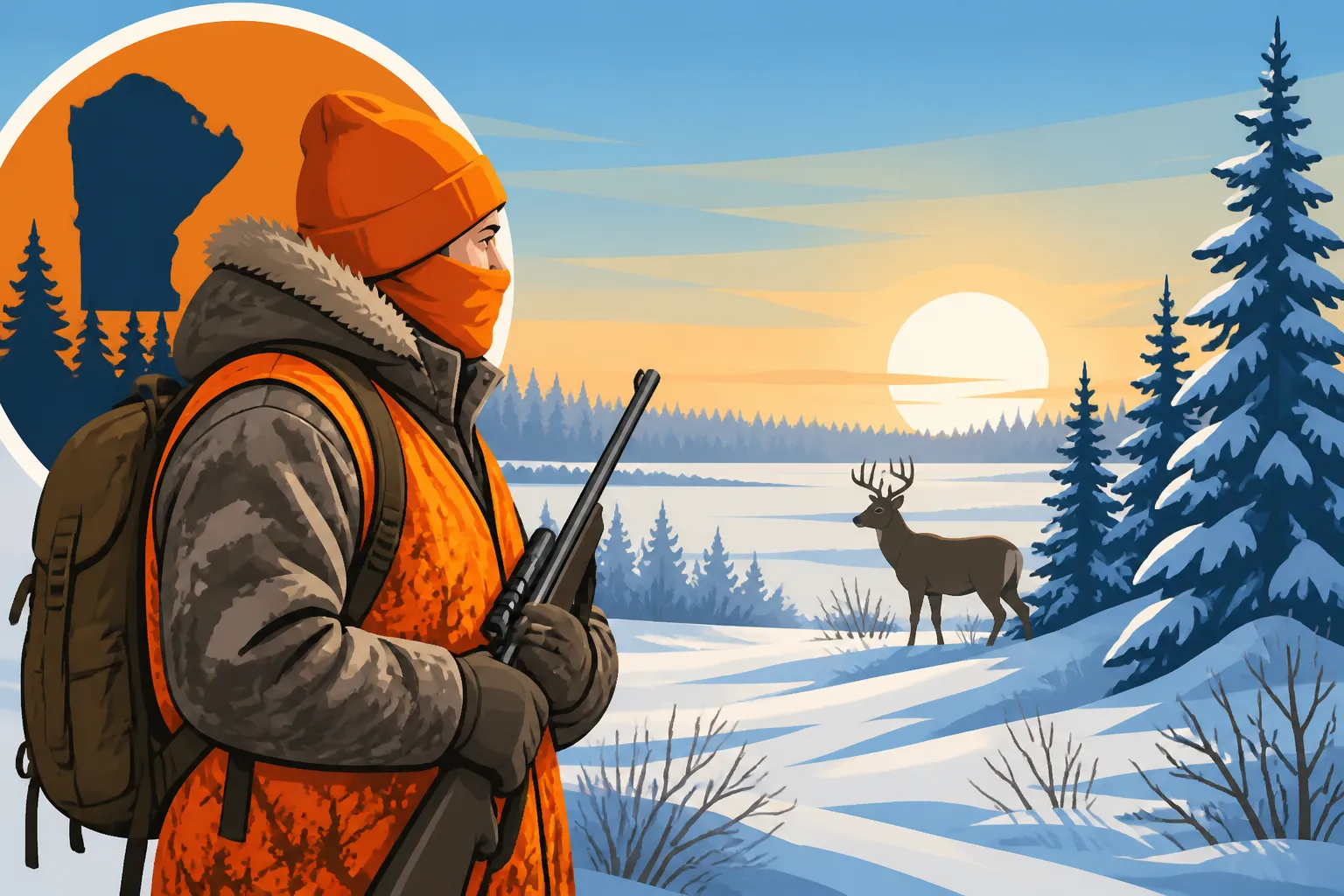
There's a unique allure to hunting Manitoba's deep winter, with fresh snow covering the landscape and the promise of a big buck moving through the crisp air. But that serene beauty can quickly turn treacherous if you're not prepared for the brutal cold, wind, and sudden changes that define our northern winters. This comprehensive guide will walk you through everything you need to know to stay warm, safe, and effective when the temperatures plummet, ensuring your winter hunt is memorable for all the right reasons.
Understanding Manitoba's Winter Conditions
Manitoba winters aren't just cold; they're aggressively cold. We're talking about temperatures that can drop so low, your snot freezes in your nose and your breath crystallizes on your beard. It’s a completely different beast than a crisp fall morning, and underestimating it is a common, and dangerous, mistake. Hunters who typically only venture out in October or November often find themselves utterly unprepared for the realities of December and January hunting in our province.
The Reality of Northern Prairies and Boreal Forest
Whether you're stalking whitetails in the aspen parkland or hoping for a late-season moose in the vast boreal forest, the landscape amplifies the cold. Open prairie offers no shelter from the relentless wind, turning even moderately cold temperatures into an unbearable chill. In the thick bush, while you might be shielded from the wind, the cold seems to settle deeper, clinging to the dense tree cover and creating pockets of frigid air that can drain your body heat without you even realizing it. Knowing your chosen hunting grounds intimately becomes even more critical when every exposed piece of skin is at risk.
The sheer scale of Manitoba's wild spaces also means help can be a long way off. Cell service is spotty at best in many prime hunting areas, and even if you can get a signal, emergency services might be hours away due to impassable roads or remote locations. This isn't like hunting a woodlot near a highway; this is true wilderness, and your self-sufficiency is paramount. Factor in the shorter daylight hours, meaning more time in darkness, and the potential for getting disoriented or suffering an unexpected incident dramatically increases.
Wind Chill and Its Deceptive Danger
It's one thing to see the thermometer read -20°C, but when the wind kicks up, that "feels like" temperature can plummet to -35°C or even -40°C. Wind chill isn't just uncomfortable; it rapidly accelerates heat loss from exposed skin, leading to frostbite in mere minutes. What might feel like a tolerable breeze on a milder day becomes a weaponized assault on your body in deep winter. Many hunters focus solely on the ambient temperature, but ignoring the wind forecast is a recipe for disaster.
Understanding how wind chill impacts your hunt is vital. A blind that offers excellent concealment in the fall might be a death trap in a howling northerly wind in January. Even walking through light cover, the wind can penetrate multiple layers of clothing, wicking away warmth. Always check the wind chill forecast, not just the temperature. When that number starts hitting dangerous lows, it's a clear signal to rethink your plans, adjust your gear, or consider a different approach like a fully enclosed, heated blind if you intend on Sitting All Day in a Manitoba Blind.
Rapid Weather Shifts and Extreme Temperature Drops
Manitoba weather is notoriously fickle. You can wake up to a relatively mild -10°C morning with light snow, and by afternoon, a cold front can roll in, dropping temperatures by 15-20 degrees, bringing strong winds and heavy snowfall. These rapid changes aren't just inconvenient; they can be life-threatening. A sunny, calm morning can lull you into a false sense of security, leading you to shed layers or venture further than you should.
Always assume the weather will get worse, not better. What starts as a tolerable day can quickly devolve into blizzard conditions or extreme cold snaps. This means always carrying more gear than you think you'll need, having a backup plan, and being ready to abandon your hunt if conditions deteriorate past a safe point. Even a few hours of unexpected extreme cold or heavy snow can make trails impassable, turn an exposed stand into a hypothermia risk, and drastically reduce visibility, making navigation incredibly difficult.
Essential Gear for Extreme Cold Hunting
When the mercury dips below zero, your gear stops being about comfort and starts being about survival. Every item you bring needs to serve a purpose in protecting you from the elements. Skimping on quality or quantity here isn't just frugal; it's foolish. Think of your clothing and equipment as your first line of defense against the unforgiving cold that characterizes a Manitoba winter hunt.
The Layering System: Foundation of Warmth
The key to staying warm isn't just one big, bulky coat; it's a strategic system of layers that trap warm air and allow you to regulate your body temperature. This flexibility is crucial when you might be hiking strenuously one moment and sitting perfectly still on a stand the next. A good layering system starts next to your skin and builds outward.
Firstly, a high-quality base layer made of merino wool or synthetic materials is non-negotiable. It wicks moisture away from your skin, which is critical because dampness will steal your body heat rapidly. Avoid cotton at all costs; once wet, it loses all insulating properties. Over your base, add an insulating mid-layer like a fleece jacket or a down vest. This is your primary heat trap. Finally, an outer shell that is both windproof and waterproof is essential to protect against the biting wind and any unexpected precipitation. This shell should be roomy enough to accommodate your inner layers without compressing them, which would reduce their insulating power. For more specific guidance on selecting clothing, check out Dressing for Manitoba's November Cold.
Protecting Your Extremities: Head, Hands, and Feet
Your head, hands, and feet are often the first parts of your body to suffer from cold exposure, and they're also where a significant amount of heat is lost. Protecting them requires specialized gear. For your head, a warm toque or balaclava that covers your ears and neck is vital. Many hunters even opt for insulated hoods on their outer jackets for an extra layer of protection against the wind.
For hands, a layering approach works best here too. Thin wool or synthetic gloves can be worn for dexterity, with larger, insulated mittens or "shooting mitts" worn over them when sitting still. Mittens generally keep your hands warmer than gloves because your fingers share warmth. Pay attention to Boots for Sitting Still in Deep Cold – this isn't just about insulation, but also keeping them dry and slightly oversized to allow for air circulation and thick wool socks. Many hunters use chemical hand and foot warmers to supplement their boots and gloves, especially when Hunting Whitetails at Thirty Below.
Critical Survival and Emergency Items
Beyond your hunting gear, a dedicated survival kit is non-negotiable for deep winter hunts. This isn't extra weight; it's insurance. Think about items that can generate heat, signal for help, and sustain you if you're unexpectedly delayed. A reliable fire starter (waterproof matches, lighter, ferro rod), a small but sturdy knife, and a headlamp with extra batteries are absolute must-haves. Even if you're using a GoHunt GPS app, always carry a physical map and compass, and know how to use them, as cold can drain electronics quickly.
Include a high-energy emergency food supply (nuts, energy bars, hard candy), a metal cup for melting snow for water, and a small first-aid kit specifically stocked for cold-related injuries like frostbite. A whistle for signaling, a reflective emergency blanket or bivy sack, and a fully charged power bank for your phone are also crucial. Remember, in deep winter, even a minor injury or getting turned around can quickly become a life-threatening situation if you're not equipped to handle a forced overnight stay. A proper Winter Truck Kit for a Manitoba Hunt is also essential, even if you only plan on a day hunt.
Strategies for Staying Warm and Safe in the Field
Having the right gear is only half the battle; knowing how to use it effectively and adapting your hunting strategy to the cold are equally important. Deep winter hunting demands a different mindset and approach than milder seasons, focusing on conservation of body heat and constant awareness of your physical state.
Active Warmth Management and Movement
Sitting motionless for hours in freezing temperatures is incredibly difficult, which is why active warmth management is crucial. Before you even head out, ensure you've had a warm, high-calorie meal to fuel your internal furnace. While hunting, avoid excessive sweating during periods of exertion, as moisture against your skin will quickly make you cold when you stop moving. If you're walking in, dress lightly, carry your heavier outer layers, and put them on once you reach your stand.
When you're sitting, move your fingers and toes periodically, gently flexing your muscles to keep blood flowing. Stand up and do a few jumping jacks if your situation allows for it, or simply shift your weight and stretch. If you start to feel a deep chill setting in, don't ignore it. Get up, move around, and generate some internal heat. Don't be afraid to take a short walk or even head back to the truck for a warm-up if you feel yourself getting too cold. Your hunt is not worth risking hypothermia. These active strategies are key to Staying Warm in a Manitoba Stand.
Nutrition, Hydration, and Calorie Intake
Your body burns an incredible amount of calories just to stay warm in deep cold, so proper nutrition and hydration are critical. You need to consume more calories than usual, focusing on fats and complex carbohydrates for sustained energy. Pack easily accessible, high-energy snacks like trail mix, nuts, cheese, and chocolate. Hot drinks, carried in an insulated thermos, are not just comforting; they provide internal warmth and help maintain hydration.
It’s easy to forget to drink water in the cold because you don't feel as thirsty, but dehydration is still a major risk and impairs your body's ability to regulate temperature. Bring water bottles inside your coat to prevent them from freezing. Consider bringing a small stove to melt snow if you're out for an extended period, but remember that directly eating snow uses a lot of body heat. Proper fuel is essential for your body's furnace; if you're running on empty, you'll get cold fast.
Maintaining Communication and Buddy System Importance
No matter how experienced you are, hunting alone in deep winter can be incredibly risky. A sprained ankle, a sudden fall, or even a weapon malfunction can leave you in a dire situation with no way to call for help. The buddy system is highly recommended for late-season hunts. Having another person with you not only provides immediate assistance in an emergency but also offers an extra set of eyes and ears for spotting game and identifying potential dangers.
If hunting alone is your only option, ensure you tell multiple people exactly where you're going, your planned route, and when you expect to return. Stick to that plan. Carry a fully charged cell phone (kept warm, close to your body) and consider a satellite communication device like an inReach or Spot device if you're venturing into areas with no cell service. These devices, often used by GoHunt users for tracking and communication, can literally be a lifesaver, allowing you to send emergency messages or check in with loved ones, even when far off the grid.
Recognizing and Preventing Cold Weather Emergencies
Ignoring the warning signs of cold-related injuries is a path to serious trouble. Our bodies give us signals, but in the excitement of a hunt or through sheer stubbornness, it's easy to dismiss them until it’s too late. Being educated on the symptoms and knowing what to do immediately is crucial for your safety and the safety of your hunting partners.
Identifying Hypothermia and Frostbite Symptoms
Hypothermia occurs when your body loses heat faster than it can produce it, leading to a dangerously low core body temperature. Early symptoms include shivering, confusion, slurred speech, clumsiness, and apathy. As it progresses, shivering may stop, and the victim might become irrational, removing clothing, or even falling unconscious. Frostbite, on the other hand, is the freezing of body tissue. It often affects extremities like fingers, toes, ears, and the nose. Initial symptoms include numbness, tingling, and a waxy, pale, or grayish skin appearance. Deep frostbite can cause hard, cold, and insensitive skin, which can lead to tissue damage and even amputation.
| Injury | Early Symptoms | Advanced Symptoms | First Aid Steps (Immediate) |
|---|---|---|---|
| Hypothermia | Shivering, clumsiness, confusion, slurred speech | No shivering, irrationality, unconsciousness, weak pulse | Get to shelter, remove wet clothing, provide dry layers, warm drinks, share body heat. |
| Frostbite | Numbness, tingling, pale/waxy skin, cold sensation | Hard, cold, insensitive skin, blisters, blackening tissue | Get to warmth, gently rewarm only if no refreezing risk, do not rub, protect injured area. |
Recognizing these symptoms in yourself or your hunting partner demands immediate action. Self-awareness is key; regularly check your fingers, toes, and face for numbness. A quick check of your buddy's alertness or how they're handling their gear can also be an early indicator. Don't push through discomfort; it's your body's way of telling you something is wrong.
Immediate First Aid and Self-Rescue Techniques
If you suspect hypothermia or frostbite, the first step is to get the affected person out of the cold and wind immediately. For hypothermia, remove any wet clothing and replace it with dry, warm layers. Wrap them in blankets, sleeping bags, or an emergency bivy sack. Offer warm, sugary drinks (avoid alcohol or caffeine). If available, apply warm (not hot) compresses to the neck, chest, and groin areas. For mild cases, sharing body heat can be effective by skin-to-skin contact under blankets.
For frostbite, move to a warm, sheltered area. Crucially, do not rub the affected area, as this can cause further tissue damage. Do not attempt to rewarm the affected area if there's any chance it might refreeze before reaching medical attention, as refreezing causes more severe damage. If rewarming is safe, immerse the area in warm (not hot) water (around 38-40°C or 100-104°F) for 20-30 minutes, or until the skin is soft and sensation returns. Seek medical help immediately for any severe cold injury. Always have a plan for egress and communication in case of an emergency.
When to Call for Help: Signals and Protocols
Knowing when to call for help is just as important as knowing how to administer first aid. If someone is suffering from moderate to severe hypothermia, deep frostbite, or any injury that prevents them from moving or self-rescuing, it's time to activate emergency protocols. This might be calling 911 (if you have service), using a satellite messenger to contact emergency services, or using pre-arranged signaling methods with your hunting party.
Clearly communicate your location, the nature of the emergency, and the condition of the injured person. Be prepared to wait, as response times in remote Manitoba winter conditions can be lengthy. Have visible markers ready, like brightly colored clothing or signaling mirrors, to help rescuers locate you. Remember, prevention is always the best strategy. Don't put yourself in a position where calling for help becomes your only option. Your safety is paramount, and a successful hunt means returning home in one piece.
Vehicle and Travel Safety in Deep Winter
Getting to and from your hunting spot in Manitoba's winter can be as hazardous as the hunt itself. Icy roads, heavy snow, and limited visibility are common obstacles. Many a hunt has been cut short, or worse, turned into a roadside emergency, because hunters neglected their vehicle preparedness or underestimated the driving conditions.
Preparing Your Vehicle for Manitoba's Harsh Winters
Your vehicle is often your lifeline in winter hunting, so it needs to be meticulously prepared. Start with a full service: check your battery (cold saps power), ensure your antifreeze is rated for extreme cold, and have your heating system in top shape. Winter tires, not just all-seasons, are highly recommended for better traction on snow and ice. Carry a full-sized spare tire, a jack, and a lug wrench, and make sure they are accessible even with snow and ice buildup.
Beyond basic maintenance, equip your vehicle with a comprehensive Winter Truck Kit for a Manitoba Hunt. This should include booster cables, a sturdy tow rope, a shovel, sand or kitty litter for traction, a headlamp, warm blankets, extra warm clothing, emergency food and water, and a fully charged cell phone and power bank. A small stove for melting snow or heating water can also be a lifesaver. Ensure your fuel tank is always at least half full to prevent fuel line freezing and to provide a source of heat if you get stranded.
Navigating Icy Roads and Drifting Snow
Driving on Manitoba's winter roads requires extreme caution and a significant change in driving habits. Icy patches, often invisible ("black ice"), are a constant threat, especially on bridges, overpasses, and shaded areas. Reduce your speed significantly, increase your following distance, and avoid sudden braking or steering. Anticipate stops and turns, and brake gently.
Heavy snowfall and drifting snow can rapidly reduce visibility to near zero and make roads impassable. Pay close attention to road closures and weather advisories before you leave. If you encounter whiteout conditions or roads covered in deep drifts, it's often safer to pull over to a safe location and wait it out, rather than risk getting stuck or having an accident. Be especially wary of remote gravel roads or trails into Crown Land; these are often unmaintained and can become completely impassable after even moderate snowfall, as indicated by When Gravel Roads Drift Shut.
What to Do When You Get Stuck or Stranded
Getting stuck in the bush or on a remote road in deep winter is a serious situation. Your immediate priority is staying warm and signaling for help. If you're stuck, try to free your vehicle using your shovel, sand, or traction mats. If unsuccessful, or if conditions are too severe to work outside, stay with your vehicle. It provides the best shelter and is easier for rescuers to spot than a lone individual.
Run your engine intermittently for heat, cracking a window slightly to prevent carbon monoxide buildup. Conserve fuel. Use your emergency kit: put on extra layers, eat high-energy food, and stay hydrated by melting snow (if safe). Signal for help using your vehicle's lights, a whistle, or a satellite communicator. If you have no other options, and it's a known route, you might consider walking for help, but only if you are absolutely certain of the distance, have proper survival gear, and it's a last resort. Otherwise, What to Do If You Get Stuck in the Bush always leans towards staying put and waiting for rescue.
Post-Harvest Care and Contingency Planning
The hunt doesn't end when the shot is fired, especially in deep winter. Proper care of your harvested animal is crucial, and having contingency plans for unexpected events will save you a lot of grief and ensure your hard-earned meat doesn't go to waste.
Proper Game Care in Sub-Zero Temperatures
In deep winter, the cold can be both a blessing and a curse for game care. It's a blessing because it rapidly chills the carcass, preventing spoilage. However, it can also make field dressing and quartering incredibly difficult and painful if you're not prepared. Your hands will get cold quickly, and tools can become brittle. Ensure you have sharp knives, a game bag or tarp, and plenty of light.
The priority is to field dress the animal as quickly as possible to remove internal organs and allow the body cavity to cool down. While freezing is good, rapid freezing of the outer layers while the core remains warm can lead to souring. Prop the cavity open with a stick or two. If temperatures are truly extreme, like Hunting Whitetails at Thirty Below, you might need to protect exposed muscle from freezing too quickly and forming a crust that seals in residual heat. Always check Meat Care in Manitoba's Cold Snaps for detailed guidance. Once dressed, protect the meat from snow, dirt, and scavengers.
Dealing with Equipment Failures Far from Home
Equipment failure in the cold is not just frustrating; it can be dangerous. Batteries in electronics die quickly, plastics can become brittle and break, and moving parts can seize up with ice. Always carry backup gear for critical items: extra batteries for your headlamp, a spare compass, and a backup fire starter. Carry a basic repair kit that might include duct tape, zip ties, and a multi-tool.
Even your rifle or bow can be affected. Cold can stiffen trigger mechanisms, affect optics, and even impact ammunition performance. Practice shooting in cold weather if possible. If a vehicle breaks down, refer back to your vehicle emergency kit. The further you are from home, the more comprehensive your backup plans need to be. Having a GoHunt subscription for offline maps can be a lifesaver if your primary GPS fails or loses signal, but it won't help if your phone battery dies completely. Always assume something will fail, and plan for it.
Knowing Your Limits and Calling It Quits
Perhaps the most critical safety strategy in deep winter hunting is knowing your own limits and having the discipline to call it quits when conditions become too dangerous or you're simply too cold to continue safely. There's no shame in ending a hunt early. A trophy animal is never worth risking hypothermia, frostbite, or getting stranded. Be honest with yourself about your physical condition, your gear's capabilities, and the rapidly changing weather.
If you're constantly shivering, losing dexterity in your fingers, or feeling mentally foggy, it's time to pack up. If heavy snow starts falling, visibility drops, or the wind chill becomes unbearable, re-evaluate. The woods will always be there, and another hunting day will come. Making the responsible decision to prioritize your safety ensures you'll be around to hunt another day, perhaps on Hunting the Late December Season next year, with even more experience under your belt.
Disclaimer
The information provided in this guide is for general informational purposes only and does not constitute professional advice. Hunting is an inherently risky activity, and winter hunting in Manitoba presents unique dangers. Always consult the latest Manitoba hunting regulations, acquire the necessary licenses, and prioritize safety above all else. Proper training, experience, and preparation are essential.