Field Dressing in Manitoba’s Deep Cold
There's nothing quite like the rush of successfully harvesting an animal in Manitoba's breathtaking winter landscape. But that exhilaration can quickly turn to a daunting challenge when you realize you need to perform the essential task of field dressing in truly frigid temperatures. Trying to work with numb fingers, slippery blood, and rapidly freezing internal organs is a struggle many hunters face. This guide will walk you through the specifics of field dressing an animal when the mercury plummets, ensuring your hard-earned meat is cared for properly, even when Manitoba's deep cold sets in.
The Unique Challenges of Field Dressing in Extreme Manitoba Cold
Field dressing is never a "fun" part of the hunt, but in Manitoba's deep winter, it takes on a whole new level of difficulty. The conditions aren't just uncomfortable; they actively work against you, demanding a different approach and heightened awareness.
Frozen Hands and Fumbled Tools
Picture this: you've just brought down a magnificent whitetail buck in a crisp November morning. The air bites at your exposed skin, and your adrenaline is still pumping. You reach for your knife, and already, your fingers feel like clumsy sausages. This isn't just an inconvenience; it's a serious hazard. When your hands lose their dexterity due to extreme cold, what would normally be a precise, controlled action can become a fumbling mess. Trying to make delicate cuts around organs or severing the windpipe with numb fingers increases the risk of slipping and cutting yourself, or worse, damaging the meat you've worked so hard to acquire.
The frustration is real when you can't properly grip your knife or the animal's hide. Your fine motor skills diminish rapidly, making simple tasks like unzipping your game bag or even holding your flashlight steady feel impossible. It's easy to get flustered, leading to rushed work and potential mistakes. Many hunters have experienced the agony of dropping a vital tool into the snow, only to have it disappear instantly, or finding that their knife handle is too cold to comfortably hold for an extended period. This all points to the critical need for proper preparation and the right gear, which we'll delve into shortly.
Beyond the immediate risk of injury, fumbled tools and numb hands significantly slow down the field dressing process. Speed is always a factor in meat care, but never more so than in freezing conditions. The longer you take, the more exposed your hands and body are to the cold, and the more time the carcass has to start freezing in ways that might complicate later steps. It’s a vicious cycle that can quickly turn a successful hunt into a miserable, and potentially dangerous, experience.
Rapid Cooling and Internal Organ Freezing
While rapid cooling of a carcass is generally a good thing for meat preservation, extreme cold can pose a unique problem: organs freezing before they can be effectively removed. Imagine trying to separate a liver that's starting to adhere to the diaphragm due to ice crystals, or trying to pull a gut pile that's stiffening into a frozen block. This makes the job significantly harder and can increase the chances of rupturing organs, which you absolutely want to avoid to keep the meat clean.
The body cavity of a freshly harvested animal retains a surprising amount of warmth. Even when it's well below freezing outside, the internal temperature will be close to the animal's living body temperature. As you open the cavity, that heat escapes, and the extreme ambient temperature begins to chill the internal organs. If you're not quick and efficient, especially with larger animals like moose or a hefty whitetail, the surface of the organs can begin to freeze, sticking to the cavity walls or to each other. This is particularly problematic in areas like Manitoba, where temperatures can routinely drop to 20 or 30 below Celsius.
Despite the challenges, quick and thorough organ removal remains paramount. The longer the organs stay inside, especially the stomach and intestines, the higher the risk of bacteria growth and off-flavors permeating the meat. In freezing conditions, while bacterial growth might be slowed on the surface, the core of the gut pile will still be warm for a surprising amount of time. You need to get that heat out and get those organs out cleanly. Any delays or complications caused by freezing organs will compromise your meat quality, and after all the effort of hunting Manitoba's November whitetail rut, you don't want to waste a single pound.
Essential Gear for Cold Weather Field Dressing
Proper preparation for field dressing in Manitoba's deep cold starts with the right gear. Skimping here isn't just uncomfortable; it can be downright dangerous and can compromise your meat.
Specialized Knives and Sharpening Tools
When you're out there in the biting wind, a dull knife is your absolute worst enemy. In frigid temperatures, a sharp blade is paramount for making clean, efficient cuts through hide, muscle, and cartilage, especially if some parts are stiffening from the cold. For cold weather, a fixed-blade knife with a comfortable, non-slip handle is generally preferred over a folding knife. Folding knives can be difficult to open and close with numb fingers, and their locking mechanisms can sometimes freeze or become sluggish. Look for a knife made from high-quality stainless steel, as it resists corrosion better and will hold an edge longer, even in damp, snowy conditions. Some hunters also prefer a gut hook on their knife for safely opening the hide without puncturing internal organs.
Carrying a reliable sharpening tool is just as crucial as having a good knife. A small, portable sharpener – perhaps a ceramic stick, a diamond sharpening stone, or a compact pull-through sharpener – should always be in your pack. There's nothing worse than starting a field dress only to realize your blade is dragging, especially when every second counts in the cold. It’s a good practice to touch up your blade before you even head out, but having the ability to do a quick sharpen on the spot can save you a lot of grief. Some hunters even keep a small piece of leather strop with them for a quick edge refinement.
One often-overlooked tip for cold-weather knife use is to keep your primary field dressing knife tucked inside your jacket, close to your body, before you start the task. This helps keep the handle warmer and prevents the metal from becoming painfully cold to the touch. It also ensures the blade is less brittle from extreme cold, which can happen with certain steel types. While the blade itself will cool rapidly once exposed, starting with a warmer tool can significantly improve comfort and control, making the task less arduous. Remember, when you're hunting whitetails at thirty below, every little bit of comfort and efficiency helps.
Protective Clothing and Handwear
Dressing for warmth and dexterity is a delicate balance when field dressing in extreme cold. You need layers that protect you from the elements without turning you into a frozen, immobile block. Start with a good moisture-wicking base layer, followed by insulating mid-layers. Your outer shell should be waterproof and windproof, as you'll likely be kneeling or lying in the snow. Consider bringing a dedicated, insulated kneeling pad, as direct contact with the frozen ground will quickly leach heat from your body.
When it comes to handwear, this is where many hunters struggle. You need gloves that offer both warmth and enough dexterity to handle a knife safely. A common strategy is a multi-layer approach: thin, form-fitting wool or synthetic liner gloves for the initial cuts, providing some warmth and tactile feel. Over these, you can wear a waterproof, insulated outer glove or mitten. When the finer work is needed, you can shed the outer layer temporarily, relying on the liners. Some specialized hunting gloves have a fold-back finger or thumb design, allowing for better feel without completely exposing your hands. It's also wise to have a few chemical hand warmers tucked into your pockets or gloves for quick rewarming.
Beyond gloves, consider waterproof pants or a full bib, especially if you anticipate kneeling or sitting in snow. A good hat that covers your ears and a neck gaiter or balaclava are also non-negotiable, as a significant amount of body heat is lost through the head and neck. And don't forget a bright, reliable headlamp, even if you expect to be done before dark. Winter days are short in Manitoba, and you might find yourself still working on an animal as dusk settles. Having good light free-up your hands is invaluable when the conditions are challenging.
Carcass Handling and Transport Aids
Once your animal is field dressed, the next challenge is getting it out of the bush and back to camp or home. In deep snow or over frozen ground, this can be incredibly difficult, especially with large game like moose or a heavy deer. A sturdy game drag or sled can be a lifesaver. Simple rope drags work for smaller deer, but for bigger animals or longer distances, a purpose-built game sled, often made of durable plastic, can make the task much more manageable, allowing you to slide the carcass over snow and obstacles with less friction. If you're fortunate enough to be getting a moose out with a quad, ensure your ATV or UTV is equipped for winter conditions and that you know the rules for operating it on Crown land.
Game bags are absolutely essential, regardless of the temperature, but perhaps even more so in winter. Once the animal is field dressed, these breathable cloth bags protect the meat from dirt, snow, insects (though less of an issue in deep cold), and scavengers. They also help keep the meat clean during transport. Cover all exposed meat with good quality game bags to prevent it from drying out or freezing solid on the exterior before you want it to.
Finally, don't underestimate the utility of simple tarps and additional rope. A large tarp can be used to lay the animal on during field dressing, keeping it clean and off the snow, or to wrap it for transport to protect it from road grime or exhaust fumes. Extra rope can secure the animal to a sled, ATV, or vehicle rack. Remember that surfaces can be extremely slippery in the cold, so having good grip and securing your load properly is crucial when you're getting a deer out on a frozen trail.
Here’s a quick overview of essential gear:
| Item | Description | Why it's Critical in Cold |
|---|---|---|
| Fixed-Blade Knife | Sharp, high-quality stainless steel, non-slip handle | Clean cuts, won't freeze/clog |
| Portable Sharpener | Ceramic stick, diamond stone, or pull-through | Maintain razor edge in field |
| Layered Gloves | Thin liners + insulated/waterproof outer shell, or convertible mitts | Dexterity + warmth combo |
| Waterproof Outerwear | Bibs/pants, jacket, hat, neck gaiter | Stay dry & prevent heat loss |
| Kneeling Pad | Insulated foam or mat | Prevents heat loss from ground |
| Headlamp | Bright, reliable, with spare batteries | Essential for short winter days |
| Game Bags | Breathable cloth, sufficient size for carcass | Protect meat from elements/dirt |
| Game Drag/Sled | Rope drag or plastic sled | Easier transport over snow/ice |
| Tarp/Rope | Large tarp for cleanliness, extra rope for securing | Protection, securing load |
| Hand Warmers | Chemical packets | Quick hand rewarming |
Step-by-Step Field Dressing in Sub-Zero Conditions
The basic steps of field dressing remain the same, but in deep cold, how you execute each step needs careful consideration. Efficiency, cleanliness, and speed are key.
Initial Preparation and Safety First
Before you even make the first cut, take a moment to properly prepare the scene. First, secure your animal. Position it on its back, ideally with its legs splayed to keep the belly cavity open and accessible. If you're alone with a large animal, this might involve using a rock or log to prop one side. Ensure the animal won't shift unexpectedly while you're working. Clear away any deep snow or debris from around the animal to create a relatively clean working surface. This is critical in preventing dirt, leaves, or snow from contaminating the meat.
Next, and crucially, put on your protective gear, especially your gloves. Even if your hands feel warm initially, the moment you start handling the cold carcass and organs, that warmth will dissipate rapidly. Ensure your headlamp is on and adjusted if light is fading. Take a moment to check your surroundings. Is there any ice you could slip on? Are your tools laid out logically so you don't have to fumble for them? Safety is paramount, especially when working with sharp knives in slick, cold conditions.
A few extra seconds spent on preparation can save you a lot of time and potential hazards down the line. Make sure your primary gutting knife is easily accessible, perhaps even tucked into a warm inner pocket. If you have a partner, communicate clearly about who is doing what and ensure you're both aware of each other's movements, especially around sharp objects. Being deliberate and methodical, even when your body is urging you to rush to get warm, is the hallmark of a successful cold-weather field dress.
The Evisceration Process Manitoba Winter Edition
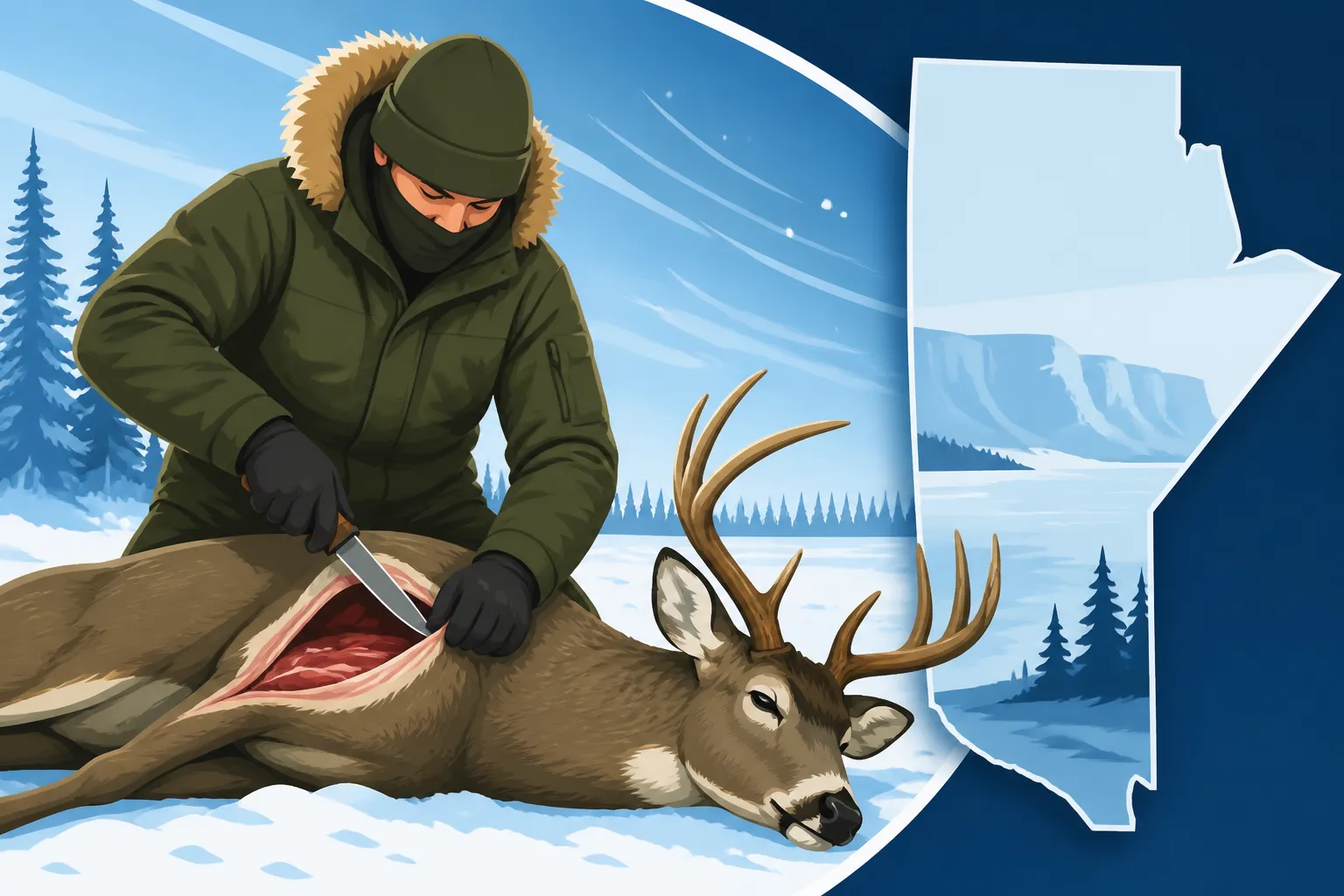
With preparations complete, it's time to begin. Start with the initial cut, typically from the sternum down to the pelvis. With your knife, carefully make a shallow cut through the hide, being extremely cautious not to puncture the intestines. Once through the hide, insert two fingers into the cut, using them to lift the hide as you continue cutting with the blade between your fingers. This protects the internal organs. Some hunters prefer a gut hook here, as it minimizes the risk of punctures, especially if the hide is stiff or icy.
Next, you need to free the rectum. Carefully cut around the anus, making a full circle to detach it from the surrounding tissue. Tie off the rectum with a piece of string or a zip tie if you have one, or simply pull it free into the pelvic cavity to prevent fecal contamination as you roll out the gut pile. Don't rush this step, as contamination can quickly ruin otherwise perfect meat. For a larger animal, you might need to carefully sever the pelvic bone to gain better access, though this is less common for deer.
Now, you'll need to open the chest cavity. This often involves cutting through the diaphragm, the membrane separating the chest and abdominal cavities. Once that's done, reach deep into the chest cavity, past the lungs and heart, to sever the windpipe and esophagus as high up as possible. This can be tricky with numb fingers and limited visibility. Once these are cut, you can start to roll out the entire gut pile. Gravity is your friend here – let the organs spill out cleanly onto your tarp or clear snow. As you remove the organs, quickly inspect them for any abnormalities. In Manitoba, especially in certain GHAs, you might be required to submit a CWD sample, so know where to find the lymph nodes for that process, even in the cold. Manitoba's CWD sampling requirements are important to understand before you head out.
Post-Evisceration Care and Cooling Considerations
Once the organs are removed, your work isn't done. The immediate goal is to clean the cavity and facilitate rapid cooling. First, use a clean cloth or paper towel to wipe out any blood or debris from the body cavity. Do not use water in deep freezing conditions; any moisture introduced will quickly freeze, creating a messy layer of ice and potentially compromising the meat. A dry wipe is sufficient. Remove any excess fat or tallow that might retain heat.
Next, you need to ensure the cavity can cool effectively. Prop open the body cavity using sticks, tent poles, or even just leaving the legs splayed wide. This allows cold air to circulate freely and cool the meat evenly. The extreme cold will work quickly to drop the carcass temperature. While rapid cooling is good, you need to be aware of surface freezing. If the exterior freezes too quickly while the interior is still warm, it can create an insulating layer, trapping heat inside and potentially leading to sour meat. Ideally, you want the meat to cool down slowly to just above freezing, then gradually freeze. In Manitoba's deep winter, this often means the carcass will freeze solid within hours.
After cleaning and propping, immediately cover the entire carcass, especially the open cavity, with good quality game bags. This protects the meat from blowing snow, dirt, and any curious scavengers that might be in the area. The bags also provide a layer of protection during transport. If you anticipate a long haul back to the vehicle or if you're leaving the animal overnight in the bush (which isn't ideal but sometimes necessary), ensure the carcass is elevated off the snow using logs to prevent freezing directly to the ground and allowing air circulation underneath. Protecting the meat from the elements is just as important as the field dressing itself.
Common Pitfalls and Troubleshooting in Extreme Cold
Even with the best preparation, Manitoba's deep cold can throw unexpected wrenches into your field dressing plans. Knowing how to anticipate and troubleshoot these issues can save your hunt.
Dealing with Frozen Fluids and Adhered Organs
One of the most frustrating aspects of field dressing in sub-zero temperatures is encountering frozen fluids or organs that have started to adhere to the cavity walls. Blood can freeze surprisingly quickly, turning what would normally be a liquid mess into an icy slush that complicates cleaning. More critically, the thin membranes holding organs in place can become brittle and stick to the interior of the chest and abdominal cavities. Imagine trying to pull out the liver or kidneys, only to find them stubbornly glued by ice to the animal's backbone or diaphragm.
When faced with frozen fluids or sticky organs, patience is your best ally. Resist the urge to yank or tear, as this can rupture organs and contaminate the meat. Instead, use your knife to gently scrape and pry away any frozen adhesion. Work methodically and carefully. For larger animals, some hunters have found success in using a "warmer" gut hook or blade (perhaps one kept in an inner pocket) to slightly melt the icy connections, allowing for easier separation. This isn't about heating the meat, but simply using a warmer tool edge to break the frozen bond.
It's important to remember that the body cavity, especially in a large animal, will retain warmth for a surprising amount of time. While the surface of organs might begin to freeze, the deep interior will cool much more slowly. This means you have a window of opportunity to work quickly before widespread freezing occurs. However, once fluids do freeze, they can be incredibly difficult to manage. This reinforces the need for swift and efficient field dressing. Keeping the carcass elevated on a tarp, rather than directly on the snow, can also help prevent the underside from freezing solid and sticking to the ground.
Preventing Frostbite and Hypothermia
Hunting in Manitoba's deep winter means constantly battling the cold, and field dressing is a prime time for these risks to escalate. Your hands are exposed, you're often kneeling or sitting in the snow, and you're focused on the task, making it easy to forget how quickly frostbite or hypothermia can set in. Frostbite typically affects extremities first – fingers, toes, nose, ears – turning them pale, waxy, and numb. Hypothermia, a more serious condition, occurs when your body loses heat faster than it can produce it, leading to shivering, confusion, and impaired judgment.
To prevent these dangers, continuous self-monitoring and proactive measures are vital. Take regular breaks, even if short, to warm your hands and get your blood flowing. If you have a hunting partner, check on each other frequently; sometimes, you don't realize how cold you're getting until it's too late. Have warm drinks readily available in a thermos. Keep chemical hand and foot warmers in your pockets and gloves. Always ensure your layering system is robust, providing both insulation and freedom of movement. If you're sitting all day in a Manitoba blind, you know how quickly the cold can seep in, and field dressing only compounds that exposure.
Should you or a partner start to experience symptoms of frostbite or severe cold, stop immediately. Get into shelter – your vehicle if it's nearby, or even a makeshift windbreak. Change into dry clothes if your layers are damp from sweat or snow. Rewarm slowly, using body heat if necessary, and seek medical attention for anything beyond mild frost nip. In Manitoba's remote areas, having a winter truck kit for a Manitoba hunt that includes emergency blankets, extra warm clothes, and a way to make a fire can be a literal lifesaver. Never underestimate how quickly the cold can become a life-threatening adversary.
Meat Care and Transportation Back Home
Your hard work doesn't end once the field dressing is complete. Proper meat care during transport and before processing is just as important, especially in winter.
Protecting the Carcass During Transport
Once the animal is field dressed and bagged, the journey back to your vehicle and then home begins. This stage requires careful attention to protect your valuable meat. Secure the carcass firmly to your ATV, sled, or vehicle rack. Use plenty of rope or straps to prevent it from shifting, bouncing, or falling off, which could damage the meat or lead to contamination. A carcass sliding around in transit can suffer bruising and become dirty, negating all your careful field dressing efforts.
It's absolutely crucial to protect the meat from road grime, dust, and exhaust fumes during transport, especially if you're driving on gravel roads or for long distances. A large, durable tarp can be invaluable here. Wrap the bagged carcass completely in a tarp, ensuring no exposed meat. This acts as a barrier against dirt and prevents exhaust from permeating the meat, which can impart an unpleasant taste. If you're transporting the animal in the back of an open pickup truck, consider putting down a clean tarp on the truck bed first, then placing the wrapped carcass on top, securing it all down.
In deep cold, the meat will likely freeze solid during transport. This is generally a good thing for preservation but be mindful of how you handle a frozen carcass. It will be rigid and heavy, so extra care is needed to avoid dropping or breaking antlers. If the animal isn't completely frozen, try to keep it as cold as possible to prevent any thawing during transit, which could promote bacterial growth. For long drives, particularly if temperatures rise, consider packing snow or ice around the wrapped carcass if you can, though in Manitoba's winter, simply keeping it exposed to the frigid air is often sufficient.
Storage Before Processing
Once you've made it home with your harvested animal, proper storage before processing is the final critical step. In Manitoba's deep winter, you have the advantage of natural refrigeration. If the carcass is already frozen solid, it can be safely stored in a cold garage, unheated shed, or even outdoors if protected from scavengers and weather. The ideal temperature for storing a carcass before butchering is just above freezing, between 0°C and 4°C (32°F and 39°F). If it's much colder than that, the meat will freeze too hard, making it difficult to cut and potentially leading to "case hardening," where the outside freezes solid while the inside stays warmer, impacting quality.
If the carcass isn't completely frozen, you want to get it to that optimal temperature range quickly. Hang the animal in a well-ventilated, secure, and cold space, such as an unheated garage. Ensure there's good air circulation around it. Keep game bags on to protect against dirt and flies (though flies are rare in deep winter). Monitor the temperature with a thermometer. If outdoor temperatures fluctuate significantly, you might need to move the carcass indoors or out to maintain that ideal range. This is part of responsible meat care in Manitoba's cold snaps.
Finally, if you harvested the animal in an area designated for mandatory CWD sampling, make sure to follow through with those requirements. Even with a frozen carcass, samples can still be collected, but it's often easier if done before the meat freezes rock solid. Check the specific guidelines from Manitoba Sustainable Development for details on submitting your samples. Responsible storage ensures that your beautiful Manitoba game meat, whether it's a what a big Manitoba whitetail weighs or a smaller animal, will be in prime condition for the butcher block and ultimately, your dinner table.
Disclaimer
This guide is intended for informational purposes only and does not supersede official hunting regulations. Always consult the current Manitoba Hunting Guide and relevant provincial authorities for the most up-to-date rules, regulations, and safety requirements before engaging in any hunting activities.