Camping on Manitoba Crown Land
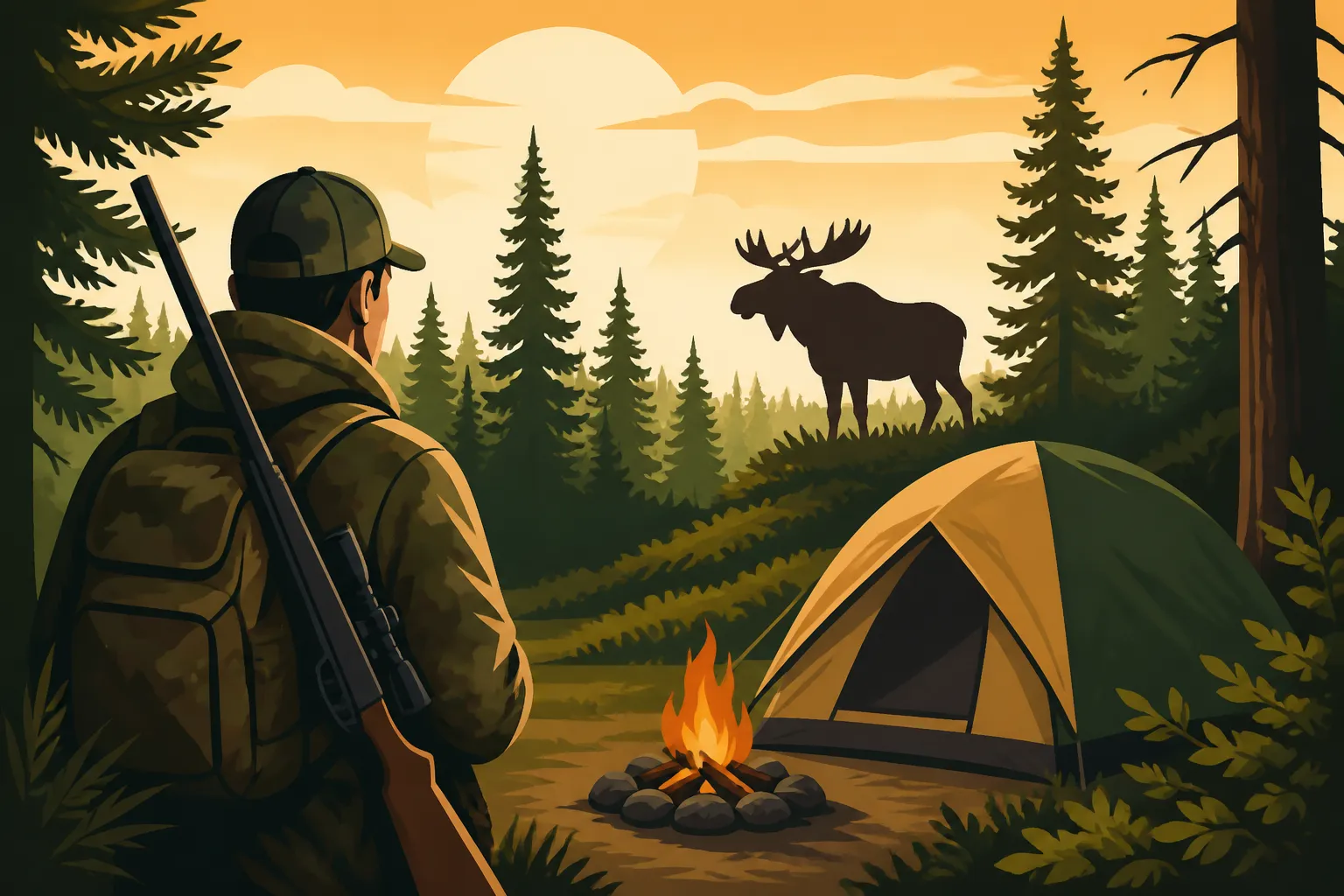
There’s something truly special about the idea of pitching a tent right in the heart of your hunting grounds, waking up to the sounds of the bush, and stepping out directly into the crisp Manitoba morning to pursue game. While the thought of hunting and camping on Manitoba’s vast Crown Land is incredibly appealing, it can also feel like a maze of rules and unknowns. This guide is here to untangle the complexities of camping on Manitoba Crown Land, giving you the confidence to plan your next backcountry hunting adventure, whether you're chasing whitetails in the parkland or moose in the boreal.
The Allure and Reality of Camping on Manitoba Crown Land
Manitoba offers an incredible expanse of public land, often referred to as Crown Land, that can feel like a hunter's paradise. It promises solitude, direct access to prime hunting areas, and an immersive outdoor experience that a trip to a campground just can't match. However, with that freedom comes a responsibility to understand the system and respect the land.
What Exactly is Crown Land?
Crown Land in Manitoba refers to land owned by the provincial government, held in trust for the public. It encompasses vast tracts of forest, prairie, wetland, and northern wilderness. Unlike private land, which is owned by individuals or corporations, or designated provincial parks with specific amenities and fees, much of Crown Land is generally open for public recreational use, including camping and hunting. For many hunters, this represents an incredible opportunity to get deep into game-rich areas without the constraints of private property boundaries or the competition of popular public access points.
The sheer scale of Manitoba's Crown Land is something truly awe-inspiring. From the rolling aspen parkland to the dense boreal forest and even the sparse northern tundra, these lands offer a mosaic of habitats for a wide variety of game species. The sense of freedom you get from knowing you can set up a basic camp almost anywhere (within reason) allows for incredible flexibility in your hunting strategy. It means you can follow game patterns, adapt to changing weather, or simply escape the crowds and find true wilderness solitude. For more on navigating these vast areas, check out Manitoba's Crown Land Access.
However, it's not simply a free-for-all. While the access is generally open, there are rules and considerations you need to be aware of. Misunderstanding these can lead to fines, frustrating encounters, or even unknowingly impacting the very wildlife you aim to pursue. It's about recognizing that this incredible resource is shared, and our actions as campers and hunters directly affect its health and accessibility for everyone.
Types of Crown Land and Their Nuances
Not all Crown Land is created equal, especially when it comes to camping and hunting regulations. Manitoba has several designations within its Crown Land system, and understanding the differences is key to a smooth and legal backcountry experience. The most common distinctions you’ll encounter are general Crown Land, Provincial Forests, and Wildlife Management Areas (WMAs). Each might have slightly different rules regarding activities like camping, vehicle use, and even hunting seasons or restrictions.
For example, Provincial Forests are designated areas managed for timber production, recreation, and wildlife habitat. While they are usually excellent for hunting and often permit dispersed camping, there might be specific guidelines about where you can camp or build fires, especially near active logging operations or popular recreational trails. Similarly, Wildlife Management Areas are established with the primary goal of wildlife conservation and habitat enhancement. These are fantastic places to hunt, but they sometimes have unique restrictions on vehicle access, overnight camping, or even specific hunting methods to protect vulnerable species or habitats. You can learn more about these areas in Manitoba Wildlife Management Area Rules.
Beyond these broad categories, it's also important to differentiate them from Provincial Parks. While Provincial Parks are also Crown Land, they typically have designated campgrounds, fee structures, and often stricter rules about where and how you can camp. Dispersed, "wilderness" camping within a Provincial Park usually requires a backcountry permit and comes with its own set of rules, often more restrictive than on general Crown Land. Always double-check the specific regulations for the area you plan to visit. Understanding these nuances is crucial for planning your trip, ensuring you're compliant with regulations, and respecting the intended purpose of each land designation. This includes knowing where you can drive your quad or side-by-side, which can be critical for accessing remote camp spots. Quad and Side-by-Side Rules on Crown Land delves deeper into those specific rules.
Navigating the Rules for Crown Land Camping
The freedom of Crown Land camping is immense, but it's not a free-for-all. There are specific guidelines designed to protect the environment, ensure public safety, and maintain access for everyone. Ignorance of these rules isn't an excuse, so taking the time to understand them before you head out is vital.
Understanding Permits, Fees, and Stay Limits
One of the big advantages of dispersed camping on general Crown Land in Manitoba is that, for casual, short-term stays, you typically don't need a specific camping permit or have to pay a fee, unlike in designated campgrounds or provincial parks. This makes it a cost-effective way to extend your hunting trips. However, "short-term" is the operative phrase here. You can't just set up a semi-permanent camp and leave it indefinitely. The general expectation is that you are actively using the site and will move on after a reasonable period, usually not exceeding 14 or 21 days in one spot, though this can vary. The intent is recreation, not residency.
It's absolutely critical to clarify the exact rules for the specific area you plan to visit, as regulations can change or be localized to certain regions or specific designations of Crown Land. The best practice is to consult the official provincial government website for natural resources or parks, or even call a local conservation office if you're unsure. While you might not need a permit to throw up a tent for a long weekend hunt, if you plan to leave a trailer or more substantial setup for an extended period, or if you're venturing into a less common area, a quick check can save a lot of headaches later.
The idea behind these stay limits is to prevent the overuse of specific sites, allowing the environment to recover, and ensuring that access remains open and equitable for all public land users. It also helps prevent issues like trash accumulation or illegal structures from popping up. Respecting these limits is part of being a responsible land user and helps maintain the "wild" character of these areas that we all cherish. Always remember to break down your camp fully and pack everything out when you leave, ensuring the next person finds a pristine spot.
Firewood, Campfires, and Safety
A crackling campfire is a quintessential part of any backcountry camping experience, especially after a long day of hunting. On Manitoba Crown Land, you are generally permitted to have campfires, provided you adhere to strict safety guidelines and respect any current fire bans. When it comes to firewood, the common rule is to use deadfall only – wood that has naturally fallen to the ground. This means no cutting down live trees or snapping off branches, even small ones. Live wood doesn't burn well anyway, and taking it harms the forest ecosystem.
However, the reality of fire safety in the wild cannot be overstated. Manitoba experiences periods of high fire risk, particularly in dry conditions or during late summer and early fall. During these times, complete fire bans can be put in place across broad regions or specific GHAs (Game Hunting Areas). It is your responsibility to check for current fire bans before heading out. A quick search online for "Manitoba fire restrictions" or "Manitoba wildfire updates" can often save you from a major infraction or, worse, starting a devastating blaze. Always have a shovel and a bucket of water near your fire, and ensure it is completely extinguished, cool to the touch, before you leave it, even for a short time.
The consequences of ignoring fire bans or practicing unsafe fire management are severe, ranging from hefty fines to being held liable for suppression costs if your fire escapes. More importantly, wildfires devastate habitats, displace wildlife, and pose serious risks to human life and property. As hunters, we have a vested interest in protecting the landscapes that support our game. Being diligent about fire safety, even if it means foregoing a campfire, is a small price to pay for protecting the vast natural beauty of Manitoba.
Strategic Campsite Selection for Hunters
Choosing the right campsite on Crown Land isn't just about finding a flat spot for your tent; it's a strategic decision that can significantly impact your hunting success, comfort, and overall experience. For hunters, the location of your camp needs to balance accessibility, seclusion, and proximity to game.
Finding Your Perfect Spot: Accessibility and Seclusion
When you're looking for a campsite on Manitoba Crown Land, you're often balancing two competing desires: wanting a spot that's easy to get to, but also one that offers privacy and feels truly wild. For some, ease of access means being able to drive their truck right to the tent site, while for others, it's about getting the quad or side-by-side as far in as possible before hiking the rest of the way. Remote spots might even require a float plane for access. The key is to match your access method with your desired level of seclusion. The deeper you're willing to go, the more untouched the wilderness usually feels, and the less likely you are to encounter other hunters or campers.
Satellite imagery is an absolute game-changer for this kind of scouting. Tools like onX Hunt and GoHunt, for example, allow you to pour over detailed maps from the comfort of your home, identifying potential access trails, natural clearings, proximity to water sources, and even key terrain features that might concentrate game. You can pinpoint ridges that offer good drainage, dense cover for wind protection, or areas that seem to have natural travel corridors nearby. Being able to see Crown Land boundaries clearly on these apps is invaluable for ensuring you're not accidentally setting up camp on private land. For a deeper dive into how to leverage this technology, check out Scouting With Satellite Imagery in Manitoba.
Ultimately, the perfect spot for you will depend on your hunting style and target species. Are you still-hunting deep in the bush for whitetails? Then a camp further from main roads might be ideal. Are you targeting waterfowl, and need to be close to fields? Then road access might be paramount. Consider the type of terrain – are you in a Hunting a Manitoba River Valley or a dense boreal block? Think about wind direction relative to your tent and cooking area, ensuring smoke doesn't constantly blow through your sleep area. Look for slightly elevated ground to avoid pooling water if it rains, and always check for overhead hazards like dead branches before pitching your tent.
Minimizing Impact: Leave No Trace Principles
Camping on Crown Land comes with the immense privilege of vast, wild spaces, and with that privilege comes the responsibility to protect them. Practicing Leave No Trace (LNT) principles isn't just a suggestion; it's a critical ethic for responsible outdoor enthusiasts, especially hunters who rely on healthy ecosystems. The core idea is to leave absolutely no evidence of your visit, ensuring that the next person to come along finds the land just as pristine as you did, if not more so. This means packing out everything you pack in – every wrapper, every bottle cap, every piece of string.
This ethos extends beyond just trash. It means proper human waste disposal, which typically involves digging a cathole at least 6-8 inches deep and 200 feet away from water sources, trails, and campsites, then burying it completely. Gray water from cooking and washing should also be dispersed away from water bodies, not dumped directly into a lake or stream. Avoid using harsh soaps directly in natural water sources. The goal is to minimize pollution and prevent the spread of diseases. When gathering firewood, only take fallen dead wood that can be broken by hand, and build small, efficient fires that burn down to fine ash.
The long-term health of our hunting grounds depends on all of us adopting these practices. Repeated heavy impact in one area can lead to soil erosion, vegetation damage, and habituation of wildlife to human food sources, which often leads to negative outcomes for both animals and people. By diligently following Leave No Trace, you're not only being a good steward of the land, but you're also helping to ensure that these invaluable Crown Lands remain accessible and productive for hunting and recreation for generations to come.
Integrating Your Camp with Your Hunt Plan
For many hunters, camping on Crown Land isn't just about saving money on lodging; it's an integral part of their hunting strategy. Being able to live right on the hunting grounds offers distinct advantages that can significantly increase your chances of success.
Proximity and Stealth: Advantages for Hunters
The most immediate benefit of camping directly on Crown Land is pure proximity. Imagine waking up before dawn, the air crisp and cold, and simply walking a few hundred yards from your tent to your stand or your preferred stalking route. There's no long drive in the dark, no fumbling with keys or negotiating rough, frozen roads. This allows you to be "on location" earlier, capitalize on those crucial first minutes of legal shooting light, and stay later into the evening without worrying about a lengthy commute back to a distant lodge or hotel. This maximized hunting time can make all the difference, especially during a short season or when the rut is peaking.
Beyond the time savings, a well-placed camp can also contribute to stealth. By integrating your camp into the environment, away from primary game trails or bedding areas, you minimize your disturbance to the local wildlife. You can scent control your camp area, keep noise to a minimum, and move quietly from your tent to your hunting spot without broadcasting your presence to every deer or moose within a mile. This subtle approach helps keep game comfortable in their routines, making them less likely to shift patterns due to human pressure. For example, if you're Hunting a Manitoba Bush Edge, your camp might be set back in the timber, allowing you to slip onto the edge under cover of darkness.
Furthermore, a backcountry camp allows for immediate attention to your downed game. If you're fortunate enough to harvest an animal, the short distance back to camp means you can start field dressing and cooling the meat much faster, which is critical for meat care, especially in warmer early season conditions. It allows you to break down larger animals like moose or elk more efficiently, making multiple trips if needed, without the added logistical nightmare of a long trek back to a vehicle that's miles away. This immediate access can dramatically improve the quality of your wild game meat.
Camp Security and Wildlife Preparedness
While the solitude of Crown Land camping is a huge draw, it also means you're largely on your own when it comes to camp security and dealing with wildlife encounters. Being prepared is paramount, not just for your comfort but for your safety and the safety of the animals. One of the primary concerns, especially in Manitoba, is bears. Black bears are common throughout much of the provincial bush country, and they are opportunists. This means meticulous food storage is non-negotiable. All food, scented items (like toiletries), and garbage must be stored in bear-resistant containers, hung from a tree, or secured in your vehicle, well away from your sleeping area. Never cook or eat where you sleep.
Beyond bears, other critters like wolves, coyotes, and smaller furbearers can be curious, especially if food is left unsecured. Keep a clean camp, pack out all food scraps and trash, and avoid leaving anything outside overnight that might attract unwanted attention. Having a good first-aid kit is also crucial, as help might be hours away. Consider carrying a satellite communication device or a SPOT/InReach tracker for emergencies, especially if you're deep in an area with no cell service. Being able to signal for help if you get lost, injured, or encounter serious trouble can be a literal lifesaver. Speaking of getting stuck, knowing What to Do If You Get Stuck in the Bush is a good preparedness measure.
Manitoba weather is another significant factor. Conditions can change rapidly, particularly in the fall and winter. A warm, sunny autumn day can quickly turn into a cold, wet, or snowy ordeal. Your camp needs to be robust enough to withstand strong winds and precipitation, and your gear selection needs to account for potential temperature swings. Always bring layers, extra warm clothing, and ensure your sleeping system is rated for colder temperatures than you anticipate. When Hunting Safely in Deep Winter Cold, your camp becomes your critical base of operations and shelter. A robust camp makes for a more comfortable, safer, and ultimately more enjoyable hunting trip.
Essential Gear and Planning Considerations
Successful Crown Land camping, particularly when combined with hunting, requires careful planning and the right gear. Unlike a drive-up campground, you won't have access to amenities, so you need to be entirely self-sufficient.
Must-Have Gear for Manitoba Crown Land Camping
When you're heading out to camp on Manitoba Crown Land, especially for a hunting trip, your gear becomes your lifeline. Your shelter needs to be robust enough to handle Manitoba's often unpredictable weather, which can throw everything from driving rain to sudden snow squalls at you, even in early fall. A high-quality tent with a good rainfly is essential, or if you prefer a more minimalist approach, a reliable tarp system. Your sleeping bag and pad should be rated for temperatures colder than you expect to encounter, as sitting still in a blind all day can make a warm bag feel heavenly at night. Don't forget a small, efficient cooking stove and fuel, along with lightweight cookware and utensils. Open fires are great, but sometimes a quick meal needs a faster method.
Beyond the basics of shelter and sustenance, navigation tools are paramount. While apps like onX Hunt are incredibly powerful for showing Crown Land boundaries and topography, a physical map and a compass are non-negotiable backups, especially in areas where cell service is non-existent. Make sure you know how to use them! A headlamp or flashlight, a sturdy knife, rope, and a comprehensive first aid kit are also absolute must-haves. Water purification is often overlooked; a good filter or purification tablets mean you don't have to pack all your water, which significantly reduces pack weight. For those venturing into colder months, a well-stocked Winter Truck Kit for a Manitoba Hunt will include items like booster cables, extra fuel, and recovery gear, which can be just as crucial for your camp logistics.
Finally, consider your clothing system. Layering is king in Manitoba. You need base layers that wick moisture, insulating layers for warmth (down or synthetic), and a waterproof/windproof outer shell. Even if the forecast looks mild, always pack for unexpected cold or wet conditions. Having dry, warm clothing waiting for you back at camp after a long, cold day in the field is priceless. Don't forget suitable footwear – waterproof, comfortable boots are a priority. Reading a Manitoba GHA Map Before You Go will help you visualize the terrain and plan for appropriate footwear.
Respecting the Land and Other Users
Camping and hunting on Crown Land is a shared privilege, and part of being a responsible outdoorsperson is respecting not only the natural environment but also other people who use it. This includes fellow hunters, trappers, hikers, and local residents. While you might be seeking solitude, understand that you're rarely truly alone on public land. Being aware of others and practicing common courtesy goes a long way. This might mean choosing a campsite that isn't directly on a popular trail or well within earshot of another camp.
If your chosen Crown Land borders private property, it is absolutely essential to know where those boundaries lie. Accidental trespass is easy to do and can quickly sour relations with landowners, potentially leading to lost access for all hunters in the long run. Always carry maps (digital and physical) that clearly mark private land boundaries. If you need to retrieve a downed animal from private land, or simply want to access Crown Land through private property, you must gain permission from the landowner beforehand. This polite gesture goes a long way in fostering good landowner-hunter relations. We discuss the importance of this in Knocking on Doors in Manitoba Farm Country.
Being a good steward means leaving no trace, as discussed earlier, but it also means being a respectful and responsible member of the outdoor community. Report any illegal activity you witness, whether it's poaching, littering, or environmental damage. Support organizations that work to conserve wildlife and habitat. Ultimately, the health and accessibility of Manitoba's Crown Lands for hunting and camping depend on the collective actions and attitudes of all who use them. Our goal should be to ensure these incredible spaces remain wild and open for future generations to enjoy.
Disclaimer
This article is for general informational purposes only and does not constitute professional advice. Laws, prices and regulations vary by location and change over time. Consult a qualified professional for guidance on your specific situation.