Calling Moose in Manitoba’s Boreal Forest
The vastness of Manitoba's boreal forest can be incredibly intimidating for any moose hunter, making it tough to even know where to begin looking, let alone how to effectively call in one of these elusive giants. Many hunters feel overwhelmed by the sheer scale of the landscape and the seemingly impenetrable cover. This guide aims to demystify the art of calling moose, providing you with practical, realistic strategies to connect with a bull in Manitoba's wild northern reaches.
Understanding the Boreal Forest Moose Habitat
Before you even think about lifting a call to your lips, you need to understand where a moose actually lives and thrives in the boreal forest. It’s not just random bush; there are specific features that draw them in and hold them. If you're calling in a barren area, you might as well be calling into a vacuum.
Identifying Prime Moose Country
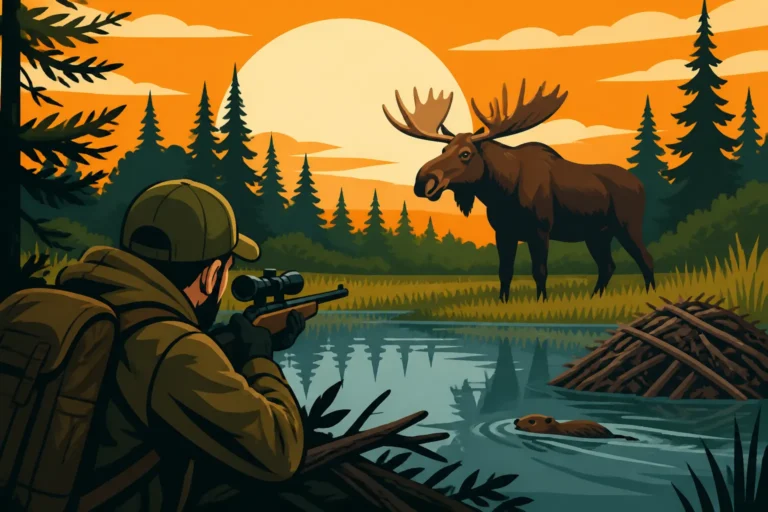
Moose are creatures of habit, and those habits are dictated by their immediate needs: food, water, and security. In Manitoba's boreal forest, prime moose habitat often revolves around wetlands, willow thickets, and younger forest growth that provides abundant browse. Think about areas with a mix of black spruce, jack pine, and especially poplar and birch saplings. They absolutely love the new growth that sprouts up after a disturbance, like a fire or a logging operation. You'll often find them congregating along the edges of these clearings, where they can feed on tender shoots and then quickly retreat into denser cover. Look for old beaver ponds that have created marshy areas rich in aquatic vegetation; moose are often found knee-deep, munching on lily pads and other plants. These spots offer both food and a watery escape route from predators or persistent hunters. Understanding these preferences is the first step in successful Moose Hunting Manitoba's Boreal Country.
Furthermore, don't overlook areas around slow-moving rivers, creeks, and small lakes. These waterways create natural corridors that moose travel, offering easy access to different feeding grounds and escape cover. The fringes of these aquatic environments are typically rich with the shrubs and forbs that moose prefer. When you’re scouting, keep an eye out for areas where the forest transitions from dense timber to more open, marshy ground or young regenerating stands. These transition zones are often hotspots. A good hunting app, like one from GoHunt, can help you identify these topographical features and vegetation changes before you even set foot in the woods, giving you a significant advantage in narrowing down potential moose haunts.
Seasonal Movements and Feeding Habits
Moose movements throughout the hunting season are heavily influenced by the availability of food and, as the season progresses, the drive to find a mate. In early fall, especially during archery season, moose are still focused on putting on weight for winter. They'll be found in areas with lush aquatic vegetation or rich terrestrial browse like willow and aspen shoots. As the rut approaches, typically peaking in late September and October, their priorities shift. Bulls become much more vocal and mobile, actively seeking out cows. This is the prime window for calling. They’re less concerned with feeding and more with asserting dominance and finding a receptive cow. Knowing When Manitoba's Moose Rut Peaks is crucial for timing your calling efforts.
Later in the season, as temperatures drop and snow begins to accumulate, moose will move towards denser conifer cover to conserve energy and find shelter. Their diet also changes, shifting to woody browse. While calling can still be effective in these later periods, it requires a different approach, often focusing on subtle cow calls rather than aggressive bull challenges. Understanding What Moose Eat Through the Year helps you predict where they’ll be feeding and thus where your calls are most likely to be heard by an interested animal. Don't forget, areas that might seem quiet in one part of the season could be teeming with moose just a few weeks later, making consistent scouting and adapting your strategy key to success.
The Art of Moose Calling: Techniques and Timing
Calling a moose isn't just about making noise; it's about mimicking the actual communication that goes on between these magnificent animals. You're trying to tell a story with your calls, drawing on their instincts for mating, territoriality, or curiosity. It takes practice, patience, and a keen ear to not only make the right sounds but also to interpret the responses.
Cow Calls: The Seductive Plea
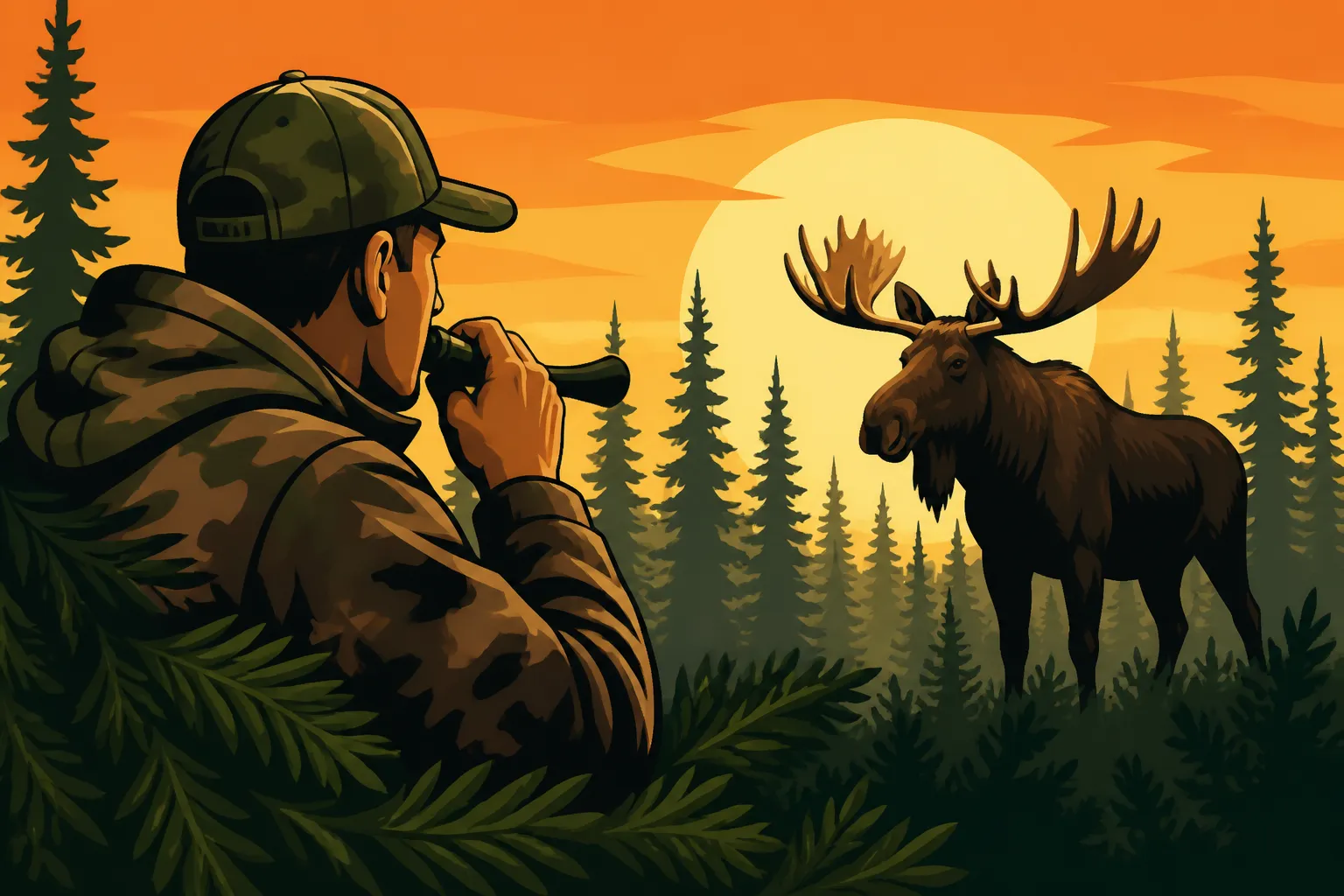
The cow call is arguably the most effective call in a moose hunter’s arsenal, especially during the rut. It's a long, drawn-out moan, often with a slightly pleading or wistful tone. A cow call signals availability and readiness to breed, and a bull, eager to find a mate, will often respond with interest or even come charging in. The key is to make it sound natural – not too loud, not too soft, and definitely not robotic. Imagine a cow separated from her calf or a lone cow looking for a bull. This plaintive, almost mournful sound is incredibly effective. Different variations exist, from a lost cow call to a breeding moan. The frequency and intensity should vary; sometimes a soft, infrequent call is all it takes to pique a bull's curiosity without making him feel pressured.
When you're starting, practice makes perfect. Try listening to real moose calls online or even on hunting shows to get a feel for the rhythm and inflection. Don’t be afraid to experiment with different pitches and durations. I've seen bulls respond to a soft, almost imperceptible call on a calm morning, and other times a louder, more insistent series of calls is needed to cut through the wind or dense timber. Remember, you’re trying to sound like a real moose, not a distressed animal. A bull might be cautious if he thinks something is wrong. Focus on the low, guttural quality of the call, pushing air from your diaphragm to get that authentic moose sound.
Bull Grunts: Challenging the Dominant
Bull grunts are a different beast entirely. These are deep, resonant guttural sounds that signify a bull's presence and, often, his challenge to other males. There are various types: a tending grunt, which a bull makes when he's with a cow, or a challenge grunt, used to assert dominance and intimidate rivals. Using bull grunts requires a bit more finesse and timing. You wouldn't typically lead with an aggressive challenge grunt right off the bat, especially if you haven't heard any other bulls in the area. It can sometimes intimidate a smaller bull into staying away or make a dominant bull circle cautiously. However, if you've already engaged a bull with cow calls and he’s responding with grunts, a well-timed challenge grunt can absolutely seal the deal. This is where Calling a Bull Moose in the Rut really shines.
A bull grunt is usually shorter and sharper than a cow call, often ending with a low growl. It projects power and presence. Some hunters even simulate the sound of a bull urinating, which is a surprisingly effective territorial signal. The trick is to listen to the real thing as much as possible. When a bull grunts, try to mimic his intensity and rhythm. If he grunts back softer, respond softer. If he’s roaring, then you can step up your game. It’s a conversation, and you need to respond appropriately. Overdoing it can sometimes push a wary bull away, so gauge his interest and aggression level before escalating your grunts.
Raking and Antler Rattling
Raking and antler rattling are visual and auditory displays that simulate a bull fighting or thrashing its antlers against brush, a highly effective way to simulate a bull's presence and challenge other males. This technique works best during the pre-rut and peak rut when bulls are feeling most aggressive and territorial. To perform a rake, grab a sturdy stick or a shed antler and thrash it against bushes, small trees, or the ground. Break branches, snap twigs, and generally make a ruckus that sounds like a large animal moving through the undergrowth. You want to sound like a bull letting off steam, asserting his presence, or even mock-sparring.
When combining raking with calling, start with a few cow calls to get attention, then add in some raking and bull grunts. This creates a realistic scenario: a bull has found a cow and is staking his claim, daring other bulls to approach. The sound of antlers clashing can be particularly enticing to a dominant bull looking to assert his authority, or to a smaller bull hoping to sneak in and claim the cow. If you're using real antlers for rattling, be mindful of the density of the forest. In thick boreal timber, the sounds don't carry as far as they might in more open country, so you need to be within a reasonable range for it to be effective. Always be prepared for a bull to come in fast and silently after a raking sequence; they don't always announce their arrival.
Essential Gear and Setup for Calling Success
Having the right gear and setting up properly can be the difference between a frustrating silence and a thrilling encounter. It’s not just about the call itself, but everything that surrounds your calling setup.
Calling Tools: From Mouth Calls to Megaphones
There’s a variety of calling tools available, each with its own advantages and learning curve. Mouth calls, often rubber diaphragms, are excellent for producing realistic cow and calf sounds. They require practice to master, but once you do, they offer hands-free operation, which is critical when a bull is closing in. External reed calls or grunt tubes are easier to learn and can produce powerful, deep bull grunts and cow moans. Some hunters even use simple birch bark cones or plastic megaphones to project their calls further, especially in vast, open muskeg areas or across frozen lakes, common terrain when Hunting Moose on a Manitoba Cutline. The choice of call often comes down to personal preference and what you're most comfortable and proficient with.
| Call Type | Primary Use | Pros | Cons |
|---|---|---|---|
| Mouth Diaphragm Call | Cow/Calf Moans | Hands-free, very realistic once mastered | Steep learning curve, can dry out |
| External Reed Call | Cow/Calf Moans, Bull Grunts | Easier to learn, good range of sounds | Can be bulky, requires hand use |
| Bugle/Grunt Tube | Bull Grunts, Projecting Cow Calls | Excellent projection, deep grunts | Bulky, less subtle for close encounters |
| Birch Bark Cone | Projecting Cow/Bull Calls | Authentic traditional sound, good projection | Can be fragile, difficult to make |
| Plastic Megaphone | Amplifying Any Call | Maximum projection over long distances | Very bulky, not subtle, sounds artificial |
Regardless of the tool, consistency in sound and projection is key. Test your calls before you head into the woods. A call that sounds great in your truck might sound completely different swallowed by the dense boreal forest. Think about how far you need your call to travel and choose your tool accordingly. When using an external call, consider how you’ll hold your rifle or bow at the ready. Having a hands-free option like a mouth call can be a huge advantage when a bull approaches quickly.
Concealment and Scent Control
Moose have an incredible sense of smell and surprisingly good hearing, though their eyesight isn't as sharp as a whitetail's. This means that proper concealment and scent control are paramount. You can make the most realistic calls in the world, but if a bull smells you or sees you moving, your hunt is over. Always hunt with the wind in your favor, positioning yourself so your scent isn't blowing towards the area you expect the moose to approach from. Using scent-eliminating sprays or wearing scent-adsorbing clothing can help, but nothing replaces playing the wind.
For concealment, wear good camouflage that breaks up your outline against the varied background of the boreal forest. Darker patterns with greens and browns usually work well. When setting up your calling position, utilize natural cover like dense spruce thickets, fallen logs, or the base of large trees. Avoid open areas where your silhouette will be easily visible. If a bull comes in, he will likely try to circle downwind to get a whiff of whatever is making those sounds, so be aware of your surroundings and have a plan for how to react if he tries to approach from an unexpected direction. Maintaining stillness is also crucial; even subtle movements can be picked up by a wary moose. A good pair of binoculars is essential for Glassing a Burn for Northern Moose or any other open area, allowing you to scout without giving away your position.
Strategic Calling: When and Where to Employ Your Calls
Moose calling isn't about constant noise; it's about strategic communication. Knowing when to call, how often, and where to position yourself is as vital as the calls themselves.
Setting Up Your Calling Position
Your calling position is absolutely critical. You need to choose a spot that offers good visibility and shooting lanes into the direction you expect the moose to approach from, but also provides ample cover to break up your silhouette. Think about a slight rise, the edge of a thicket, or even elevated ground near a water source, typical scenarios when Hunting Moose Around Manitoba Beaver Ponds. Moose will often try to circle downwind before committing, so try to pick a spot that gives you a view of that likely approach. If you're hunting with a partner, position one person as the caller slightly behind and to the side of the shooter. This helps draw the bull's attention away from the shooter, giving them a better chance at an unobstructed shot as the bull focuses on the source of the calls.
Always have an escape route or an area of dense cover to move into if a bull decides to charge in aggressively, which can happen, especially during the peak rut. Clear any noisy debris from around your immediate calling spot to ensure silent movement if necessary. It’s also wise to consider the sun's position. Early morning or late afternoon are prime calling times, so try to avoid having the sun directly in your eyes or glaring off your equipment. A clear understanding of the terrain, possibly aided by a GoHunt app on your phone, can help you visualize these approach angles and set up an ambush zone.
Adapting to Wind and Terrain
Wind and terrain are your constant companions in the boreal forest, and you must adapt your calling strategy to both. Wind carries your scent and your calls, so understanding its direction and strength is non-negotiable. Always try to call into the wind, or at least across it, so your scent is carried away from the likely approach direction. On windy days, calls won't travel as far, so you might need to increase the volume or frequency of your calls, or simply move to a more sheltered location. Conversely, on calm days, even a soft call can carry a long way, and you need to be extra cautious with your movements and scent.
The terrain itself dictates how calls propagate and how moose move. In dense, young growth or thick spruce, calls are muffled and don't carry far. Here, you might need to call more frequently or move more often to cover ground. In more open areas, like recent burns, old clearcuts, or vast muskeg, calls can travel for miles. This means you can be more spread out in your calling locations, but also that a moose has more time to pinpoint your location and potentially circle. Don't be afraid to change your calling sequence or even relocate entirely if the conditions aren't favorable or if you're not getting responses. Flexibility is a virtue in moose hunting. A deep dive into Hunting Manitoba's Northern Boreal will show you just how varied the terrain can be.
Common Mistakes and How to Avoid Them
Even experienced hunters can make mistakes when calling moose. Being aware of these common pitfalls can significantly increase your success rate.
Overcalling and Undercalling
One of the biggest mistakes hunters make is either calling too much or not enough. Overcalling can make you sound unnatural, like a panicked animal, or it can make a bull cautious. If a bull hears constant, aggressive calls without any movement or visual confirmation, he might hang up out of range, or simply decide it's not worth the risk. Imagine going on a date where the other person talks non-stop – it can be overwhelming! Moose are similar. If you're overcalling, you're not giving the bull a chance to respond or even process what he's hearing. He might simply choose to bypass the commotion entirely. It’s better to err on the side of caution.
On the flip side, undercalling can mean a bull never even knows you're there. In vast areas of the boreal forest, calls need to be projected to be heard. If you’re calling too softly or infrequently, especially on windy days or in thick cover, your efforts might be wasted. The key is to find a balance. Start with a few soft cow calls, then pause for several minutes – anywhere from 5 to 15 minutes – to listen for a response. If no response, increase the intensity or add a bull grunt or some raking. It’s a delicate dance of enticing and listening. You want to sound like a natural part of their world, not an anomaly. Patience is your most potent weapon.
Interpreting Moose Responses
So, you’ve called, and you hear something back. Now what? Interpreting a moose’s response is crucial. A distant grunt might mean a bull is curious but still far off. A closer grunt, especially if it’s aggressive, suggests he’s closing the distance and ready to challenge. Sometimes, you won’t hear a vocal response, but rather the sound of branches snapping, water splashing, or heavy breathing. These are all signs that a moose is moving in your direction. Pay close attention to these subtle cues. Bulls, particularly dominant ones, will often approach silently, using the wind and cover to their advantage, only giving themselves away when they are close. This is why being ready for a shot at all times is so important.
If a bull grunts once and then goes silent, he might be waiting for you to make the next move, expecting the "cow" to come to him. In this case, a subtle cow call after a few minutes of silence can often entice him to take a few more steps. If he's raking brush, respond with some raking of your own. Mimic his behavior, but never overcommit too soon. Let him come to you. Don't be afraid to sit in silence for extended periods after a response. A bull might take 30 minutes or more to cover what seems like a short distance, especially if he’s circling downwind. The patience required for Sitting All Day in a Manitoba Blind applies here too; sometimes, waiting out a cautious bull is the only way.
Advanced Tactics and Persistence
Once you've mastered the basics, there are always ways to refine your strategy and increase your chances, especially when dealing with the vastness of the boreal forest and the wariness of mature moose.
The Silent Approach and Patient Waiting
Sometimes, the best calling strategy involves no calling at all, at least initially. This is especially true when you're hunting in extremely dense cover or areas where you suspect moose are already present but perhaps not vocal. Instead of crashing through the bush announcing your presence with loud calls, try a silent, methodical approach. Move slowly, stopping frequently to listen. Use a GoHunt app to identify potential bedding or feeding areas and approach them with extreme stealth. Once you’re in a promising area, set up with the wind in your favor and wait. Listen for natural moose sounds – chewing, rubbing antlers, branches breaking, or even distant grunts or moans.
After 15-30 minutes of silent waiting, if you haven't heard anything, try a very soft, infrequent cow call. Wait again, patiently. Sometimes, just a single, soft call is enough to get a response from a bull that might have been bedded nearby or casually feeding. This patient, observant approach can be incredibly effective on pressured moose or those that have heard every trick in the book. It’s a testament to the idea that sometimes, less is more in the woods, especially when trying to pinpoint where Manitoba's biggest bulls come from.
Combining Calling with Spot-and-Stalk
While moose calling is often associated with sitting in one spot, it can be powerfully combined with spot-and-stalk tactics, particularly in areas with varied terrain or recent cuts and burns. Imagine you're on a high ridge overlooking a vast cutblock or a series of beaver ponds. You spot a moose in the distance, but it’s too far for a clean shot or it’s moving away. This is where calling comes in. A few well-placed cow calls might stop the moose, or even pique its curiosity enough to start it moving in your direction. This is especially useful for Hunting Moose Where Seasons Stay Open in specific regions.
Once the moose acknowledges your call, you can then attempt a stalk, using the terrain and cover to close the distance while periodically using soft calls to keep its attention or gauge its position. If the moose begins to move towards you, you might back off slightly, creating the illusion that the "cow" is retreating, which can often make a bull come in more aggressively. This combination of observation, strategic calling, and careful movement requires a high degree of woodsmanship and is a truly rewarding way to hunt. It demands constant assessment of the wind, cover, and the moose's behavior, always being ready for that critical moment when the animal presents an ethical shot.
Disclaimer
Hunting is an inherently risky activity. Always prioritize safety, understand and follow all Manitoba hunting regulations, and ensure you have proper training and equipment. This guide provides general information and should not replace professional guidance or official government resources.