Hunting Manitoba Late When Roads Drift In
Manitoba late season hunting strategies for navigating drifted snow roads, predicting wind patterns, and accessing winter deer areas safely.
Close the distance.
Archery, muzzleloader, and firearm techniques — calling, stand placement, still-hunting, spot-and-stalk, and the weapon rules that change at the state line.
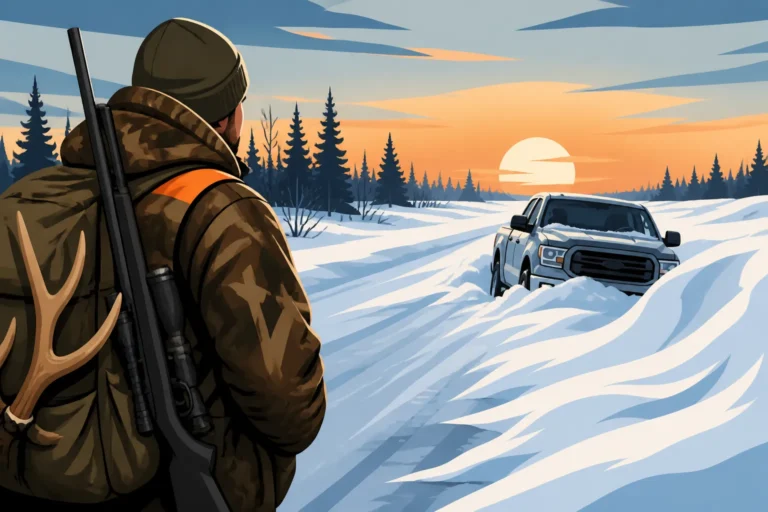
Manitoba late season hunting strategies for navigating drifted snow roads, predicting wind patterns, and accessing winter deer areas safely.
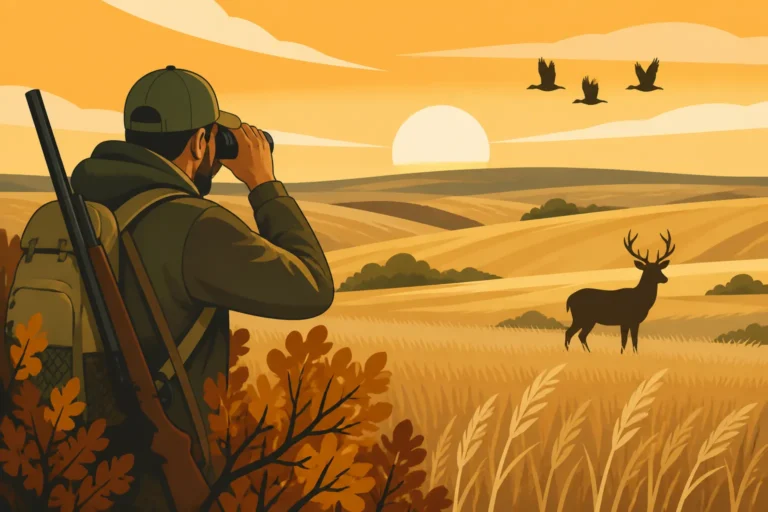
Manitoba hunting territory offers unpressured ground for those willing to walk past easy access points and navigate difficult terrain.
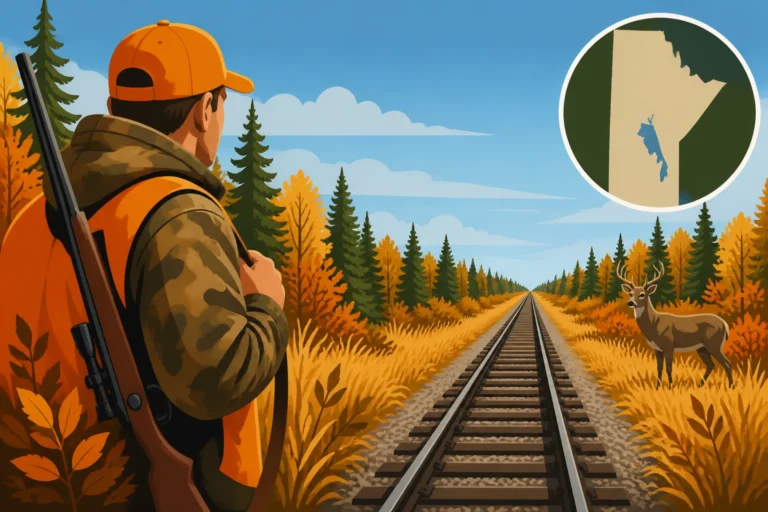
Railway rights-of-way in Manitoba involve strict federal safety regulations and legal restrictions that prohibit hunting on private property.
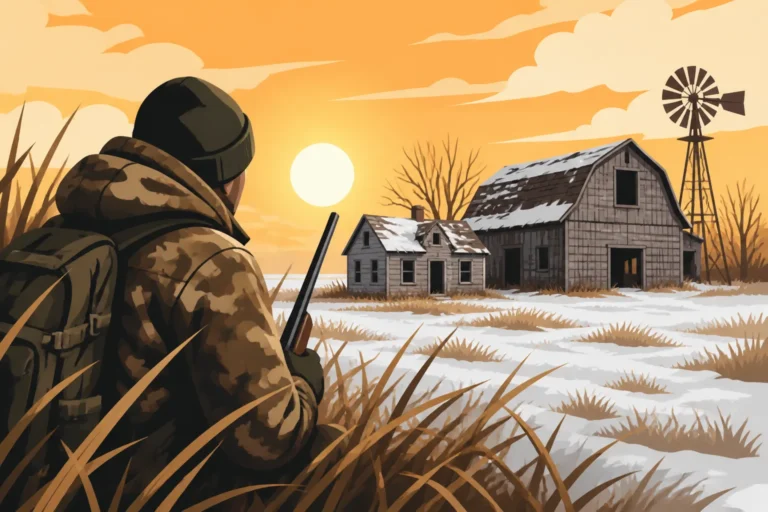
Abandoned Manitoba farmyards provide wildlife with crucial food and cover, creating prime hunting grounds during the fall season.
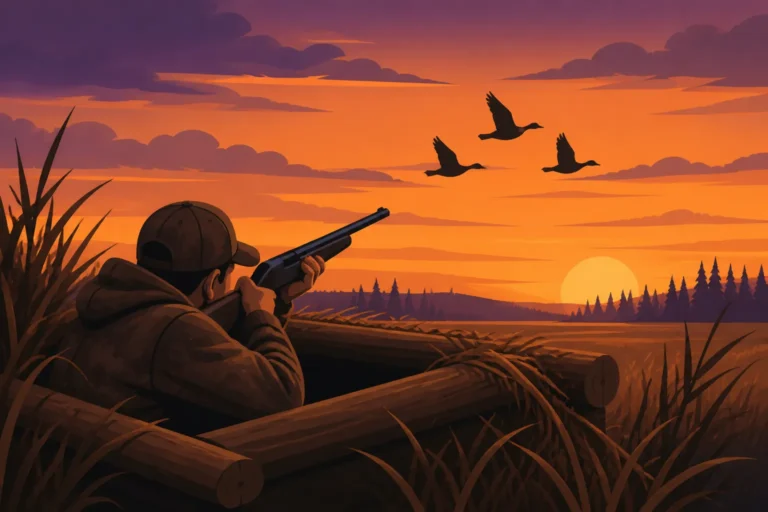
Manitoba farm dugouts attract whitetail deer at dusk, providing predictable travel patterns, water sources, and staging areas for hunters.
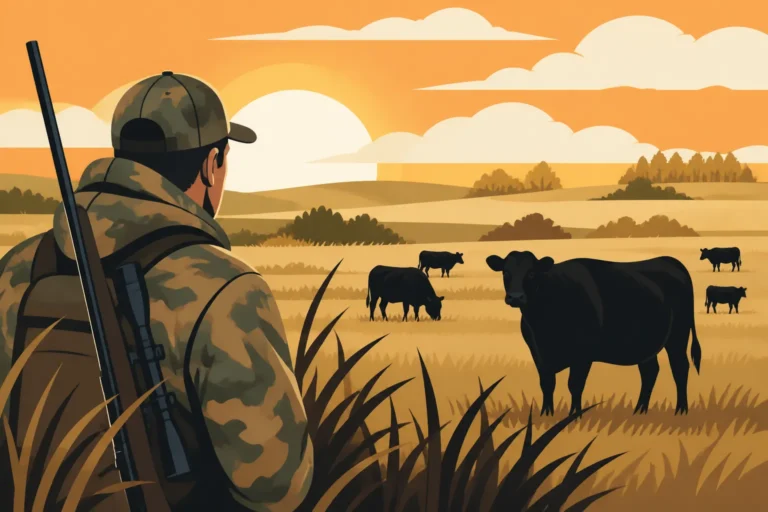
Manitoba cattle pasture hunting offers unique challenges. Learn how livestock presence influences wild game movement and behavior.
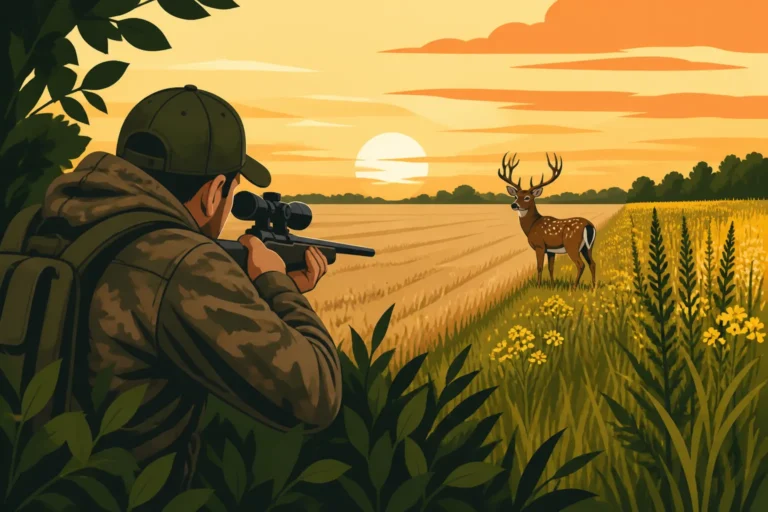
Manitoba summerfallow field borders offer whitetail deer hunting opportunities by acting as strategic travel corridors and pinch points.
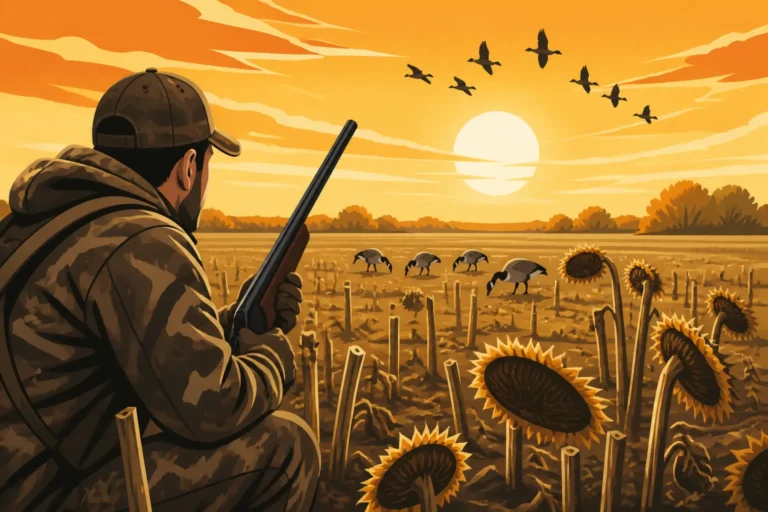
Manitoba harvested sunflower fields provide deer food and cover, offering hunters opportunities to track whitetails using residual seeds.
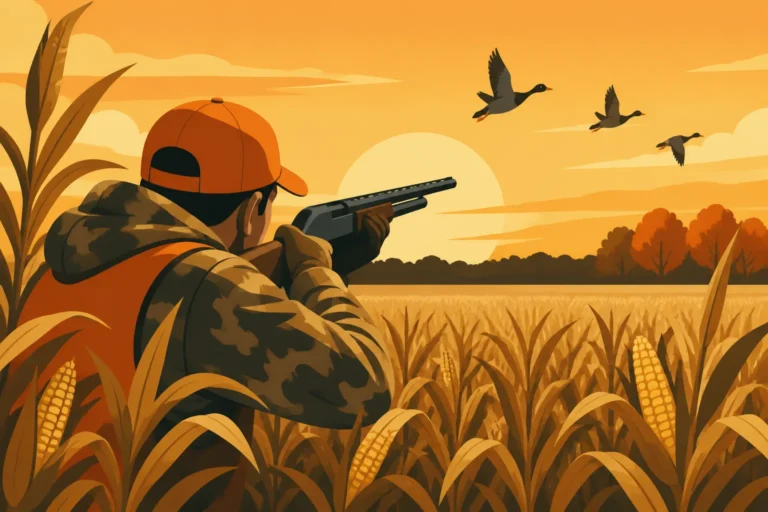
Manitoba whitetail deer use standing cornfields for food and security cover, creating unique challenges for hunters in agricultural zones.
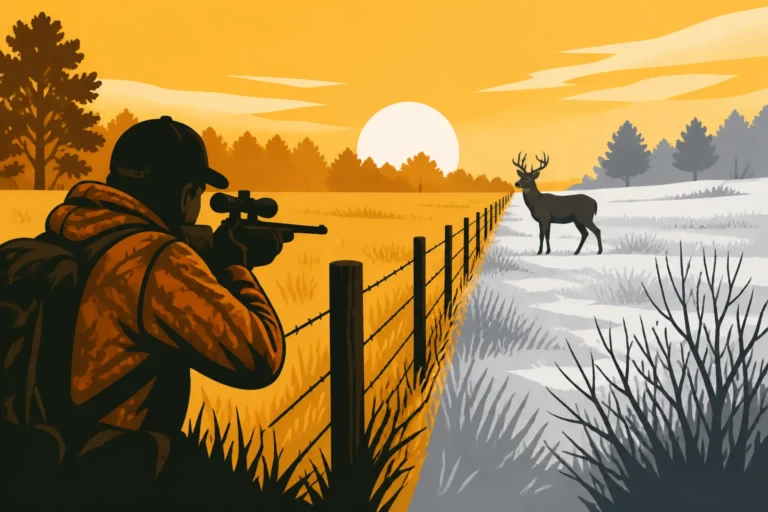
Manitoba fence lines between quarter sections provide whitetail deer with secure travel corridors and distinct habitat transitions.