What Climate Shift Means for Manitoba Game
Climate shifts in Manitoba affect game species habitats, altering populations and hunting traditions through warmer winters and changing precipitation.
Know what you’re after.
Big game, small game, upland birds, and waterfowl — identification, behavior, rut and migration timing, and how each species moves through the season.
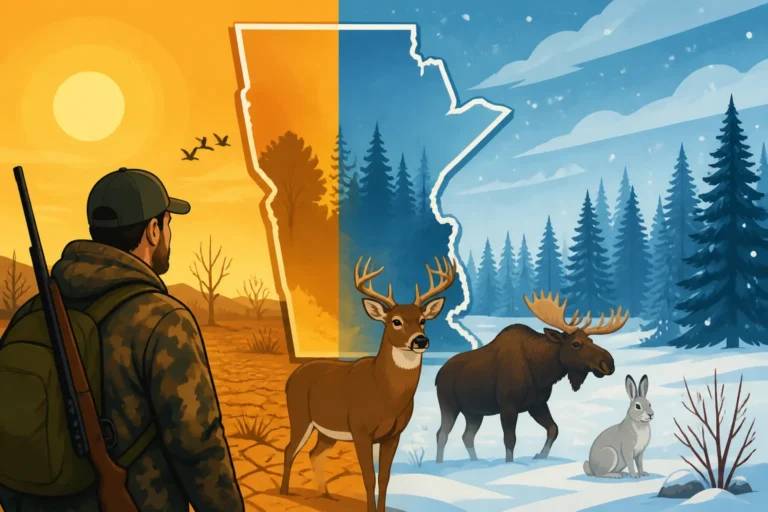
Climate shifts in Manitoba affect game species habitats, altering populations and hunting traditions through warmer winters and changing precipitation.
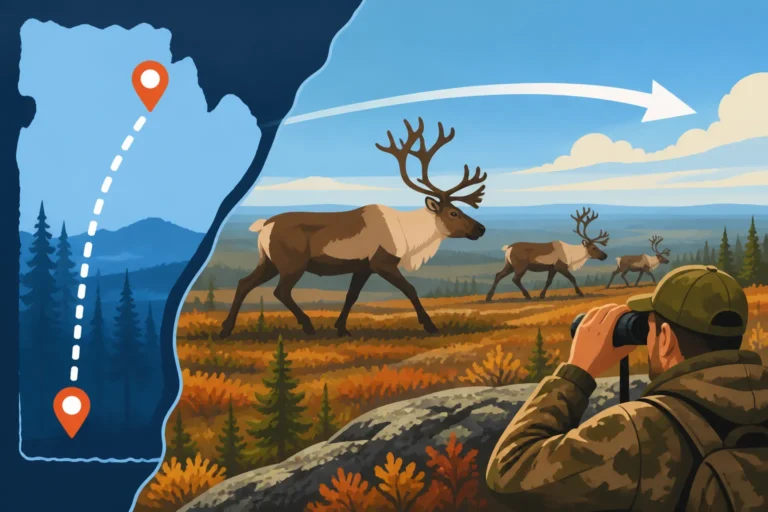
Northern Manitoba game animal movements result from resource scarcity and extreme seasonal climate shifts driving survival journeys.
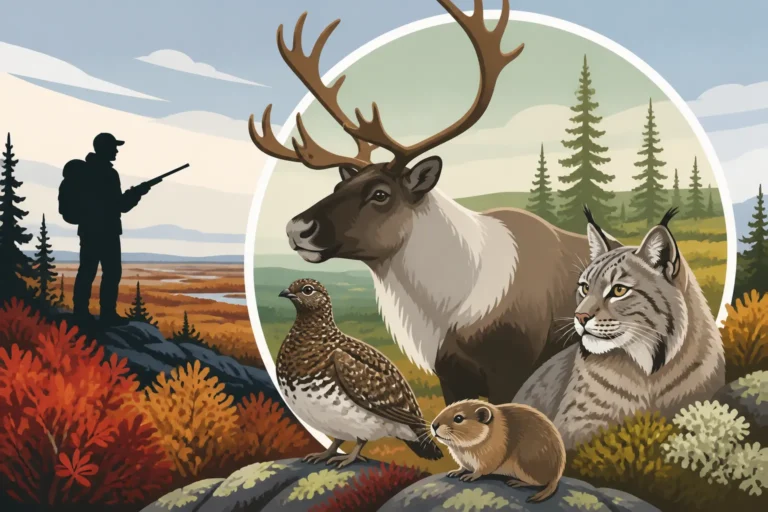
Manitoba tundra transition wildlife includes Barren-Ground Caribou herds, migratory birds, and hardy plants surviving permafrost.
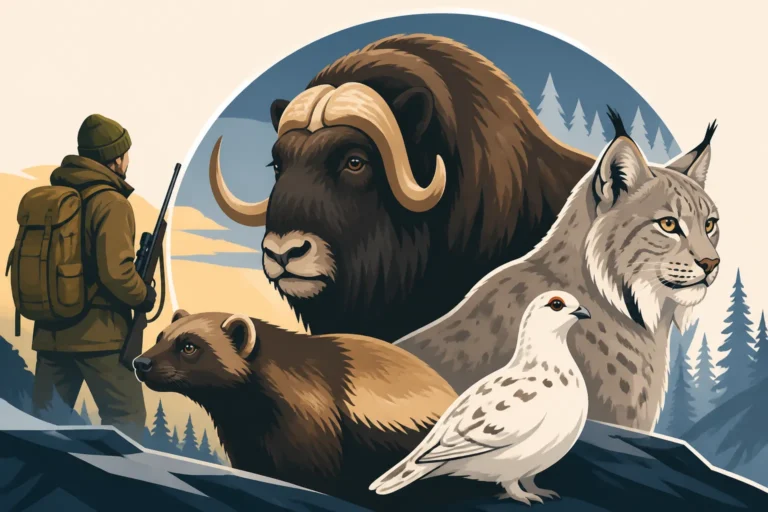
Elusive wolverines and arctic foxes inhabit Manitoba boreal forests and tundra transition zones far beyond agricultural areas.
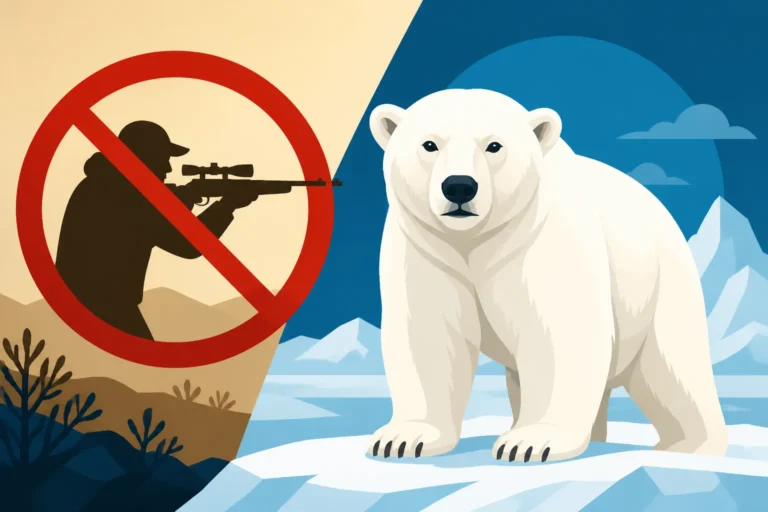
Manitoba polar bear populations face strict hunting bans to ensure species survival and protect vital apex predators along the Hudson Bay coast.
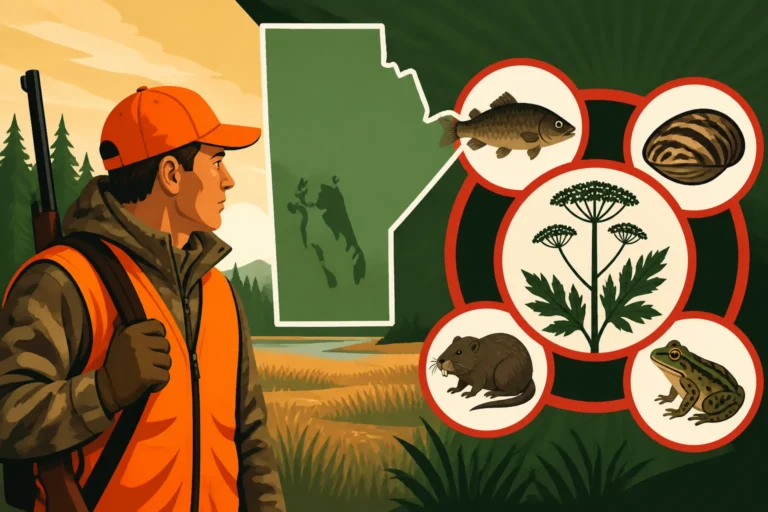
Manitoba hunters learning to identify invasive species and report environmental threats protect local wildlife habitats and game populations.
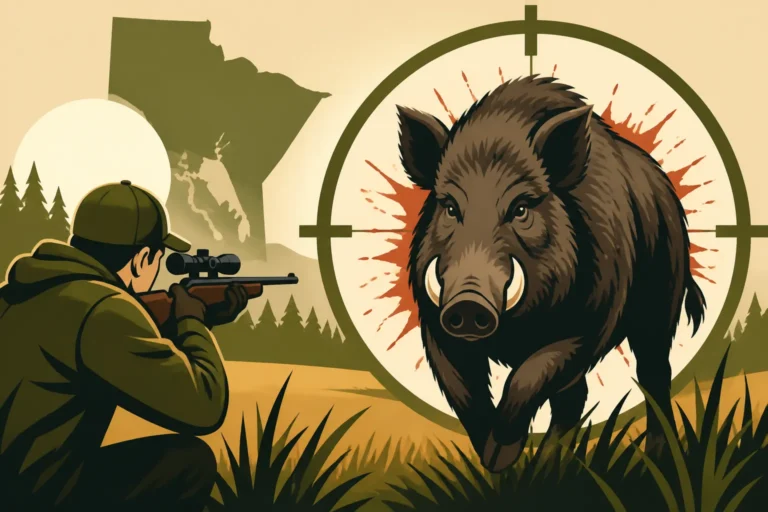
Manitoba wild boar control efforts, agricultural damage, and public reporting strategies to protect local ecosystems and livestock.
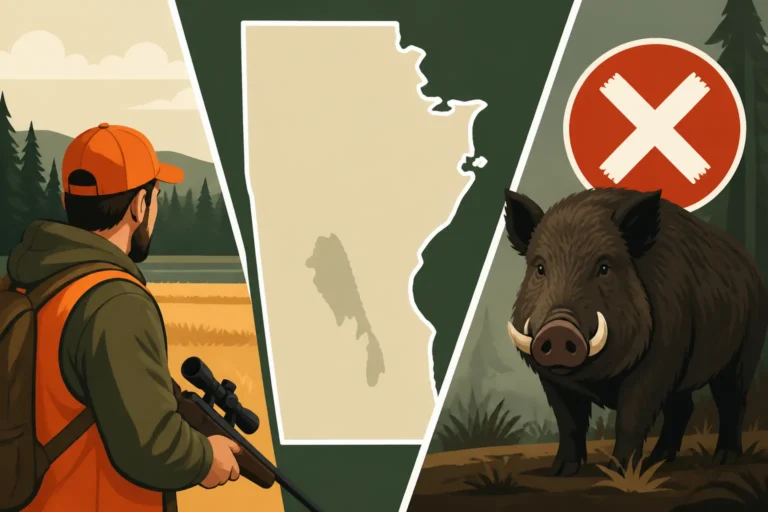
Wild boar populations in Manitoba, their agricultural origins from the late eighties, and the serious ecological damage they cause.
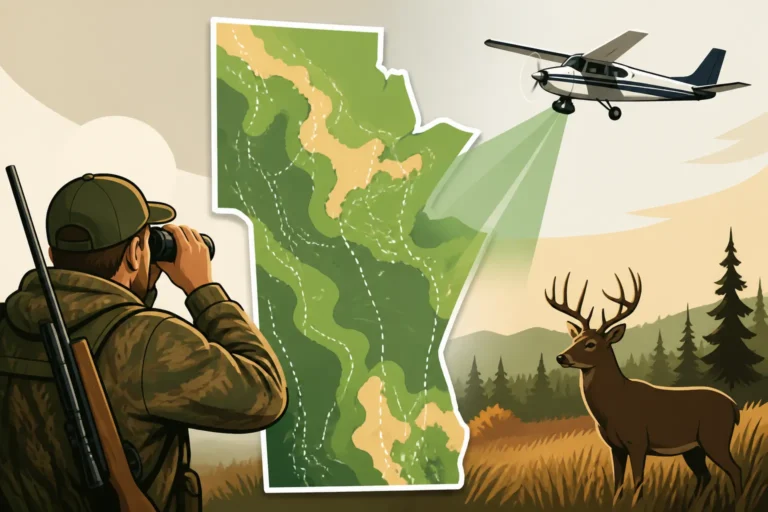
Manitoba aerial surveys determine game populations like deer, moose, and elk by flying precise transects across regional habitats.
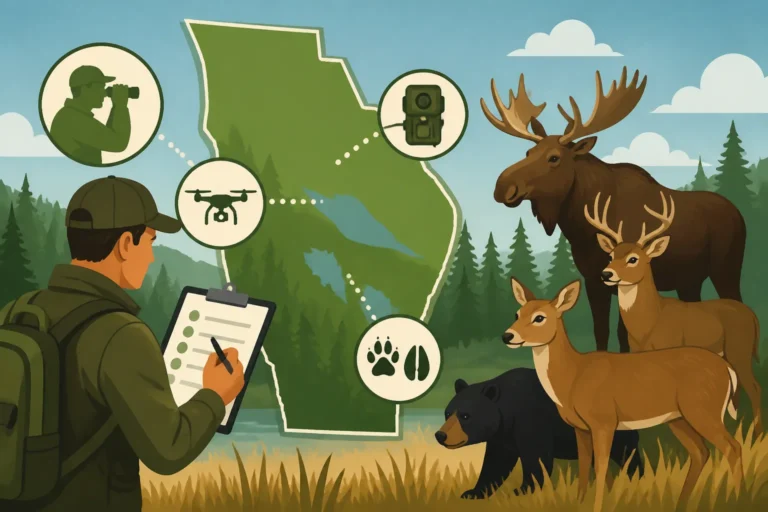
Manitoba aerial surveys and biologist population data determine game season dates, bag limits, and tag draw odds for hunters.