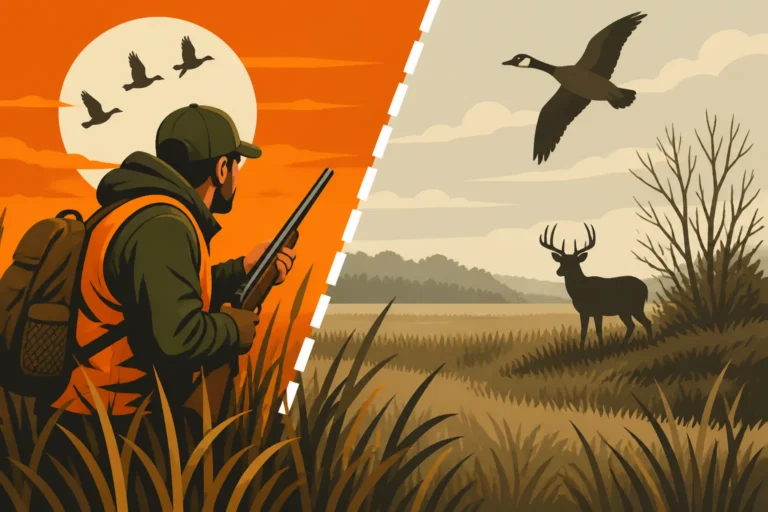
Hunting Manitoba’s Parkland Region
If you've ever dreamt of wide-open spaces, diverse wildlife, and the challenge of hunting in varied terrain, then Manitoba's Parkland Region might just be calling your name. It's a place where the boreal forest starts to give way to the agricultural heartland, creating an incredible mosaic of habitat that can feel overwhelming if you don't know where to start. This guide is here to unravel the complexities and highlight the fantastic opportunities that await hunters in this unique and abundant corner of Manitoba.
Understanding the Parkland Region's Unique Character
The Parkland region of Manitoba isn't just a place on a map; it's an ecological transition zone, a meeting point where the vast boreal forest, with its dense spruce and poplar stands, gradually gives way to the open prairies and cultivated fields of the south. This makes it a truly special landscape, offering a richness and diversity of habitat that you won't find anywhere else. It’s where deep woods give way to aspen bluffs, which then open into crop fields and river valleys.
What is the Parkland? Geographical and Ecological Description
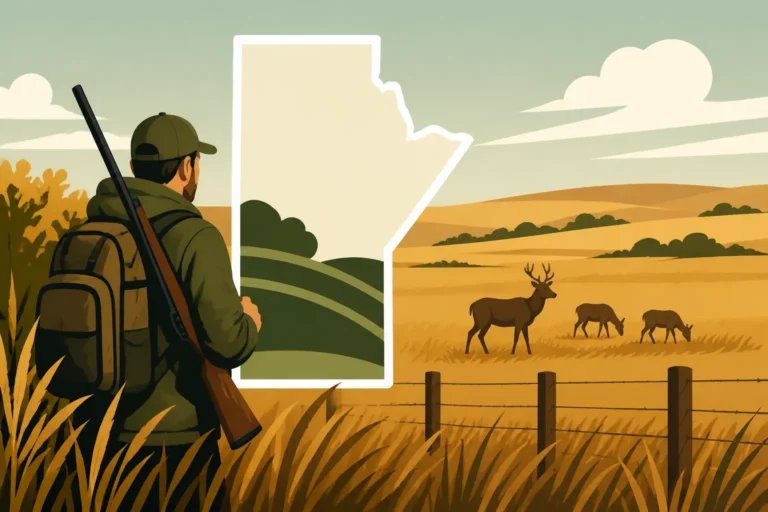
Imagine rolling hills carved by ancient glaciers, now cloaked in a mix of trembling aspen, balsam poplar, and pockets of spruce and fir. These treed areas, often referred to as bluffs or bush pockets, are interspersed with fertile agricultural fields—barley, wheat, canola, and corn—that stretch to the horizon. Wetlands, from small potholes to larger marshes, dot the landscape, especially in the depressions left by those same glaciers. This isn't the uniform, endless forest of the north, nor the wide-open prairie of the extreme south. It's a dynamic, ever-changing patchwork that provides everything an array of wildlife needs: food, water, and crucially, cover. It's this patchwork nature that makes it such a rich environment for many game species. The blend of dense cover and abundant food sources is exactly what animals like whitetail deer thrive on.
Why is it a Prime Hunting Destination? Biodiversity, Cover, and Food Sources
The Parkland's unique geography creates a buffet for wildlife. The cultivated fields provide an endless supply of high-energy forage, especially in the fall and winter, while the bush pockets offer vital bedding areas, thermal cover, and escape routes. The mix of broadleaf trees and conifers also means a diverse diet throughout the year for browsers like deer and elk. For waterfowl, the numerous potholes and sloughs serve as crucial staging and feeding grounds. This incredible biodiversity means you're not just hunting for one species; you're immersed in an ecosystem teeming with life. It's truly a place where you might jump a covey of Huns in a stubble field, only to bump into a deer browsing in the adjacent bush line moments later. The sheer variety of opportunities is what draws so many hunters here year after year, and what keeps them coming back.
Challenges and Rewards of Hunting Here
Hunting the Parkland isn't without its quirks. The fragmented nature of the habitat means that game can be spread out, requiring more scouting and a good understanding of how animals use the various terrain features. Access can also be a mix, with private farmland interspersed with Crown land and Wildlife Management Areas. This means knocking on doors for permission is often a part of the adventure. However, the rewards are immense. The Parkland is known for producing heavy-bodied whitetails with impressive antlers, and the chance to call in an elk or stalk a bear in this beautiful setting is truly special. Plus, the waterfowl and upland bird hunting can be absolutely phenomenal, offering incredible mixed-bag opportunities. It's a region that demands adaptability and persistence, but repays it tenfold with unforgettable experiences and, often, full freezers.
Key Big Game Species in the Parkland
When you talk about big game in Manitoba's Parkland, a few species immediately come to mind. These animals thrive in the diverse habitat, offering challenging and rewarding hunts. It's a place where you can truly experience a varied big game season.
Whitetail Deer: The Undisputed King
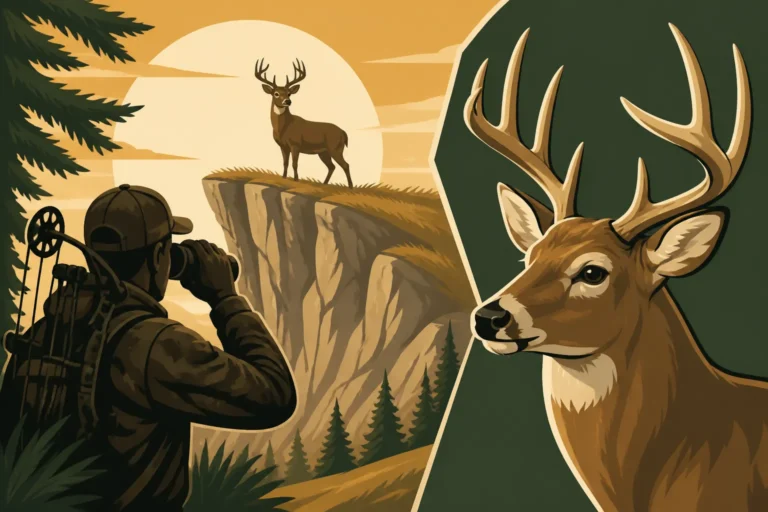
Manitoba's Parkland region is legendary for its whitetail deer, and for good reason. The combination of dense cover in aspen bluffs and river bottoms, coupled with the rich agricultural fields, creates ideal conditions for deer to grow big and healthy. Bucks here are known for their heavy bodies and impressive racks, often carrying significant mass. They utilize the bush pockets for bedding and security during the day, venturing out into the fields at dawn and dusk to feed on grains, alfalfa, and whatever else is on offer. Understanding how these deer transition between cover and food sources is critical. You'll often find them working the edges of fields, slipping in and out of the bush lines. During the rut, this area becomes a hotspot, with bucks constantly cruising for does, making rattling and grunting incredibly effective. If you're looking for a big Parkland buck, focus on these transition zones and understand that patience in a stand on a field edge can really pay off. Hunting the Rut in Early to Mid November is a prime time to be in these areas.
Elk: The Majestic Residents
While not as widespread as whitetails, elk populations have made a strong comeback in parts of Manitoba's Parkland, particularly around areas like the Duck Mountain and Riding Mountain regions. These majestic animals require larger tracts of timber and undisturbed cover, which they find in the more extensive forested blocks within the Parkland. They'll venture into agricultural fields at night, but during the day, they typically retreat to the security of the deep bush. Elk hunting here is often a draw-only affair, reflecting the careful management of these herds. Success depends heavily on pre-scouting, understanding their movement patterns, and often, the ability to bugle during the early archery or rifle seasons. Finding their travel corridors between bedding and feeding areas, especially where forest meets field, can be the key to success. The challenge of hunting elk in this unique habitat is immense, but the reward of hearing a bull bugle across the Parkland landscape is an experience you won't soon forget. Hunting Elk in the Duck Mountain Country offers a specific example of where these opportunities exist.
Black Bear: Abundant and Opportunistic
Black bears are also prevalent throughout the forested portions of the Parkland, particularly where the bush becomes denser and more continuous. They thrive on the abundant natural forage—berries, nuts, and vegetation—but are also opportunistic and will readily utilize agricultural fields for food sources like oats and corn. Bear hunting in Manitoba is popular, with both spring and fall seasons. Baiting is a common and effective method, allowing hunters to pattern bears and assess their size before making a shot. For those who prefer not to bait, spot-and-stalk opportunities exist, particularly in areas with good visibility and consistent food sources, or by still-hunting through known travel corridors. The Parkland's mix of bush and open land means bears can move extensively, making scouting for fresh sign like scat, tracks, and rubbed trees essential. Whether you're chasing a spring bear after denning or a fall bear fattening up for winter, the Parkland offers excellent opportunities. Black Bear Hunting in Manitoba goes into more detail on how to approach these hunts.
Upland Birds and Waterfowl Opportunities
Beyond the big game, the Parkland region offers fantastic hunting for a variety of game birds. The diverse habitat, from treed bluffs to stubble fields and wetlands, creates a haven for both upland species and migratory waterfowl.
Sharp-tailed Grouse and Ruffed Grouse: The Local Fliers
For those who love to walk and flush birds, the Parkland is a fantastic destination for grouse. Sharp-tailed grouse, often called "sharptails," prefer the open grasslands, brushy edges, and regenerating clearings. You'll find them holding tight in willow thickets, especially along fencelines or in pockets of native prairie grass. Hunting sharptails often involves covering a lot of ground, walking through their preferred habitat, and being ready for their explosive flush. They're wary birds, and getting a shot can be a quick reaction test. Walking Up Sharp-Tailed Grouse in Manitoba is a classic Parkland experience.
Ruffed grouse, on the other hand, are more at home in the denser aspen and mixed-wood bush. They love areas with thick undergrowth, old logging roads, and creek bottoms. Often, you'll find them along the edges of trails or in aspen stands with a good mix of young and mature trees. Hunting ruffs is a more intimate affair, often involving slow, deliberate walks through the bush, listening for their tell-tale flush. Both species offer fast-paced wing-shooting action and are delicious table fare, making them a dual treat in the Parkland.
Hungarian Partridge: The Farm Country Gems
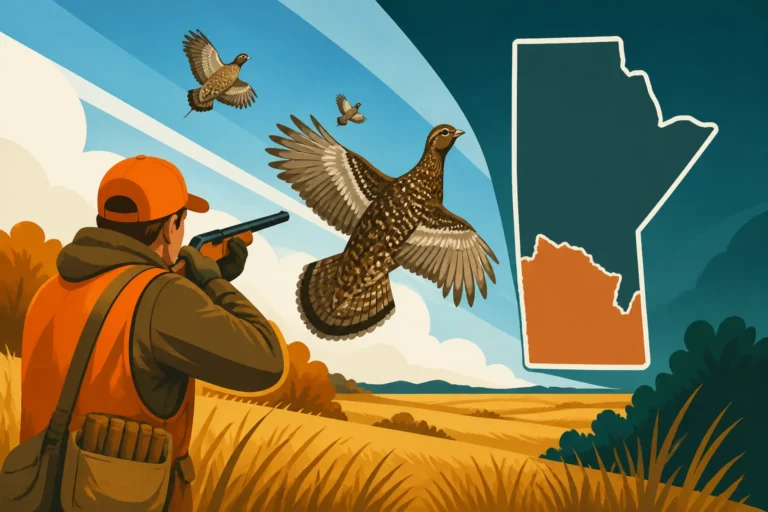
The Hungarian partridge, or "Huns" as they're affectionately known, are true gems of the Parkland's agricultural landscape. These small, fast-flying birds are perfectly adapted to farm country, thriving in stubble fields, shelterbelts, and grassy ditches. They are typically found in coveys, and when flushed, they explode into the air with incredible speed, often scattering in multiple directions. Hunting Huns usually involves walking field edges, fencelines, and shelterbelts, often with a good bird dog to help locate and retrieve them. Their camouflage is superb, and they can hold incredibly tight, almost letting you step on them before flushing. Finding a covey is exhilarating, and the challenge of hitting one of these aerial rockets makes for an exciting day afield. They're a fantastic addition to any bird hunter's bag in the Parkland. Hunting Hungarian Partridge on Manitoba Farms is a pursuit many passionate bird hunters enjoy.
Waterfowl: Ducks and Geese in the Agricultural Fringes
Manitoba is world-renowned for its waterfowl hunting, and the Parkland region, particularly its agricultural fringes, plays a significant role in this reputation. The abundant grain fields provide crucial feeding grounds for migrating ducks and geese, while the numerous potholes, sloughs, and larger marshes offer safe resting and roosting sites. You'll find vast numbers of Canada geese, snow geese, and various duck species like mallards, pintails, and wigeons.
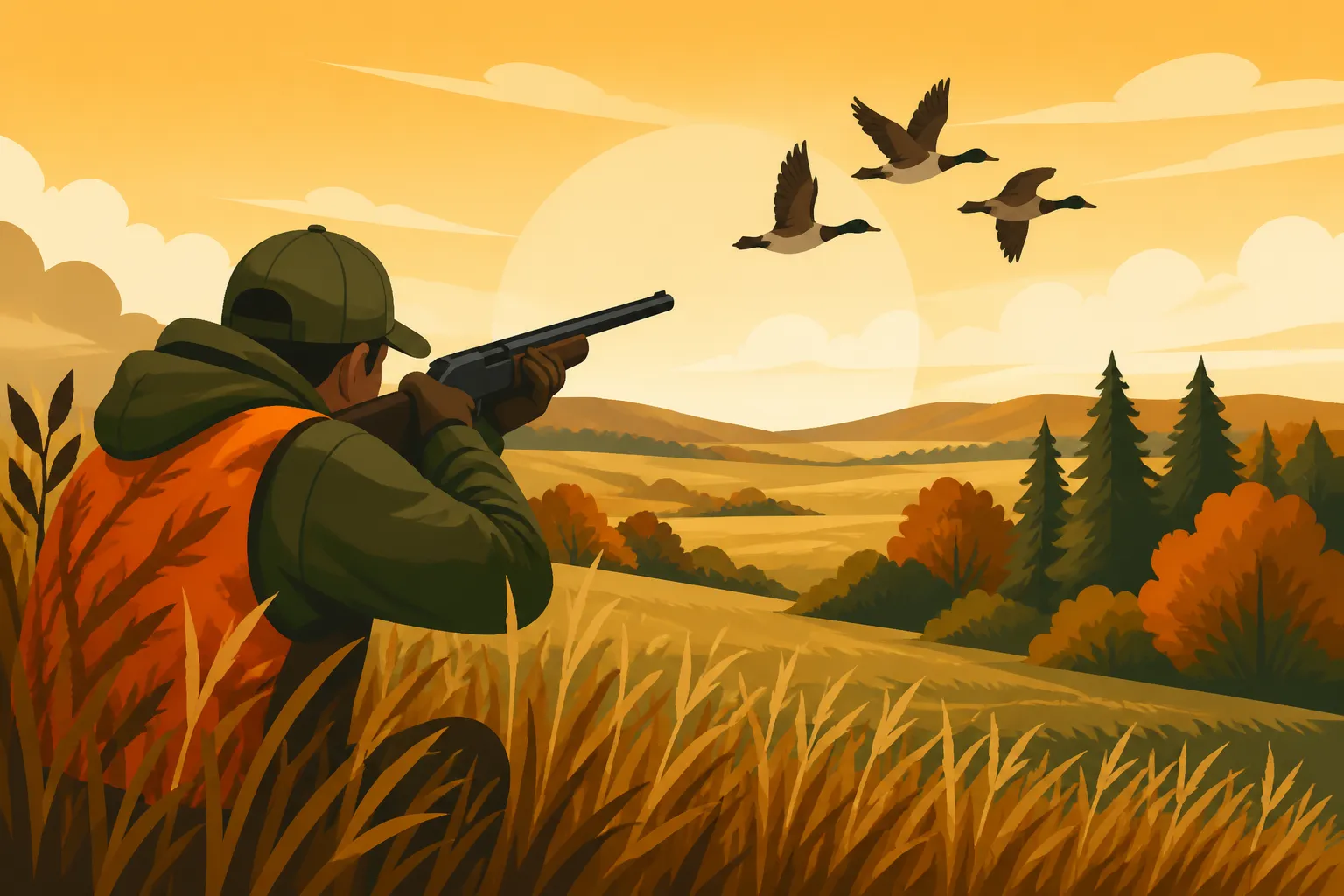
Field hunting for geese, especially Canada geese and snow geese, is a quintessential Parkland experience. Hunters often set up large decoy spreads in stubble fields, calling birds in as they fly off their roosts to feed. For ducks, jump-shooting potholes or setting up blinds along marsh edges can be incredibly productive. The sheer volume of birds during the migration periods can be astounding, creating fast and furious shooting opportunities. Effective waterfowl hunting in the Parkland requires scouting for active feeding fields and understanding bird movements, but the rewards of calling in cupped wings over your decoys are hard to beat. Field Hunting Geese in Manitoba Stubble is a popular tactic here.
Navigating Public and Private Land Access
Access to hunting land is often one of the biggest challenges hunters face, and in Manitoba's Parkland region, it's a mix that requires careful planning and good manners. Understanding where you can hunt and how to gain access is paramount to a successful and legal hunt.
Crown Land and Wildlife Management Areas WMAs: Finding Public Access
Manitoba has a fair amount of Crown land, which is generally open to hunting unless otherwise specified. However, in the Parkland, this Crown land is often fragmented, appearing as smaller blocks nestled amongst private holdings. These areas can be goldmines if you're willing to do your homework. Using mapping tools like onX Hunt or GoHunt becomes incredibly valuable here. These apps overlay property boundaries on satellite imagery, allowing you to clearly see where Crown land begins and ends, and even identify specific Wildlife Management Areas (WMAs).
Wildlife Management Areas are designated tracts of land set aside for wildlife habitat and public recreation, including hunting. They are typically well-marked and have specific regulations, so always check the Manitoba hunting guide for the WMA you plan to visit. These areas can be highly productive, but also see more pressure due to their accessibility. Scouting WMAs thoroughly before the season is always a good idea. Hunting a Manitoba Wildlife Management Area can be a great option for public land access.
Getting Permission on Private Land: The Key to Success
The reality of hunting in much of the Parkland is that a significant portion of the most productive habitat—especially the prime feeding grounds and key bush pockets—is on private land. This means that gaining permission from landowners is often the single most important factor in having a successful hunt. Don't be shy about knocking on doors, but always approach with respect and a clear understanding of what you're asking for.
When you approach a landowner, be polite, well-dressed, and articulate. Introduce yourself, state your purpose clearly, and be prepared to show your hunting license and provide your contact information. Offer to share game or help with chores, and always respect their wishes. If they say no, thank them for their time and move on. Building relationships with landowners over time can open up incredible opportunities, but it starts with respect and trust. Many landowners are receptive to hunters who are responsible and considerate. For more details on the legal aspects, understanding Manitoba Landowner Permission Law is crucial.
Understanding Trespass Laws: What You Need to Know
Manitoba has clear trespass laws that hunters must adhere to. Generally, land that is cultivated, fenced, or posted with "No Hunting" or "No Trespassing" signs is considered private, and you need explicit permission to enter. Even if land isn't posted, it's always best to assume it's private and seek permission if you're unsure. The consequences of trespassing can range from fines to loss of hunting privileges, and it creates a negative image of hunters as a whole.
It's also important to understand the concept of retrieving game. If you shoot an animal that crosses onto private land where you do not have permission, you must contact the landowner to gain permission to retrieve it. Never, under any circumstances, cross a private property line without explicit permission, even if you see your trophy just on the other side. This is where good landowner relationships can truly save a hunt. Always carry a copy of your license and be familiar with the local GHA rules, especially regarding land access, as they can sometimes vary.
| Land Type | Typical Access Rule | Key Consideration |
|---|---|---|
| Crown Land | Generally open for hunting | Check for specific closures or WMA rules |
| Wildlife Mgt. Areas | Open for hunting, but strict WMA-specific rules apply | Always read the WMA regulations carefully |
| Private Cultivated | Permission always required | Essential for prime feeding areas |
| Private Pasture/Bush | Permission always required, even if not posted | Respect all fencing and gates |
| Provincial Parks | Hunting generally prohibited (check exceptions) | Adjacent areas can be productive, but stay clear of park |
Effective Hunting Strategies for Parkland Terrain
The diverse landscape of Manitoba's Parkland region calls for a versatile approach to hunting. What works in a dense bush pocket might not be effective in an open stubble field, so having a range of strategies in your toolkit is key.
Hunting the Bush Edges and Transition Zones: Where Game Congregates
This is arguably the most crucial strategy in the Parkland. Game animals, especially whitetail deer and elk, constantly move between the security of the bush and the abundant food sources in the fields. These "edges"—where the forest meets the field, where a dense bluffs gives way to a willow run, or where a creek bottom snakes through a cultivated area—are absolute magnets for wildlife. This is where you'll find fresh tracks, rubs, scrapes, and other signs of activity.
Setting up stands or ground blinds along these transition zones can be incredibly effective, especially during dawn and dusk. Pay attention to wind direction; game animals will often use the wind to their advantage when moving to and from feeding areas. Look for natural funnels, pinch points, or crossings within these edges that concentrate animal movement. A trail camera deployed in such a spot, using an app like onX Hunt to mark your scouting locations, can give you invaluable insight into daily patterns. Hunting a Manitoba Bush Edge demands patience and a keen eye for subtle signs.
Still-Hunting and Spot-and-Stalk in Open Country: Adapting to Visibility
While stand hunting is popular, the Parkland also offers excellent opportunities for still-hunting and spot-and-stalk, particularly in areas with more open visibility or during specific times of the day. Still-hunting involves moving very slowly and deliberately through the bush, stopping frequently to scan ahead and listen for subtle sounds. This method is fantastic for covering ground and finding animals bedded in thicker cover during the middle of the day. Focus on areas with good cover, like willow thickets or dense aspen regeneration.
Spot-and-stalk is more applicable in the more open parts of the Parkland, especially for elk or deer feeding in large fields. This involves using good quality optics—binoculars or a spotting scope—to locate animals from a distance. Once an animal is spotted, the challenge is to use terrain features, cover, and wind direction to get within shooting range undetected. This requires patience, stealth, and a good understanding of animal behavior. A mapping application like GoHunt can help you plan your approach, identifying elevation changes and potential cover to stay hidden.
Calling and Decoying Tactics: Drawing Game In
Calling and decoying can be incredibly effective in the Parkland, especially for whitetails during the rut and for waterfowl. For whitetails, rattling antlers or using grunt calls can simulate a sparring match or a buck looking for a doe, drawing curious bucks in close. This is particularly potent in the early to mid-November rut when bucks are actively seeking out breeding opportunities. Remember, in open Parkland, your rattling volume might need to be adjusted; Rattling Volume in Open Parkland can dictate how far your calls carry and what animals you attract.
For waterfowl, decoys are almost a necessity. Setting up a realistic spread of goose or duck decoys in a scouted field, combined with effective calling, can bring birds right into your landing zone. For upland birds like Huns or sharptails, a good flushing or pointing dog is invaluable for locating coveys and getting them into range. Even for black bears, a strategic call like a fawn distress call or a sow moan can sometimes bring in a curious bear, though this requires careful consideration of safety and wind.
Essential Gear and Preparation for Parkland Hunts
Hunting in Manitoba's Parkland means being prepared for anything. The weather can be unpredictable, the terrain varied, and game can be cunning. Having the right gear and being well-prepared makes all the difference between a frustrating trip and a successful, enjoyable hunt.
Clothing and Footwear for Variable Weather: Layering is Crucial
Manitoba weather, especially in the fall and late season, is anything but consistent. You can start the morning with frost on the ground, experience a mild, sunny afternoon, and then be hit with an icy wind or even snow by evening. This variability makes layering your clothing absolutely critical. Start with a moisture-wicking base layer, add insulating mid-layers like fleece or wool, and top it off with a waterproof, windproof outer shell. Choose materials that are quiet and blend in with the environment.
Footwear is equally important. You'll likely be doing a lot of walking, potentially through wet fields, slushy trails, or even fresh snow. Invest in comfortable, waterproof, insulated boots that provide good ankle support. Depending on the season, rubber boots are excellent for wet conditions, while insulated leather or synthetic boots are better for colder, drier weather. Don't forget good quality wool socks to keep your feet warm and blister-free. Staying warm and dry is paramount to comfort and safety in the field. Hunting Safely in Deep Winter Cold highlights just how important proper attire is.
Optics and Navigation Tools: Seeing and Knowing Where You Are
Good optics are non-negotiable in the Parkland. High-quality binoculars (10×42 or 10×50 are popular choices) are essential for spotting game in distant fields, glassing bush edges, or identifying species at long range. A spotting scope can be invaluable for elk hunting or when trying to judge whitetail racks from a long distance without disturbing the animals.
For navigation, a reliable GPS unit or a smartphone with a dedicated hunting app like onX Hunt or GoHunt is incredibly useful. These apps provide detailed maps with property boundaries, topographical features, satellite imagery, and the ability to mark waypoints for stands, tracks, or retrieved game. This is especially helpful in understanding land access, identifying Crown land, and navigating through unfamiliar bush pockets. Always carry a compass and a physical map as a backup, and ensure your devices are fully charged with extra power banks. Losing your way in the Parkland's fragmented terrain can quickly turn a hunt into a stressful situation. Scouting With Satellite Imagery in Manitoba is a modern approach that complements these tools perfectly.
Weaponry and Ammunition Considerations: Matching the Game
The choice of weapon depends heavily on the species you're pursuing and your personal preference. For big game like whitetails, elk, and bear, a well-placed shot from a rifle, shotgun (with slugs), or archery equipment is necessary. If using a rifle, common calibers like .270, .30-06, .308, or even larger magnums are popular and effective, ensuring ethical kills at common hunting ranges. Always use ammunition appropriate for big game hunting, such as expanding bullets designed for reliable penetration and energy transfer. Legal Rifle Calibres for Big Game are clearly outlined in Manitoba's hunting regulations.
For archery, ensure your bow meets the minimum draw weight requirements and that your arrows and broadheads are suitable for the species. For upland birds and waterfowl, shotguns in 12 or 20 gauge are typical, using appropriate shot sizes and non-toxic shot for waterfowl. Always check regulations for legal ammunition types and gauge restrictions for different species. Practice with your chosen weapon extensively before the season to ensure proficiency and confidence in the field.
Respecting Wildlife and Regulations
Hunting in Manitoba is a privilege, and with that comes a responsibility to respect the wildlife, the land, and the regulations that govern our activities. Adhering to these rules ensures ethical hunting practices, helps sustain game populations, and maintains a positive image for all hunters.
Season Dates and Bag Limits: Staying Legal
One of the most fundamental aspects of responsible hunting is knowing and strictly following the season dates and bag limits for each species you pursue. These regulations are designed to manage wildlife populations sustainably, ensuring healthy numbers for future generations. For the Parkland region, season dates for deer, elk, bear, and various bird species can vary by Game Hunting Area (GHA), weapon type (archery, rifle, muzzleloader), and even time of year.
Before heading out, always consult the most current Manitoba Hunting Guide or visit the provincial government's official hunting and angling website. Pay close attention to the specific GHA you plan to hunt, as rules can differ even in adjacent areas. Bag limits, possession limits, and any special restrictions (like antler point restrictions for deer) must be understood and obeyed. Ignorance of the law is not an excuse, and violations can lead to hefty fines, loss of equipment, and suspension of hunting privileges. Having a clear understanding of Manitoba Big Game Season Dates and Manitoba Game Bird Seasons and Limits is your first step to a legal hunt.
CWD Sampling and Carcass Handling: Doing Your Part
Chronic Wasting Disease (CWD) is a serious neurological disease affecting deer, elk, and moose. While Manitoba has been proactive in its management, it's crucial for hunters to understand their role in monitoring and preventing its spread, especially in areas like the Parkland where deer densities can be high. In designated CWD surveillance zones, mandatory sampling of harvested animals (usually the head) is required.
If you harvest a deer or elk in one of these zones, you'll need to submit a sample within a specified timeframe. This typically involves dropping the head off at a designated CWD sample station or working with your outfitter to ensure proper submission. Furthermore, there are strict rules regarding the transportation of carcasses out of CWD zones to prevent the movement of potentially infected materials. Understanding Manitoba's CWD Sampling Requirements is not just about compliance; it's about protecting the future of our deer and elk populations. Always properly tag your animal immediately after harvest and follow all carcass handling guidelines.
Ethical Hunting Practices: Fair Chase and Conservation
Ethical hunting goes beyond just following the law; it embodies a respect for the animal, the environment, and the traditions of hunting. This means adhering to fair chase principles, ensuring clean, quick kills, and utilizing as much of the harvested animal as possible. Fair chase implies giving the animal a reasonable chance of escape, avoiding unethical practices like shooting from a vehicle (unless specifically permitted and safe), or using artificial lights illegally.
Conservation is at the heart of ethical hunting. Hunters are often the primary funders of wildlife management through licence fees and excise taxes on equipment. Practicing good Meat Care in Manitoba's Cold Snaps or warmer weather is part of this ethic, minimizing waste and ensuring your harvest is respected. It also involves taking only what you need, respecting private property, and leaving no trace behind. Each hunter has a responsibility to be an ambassador for hunting, demonstrating respect and sportsmanship in all their actions.
Choosing an Outfitter or Going DIY
Deciding whether to book with an outfitter or plan a do-it-yourself (DIY) hunt is a significant consideration, especially for new hunters or those travelling from outside the province. Both options have their merits and challenges in Manitoba's Parkland.
When a Guide Might Be Right: Non-Residents and Specialty Hunts
For many non-residents of Manitoba, booking with a licensed outfitter or guide isn't just a convenience; it's often a legal requirement for certain species, particularly if you are a foreign resident (not a Canadian citizen). When a Manitoba Guide Is Required often depends on your residency status and the species you're targeting. Outfitters offer expertise, local knowledge, equipment, and often access to prime private land that would otherwise be unavailable. They handle logistics like accommodations, meals, transportation in the field, and even meat recovery.
Even for residents, an outfitter can be a great option for specialty hunts or if you're looking for a higher chance of success on a particular trophy animal. For instance, if you're targeting a large black bear or a specific elk in an unfamiliar GHA, an experienced guide can significantly increase your odds. They know the movement patterns, the best stand locations, and how to react to changing conditions. It's an investment, but it can provide an unparalleled experience with reduced stress and a greater focus on the hunt itself.
Planning a Self-Guided Adventure: The Satisfaction of Doing It Yourself
For many seasoned hunters, the satisfaction of a self-guided hunt is immense. It's about the challenge of scouting, planning, navigating, and ultimately, finding success entirely on your own terms. A DIY hunt in the Parkland offers a deep connection to the land and a profound sense of accomplishment. It also tends to be a more budget-friendly option, allowing you to invest savings into gear, fuel, and perhaps a longer hunting trip.
Planning a self-guided hunt in the Parkland requires dedication. You'll need to thoroughly research GHAs, understand land access (using tools like onX Hunt to identify Crown land), scout extensively (both physically and with satellite imagery), and be prepared for all contingencies. This includes having reliable transportation, field dressing and meat care knowledge, and a solid emergency plan. It's a journey that teaches resilience, resourcefulness, and a deep understanding of the local environment.
Finding Local Resources and Communities: Tapping Into Local Knowledge
Whether you go guided or DIY, tapping into local knowledge can significantly enhance your hunting experience in the Parkland. Local bait shops, hardware stores, gas stations, and diners are often hubs of information, where you can pick up tips on current game movement, local hotspots, and even gain leads on potential private land access. Be friendly, respectful, and genuinely interested in their insights.
Joining local hunting and conservation organizations, such as a branch of the Manitoba Wildlife Federation, can also provide invaluable resources. These communities offer a wealth of shared experience, opportunities to learn about local issues, and sometimes even access to organized hunts or events. Online forums and social media groups dedicated to Manitoba hunting can also connect you with experienced hunters willing to share advice, though always exercise discretion and verify information. Building a network within the local hunting community enriches your experience and contributes to the collective knowledge of conservation efforts.
Disclaimer
This article is for general informational purposes only and does not constitute professional advice. Laws, prices and regulations vary by location and change over time. Consult a qualified professional for guidance on your specific situation.