Manitoba Outfitters Who Guarantee Nothing
It's an age-old dream: you book a hunt, you pay your hard-earned money, and you just know you're going to come home with a trophy. But the truth about hunting, especially in a wild, unpredictable place like Manitoba, is that there are no certainties. The notion of a "guaranteed hunt" is a mirage, and any outfitter promising one should immediately raise a red flag. This guide is all about setting realistic expectations, understanding what truly reputable Manitoba outfitters offer, and how to choose one based on their commitment to a quality experience, not empty promises.
The Unpredictable Nature of Hunting: Why Guarantees Don't Exist
Let's face it, we've all seen those pictures – the giant buck, the massive bear, the smiling hunter. It's easy to fall into the trap of thinking every guided hunt ends with a success photo. But Mother Nature has her own plans, and hunting is inherently unpredictable. It's what makes it such a compelling challenge, a test of skill, patience, and sometimes, just plain luck.
Factors Beyond Anyone's Control
Even the most experienced guide in the world can't control the weather, wildlife behavior, or your own shot placement. A sudden cold snap, a shift in wind, or a deer simply deciding to bed down elsewhere can change everything. You might spend days in a stand seeing nothing but squirrels, only to have a monster step out in the last hour of your last day. Or, conversely, you might have prime conditions and still strike out. That's hunting.
Think about it: animals move, they feed, they rest, they react to pressure. A trophy buck that was on a particular trail yesterday might decide to take a detour today because of a coyote, a falling branch, or simply because it feels like it. Guides spend countless hours scouting, setting up stands, and understanding patterns, but they are working with wild animals, not livestock in a pen. To pretend otherwise is to fundamentally misunderstand what hunting is. This is why when you're considering a trip, you need to be aware of What a Licensed Manitoba Guide Provides and not what they promise.
The Ethical Line: What a True Hunter Understands
Any outfitter who "guarantees" a kill is either misleading you, operating in a highly unethical manner (think high fences or manipulated scenarios that aren't true fair chase), or simply doesn't understand the spirit of hunting. Real hunting is about the pursuit, the immersion in nature, the challenge, and the respect for the animal. A kill is the desired outcome, a bonus for a successful hunt, but not the only measure of success.
A reputable outfitter's goal is to maximize your opportunity, provide a safe and comfortable camp, share their extensive knowledge of the area, and work tirelessly to put you in the best possible position. They will use their experience to identify active game trails, understand feeding patterns, and place you in prime locations, whether that's in a ground blind overlooking a bait site for bear or a treestand on a well-used whitetail corridor. But ultimately, the trigger pull, the weather, and the animal's choice are out of their hands. Understanding this upfront helps manage expectations and appreciate the true value of a guided experience.
What a Reputable Manitoba Outfitter Does Guarantee (and What They Offer Instead)
While no ethical outfitter will guarantee you a kill, they do guarantee a host of other critical things that contribute to a successful, memorable, and safe hunting experience. These are the true measures of an outfitter's quality and commitment.
A Quality Opportunity and Dedicated Effort
What a good outfitter will guarantee is that they will put in the work. This means meticulous scouting, maintaining their equipment, providing good lodging, and dedicating their time and expertise to your hunt. They guarantee they will have done their homework. They'll know the current patterns of the deer, where the Manitoba's Elk Herds and Their Range are moving, or which Black Bear Numbers and Where They Peak in their zone.
For instance, if you're on a whitetail hunt, they've scouted the property, hung stands in strategic locations, and have a plan for different wind conditions. For a bear hunt, they've established and maintained active bait sites, ensured they're legal, and monitored them with trail cameras. They'll also guarantee an earnest effort from their guides to get you on an animal. They'll get you to and from your stand, glass for animals, help track, and handle field dressing. The effort is guaranteed, the outcome is not.
Safety, Comfort, and Professionalism
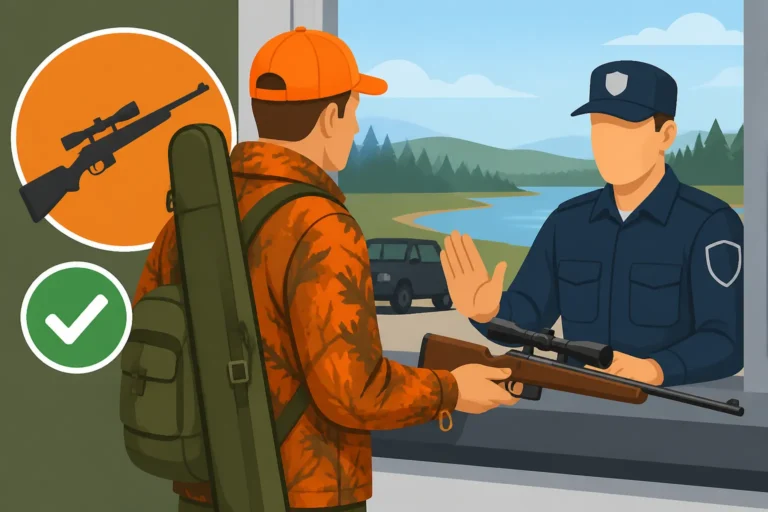
These are non-negotiables for any good outfitter. They guarantee a safe environment, whether that's adherence to hunting regulations, safe transportation to hunting areas, or proper handling of firearms in camp. They ensure their guides are trained in first aid and that emergency procedures are in place, especially when you're hunting in remote areas like those often found in Manitoba. Hunting Safely in Deep Winter Cold is a real concern, and a good outfitter will have protocols.
Comfort is also a major part of the package. This includes comfortable lodging, good food, and a welcoming atmosphere in camp. While it's a hunting trip, it should still be an enjoyable experience beyond the hunt itself. Professionalism means guides who are knowledgeable, courteous, and dedicated to making your overall experience positive, even if the hunting is slow. They’ll also be upfront about Manitoba Hunting Licences and What They Cost and other associated fees so there are no surprises.
Here's a breakdown of what to expect from a reputable outfitter:
| Feature/Promise | What a "Guaranteed Kill" Outfitter Might Imply | What a Reputable Outfitter Actually Provides |
|---|---|---|
| Outcome | You WILL get an animal. | You WILL have an opportunity to hunt an animal. |
| Effort | Minimal effort if they "guarantee" it. | Maximum effort from guides to put you in position. |
| Experience | Focus solely on the kill. | Focus on the entire hunting adventure, skill, and immersion. |
| Transparency | Often vague on details, focuses on "success." | Clear about regulations, challenges, and what's included. |
| Fair Chase | Potentially compromised (e.g., high fence). | Strict adherence to fair chase principles. |
| Safety | Assumed, but sometimes overlooked in pursuit of kill. | Paramount; proper protocols and trained staff. |
| Camp Life | Secondary to the "guarantee." | Comfortable lodging, good food, camaraderie. |
| Education | Limited, as the kill is primary. | Guides share knowledge, tracking skills, animal behavior. |
Respect for Regulations and Wildlife
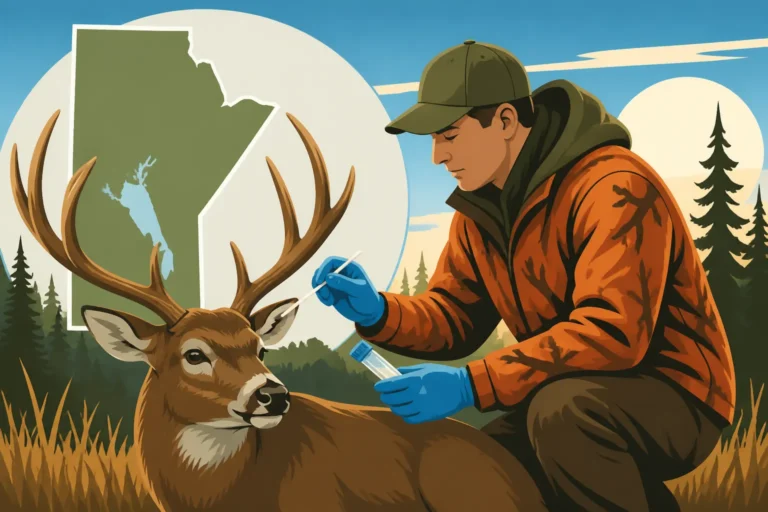
A good Manitoba outfitter operates strictly within provincial and federal regulations. They understand Manitoba's Game Hunting Areas and adhere to season dates, bag limits, and ethical hunting practices. They are stewards of the land and its wildlife, recognizing that conservation is paramount. They will ensure you understand and follow these rules, including things like Manitoba's CWD Sampling Requirements if you harvest an animal in a mandatory zone.
They also offer realistic Success Rates on Manitoba Whitetail Hunts for their area, often expressed as opportunity rates (how many hunters saw a legal animal) rather than kill rates. They will openly discuss the challenges of the hunt, what you can expect in terms of terrain, weather, and animal density. This transparency is a far better indicator of their integrity than any false promise of a guaranteed harvest.
Spotting Red Flags: When an "Outfitter" Promises Too Much
In the hunting industry, as in any other, there are individuals who prey on eagerness and inexperience. Knowing what to look for can save you a lot of money, disappointment, and potentially even legal trouble. A "guaranteed hunt" is almost always the first and biggest red flag.
Exaggerated Claims and Unrealistic Photos
If an outfitter's website or social media is full of images that look too perfect, or they claim "100% success rates year after year," proceed with extreme caution. While some outfitters have consistently high success rates, especially with certain species or methods like baited bear hunts, a literal 100% success rate with wild, free-range animals is virtually impossible to maintain over time. Weather, animal populations, hunter skill, and even random events mean some hunters will simply not connect.
Look for consistency, but question perfection. If every photo shows a Boone & Crockett class animal, and they claim that's the "average" harvest, it's probably too good to be true. Red Flags in an Outfitter's Website often include glossy, over-edited photos, vague pricing, and testimonials that sound suspiciously similar. Many reputable outfitters, whose listings you might find on platforms like BookYourHunt or GoHunt, will show a realistic range of harvests and discuss typical success rates rather than guarantees.
Vague Booking Terms and Financial Demands
Be wary of outfitters who demand full payment upfront without a clear contract, have excessively complex cancellation policies, or refuse to provide references. A reputable outfitter will have clear terms regarding deposits, payment schedules, and what happens if you need to cancel or reschedule. They'll be transparent about Manitoba Big Game Tag Costs and any other expenses not included in the package.
They should also be happy to provide contact information for past clients you can speak with directly. If they hem and haw, or only offer a few carefully curated testimonials, that's a sign to step back. You're investing significant money and time into this experience; you deserve to do your due diligence and have all your questions answered, including Questions to Ask Before Booking before committing.
Ignoring Rules or Promoting Unethical Practices
An outfitter who hints at bending regulations, encourages questionable practices, or doesn't emphasize ethical hunting is a major problem. This could involve suggesting you shoot an animal outside legal shooting hours, exceed bag limits, or hunt in prohibited areas. Not only is this illegal and unethical, but it could also land you in serious legal trouble and result in fines, loss of hunting privileges, or even jail time.
Reputable outfitters are guardians of the sport and the resource. They will always prioritize legal and ethical hunting. They will educate you on Manitoba's Night Hunting Rules or Rules on Baiting Big Game and ensure compliance. If you hear anything that sounds like it’s skirting the law or an ethical boundary, it's time to find a different outfitter.
Choosing an Outfitter Based on Realistic Expectations and Value
Once you understand that a "guarantee" is a myth, you can shift your focus to finding an outfitter who offers the best value in terms of a quality, ethical, and memorable hunting experience. It's about finding the right fit for your goals and expectations.
Research and Vetting Are Key
Start by thoroughly researching potential outfitters. Look at their websites, social media, and read independent reviews on hunting forums or platforms like BookYourHunt. Don't just look at the success photos; look at the stories, the details, and the overall impression. Do they seem professional, passionate, and honest?
Contact outfitters directly and ask detailed questions. Inquire about their experience, the specific areas they hunt, their typical guide-to-hunter ratio, and what a typical day on the hunt looks like. Ask for references from clients who hunted during similar times of year and under similar conditions to what you expect. A good outfitter will welcome these questions and be happy to provide transparent answers. You'll also want to ask about How Many Days a Guided Hunt Runs and what amenities are provided in camp.
Focus on the Overall Experience, Not Just the Kill
While harvesting an animal is often the primary goal, a truly successful hunt encompasses so much more. Consider what kind of experience you're looking for. Are you seeking a luxurious lodge with gourmet meals, or a more rustic, bare-bones camp deep in the bush? Do you want one-on-one guiding, or are you comfortable in a small group? What level of physical exertion are you prepared for? A good outfitter will match your expectations with their offerings.
The value of a guided hunt extends beyond the animal on the wall. It's about learning from experienced guides, exploring new territory, enjoying the camaraderie of camp, and creating lasting memories. Think about booking a Manitoba hunting trip as an investment in an adventure, not just a commodity. Even if you don't fill your tag, a well-run, ethical hunt can still be an incredibly rewarding experience. Platforms like GoHunt can help you research different areas and understand the type of hunting experience you can expect in Manitoba's diverse regions.
Understanding Success Rates and Opportunity
Instead of looking for a guarantee, look for realistic "opportunity rates" and "success rates." An opportunity rate indicates the percentage of hunters who had a shot opportunity at a legal animal. A success rate indicates the percentage of hunters who actually harvested a legal animal. These numbers provide a much clearer and more honest picture of what you can expect.
For example, an outfitter might tell you their whitetail hunts have an 80% opportunity rate and a 60% success rate. This means most hunters will see a shooter buck, but not everyone will connect. This is a very good, realistic set of numbers for free-range hunting. Factors like hunter skill, shot placement, and personal hunting preferences (e.g., only holding out for a true monster) will always influence the actual outcome. Ask about What Manitoba Guides Expect You to Shoot and be honest about your own capabilities.
Ultimately, choosing a Manitoba outfitter who "guarantees nothing" (in terms of a kill) but does guarantee effort, safety, professionalism, and a high-quality, ethical hunting experience is the smartest decision you can make. It sets you up for an incredible adventure where the true trophies are often the memories and the respect for the wild.
Disclaimer
This article is for general informational purposes only and does not constitute professional advice. Laws, prices and regulations vary by location and change over time. Consult a qualified professional for guidance on your specific situation.