Moose Hunting Manitoba’s Boreal Country
Moose hunting in Manitoba's vast boreal country is an experience unlike any other, demanding grit, patience, and a deep respect for the wild. It’s a pursuit that often tests your limits, pushing you deep into remote areas where cell service is a distant memory and the landscape itself becomes your biggest challenge. This guide is here to walk you through the realities, strategies, and essential preparations needed to successfully pursue moose in this rugged, beautiful part of our province.
Understanding Manitoba's Boreal Moose Habitat
The boreal forest in Manitoba is a sprawling, often unforgiving, yet incredibly rich ecosystem that moose call home. It's a land of contrasts, where dense stands of timber give way to expansive wetlands, and the calls of the wild echo through seemingly endless bush. Understanding this environment is the first crucial step to a successful hunt.
The Landscape of Boreal Moose Country
When we talk about boreal moose country, picture an immense tapestry of black spruce, jack pine, and tamarack, interspersed with pockets of aspen and birch. It’s thick, it’s often wet, and it can feel impenetrable at times. This isn't your open prairie whitetail hunt; visibility can be limited to mere yards, making every step a calculated decision. The ground underfoot is a mix of spongy moss, fallen timber, and often, deep, mucky muskeg that can swallow a boot whole. These wetlands, bogs, and innumerable small lakes and beaver ponds are not just obstacles; they are vital components of the moose habitat, providing water and crucial aquatic vegetation. This makes areas like the Grass River Country and the extensive forest lands around The Pas and Cormorant prime examples of this challenging yet rewarding terrain. The sheer scale and ruggedness mean that successful hunters often penetrate far beyond well-worn trails, embracing the wilderness completely.
Preferred Forage and Movement Patterns
Moose are creatures of habit, and their movements are largely dictated by their dietary needs and the availability of cover. In the boreal forest, their preferred forage includes a wide variety of woody browse, such as willow, aspen, red-osier dogwood, and birch. You'll often find them browsing along the edges of clearings, recent cutlines, or regenerating burn areas where young growth is abundant. During the warmer months, aquatic vegetation becomes a significant part of their diet, drawing them to shallow lakes, ponds, and especially beaver flowages. These water sources are absolute magnets for moose, offering both sustenance and a cool refuge from insects. As seasons change, so do their patterns. In winter, they might yard up in denser coniferous stands for protection from the elements, while during the rut, bulls become much more mobile, traversing miles of country in search of cows. Learning to identify these food sources and understanding how moose utilize the myriad of trails, old logging roads, and even waterways for travel is fundamental. They often follow the path of least resistance, making cutlines or natural ridges important travel corridors.
Moose Populations and Conservation in Manitoba
Manitoba’s moose populations have seen their share of challenges over the years, and understanding the current status and ongoing conservation efforts is crucial for any responsible hunter. It’s not just about finding a moose; it's about contributing to the sustainable management of this incredible species.
Current Moose Population Trends
For a while, many hunters felt the frustration of declining moose populations in some areas of Manitoba, particularly in the southern reaches of the boreal-parkland transition zones, like parts of the Duck Mountain. These declines were a complex issue, attributed to factors like habitat degradation, increased predation, and the insidious spread of winter ticks. However, the good news is that management efforts, including significant hunting closures and habitat work, appear to be having a positive impact in many areas. While some regions are still recovering, other more remote northern areas, especially those around the Nelson River Country and further north, generally maintain stable and healthy moose numbers. These remote regions, with their vast untouched habitat and lower human pressure, often represent the stronghold for Manitoba's moose. Still, moose are cyclical animals, and their numbers can fluctuate based on a variety of environmental factors, making regular monitoring and adaptive management vital.
Conservation Closures and Management Efforts
In response to past population declines, Manitoba implemented various conservation measures, including specific hunting closures in certain Game Hunting Areas (GHAs). These Manitoba's Moose Conservation Closures were often difficult for hunters to accept, but they were necessary steps to allow populations to rebound. It's essential for hunters to stay informed about which GHAs are open, which are closed entirely, or if there are any restrictions on tags or weapon types in specific zones. The province also engages in shared management strategies, particularly with Indigenous communities, which directly influences season structures and draw allocations. These collaborative efforts aim to ensure the long-term health of the moose population for all to enjoy. Before you even think about applying for a tag or heading into the bush, always consult the most current Manitoba Hunting Guide and verify the status of your chosen GHA. The landscape of regulations can change, and being up-to-date is not just smart; it's mandatory.
Key Moose Hunting Strategies for Boreal Terrain
Hunting moose in Manitoba’s boreal country is a strategic game, where patience and a deep understanding of moose behavior often trump sheer luck. The dense cover means you can’t rely on long-range glassing like you might out west. Instead, it’s about getting close, using your ears as much as your eyes, and knowing when to make a move.
Calling Strategies in the Bush
Calling moose in the boreal forest is an art form, especially during the peak of the rut, typically in late September through early October. The guttural grunts of a bull and the plaintive bleats of a cow can be incredibly effective in luring a moose into shooting range. Start with soft cow calls, mimicking a lonely female looking for companionship. If there’s a bull in the area, he’ll often respond with a grunt. Once you hear a response, match his intensity, gradually increasing the volume and aggression of your calls. Raking a tree with an old shoulder blade or an actual moose antler, mimicking a bull rubbing or sparring, adds another layer of realism to your setup. This is a powerful visual and auditory cue that can drive an aggressive bull crazy. Remember, though, that moose in thick boreal cover can approach silently, so stay vigilant and ready. Setting up in an area with good visibility, even if it's only 50-75 yards, and having clear shooting lanes are paramount. Effective Calling Moose in Manitoba's Boreal Forest often involves long periods of silence between calling sequences, letting the sounds dissipate and giving a hesitant bull time to commit.
Still-Hunting and Tracking through Dense Cover
When calling isn't producing results, or outside of the rut, still-hunting becomes an incredibly effective strategy. This involves moving through the woods at an excruciatingly slow pace, pausing every few steps to listen, scan, and soak in the environment. It’s about becoming part of the forest, not an intruder. Pay close attention to wind direction, always hunting into the wind or with a crosswind to keep your scent from reaching wary animals. Look for fresh tracks, rubs on trees, and browse lines that indicate recent moose activity. After a fresh snowfall, tracking becomes even more potent, as moose tracks in the white stuff can lead you directly to their bedding or feeding areas. Following these tracks requires immense patience, often covering miles for just a few yards of progress. This is where you might find yourself Hunting an Old Logging Road in the North, using the slightly more open corridors to your advantage while still remaining incredibly cautious. Every snap of a twig, every rustle in the leaves, could be the sound of a moose you're pursuing, or one that's about to bust out of thick cover right in front of you.
Hunting Near Water and Natural Funnels
Moose are often tied to water, especially during warmer periods when they seek relief from heat and insects, and to feed on nutrient-rich aquatic plants. Hunting areas with numerous small lakes, marshy edges, and particularly beaver ponds can be highly productive. These wetlands provide vital resources and often create natural funnels that moose use for travel. A narrow strip of dry land between two large muskegs or a dense timbered ridge bordering a sprawling marsh can concentrate moose movement. These are ideal ambush points. Similarly, river systems and their associated floodplains offer both food and clear travel corridors for moose. Identifying these natural funnels and pinch points on your topo maps or with a GPS app like GoHunt before you even step foot in the bush is a game-changer. Scout these areas for fresh sign – tracks along the muddy edges, browse on nearby shrubs, and disturbed vegetation where moose have entered or exited the water. Hunting Moose Around Manitoba Beaver Ponds can be particularly fruitful, as these areas concentrate activity around a vital resource.
Essential Gear and Preparation for Boreal Moose Hunts
Hunting moose in Manitoba's boreal country isn't just a physical challenge; it's an equipment challenge. The environment can be brutal, from relentless bugs to sudden, severe cold. Being adequately prepared with the right gear is non-negotiable for both success and safety.
Clothing and Layering for Extreme Conditions
Forget about your fair-weather hunting clothes; boreal moose country demands serious attire. You need a robust layering system that can handle everything from pouring rain and biting winds to deep cold and snow. Start with a good moisture-wicking base layer made of synthetic material or merino wool – cotton is a no-go as it holds moisture and will chill you to the bone. Next, a warm insulating mid-layer, like a fleece or puffy jacket. Your outer shell must be absolutely waterproof and breathable. Think GORE-TEX or similar high-performance fabrics.
Footwear is paramount. For early season hunts in the often-wet boreal, knee-high rubber boots are often preferred to keep your feet dry when crossing muskeg or shallow water. As the season progresses into late fall, insulated, waterproof hiking boots become essential, paired with thick wool socks. Don't skimp here; cold, wet feet will end your hunt faster than anything. Beyond that, a warm hat that covers your ears, robust gloves (and maybe a spare pair), and a neck gaiter are crucial. And for those early season hunts, invest in good bug protection: head nets, bug jackets, and industrial-strength repellents are not optional when the mosquitoes and black flies are thick enough to carry you away.
Navigation and Communication in Remote Areas
In the vastness of the boreal forest, relying solely on your phone is a recipe for disaster. Cell service is often non-existent once you step off the main roads. A reliable GPS unit, or a robust GPS app on your smartphone with pre-downloaded offline maps (like the GoHunt app), is absolutely essential. Couple this with a traditional compass and a physical map – because electronics can fail, batteries die, and screens crack. Understanding how to use these tools in conjunction is a critical survival skill.
Even with a GPS, things can go wrong. That’s why a satellite communication device, such as a Garmin InReach or a Spot device, is highly recommended. These devices allow you to send and receive messages, track your location, and, most importantly, send an SOS signal in a true emergency, even when miles from the nearest road. Always tell someone your detailed hunt plan, including your intended route, where you’ll be parking, and when you expect to return. This "trip plan" could be a lifesaver if you don't check in on time.
Camp Setup and Field Essentials
Whether you're roughing it in a tent or staying in an outfitter's cabin, your camp setup needs to prioritize warmth, dryness, and safety. If tenting, opt for a robust, four-season tent that can withstand wind and snow. Consider a portable wood stove for heat and drying gear if your setup allows. Always practice proper bear safety in camp: store food in bear-resistant containers, hang it from a tree, or keep it away from your sleeping area.
Beyond your shelter, a few field essentials will make a world of difference:
- Knives and Sharpening Tools: A sharp, sturdy knife (and a backup) is critical for field dressing and quartering. Don't forget a small sharpener.
- Game Bags: Bring plenty of breathable game bags to protect meat from dirt, flies, and debris.
- Fire Starting Kit: Waterproof matches, a lighter, and a fire starter (like a ferro rod) are vital for warmth, cooking, and signaling.
- First Aid Kit: A comprehensive kit capable of handling cuts, sprains, blisters, and other common hunting injuries. Include pain relievers, bandages, and any personal medications.
- Water Purification: A water filter or purification tablets are essential, as carrying enough water for days in the bush is impractical.
- Headlamp/Flashlight: With spare batteries. The days are short in the fall, and field dressing often happens in the dark.
- Rope/Cordage: Useful for hanging meat, securing tarps, or various camp tasks.
Always pack enough food for the duration of your hunt, plus an extra day or two's worth for unexpected delays. The goal is to be self-sufficient and prepared for whatever Manitoba’s boreal country throws at you.
Navigating Seasons, Tags, and Regulations
Successfully harvesting a moose in Manitoba’s boreal country isn't just about finding the animal; it's about navigating the often complex regulations surrounding seasons, tags, and specific GHA rules. This is where meticulous planning and adherence to the law become paramount.
Understanding Manitoba's Moose Seasons
Manitoba offers various moose seasons, typically segmented by weapon type – archery, rifle, and muzzleloader. Each season presents unique opportunities and challenges. Early archery seasons, usually in September, offer a chance to hunt during the rut, when bulls are most active and responsive to calls, but also bring warmer weather and persistent bugs. Rifle seasons, generally running from mid-October into November, benefit from cooler temperatures, fewer bugs, and often the first snow, which aids in tracking. Muzzleloader seasons typically fall between archery and rifle seasons or overlap with parts of the rifle season, offering a primitive weapon challenge.
The exact dates for When Manitoba's Moose Season Runs vary significantly by Game Hunting Area (GHA), so you must check the current Hunting Guide for your specific zone. Some GHAs might only have archery seasons, while others offer a full suite. The conditions during each season drastically affect hunting strategies; a September archery hunt is a completely different experience from a late November rifle hunt where you might be Hunting Whitetails at Thirty Below, let alone a moose.
The Moose Draw System and GHA Specifics
Unlike deer licenses, moose tags in Manitoba are allocated through a draw system, making them highly coveted and often difficult to acquire. The application process typically opens in the spring, with deadlines usually in June. Hunters apply for a specific GHA and weapon type, and successful applicants are notified later in the summer. It's a lottery, and draw odds can be challenging, especially for popular GHAs with healthy moose populations.
It’s crucial to research the Manitoba Moose Draw Odds by GHA before applying. Some GHAs have consistently better odds than others, often due to their remoteness or perceived difficulty. Don’t be afraid to apply for a less popular GHA if your goal is simply to get a tag. Furthermore, specific GHAs might have unique rules or be subject to Where Moose Hunting Is Closed Entirely due to conservation efforts. Always double-check these details to avoid disappointment or, worse, a violation. This is where tools like GoHunt can provide valuable GHA information and assist in planning.
Other Critical Regulations
Beyond seasons and tags, several other regulations are vital for moose hunting safety and legality:
- Blaze Orange: During rifle and muzzleloader seasons, wearing blaze orange is often mandatory. This isn't just a rule; it's a critical safety measure, especially in areas with multiple hunters. Always check the specific requirements for your GHA.
- Legal Firearms and Bows: There are minimum caliber requirements for rifles and minimum draw weights for bows used for moose hunting. Ensure your equipment meets these specifications. Using an inadequate firearm not only violates regulations but also risks wounding an animal.
- Tag Validation: Once you've harvested a moose, immediate and proper validation of your tag is legally required. This typically involves notching the date and time on the tag and attaching it to the animal. It’s also important to retain evidence of sex on the carcass until it's delivered to your permanent residence or a meat processor, as specified in Manitoba Tag Validation Rules. This prevents confusion and ensures compliance during transport or inspection.
Being thorough in your understanding and application of all regulations isn't just about avoiding fines; it's about being a responsible, ethical hunter who respects the wildlife and the hunting tradition.
Physical Demands and Safety in Remote Moose Country
A moose hunt in Manitoba's boreal forest is not for the faint of heart. It demands a significant physical toll and requires a proactive approach to safety. The terrain is unforgiving, the weather unpredictable, and the sheer scale of the landscape can quickly turn a minor mishap into a serious situation.
Physical Conditioning for a Moose Hunt
Let's be blunt: moose hunting in the boreal is physically punishing. This isn't a casual stroll in the park. You'll be hiking for miles through dense bush, over uneven ground, across muskegs, and battling fallen timber. And that's before you even find a moose. Once an animal is down, the real work begins. A mature bull moose can weigh upwards of 1,200 to 1,500 pounds, often in areas far from any road or trail. The process of field dressing, quartering, and then packing out hundreds of pounds of meat is an immense undertaking that will push your stamina and strength to their absolute limits.
Don't underestimate this aspect. Weeks, if not months, of pre-hunt conditioning are highly recommended. Focus on cardiovascular fitness through long hikes, especially with a weighted pack. Incorporate strength training, particularly for your back, legs, and core. Being able to hike five miles with a 50-pound pack, then still have the energy to break down an animal and start the packing process, is the standard you should aim for. Many hunters find that a moose hunt is the most physically demanding hunting experience they’ve ever had.
Bear Awareness and Wildlife Encounters
Manitoba's boreal forest is prime black bear country, and while they generally want nothing to do with humans, encounters are always a possibility. Being bear-aware is crucial. Make noise as you travel, especially in thick cover, to avoid surprising a bear. Carry bear spray on your hip, know how to use it, and have it readily accessible. If you come across a bear, make yourself look large, speak in a firm voice, and back away slowly. Never run.
Beyond bears, you might encounter other large predators like wolves. Hunting Wolves in Manitoba's North is a popular pursuit, but for moose hunters, they are just another part of the wild landscape. While aggressive encounters are rare, knowing how to conduct yourself around large carnivores is part of hunting in truly wild country. Always store food properly in camp to prevent attracting bears and other animals, keeping a clean camp is your first line of defense.
Surviving Unexpected Situations
The remoteness of boreal moose country means that help is often hours, if not days, away. This necessitates a strong focus on self-reliance and preparedness for unexpected situations.
- Getting Lost: Even with a GPS, it's possible to get disoriented in dense bush. If you realize you're lost, stay calm. Consult your GPS and map. If unsure, stay put, make a shelter, and signal for help (three shots, three blasts of a whistle, or three flashes of a mirror are universal distress signals).
- Injury: A twisted ankle, a deep cut, or even severe blisters can cripple a hunt and become life-threatening if you're alone and far from help. Carry a well-stocked first-aid kit and know basic first aid. Your satellite communication device is your lifeline in such situations.
- Severe Weather: The weather in Manitoba can change rapidly and dramatically, particularly in the fall. A warm, sunny morning can turn into a cold, wet, or even snowy afternoon. Hypothermia is a real threat. Always carry emergency shelter (even a sturdy garbage bag can help), fire-starting materials, and extra layers. Know the forecast, but be prepared for the worst-case scenario. Having a Winter Truck Kit for a Manitoba Hunt isn't just for vehicle safety; it often holds emergency supplies for personal survival too.
The best way to stay safe is to hunt with a partner, communicate your plans, and always err on the side of caution. No moose is worth risking your life for.
Post-Harvest Considerations: Meat Care and Retrieval
Congratulations, you've successfully harvested a moose! But the hunt isn't over. In fact, for many, the hardest work is just beginning. Getting that massive amount of meat out of the bush and properly cared for is arguably the most challenging part of a boreal moose hunt.
Field Dressing and Quartering a Moose
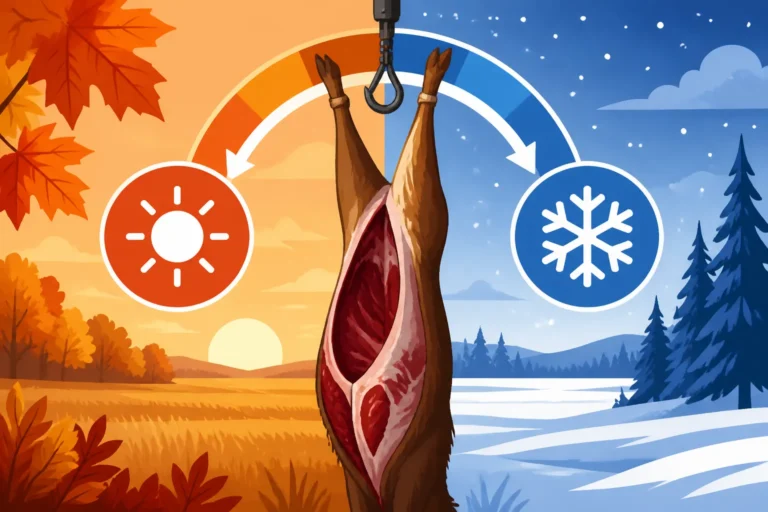
The moment a moose hits the ground, the clock starts ticking, especially in warmer early season conditions. Rapid and thorough field dressing is paramount to prevent meat spoilage. This involves gutting the animal as quickly and cleanly as possible to allow the carcass to cool down. In the boreal forest, getting a whole moose out often isn't feasible, meaning you'll need to quarter it in the field.
This process involves separating the animal into its major muscle groups – typically the four quarters, backstraps, and tenderloins. You'll need sharp knives, possibly a small bone saw (or a reciprocating saw with a coarse blade for larger bones like the pelvis), and a tarp or clean surface to work on. Hygiene is crucial: keep the meat as clean as possible, away from dirt, hair, and gut contents. Once quartered, place the meat into breathable game bags. These bags are essential for protecting the meat from flies, dirt, and debris while allowing air circulation to aid in cooling. Finding shade or hanging the meat in trees, if possible, will help accelerate cooling, which is vital to preserving quality.
Getting Your Moose Out of the Bush
This is where the true test of grit and planning comes into play. A full-grown moose is an incredibly heavy animal, and extracting it from dense, often wet, boreal terrain can be an epic task. Many hunters compare it to moving a small car through the wilderness.
- Physical Methods: Be prepared for multiple trips. If you have a partner or two, you can pack out quarters on specialized frame packs, but it will be slow and arduous. Game carts can be helpful on relatively flat, firm ground, but they often struggle in deep muskeg or over large fallen trees. If snow is present, a heavy-duty sled can be a lifesaver, allowing you to pull larger loads more efficiently.
- Mechanical Aids: In some accessible areas, you might be able to use an ATV or Side-by-Side to assist with extraction. However, always be aware of the rules for Quad and Side-by-Side Rules on Crown Land and know that many areas of the boreal are simply too rugged or remote for vehicles. Even with mechanical assistance, you'll likely still need to do a significant amount of manual labor to get the animal to a point where a vehicle can access it. Having a specific plan for Getting a Moose Out With a Quad or other means before you even take the shot is critical, as improvisation under pressure can lead to mistakes or wasted meat.
Meat Care and Transport
Once the meat is out of the bush, proper cooling is still the priority. If temperatures are above freezing, you might need to use coolers packed with ice (not directly on the meat, but in containers or wrapped in towels) or seek out a walk-in cooler at a local processor or outfitter. Prompt processing is key. You can either butcher the animal yourself (another massive undertaking) or take it to a professional meat processor. Manitoba has many excellent butchers who are experienced with wild game.
Finally, you must adhere to all regulations for Transporting Game Meat in Manitoba. This includes ensuring all tags are properly affixed, and depending on the species and GHA, certain evidence of sex (often the skull plate with antlers or proof of sex organs) must remain with the meat until it reaches its final destination. Be familiar with these requirements to avoid any legal issues during transport, especially if you're traveling a long distance. The reward for all this effort, of course, is a freezer full of delicious, healthy moose meat, truly earned through a demanding but incredibly rewarding experience in Manitoba’s wild boreal country.
| Moose Hunting Season | Pros | Cons | Typical Conditions |
|---|---|---|---|
| Archery (Early-Mid Sep) | Bulls are actively rutting, responsive to calls. Mild weather. | Intense bug pressure. Limited visibility due to foliage. Higher chance of warm weather impacting meat care. | Mild to warm, often wet. Heavy foliage. High insect activity. |
| Muzzleloader (Late Sep-Early Oct) | Can overlap with peak rut activity. Unique challenge of primitive weapon. | Bug pressure can still be significant. Weather can be unpredictable. Limited range. | Cool to cold, possibility of rain or early snow. Moderate foliage. |
| Rifle (Mid Oct-Late Nov) | Cooler temperatures, ideal for meat care. Foliage drops, increasing visibility. First snow aids tracking. | Moose can be less responsive to calls post-rut. More hunting pressure in accessible areas. | Cold, often with snow. Reduced foliage. Freezing temperatures. |
Disclaimer
The information provided in this guide is for general informational purposes only and is not a substitute for official regulations. Hunting laws and regulations in Manitoba can change, and it is the hunter's responsibility to consult the most current Manitoba Hunting Guide, obtain the necessary licenses and tags, and fully understand all applicable rules before heading into the field. Safety and ethical hunting practices should always be your top priority.