Day Rates Versus Full Packages
Planning a hunting trip in Manitoba can be incredibly exciting, but let's be honest, trying to navigate the different ways outfitters charge for their services can feel like walking through thick bush in the dark. It’s a common frustration, trying to compare apples to oranges when one outfitter offers a simple day rate and another presents a sprawling "all-inclusive" package. This guide is here to shine a light on the differences between day rates and full packages, helping you understand what each entails so you can make an informed decision for your next Manitoba adventure.
Understanding Day Rates in Manitoba Hunting
When you first start looking into guided hunts, especially if you're a seasoned local or just looking for a bit of specific assistance, you'll often encounter the term "day rate." It sounds straightforward enough, but the devil, as they say, is in the details. A day rate is essentially a fee charged by an outfitter or guide for their services over a single day, or sometimes a part of a day. It's often the simplest form of guided service, and for some hunters, it's exactly what they need.
The core idea behind a day rate is that you're paying for the guide's time, expertise, and potentially the use of their vehicle or specialized equipment for that specific day. It gives you a certain level of flexibility, allowing you to build your hunt piecemeal, rather than committing to a larger, predetermined structure. However, this flexibility also means you're typically responsible for many other logistical elements that would normally be covered in a full package.
For instance, a day rate might include the guide leading you to a prime Hunting a Manitoba Bush Edge, helping you set up a stand, or calling for Rattling and Calling Parkland Whitetails. It could be just for the hunting portion, meaning your meals, lodging, and transportation to and from the hunting area (before and after the guided day) are all on you. This can be great for local hunters who have their own camp setup or who can commute from home each day.
What Typically Defines a Day Rate
A day rate for a Manitoba hunting guide usually covers the guide's wages and their direct involvement in the hunt for a set period. This might mean an 8 to 10-hour day in the field, guiding you, sharing their knowledge of the area, and assisting with scouting or game retrieval. Think of it as hiring a specialist for a very specific job.
Beyond the guide's direct presence, a day rate will often include access to the outfitter's hunting territories, whether that's private land they have permission for or certain public lands they regularly work. It might also cover the use of their ATV, snowmobile, or boat for getting to and from remote hunting spots, which can be invaluable when trying to navigate challenging Manitoba terrain, especially in deeper winter snows.
What you won't typically find in a day rate are things like meals, accommodation, or permits. You'll likely need to secure your own Manitoba Hunting Licences and What They Cost and tags, arrange your own lodging in a nearby town or campground, and pack your own lunch and snacks for the field. This can be a huge advantage for hunters who prefer to manage these aspects themselves or have specific dietary needs that might not be easily accommodated by a full camp setup. It's a "come as you are, leave as you are" kind of deal, with the guide providing the expertise to put you on game.
Pros and Cons of Opting for Day Rates
Choosing a day rate comes with a distinct set of advantages and disadvantages that every hunter should weigh. On the pro side, the most obvious benefit is often the perceived lower upfront cost. Since you're not paying for lodging, meals, or other amenities, the daily fee for the guide might seem much more palatable. This can be particularly appealing for hunters on a tighter budget, or for those who simply don't need or want all the bells and whistles of an all-inclusive trip.
Another big plus is flexibility. You can often book day rates for shorter durations, perhaps just a single day or a weekend, which is perfect if you have limited vacation time or want to test the waters with a new guide or area. It also allows you to handle your own logistics, giving you control over where you stay, what you eat, and how you travel to and from the hunting area. This autonomy can be liberating for experienced hunters who enjoy managing their own camp or prefer a certain level of independence.
However, the cons are equally important to consider. While the initial cost might be lower, day rates can sometimes lead to hidden expenses if you're not careful. You're responsible for your own lodging, food, and often any transportation to the main rendezvous point each day. These costs can quickly add up, potentially making a multi-day day-rate hunt more expensive than a comparable package deal. The logistics can also be a headache, especially for non-residents unfamiliar with local resources or transportation options. Imagine arriving in Manitoba, hunting all day, and then scrambling to find a good meal and a comfortable bed each night – it can detract from the overall hunting experience.
When a Day Rate Makes Sense for Your Hunt
A day rate truly shines in specific hunting scenarios. If you're a Manitoba resident with your own gear, a familiar camp setup, and a good understanding of the local area, a day rate might be a perfect fit. Perhaps you've got a busy work schedule and can only sneak away for a day or two to chase Hunting Hungarian Partridge on Manitoba Farms or Jump-Shooting a Manitoba Prairie Pothole. In these cases, you don't need a full-service camp; you just need a guide to help you pinpoint specific game or navigate tricky access points.
It's also an excellent option if you're adding a specialized hunt to an existing trip. For example, if you're already in Manitoba for a Whitetail Hunting in Manitoba trip and decide you want to try Calling Coyotes in Manitoba Farm Country for a day, a guide offering a day rate might be your best bet. You can integrate their specialized knowledge without altering your primary hunting arrangements.
Another ideal situation is for experienced hunters who prefer a more "do-it-yourself" approach but still want the benefit of local expertise. You might be perfectly capable of skinning your own game, cooking your own meals, and setting up your own accommodations, but you want a guide who can save you weeks of scouting time by putting you in the right area. For instance, if you're keen to try Calling a Bull Moose in the Rut but don't know the Boreal forest, a day rate guide could be exactly what you need to boost your chances.
Deciphering Full Hunting Packages in Manitoba
In contrast to day rates, full hunting packages aim to provide a seamless, all-encompassing experience. For many hunters, especially those traveling a significant distance or who are new to Manitoba, these packages offer peace of mind and significantly reduce the logistical burden of planning a remote hunt. When an outfitter talks about a "full package," they're generally referring to a bundled service that takes care of most, if not all, of your needs from the moment you arrive at a designated meeting point until you depart.
This type of offering is designed to make your hunting trip as smooth and worry-free as possible. You’re not just paying for a guide’s time; you're investing in an entire hunting experience curated by professionals. This often means consistent service, comfortable accommodations, and delicious meals, all designed to maximize your time in the field and ensure you're well-rested and fed. It’s the kind of experience many envision when they think of a classic guided hunt in the Canadian wilderness.
Many outfitters, especially those catering to non-resident hunters, predominantly offer full packages. If you're browsing platforms like BookYourHunt or GoHunt for Manitoba outfitters, you'll find that the vast majority of listings for big game like Moose Hunting Manitoba's Boreal Country or Black Bear Hunting in Manitoba are structured as full packages, simply because they cover the essential needs of someone unfamiliar with the local environment.
The Comprehensive Nature of Full Packages
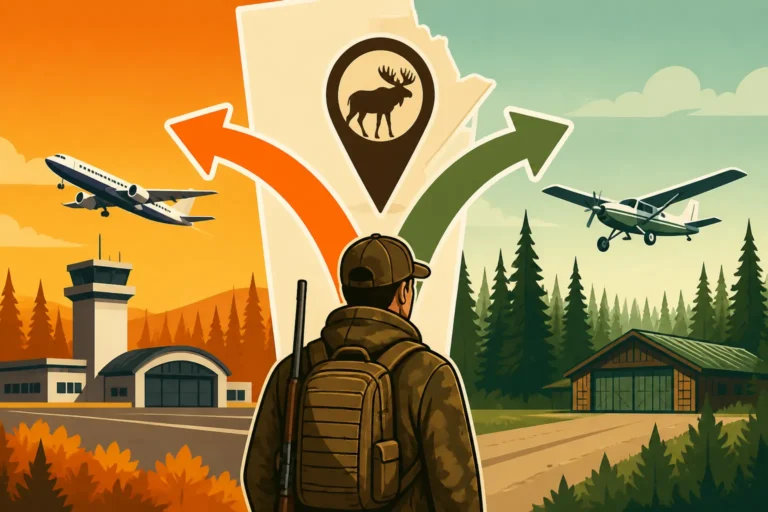
A typical full hunting package in Manitoba is designed to cover almost everything you’ll need from the moment you arrive at the designated meeting point, which is often a local airport or the outfitter's main lodge. This usually starts with ground transportation from that meeting point directly to the hunting camp or lodge. No need to rent a vehicle or worry about navigating unfamiliar roads; the outfitter has you covered.
Once you’re at camp, the package will almost certainly include comfortable lodging. This could range from rustic but cozy cabins in the bush to more luxurious lodges with all the modern amenities, depending on the outfitter and the cost. Crucially, all your meals are included. Expect hearty, home-cooked food that will fuel you for long days in the field, often served communal style, adding to the camaraderie of the camp.
Beyond the basics, a full package will provide a dedicated guide or guides, one-on-one or two-on-one, to lead your hunt each day. They'll have already Scouting a Manitoba Game Hunting Area and established prime locations, so your time is spent efficiently. It also generally includes transportation during the hunt itself—whether that’s by truck, ATV, boat, or even on foot to various hunting spots. Some packages even include initial field dressing, caping, and cold storage for your harvested animal, which is an enormous benefit when you’re deep in the bush. Essentially, the goal is to remove as many logistical worries as possible so you can focus entirely on the hunt.
Advantages and Disadvantages of All-Inclusive Hunts
The biggest advantage of an all-inclusive hunt is the sheer peace of mind it offers. Imagine arriving in a new place, knowing that your food, lodging, transportation, and expert guidance are all pre-arranged and handled. This removes a tremendous amount of stress, allowing you to immerse yourself fully in the hunting experience. For non-residents, especially, this convenience is invaluable as it eliminates the complexities of navigating local services, understanding rules for Transporting Game Meat in Manitoba, and finding accommodation in unfamiliar towns.
Budget predictability is another huge plus. While the upfront cost is higher, you generally know exactly what you’re paying for the core hunt. There are fewer unexpected expenses popping up during the trip itself, making financial planning much simpler. Many outfitters offer detailed breakdowns of what their packages include, allowing you to clearly compare options from various providers on platforms like BookYourHunt.
However, full packages do come with their drawbacks. The most obvious is the higher price tag compared to a day rate. You're paying for all those amenities and the convenience, which adds up. This can make them less accessible for some hunters, or for those who prefer to save money by handling parts of the trip themselves. Another potential disadvantage is a lack of flexibility. Packages are often structured for specific durations (e.g., 5-day hunts), and deviating from that can be difficult or incur additional costs. If you prefer to be highly independent, cook your own meals, or choose your own lodging, a full package might feel a bit too restrictive.
Who Benefits Most from a Full Package
Full hunting packages are ideally suited for certain types of hunters and situations. Foremost among them are non-resident hunters, whether from other Canadian provinces or international visitors. For someone traveling to Manitoba for the first time, a full package provides a welcoming, organized entry into an unfamiliar hunting landscape. The logistical support, from airport pickup to comfortable lodging and prepared meals, makes the experience much smoother and more enjoyable. It means less time worrying about the details and more time focused on the hunt itself, whether it's for Elk Hunting in Manitoba in the parkland or Barren-Ground Caribou Hunting in Northern Manitoba in the far north.
First-time hunters, regardless of residency, also benefit immensely from a full package. The comprehensive guidance and support can be crucial for someone still learning the ropes of big game hunting. Outfitters often tailor these experiences to new hunters, providing instruction and ensuring a safe and educational trip. It allows them to learn from experienced professionals without the added stress of managing all the logistics themselves.
Finally, hunters who simply want a hassle-free, comfortable experience will find full packages appealing. If your vacation time is precious and you want to maximize your hunting days without the chores of cooking, cleaning, or driving, a package offers that seamless, "turnkey" adventure. It’s also excellent for groups or families who want to share a memorable experience without the burden of extensive planning, knowing that a professional has taken care of the heavy lifting. Planning a Manitoba Hunting Trip becomes much simpler when many elements are bundled.
Key Components and Hidden Costs to Consider
Regardless of whether you choose a day rate or a full package, it's absolutely crucial to dig into the details of what's included and, perhaps more importantly, what isn't. Many hunters, myself included, have learned the hard way that a great sounding price can quickly escalate once all the "extras" are factored in. Understanding these key components and potential hidden costs is vital for accurate budgeting and avoiding unpleasant surprises during your trip.
It's not just about the sticker price; it's about the total investment. This is where researching thoroughly and asking pointed questions comes into play. You don't want to be halfway through your hunt for Waterfowl Hunting Manitoba's Grain Fields only to realize you forgot to budget for a critical expense that wasn't mentioned upfront.
Platforms like GoHunt and BookYourHunt can be useful for comparing different offerings, but always remember to cross-reference and ask direct questions to the outfitter themselves. The fine print matters, and a clear understanding before you commit your hard-earned money will save you headaches and ensure a much more enjoyable and financially predictable hunting experience in Manitoba.
Beyond the Sticker Price: What's Often Extra?
This is where many hunters get caught out, especially if they're not asking the right questions or reading the terms and conditions carefully. While a full package might seem all-inclusive, there are several common items that are almost always not part of the base price, and they can add significantly to your overall cost.
Licences and Tags: First and foremost, your actual hunting licence and specific game tags (for deer, bear, moose, etc.) are practically never included in an outfitter's package price. These are government-issued permits that you, as the hunter, are responsible for purchasing. Make sure you understand the Manitoba Big Game Tag Costs and any specific draw requirements or application deadlines well in advance. For big game, this could be a substantial additional cost.
Gratuities (Tips): Tipping your guide, camp staff, and any other support personnel is customary in the hunting industry, and it's almost never included in the package. These amounts can vary, but generally, a good rule of thumb is 10-20% of the hunt's value, depending on the service and your satisfaction. This can be a significant unbudgeted expense if not planned for. You can usually find information on How Tipping Works on a Guided Hunt from the outfitter or through online research.
Meat Processing & Taxidermy: After a successful harvest, the next step is often processing your game and potentially preparing your trophy for taxidermy. While some outfitters might offer basic field dressing and caping, anything beyond that – professional butchering, freezing, packaging, or taxidermy services – will be an additional charge. Transporting your trophy or meat across borders (if you're a non-resident) also involves specific rules and potential costs. Getting Meat Processed in Manitoba or Shipping Meat Home From Manitoba are important considerations.
Travel to Camp: While a full package often includes transportation from a specific rendezvous point (like an airport) to the camp, it rarely covers your travel expenses to get to Manitoba in the first place. This means your flights, gas, or other travel costs to Winnipeg or another designated pickup location are on you. For fly-in hunts, the charter flight might be included in the package, but always confirm this explicitly.
Personal Gear & Alcohol: Think of all your personal hunting clothing, footwear, optics, and firearms. These are your responsibility. Similarly, while water, coffee, and sometimes pop might be included, alcoholic beverages are almost always extra and you might need to purchase them before heading to a remote camp. It's vital to have the right gear, especially when considering Hunting Safely in Deep Winter Cold or dealing with Bug Season on a Spring Manitoba Hunt.
The Impact of Duration and Group Size
The length of your hunt and the number of hunters in your party can dramatically influence both day rates and full package pricing. Generally speaking, the longer you plan to hunt, the more the total cost will be, but the daily rate might actually decrease. Outfitters often offer a lower per-day price for a 7-day hunt compared to a 3-day hunt, as it allows them to maximize their resource allocation and guide scheduling.
Similarly, group size plays a significant role. Many outfitters price their services based on a "hunter-to-guide" ratio, such as 1:1 (one hunter per guide) or 2:1 (two hunters per guide). A 1:1 ratio will almost always be more expensive per person because you're receiving the guide's undivided attention. If you're hunting with a buddy and opt for a 2:1 ratio, the per-person cost will likely be lower. Outfitters might also offer discounted rates for larger groups or parties, as it fills up their camp and simplifies logistics. For instance, a group booking for a Manitoba Waterfowl Outfitter Packages might get a better deal per hunter than an individual.
It’s worth inquiring about group rates even if you’re a smaller party. Sometimes an outfitter will have specific openings they are trying to fill, and if you can be flexible with your dates or combine with another small group, there might be opportunities for savings. This is another area where platforms like BookYourHunt allow you to specify group size and filter for relevant packages.
Understanding Tax and Currency Exchange
For many hunters, particularly those coming from outside Canada, taxes and currency exchange rates are often overlooked until the final bill arrives. In Manitoba, as with the rest of Canada, you will encounter sales tax on most goods and services, including guided hunting trips. This tax is typically added on top of the quoted price, so always clarify whether the prices you're seeing are "all-in" or if tax will be an additional percentage.
Currency exchange is another significant factor that can shift your budget dramatically. If you're coming from the United States, for example, the conversion rate between USD and CAD can either work in your favour or against you, depending on the market at the time of booking and payment. An outfitter might quote you a price in Canadian dollars, and while that might look like a certain amount in your home currency today, it could change by the time you make your deposit or final payment.
Always ask outfitters which currency their prices are quoted in and factor in the current exchange rate when budgeting. Some outfitters may accept payment in USD, but they will likely use their own conversion rate, which may or may not be the most favourable for you. It's smart to monitor exchange rates and try to lock in payments when the rate is beneficial. Consider these factors when evaluating What a Manitoba Guided Hunt Costs or Manitoba Black Bear Hunt Prices. A difference of a few percentage points in exchange can add hundreds, or even thousands, to the total cost of a major hunt.
Tailoring Your Choice to Your Manitoba Hunt Goals
Making the right choice between a day rate and a full package isn't just about the money; it's deeply tied to your personal hunting style, your experience level, and what you ultimately want to get out of your Manitoba adventure. There's no single "best" option, as what works perfectly for one hunter might be entirely unsuitable for another. It's about aligning the service with your specific needs and expectations.
Before you even start looking at prices, take a moment to reflect on your own hunting preferences. Are you someone who enjoys the entire process, including the logistics and camp setup, or do you prefer to hand those responsibilities off to someone else? How much local knowledge do you already possess? What kind of challenges are you hoping to overcome, and which ones would you rather avoid?
These introspective questions will guide you toward the type of service that will truly enhance your hunt, rather than just being a financial transaction. Ultimately, a successful hunt isn't just about harvesting an animal; it's about the entire experience, and ensuring that experience aligns with your vision is paramount.
Assessing Your Experience Level and Local Knowledge
Your personal hunting experience and familiarity with Manitoba's unique hunting landscape should heavily influence your decision. If you're a seasoned hunter who has spent years chasing whitetails in the prairies, perhaps even having your own network of private land access and understanding of Hunting Whitetails on Manitoba Crown Land, a day rate might be all you need. You're competent in the bush, capable of handling game recovery, and comfortable with your own gear and camping setup. You might simply be looking for a guide to help pinpoint a specific Hunting a Bluff Between Two Fields or to provide expertise on Grunt Calls Late in Manitoba's Rut.
Conversely, if this is your first time hunting in Manitoba, or your first big game hunt altogether, an all-inclusive package offers invaluable support. The knowledge that transportation, meals, lodging, and a professional guide are all taken care of can significantly reduce anxiety and allow you to focus on learning and enjoying the hunt. You won't have to worry about finding Getting a Deer Out on a Frozen Trail or where to Hanging Meat in Fall Temperature Swings, as the outfitter will likely handle those details. This comprehensive support is especially beneficial for Manitoba Youth and Mentored Hunting participants or those simply seeking a stress-free introduction to hunting.
For non-residents, even experienced ones, the local knowledge provided by a full package is often indispensable. Understanding local regulations, navigating specific Manitoba's Game Hunting Areas, and knowing the intricacies of Manitoba's diverse terrain—from Hunting the Interlake Between the Lakes to Hunting Manitoba's Eastern Shield Country—can be a steep learning curve. An outfitter’s team brings years of accumulated wisdom to the table, making your hunt far more efficient and productive.
Budgeting for the Unexpected: Contingency Planning
Even with the most meticulously planned trip, unexpected situations can arise in the backcountry. This is where contingency planning comes into play, regardless of whether you choose a day rate or a full package. While a full package might absorb some minor unforeseen issues (like a vehicle breakdown during the hunt), it won't cover everything, especially personal emergencies or external factors.
Always build a buffer into your budget. This extra fund can cover things like unexpected travel delays, additional nights of lodging if weather prevents travel, or even minor repairs to your personal gear. If you're on a day rate, this buffer might need to be larger, as you're responsible for more of your own logistics. For instance, if your vehicle breaks down on the way to your rendezvous point, that cost is on you. Having an extra few hundred or even a thousand dollars set aside can be the difference between a minor inconvenience and a major headache.
Consider travel insurance, especially for high-value guided hunts or if you're traveling from a long distance. Policies can cover trip cancellations, medical emergencies, or lost luggage, providing an extra layer of financial protection against unforeseen events. Manitoba Hunt Cancellation Insurance can be a wise investment, particularly if you've paid a substantial deposit well in advance. While nobody likes to think about things going wrong, being prepared allows you to enjoy your hunt with greater peace of mind, knowing you've got a backup plan.
Researching Outfitters and Their Offerings
The final piece of the puzzle, and perhaps the most critical, is thoroughly researching the outfitter you're considering. It doesn't matter if you're looking at a day rate for ducks or a full package for a trophy moose; the quality of your experience will largely depend on the professionalism and reputation of your chosen guide or outfitter. Don't just pick the first one you find or the cheapest option.
Start by looking at reviews and testimonials, but also understand how to Reading Outfitter Reviews Honestly. Many platforms like BookYourHunt allow you to filter and read reviews from previous clients, which can offer valuable insights. However, also seek out personal references; a reputable outfitter should be happy to provide contact information for past clients you can speak with directly. Ask them about the quality of the guiding, the camp conditions, the food, and how the outfitter handled any challenges that arose during their hunt.
Beyond testimonials, verify the outfitter's licensing and ensure they are operating legally in Manitoba. Understand their specific policies on everything from payment schedules and cancellations to what happens in the event of poor weather or unsuccessful hunting. A good outfitter will be transparent and forthcoming with all this information. This diligence upfront is your best defense against a disappointing or frustrating experience, ensuring that your investment in a Manitoba hunt is well spent.
Negotiating and Confirming Your Booking
Once you've done your research and you're leaning towards a specific outfitter and type of service, the next step is to engage them directly and confirm all the details. This is not the time to be shy or assume anything. Clear communication upfront can prevent misunderstandings and ensure both parties are on the same page. Think of this as the final check before committing to what could be one of the most memorable hunting experiences of your life.
This stage involves not just confirming prices, but also understanding the nuances of the service, the expectations of the outfitter, and your responsibilities as a hunter. It’s also the time to ensure that all agreements are put in writing, providing a clear record for both you and the outfitter. Taking these steps seriously will solidify your plans and allow you to fully anticipate your adventure without lingering questions or doubts.
Questions to Ask Before You Book
Before you commit to a day rate or a full package, prepare a comprehensive list of questions to ask the outfitter. This will ensure you have a complete picture of what to expect and what you're paying for. Don't be afraid to ask for clarification on anything that's unclear.
Here's a breakdown of crucial inquiries:
- Inclusions and Exclusions: Get a crystal-clear list of what is and is not included in the price. Reconfirm points like licences, tags, CWD sampling (critical for Manitoba's CWD Sampling Requirements), meat processing, taxidermy, transportation to/from the airport, gratuities, and alcohol. Ask specifically about "trophy fees" if hunting antlered animals – some outfitters charge extra for larger animals.
- Specific Logistics: What are the exact dates of the hunt? What time should you arrive and depart? What is the meeting point? How long are the typical hunting days? What type of transportation will be used during the hunt (e.g., truck, ATV, boat, walking)? What are the camp facilities like (e.g., beds, heating, showers, electricity, cell service, Cell Service at a Manitoba Camp)?
- Guide Experience and Ratios: How many hunters will be with each guide? What is the guide’s experience level with the species you are hunting and in that specific area? Will you have the same guide for the entire trip?
- Success Rates and Expectations: While no ethical outfitter can guarantee a kill, ask about their historical success rates for the species and time of year you're hunting. Also, inquire about the typical size of animals harvested in that area. Understand What Success Rates Actually Mean and why they vary.
- Hunt Specifics: If you're Baiting Black Bear in Manitoba, how many baits does the outfitter run? What kind of stands are used? If it's a spot-and-stalk hunt, what are the typical distances? If you're Calling Moose in Manitoba's Boreal Forest, what calling techniques are employed?
- Emergency Procedures: What is the outfitter's emergency plan in case of injury or other unforeseen circumstances in remote areas? (Emergency Plans in Manitoba's Bush are vital).
The more specific your questions, the more prepared you'll be for your Manitoba hunting adventure.
The Importance of a Written Contract
Once you’ve asked all your questions and are satisfied with the answers, ensure that all the agreed-upon terms are put into a written contract. This is a non-negotiable step for any guided hunt, whether it's a day rate or a full package. A verbal agreement is simply not enough, especially when dealing with significant financial commitments and travel plans.
A good contract should clearly outline:
- The exact dates and duration of the hunt.
- The species you are hunting.
- The specific inclusions and exclusions (reconfirming everything from your question list).
- The total cost, breakdown of payments, and accepted currency.
- The deposit amount and due dates for remaining payments.
- The cancellation and refund policy.
- Any liability waivers or insurance requirements.
- The outfitter’s licensing information.
- Any specific rules or regulations you need to adhere to while on the hunt.
Review the contract carefully before signing. If there’s anything you don’t understand or disagree with, discuss it with the outfitter before putting your signature on it. This written document protects both you and the outfitter, serving as a clear reference should any disputes or misunderstandings arise. It’s a standard business practice that provides peace of mind for all involved.
Deposit, Payment Schedules, and Cancellation Policies
Understanding the financial commitments and associated risks is paramount when booking a guided hunt. Outfitters typically require a deposit to secure your booking, especially for popular seasons like Hunting the Rut in Early to Mid November for whitetails or Spring Bear Hunting in Manitoba. This deposit can range from a few hundred dollars to a significant percentage of the total hunt cost. Confirm the exact deposit amount and when it is due.
Beyond the deposit, ask about the payment schedule for the remaining balance. Is it due a certain number of days or months before the hunt? Is there a final payment required upon arrival? Knowing these dates will allow you to budget and plan your finances accordingly. Also, clarify the accepted payment methods, whether they prefer bank transfers, credit cards, or other forms of payment, and whether there are any processing fees associated with them.
Crucially, you need to understand the outfitter's cancellation policy. Life happens, and sometimes even the best-laid plans can go awry. What happens if you need to cancel your hunt? Will your deposit be refunded, partially refunded, or forfeited? Are there options to rebook for a later date? What are the policies if the outfitter has to cancel due to unforeseen circumstances like severe weather, wildfires, or other operational issues? This is where Whether a Draw Licence Can Be Cancelled or Getting a Refund When a Guide Cancels become critical questions. Some outfitters may offer trip insurance or recommend third-party providers, which can be a wise investment to protect your financial commitment. Always get these policies in writing as part of your contract.
| Feature | Day Rate | Full Package |
|---|---|---|
| Inclusions | Guide's time, access to hunting land, some field transport | Guide, lodging, meals, field transport, basic field dressing, transport to/from meeting point |
| Exclusions | Lodging, meals, licenses, tags, CWD sampling, gratuities, meat processing, personal travel, alcohol | Licenses, tags, CWD sampling, gratuities, advanced meat processing, taxidermy, personal travel to province, alcohol |
| Ideal For | Local hunters, experienced DIY hunters, short trips, adding specific species, flexible schedules | Non-residents, first-time hunters, groups, hassle-free experience, limited local knowledge |
| Cost Structure | Lower upfront cost, but requires self-managed additional expenses | Higher upfront cost, but more predictable total budget for core hunt |
| Flexibility | High: choose own lodging, meals, duration | Moderate: fixed durations, less choice in amenities |
| Logistical Burden | High: hunter manages many aspects | Low: outfitter handles most arrangements |
Disclaimer
This article is for general informational purposes only and does not constitute professional advice. Laws, prices and regulations vary by location and change over time. Consult a qualified professional for guidance on your specific situation.