Hanging Meat in Fall Temperature Swings
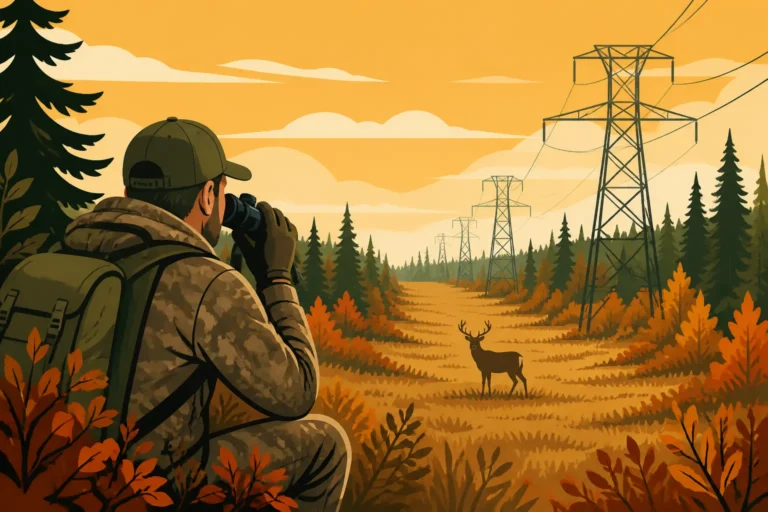
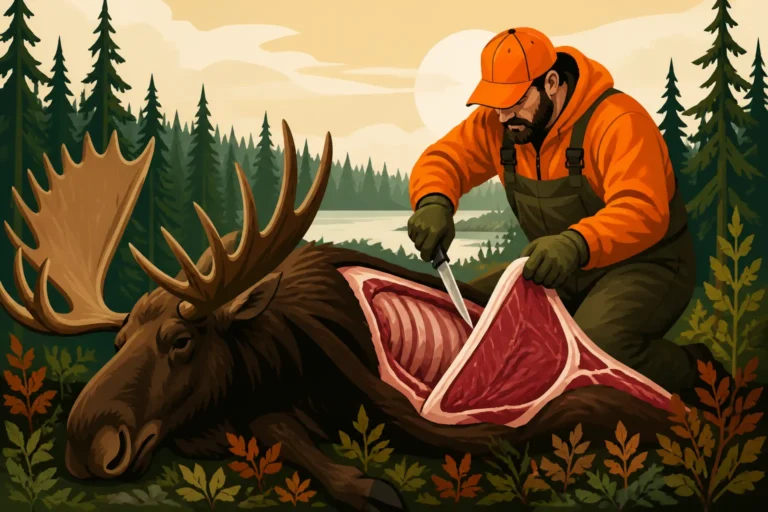
You've spent hours, days even, scouting, tracking, and finally, you've connected on a beautiful Manitoba whitetail or a majestic moose. The feeling of accomplishment is immense, but the work isn't over. In fact, one of the most critical stages begins now: proper meat care. Fall in Manitoba is notorious for its fickle weather, swinging from brisk, ideal cooling temperatures one day to unseasonably warm afternoons the next, making the task of hanging and aging your wild game a genuine head-scratcher. This guide is dedicated to helping you navigate these challenging temperature fluctuations to ensure your hard-earned venison or moose meat is perfectly cared for and tastes incredible on the table.
Understanding Fall Temperature Swings in Manitoba
Manitoba's fall hunting seasons, especially for big game, often coincide with a period of wildly unpredictable weather. One moment, you're bundled up for a crisp morning hunt, hoping the temperature stays just above freezing for ideal cooling. The next, the sun is blazing down, pushing daytime highs well into the double digits. This isn't just an inconvenience; it's a major factor in meat spoilage and quality. The constant up and down requires a hunter to be adaptable and diligent, always thinking a step ahead of Mother Nature.
The "Danger Zone" Temperature Range
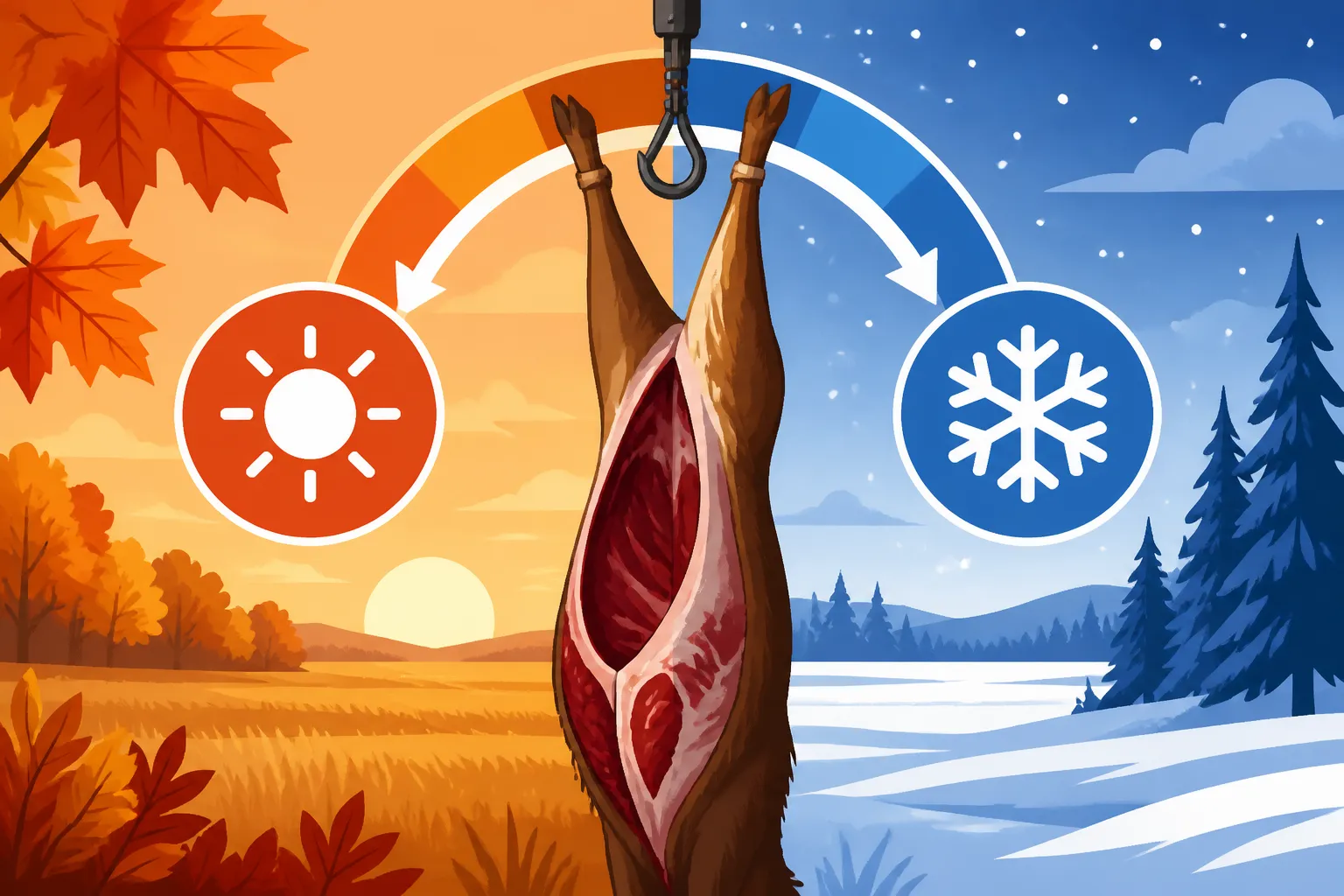
When it comes to meat, there's a widely recognized "danger zone" for bacterial growth, which is typically between 4°C and 60°C (40°F and 140°F). Our primary goal after a successful harvest is to get the internal temperature of the animal's muscle tissue out of this range as quickly as possible, ideally below 4°C (40°F). In Manitoba's fall, daytime highs often hover right in this danger zone, while night-time lows might dip well below freezing. This fluctuating environment makes sustained cooling a real challenge.
Imagine you've harvested a deer mid-morning when the air temperature is a perfect 2°C. You get it field dressed efficiently, allowing it to start cooling. But by afternoon, the mercury climbs to 10°C, and suddenly, that perfectly cooling carcass is sitting in prime bacterial growth territory. Without proper precautions, this short period can be enough to compromise the quality of your meat, leading to souring or spoilage. It's a frustrating reality many hunters face, particularly when away from accessible cold storage.
Daily Fluctuation Challenges
Beyond the overall temperature range, the daily swings themselves present unique difficulties. A cold night might firm up the outer layers of the meat, but if the daytime warms significantly, the core can still be quite warm, especially in larger animals like moose or elk. The sun's direct rays, even on a cool day, can rapidly elevate surface temperatures, almost like a slow oven, potentially spoiling the exposed outer layers. Wind can be a friend, helping to wick away heat and moisture, aiding in cooling and forming a protective pellicle, but too much warmth and wind can lead to rapid drying and a hard, crusty exterior before the interior has properly aged.
This is where the art of meat care truly comes into play. It's not just about getting the animal cold; it's about maintaining that cold, ensuring good airflow, and protecting the meat from environmental factors like direct sunlight, rain, and insects. For hunters out on a multi-day trip for a species like Moose Hunting Manitoba's Boreal Country or Elk Hunting in Manitoba, these daily fluctuations can demand constant vigilance and quick decisions.
Optimal Conditions for Aging Game Meat
Before we dive into solutions for temperature swings, let's briefly touch on what truly ideal conditions look like for aging game meat. Understanding the goal makes it easier to appreciate the strategies we employ to get as close as possible when conditions are less than perfect. Proper aging allows enzymes naturally present in the meat to break down connective tissues, tenderizing it and enhancing its flavour profile.
The Goldilocks Zone for Temperature and Humidity
The "Goldilocks Zone" for hanging and aging game meat is generally considered to be between 0°C and 4°C (32°F and 40°F), with relative humidity levels around 70-80%. In this environment, bacterial growth is significantly slowed, allowing the natural enzymatic processes to work their magic over several days, or even a couple of weeks, depending on the animal and desired tenderness.
Why this specific range? Below freezing, the enzymatic action largely halts, meaning the meat won't age. Above 4°C, the risk of spoilage due to bacterial proliferation increases dramatically, potentially turning your prized harvest into a waste. Humidity is also key; too dry, and the meat will form a thick, hard crust, leading to excessive trim loss. Too humid, and surface mold or bacterial growth can become an issue. Achieving this perfect balance without a dedicated walk-in cooler can feel like a pipe dream in a typical Manitoba fall.
Airflow and Protection from Contaminants
Beyond temperature and humidity, good airflow is paramount. Circulating air helps to draw out residual heat, cools the meat evenly, and allows a protective, dry "pellicle" to form on the surface. This pellicle acts as a natural barrier against bacteria and helps to preserve the meat during the aging process. Without adequate airflow, moisture can accumulate, creating prime conditions for bacterial growth and a slimy surface.
Protection from contaminants is equally vital. This includes everything from flies, wasps, and other insects to rodents, scavengers, and even dust and dirt. Insects can lay eggs, leading to maggots, while larger animals can obviously ruin an entire carcass. High-quality game bags are non-negotiable here. They need to be breathable to allow for cooling and pellicle formation, but fine enough to keep insects out. Many reputable brands found on platforms like GoHunt offer durable, breathable options that protect your meat while allowing it to cool.
Practical Strategies for Managing Meat in Fluctuating Temps
Given the reality of Manitoba's fall weather, most hunters won't have access to a perfectly controlled aging locker in the bush. This means employing a series of practical strategies, from the moment of the shot until the meat is safely processed, to manage those temperature swings effectively.
Field Dressing and Initial Cooling
The very first step, often performed under less-than-ideal conditions, is arguably the most important. A rapid and thorough field dressing allows the carcass to begin cooling from the inside out. Removing the entrails immediately vents a significant amount of internal heat. If possible, rinse the cavity with clean water (if available and not too cold, which can hinder initial cooling by causing muscle contraction) and then dry it thoroughly with paper towels or clean cloths to prevent bacterial growth in a moist environment. Prop open the cavity with sticks or a spreader to maximize air exposure.
In colder temperatures, say when you're Hunting Whitetails at Thirty Below, the concern might be keeping it from freezing too fast before it's thoroughly cooled. But in warmer fall temps, the goal is aggressive cooling. Hang the animal in the shade immediately. Even if it's not a full hang, getting it off the ground helps. If you're on a multi-day hunt and far from camp, consider quartering the animal right away. This significantly increases surface area for cooling and makes transport much easier. Remember that excellent guide on Field Dressing in Manitoba's Deep Cold for more specific tips on that initial process.
Temporary Storage Solutions on the Hunt
Once field-dressed, the challenge is maintaining that cool temperature during transport or while waiting to get it to a more permanent setup.
- Game Bags: These are your best friends. Invest in high-quality, breathable game bags for each quarter. This isn't the place to cut corners. They protect against insects, dirt, and even help to prevent excessive drying while allowing air circulation.
- Shade and Airflow: Always seek the deepest shade possible. If you can't hang it, lay the quarters on logs or rocks, never directly on the warm ground. Keep them separated to maximize airflow around each piece. A gentle breeze is great; a strong, warm wind can dry the surface too quickly.
- Ice: This is a lifesaver in warmer conditions. If you're near a store or can carry it in, placing bags of ice inside the chest cavity of a whole animal (or directly on quartered meat, wrapped to prevent waterlogging) can dramatically reduce the core temperature. Remember to drain melted water frequently to avoid a soggy, bacteria-prone environment. For larger game like a moose, this might mean several bags of ice, constantly replenished.
- Vehicle Transport: If transporting a whole animal, ensure the truck bed is clean. Use a tarp to protect it from road grime, but avoid wrapping the meat tightly, as this traps heat. Drive with windows down, or even stop periodically to allow fresh air to circulate around the carcass. For quartered meat, coolers packed with ice are ideal, especially for longer hauls. Just be sure the meat isn't sitting directly in melted water.
Before you even head out, checking the extended forecast on resources like GoHunt can give you a heads-up on potential temperature swings, allowing you to plan your ice strategy or hunt locations accordingly.
Creating a Home "Cooler" Environment
Once you get your meat home, the real aging process can begin, or at least you can stabilize it until processing.
- Garage or Shed Setup: Many hunters utilize an unheated garage, shed, or even a porch during the fall. The key is monitoring the temperature. If night-time temperatures are consistently below 4°C, but daytime temps climb, you might need to bring the meat inside during the warmest part of the day, or rig up a fan for increased airflow when it's cooler.
- Insulated Space: For greater control, some hunters convert an old refrigerator, chest freezer (run as a fridge), or even build a small insulated box with a small fan and a temperature controller. This creates a makeshift cooler where you can hold temperatures steady.
- Fans: A small, oscillating fan can work wonders in ensuring good airflow around your hanging quarters, promoting a consistent pellicle and preventing stagnant, humid air.
- Commercial Processor: When in doubt, or if conditions are simply too warm to risk it, take your meat to a reputable game processor immediately. They have walk-in coolers and the expertise to handle the aging process correctly. It’s an investment in quality and peace of mind. Check out guides like Meat Care in Manitoba's Cold Snaps for more on these home-based solutions.
Dealing with Unexpected Warm Spells or Freezes
Despite your best planning, Manitoba weather has a way of throwing curveballs. Knowing how to react to sudden warm-ups or unexpected deep freezes can save your meat from spoilage or damage.
When it Gets Too Warm
This is the scenario that keeps most hunters up at night. You've hung your deer, the forecast was good, and then suddenly, a warm front rolls in, pushing temperatures to 15°C or higher for a couple of days. What do you do?
- Immediate Action: If the temperature rises above 4-5°C (40-41°F) and looks like it will stay there for more than a few hours, your aging window is closing fast. The safest bet is to process the meat immediately. Cut it, wrap it, and get it into a freezer. While you won't get the full benefits of aging, preserving it fresh is far better than risking spoilage.
- Ice It Down: If immediate processing isn't an option, and you have access, re-ice the meat. Place ice packs or bags of ice directly on the quarters (again, wrapped to prevent waterlogging) and use fans to circulate air around them. This is a temporary measure but can buy you a crucial day or so to get to a processor or get your cutting setup ready.
- Monitor Closely: Smell is your best indicator. If the meat starts to develop an off-smell (sour, ammonia-like, or overly gamey in a bad way), it's likely spoiling. Trust your nose.
When it Freezes Solid Unexpectedly
The opposite problem can also occur. You've got your meat hanging, hoping for a few days of aging, and then an early cold snap plunges temperatures far below freezing, like the kind you'd expect when Hunting the Late December Season.
- Freezing Halts Aging: Once meat freezes, the enzymatic aging process stops. If the meat has only been hanging for a day or two before freezing, it won't have aged much. This isn't a disaster, but it means you'll essentially be working with "fresh" meat once it thaws.
- Thawing for Processing: If the meat freezes, you have two options. You can leave it frozen until you're ready to cut it. Then, transfer it to a refrigerator to thaw slowly over several days. Slow thawing minimizes moisture loss and helps maintain texture. Alternatively, if you need to cut it quickly, you can "saw" through partially frozen blocks of meat. This is common practice for very large animals like moose or elk, where a full thaw might take too long or risk outer spoilage before the inner sections are pliable.
- Impact on Tenderness: Meat that freezes before proper aging might be a bit tougher than ideally aged meat. However, modern cooking techniques, marinades, and slow-cooking methods can easily compensate for this. Don't feel like your hunt is ruined just because it froze early.
Monitoring Tools and Best Practices
To navigate these temperature tightropes, a few simple tools and habits can make a world of difference:
- Thermometers: An accurate ambient air thermometer is essential for your hanging area. Even better is a probe thermometer to check the internal temperature of the meat itself. This gives you real-time data to make informed decisions.
- Weather Apps: Reliable weather forecasting apps are invaluable. Before heading out, and even during the hunt if you have service, check hourly and extended forecasts. Resources like GoHunt can provide detailed weather information that helps in planning.
- Daily Checks: Make it a habit to check your hanging meat at least twice a day – once in the morning and once in the evening. Feel the surface, check for any off-smells, and note the ambient temperature.
- Cleanliness is Godliness: Always handle meat with clean hands, clean knives, and on clean surfaces. This is your primary defense against bacterial contamination.
- Trust Your Gut: If something doesn't look or smell right, err on the side of caution. It's better to lose a small amount of questionable meat than to risk your health.
Taking a Manitoba Hunter Education Requirements course will often cover critical aspects of meat care, emphasizing the importance of these steps. By diligently applying these strategies and staying vigilant against Manitoba's unpredictable fall temperatures, you can ensure that your hard-won wild game meat is always handled with the respect it deserves, yielding delicious, high-quality meals for your table.
| Temperature Range (Celsius) | Condition Description | Recommended Action |
|---|---|---|
| 0°C to 4°C | Ideal Aging Zone | Maintain constant airflow, protect from pests. Monitor regularly. Optimal for tenderizing and flavour development. |
| 5°C to 9°C | Borderline/Warm | Increase airflow with fans, add ice (wrapped) to internal cavities/around quarters. Shorten aging time significantly. Prioritize processing. |
| 10°C+ | Danger Zone / Too Warm | Immediately process meat (cut, wrap, freeze) or get to a professional butcher/cold storage. Do not attempt to age. |
| -1°C to -4°C | Light Freeze (Surface) | Acceptable for short periods. Core may still be aging. Monitor internal temperature. |
| Below -5°C | Deep Freeze | Aging stops. Meat will thaw slowly for processing later. Ensure it's fully frozen if storing for extended periods. |
Disclaimer
The information provided in this guide is for general informational purposes only and does not constitute professional advice. Always consult with local hunting regulations and food safety guidelines from Manitoba Sustainable Development or Health Canada for the most accurate and up-to-date information regarding wild game meat handling and processing. Individual circumstances may vary, and safe practices should always be prioritized.