Jump-Shooting a Manitoba Prairie Pothole
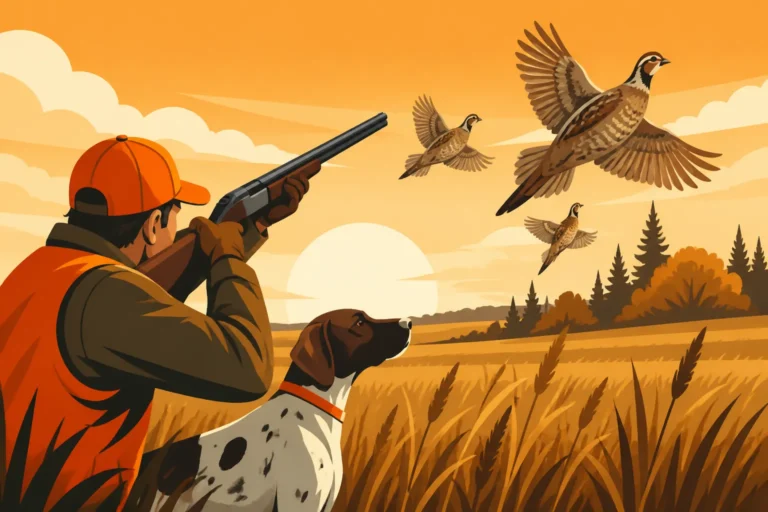
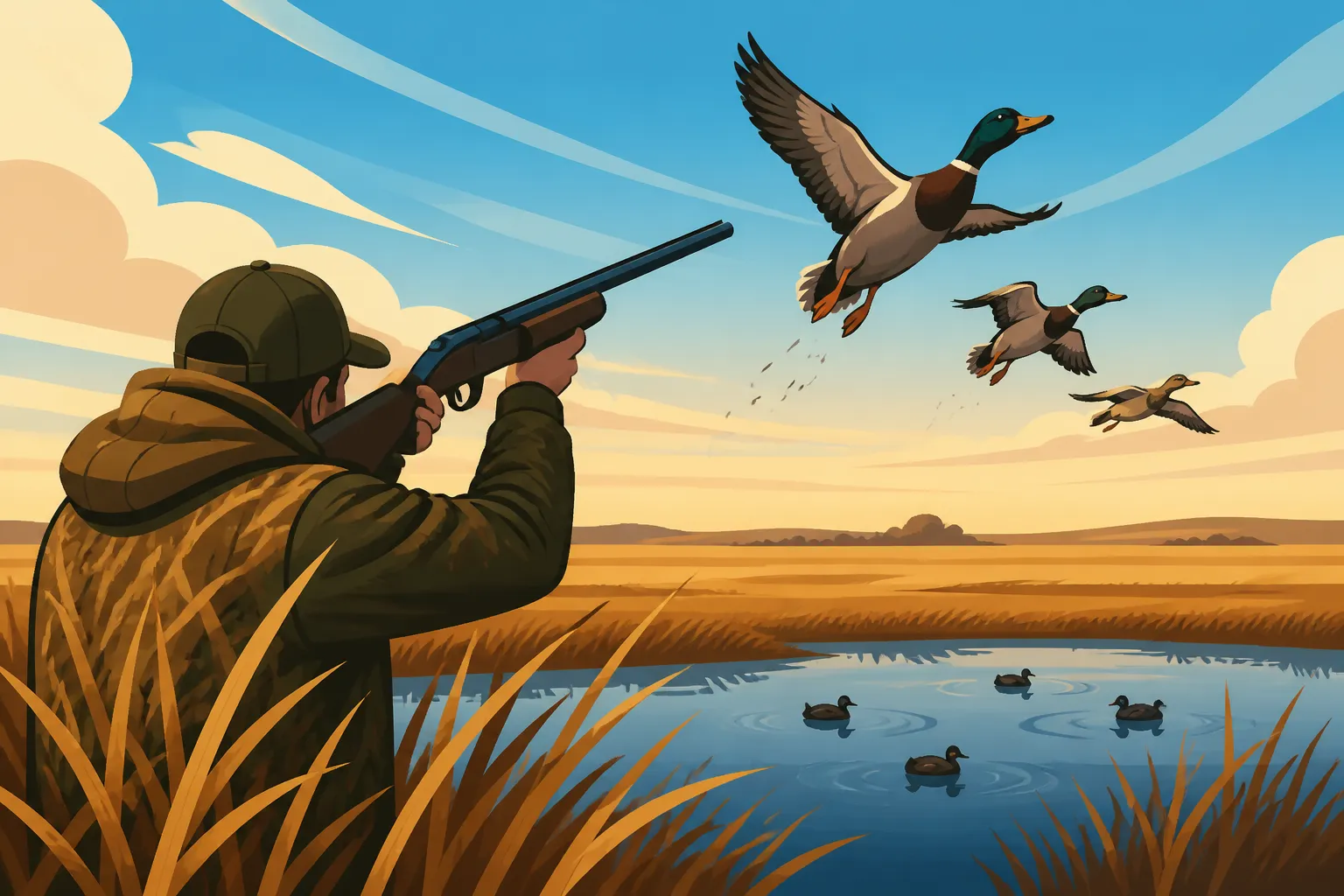
There’s nothing quite like the sudden, explosive flush of ducks or geese from a seemingly innocuous prairie pothole, turning a quiet walk into an adrenaline rush. But for every successful jump-shot, there are plenty of times you hike for miles only to find empty water or birds that skylark away before you’re even in range. This guide will walk you through the exciting, yet often frustrating, world of jump-shooting Manitoba’s countless prairie potholes, offering practical advice, strategic insights, and a healthy dose of realism to make your next waterfowl hunt a memorable one.
Understanding Manitoba’s Prairie Pothole Landscape
Manitoba is a jewel in the crown of the "Prairie Pothole Region," a vast expanse of wetlands crucial for North American waterfowl. These aren't just puddles; they're dynamic ecosystems that fill and dry with the seasons, attracting immense numbers of ducks, geese, and other migratory birds. Understanding their nature is the first step to becoming a successful jump-shooter.
What Exactly is a Prairie Pothole?
A prairie pothole is a depressional wetland, formed by glaciers thousands of years ago, scattered across the prairies. They range dramatically in size, from small, temporary puddles barely bigger than a bathtub to expansive, semi-permanent sloughs covering several acres. What makes them so special for waterfowl is their incredible productivity. The shallow water and rich organic matter create an explosion of aquatic invertebrates and plant life – the perfect buffet for ducks preparing for migration or just passing through.
You’ll find these potholes absolutely everywhere in Manitoba’s agricultural belt, particularly prominent in areas like the Interlake, the Red River Valley, and southwestern Manitoba. They often appear as willow rings in open fields or as small, irregular patches of water nestled in grasslands. Many hunters focus on large marshes or river systems, which are undeniably productive, but these smaller, often overlooked potholes are where you can find incredible action, especially if you’re willing to put in the legwork. They can be secret havens, concentrating birds away from heavily pressured areas.
Identifying Productive Potholes for Waterfowl
Not all potholes are created equal, and knowing what to look for can save you a lot of wasted effort. The most productive potholes usually have a few key characteristics. Firstly, look for good cover around the edges – cattails, bulrushes, tall grasses, or willow thickets provide refuge for birds from predators and strong winds. A completely open, bare-edged pothole might hold birds briefly, but they often don't feel secure enough to linger. Secondly, consider the water depth and vegetation within the pothole itself. Ducks prefer shallow water where they can dabble for food, so a pothole with emergent vegetation like smartweed, pondweed, or even submerged grasses is a huge draw. If it’s too deep, or too choked with dense, unhealthy-looking algae, birds might pass it by.
Finally, pay attention to the surrounding landscape. Potholes adjacent to active grain fields – especially harvested wheat, barley, or pea fields – are often goldmines, as ducks will loaf and digest on the water between feeding flights. Tools like satellite imagery, such as those found on GoHunt or similar mapping platforms, are invaluable here. You can spend hours scouting from your armchair, identifying potential hot spots, and marking them for later investigation. Remember that the productivity of a pothole can change rapidly depending on rainfall, agricultural practices, and migratory patterns. What was hot last week might be barren today. For more information on identifying prime locations, check out our guide on Scouting Fields for Manitoba Waterfowl.
Essential Gear and Preparation for a Jump-Shooting Hunt
Jump-shooting is a game of quick reflexes, stealth, and preparedness. Unlike sitting in a blind over a decoy spread, you’re constantly on the move, interacting directly with the terrain and the birds on their terms. Having the right gear and doing your homework beforehand can make all the difference between a successful hunt and a soggy, frustrating walk.
What to Carry: Clothing, Footwear, and Ammunition
The key to jump-shooting gear is practicality and mobility. You’ll be walking, often through tough terrain, so comfort and durability are paramount.
- Clothing: Layers are your best friend. Manitoba weather can be famously unpredictable, especially during waterfowl season. Start with moisture-wicking base layers, add insulating mid-layers like fleece, and top it off with a waterproof and windproof outer shell in a good camouflage pattern. Movement is vital, so avoid anything too bulky that restricts your swing or gets snagged easily. You'll want to blend in with the grays and browns of a late fall prairie or the greens of willow thickets. Remember, bright colours will give you away quickly.
- Footwear: This is non-negotiable for jump-shooting. You need waterproof boots, and probably chest waders. Many potholes, even seemingly shallow ones, can have unexpected deep spots or soft, mucky bottoms that will suck the boots right off your feet. Neoprene or rubber waders provide essential protection from the cold water and mud, allowing you to cross sloughs or approach from a watery angle. Make sure they fit well and allow for comfortable walking.
- Ammunition: As per federal regulations, you must use non-toxic shot for all migratory bird hunting in Canada. This includes steel, bismuth, or tungsten alloys. Steel shot is the most common and affordable, but consider bismuth or tungsten for denser patterns and better knockdown power, especially if you anticipate longer shots. Carry a good variety of shells – 3-inch or 3.5-inch shells in shot sizes like BB, #1, or #2 are versatile for ducks and smaller geese. Always carry more than you think you’ll need; cold hands and quick flushes can lead to missed shots. To ensure you're compliant, review the Non-Toxic Shot Requirements for Waterfowl.
- Other Essentials: A good pair of binoculars can help you spot birds from a distance without disturbing them. A dog, if you have one, is invaluable for retrieving birds from thick cover or open water, preventing lost game. Don't forget bug spray for early season hunts, a whistle for your dog, and a small backpack with water, snacks, and a first-aid kit.
Legal Requirements and Scouting Tools
Before you even load your shotgun, you need to be squared away with the law. All waterfowl hunters in Manitoba must possess a valid provincial hunting license and a federal Migratory Game Bird Permit, along with a Canadian Wildlife Habitat Conservation Stamp. Ensure you understand the specific Manitoba Duck Season Dates and bag limits for the species you might encounter. It’s also crucial to identify the game hunting area (GHA) you’re in and be aware of any local restrictions or closures.
Scouting is paramount for jump-shooting success. This isn't just about finding water; it's about finding active water. Drive gravel roads slowly, looking for birds feeding in nearby fields, or flying to and from specific potholes at dawn and dusk. Pay attention to tracks and droppings around the edges of water bodies – fresh sign is a strong indicator.
Technology has revolutionized scouting. Online mapping services are invaluable. These allow you to view satellite imagery, topo maps, and land ownership layers. Before you even leave the house, you can identify promising looking potholes, especially those with good cover, proximity to feeding fields, or potential travel corridors. Many hunters use apps on their phone, like GoHunt, to do this, marking waypoints for promising locations. This allows you to plan your approach routes, considering wind direction and available cover, significantly increasing your chances of success. You can learn more about this by Reading a Manitoba GHA Map Before You Go.
Pothole Type Description Typical Waterfowl Species Best Approach Notes A common frustration is driving out to a cluster of smaller ones that look good on a map, only to find them mostly dry or non-productive. You need to verify them yourself.]
Approaching and Engaging: The Art of Jump-Shooting
Jump-shooting is more than just stumbling onto a pothole; it’s a strategic game of observation, stealth, and quick decision-making. The goal is to get close enough to birds to get a clean shot before they take flight. This requires patience and a good understanding of waterfowl behavior.
Stalking Strategies and Wind Considerations
The first step is always observation. From a distance, use your binoculars to scope out the pothole. Are there birds on it? How many? What species are they? Are they feeding, resting, or preening? Knowing this helps you gauge their wariness and plan your approach. Once you've located birds, the real stalking begins.
- Use available cover: This is absolutely critical. Utilize every natural undulation in the land, every willow clump, every cattail stand, every ditch, or even rows of standing crops (with landowner permission!) to shield your advance. The flatter the terrain, the more challenging it becomes, and the longer your crawl might be. Many a good shot has been made after crawling on hands and knees for hundreds of yards. If you're Hunting a Willow Ring Around a Pothole, those dense willows are your best friend.
- Move slowly and deliberately: Fast movements or sudden changes in your profile will instantly alert birds. Think like a predator: low, steady, and silent. Pause frequently to re-assess the situation and catch your breath.
- Work the wind: Always try to approach with the wind in your face. This helps muffle any sounds you might make, and more importantly, it carries your scent away from the birds. When birds flush, they almost always take off into the wind to gain lift, meaning they'll fly away from you if you approached into the wind, giving you a better passing shot. If you approach with the wind at your back, they'll often flush towards you or directly over you, which can be an unexpected thrill but also makes for a harder shot.
- Plan your shooting lane: As you approach, think about where the birds are likely to flush and where you'll have a clear shot. Anticipate their escape route. Sometimes, you might need to leave a bit of cover early to get an unobstructed view, but this is a calculated risk.
You'll often face the frustration of getting almost there, only for a single nervous teal to jump and take the whole flock with it. That's part of the game. Learn from it, adjust your approach next time, and keep at it.
The Flush and Follow-Up Shot Sequence
The moment of truth arrives when you reach your planned shooting position. Ideally, you want to get within 25-40 yards. Closer is better, but exceeding 40 yards rapidly decreases your chances of a clean kill with non-toxic shot.
- Rise slowly and smoothly: Don't pop up like a jack-in-the-box. A smooth, controlled rise will give you a moment longer before the birds fully commit to flight. Bring your shotgun to your shoulder as you rise.
- Identify your target: In the chaos of a flush, it's easy to get target fixation. Pick a single bird, swing through it, and pull the trigger. Then quickly transition to a second bird if opportunities allow. Remember, species identification is crucial; only shoot birds that are in season and within your bag limit. Which Ducks Nest in Manitoba's Potholes is a good resource for understanding common species.
- Lead the bird: Ducks are fast, and you need to lead them adequately. This is where practice with clay targets pays off immensely. The faster the bird, the more lead required.
- Follow through: Don't stop your swing after pulling the trigger. Keep the barrel moving through the shot to maintain accuracy.
- Mark fallen birds: If you make a successful shot, immediately mark where the bird falls. The dense vegetation and murky water of potholes can make retrieving a challenge. If you have a dog, send it immediately. If not, note landmarks, walk directly to the spot, and thoroughly search. Losing a bird is the worst outcome of any hunt, so dedicate yourself to retrieval.
Jump-shooting is incredibly dynamic, and you'll often have only a second or two to react. Sometimes the birds will flush unexpectedly, or from a different direction than anticipated. Adaptability is key. Don't be afraid to try different approaches or even to leave a pothole if the conditions aren't right. Sometimes, it's better to circle around and try again later, or even return to a productive Hunting a Manitoba Dugout at Dusk.
Responsible Hunting and Respect for the Land
While jump-shooting offers a thrilling, active form of waterfowl hunting, it comes with a significant responsibility to practice ethical hunting and maintain positive relationships with landowners. A lot of Manitoba’s prime pothole country is on private land, so respectful conduct is crucial for ensuring continued access for all hunters.
Private Land Access and Good Hunter Etiquette
Most of the prime prairie potholes are located on private agricultural land. Gaining access is paramount, and it always starts with asking permission.
- Always ask permission: Never assume public access. Even if a gate is open, or a field looks abandoned, always seek out the landowner first. This is not just a courtesy; it's the law in Manitoba. Trespassing without permission can lead to fines, loss of hunting privileges, and gives all hunters a bad name. For more details on landowner interactions, see Getting Permission for a Goose Field.
- Be respectful and prepared: When you approach a landowner, be polite, introduce yourself, and clearly state your intentions. Offer to provide your name, contact information, and even your license number. Ask about any specific rules or areas to avoid (e.g., livestock, fragile crops, nearby residences). Being presentable, sober, and courteous goes a long way.
- Offer to help: Sometimes, offering a hand with a small chore (closing a gate, picking up trash) can build goodwill. Even just checking in after your hunt to thank them and report on your success can foster a positive relationship for future seasons.
- Leave no trace: Pack out everything you pack in, including spent shotgun shells. Do not drive off-road unless explicitly permitted, and even then, be extremely mindful of field conditions to avoid getting stuck or causing damage. Leave gates as you found them. The goal is to leave the land in better condition than you found it.
Remember, a single negative encounter can ruin access for many hunters down the line. We share these landscapes with landowners, and maintaining their trust is our collective responsibility.
Conservation and Ethical Shooting Practices
Jump-shooting, by its very nature, can present challenges to ethical shooting. The quick flushes and often obscured views mean you need to be extra diligent about shot selection and responsible hunting.
- Know your limits: Understand your effective shooting range with your chosen ammunition. For most hunters using steel shot, this is typically 30-45 yards. Pushing beyond this leads to wounded birds, not clean kills. It’s far better to let a bird fly away unharmed than to wound it.
- Identify before you shoot: In the flurry of wings, take that extra second to ensure you're shooting at a legal species and that it's a safe shot (clear of buildings, livestock, or other hunters). This is especially important in mixed flocks where different species might have different bag limits or even be protected.
- Retrieval is paramount: As mentioned, putting in every effort to retrieve downed birds is an ethical imperative. If you cannot retrieve a bird, do not shoot it. A good hunting dog is truly invaluable for minimizing crippling loss in jump-shooting scenarios. Even without a dog, careful marking of the fall and systematic searching are essential.
- Respect other hunters: While jump-shooting is often a solitary pursuit, you might occasionally encounter other hunters. Be courteous, give them ample space, and communicate your intentions to avoid interfering with their hunt or creating unsafe situations.
- Contribute to conservation: Every hunter contributes to conservation through license fees and the purchase of the Migratory Game Bird Permit and Habitat Stamp. Consider joining local conservation organizations like the Manitoba Wildlife Federation or Ducks Unlimited Canada. Their work directly benefits the habitats that sustain the prairie potholes you love to hunt. Protecting Manitoba's vital wetland habitats is key to ensuring that future generations can enjoy the unique challenge and reward of jump-shooting. You can even find habitat-related discussions relevant to various game, such as Hunting a Slough Edge for Whitetails.
Jump-shooting a Manitoba prairie pothole is an immersive experience, connecting you directly with the dynamic rhythms of the prairie and its incredible wildlife. It's challenging, rewarding, and undeniably one of the most exciting ways to hunt waterfowl.
Disclaimer
Please note: Hunting regulations can change frequently. Always consult the most current Manitoba Hunting Guide and federal migratory bird regulations before planning any hunting trip. This article is for informational purposes only and does not supersede official government regulations.