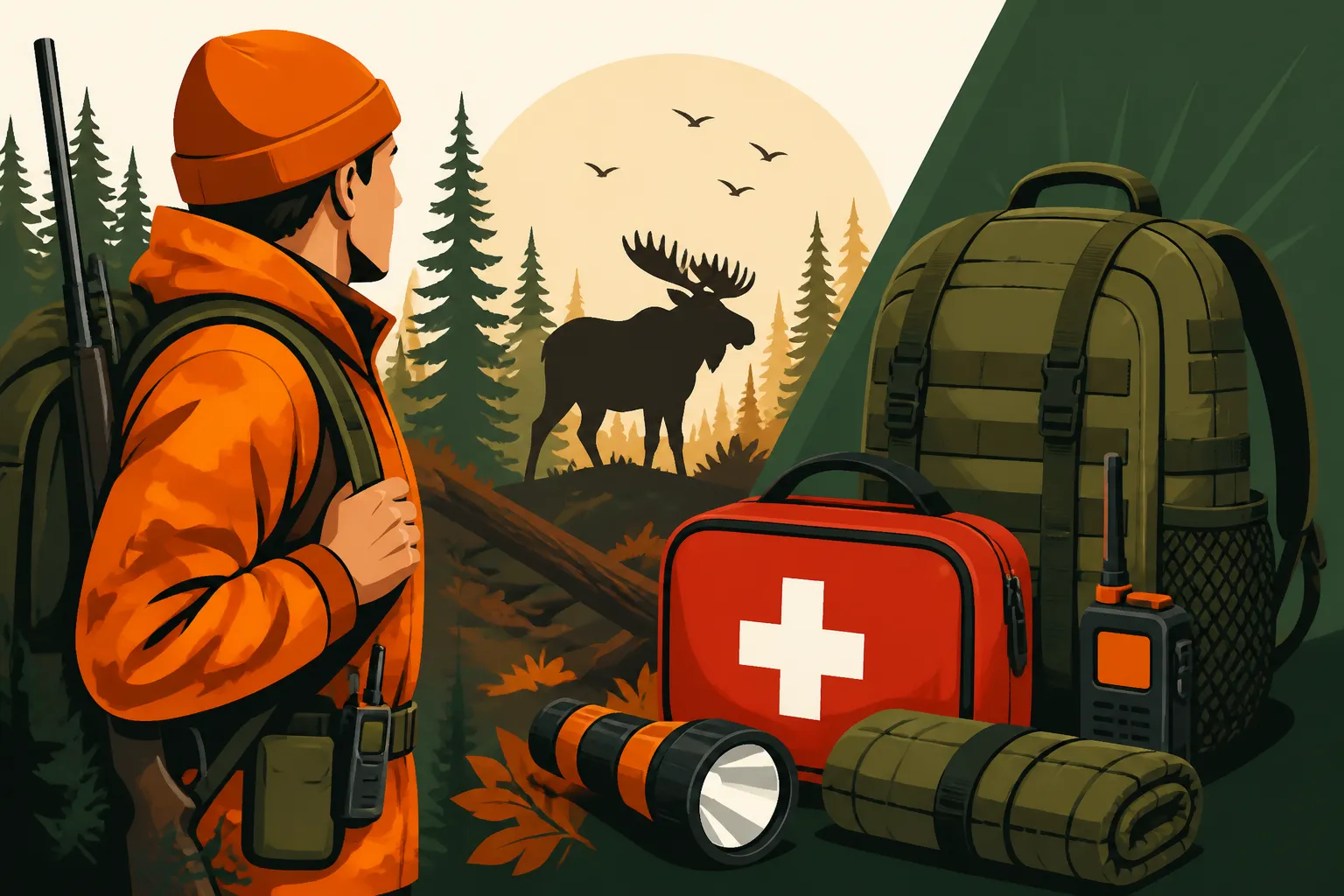
Emergency Plans in Manitoba’s Bush
Hunting in Manitoba's vast, wild bush country offers incredible rewards, but let's be honest, it also comes with a healthy dose of humbling reality. Out there, far from the well-worn paths and reliable cell signals, things can go sideways faster than you can say "bear track." That moment of panic when you realize you're turned around, or when a sudden injury leaves you stranded, is a fear every remote hunter has whispered to themselves. This guide is all about helping you create a robust emergency plan, so you can head into the bush with confidence, knowing you've thought through the "what ifs" and are prepared to handle them.
Understanding the Unique Risks of Manitoba's Bush
Manitoba's wilderness is a stunning tapestry of boreal forest, aspen parkland, and vast tracts of remote bush. It's what makes the hunting here so phenomenal, but it's also what makes emergency planning absolutely critical. This isn't your backyard woodlot; this is country that demands respect and a healthy dose of preparation.
The Vastness and Isolation
One of the biggest challenges in Manitoba's bush is simply the sheer scale of it all. You can drive for hours on gravel roads, then hike for more hours, and still be surrounded by seemingly endless trees. That feeling of isolation, while often sought after, can quickly turn into a terrifying reality if something goes wrong.
Imagine twisting an ankle on a hidden root miles from your truck. You're not just a few minutes from help; you could be hours, or even a full day, from reaching a main road, let alone a hospital. Cell service, which we so often take for granted, becomes a distant memory once you push past the populated fringes. Many areas, especially in northern and eastern Manitoba, are simply dead zones, rendering your smartphone useless for more than a camera or a pre-downloaded map. Understanding Where Manitoba Cell Coverage Ends is paramount before you ever step foot into the bush. A sudden whiteout in late season or a heavy rain that turns trails into muddy quagmires can drastically reduce visibility and make navigation almost impossible, isolating you further.
Weather Extremes and Rapid Changes
Manitoba weather is notorious for its dramatic shifts. We can go from a beautiful, crisp autumn morning to a full-blown blizzard in a matter of hours, especially during the shoulder seasons. Hunting in deep winter brings its own set of challenges, with temperatures plummeting to dangerous lows that can cause frostbite or hypothermia with alarming speed.
Conversely, early season hunts, particularly for bears in spring or bowhunting in September, can bring unexpected heatwaves. Heatstroke, dehydration, and exhaustion become very real threats when you're exerting yourself in thick cover. Any emergency plan must account for these rapid fluctuations, meaning you often need to pack for multiple seasons in a single day. The bush offers little shelter from the elements if you're caught unprepared, and even a simple rain shower can become life-threatening if it leads to prolonged exposure in cold temperatures.
Wildlife Encounters and Terrain Challenges
While most wildlife encounters are harmless, or even thrilling, it's vital to remember you're in their home. Black bears are common throughout Manitoba's bush, and while usually shy, an unexpected encounter, especially with a sow and cubs, can be dangerous. Wolves also roam these forests, and while attacks on humans are exceedingly rare, their presence adds another layer to wilderness travel. Even a large bull moose, when agitated or surprised, can pose a serious threat.
Beyond the animals, the terrain itself is often the biggest challenge. Manitoba's bush is far from flat. You'll encounter dense deadfall from old logging, treacherous muskeg and bog that can swallow a boot (or worse), rocky shield country, and numerous water crossings. A slip on a wet log, a fall into a hidden hole, or even just a simple misstep can lead to serious injury. Navigating these obstacles, particularly when carrying gear or dragging an animal, significantly increases the risk of an accident.
Essential Components of a Solid Emergency Plan
Having a vague idea that "someone will eventually find me" isn't a plan; it's a wish. A solid emergency plan is built on practical steps, reliable equipment, and crucial skills. It’s about taking proactive measures to minimize risk and maximize your chances of self-rescue or timely assistance.
Communication Strategy
Your cell phone is rarely enough when you venture deep into Manitoba's bush. Even in areas with intermittent service, a dead battery or damaged phone renders it useless. This is where dedicated satellite communication devices become absolute game-changers, bridging the gap between isolation and help.
Satellite communicators, often small, rugged devices, allow for two-way text messaging with anyone, anywhere in the world, as long as they have a clear view of the sky. Many also offer GPS tracking, allowing loved ones to follow your progress, and crucially, an SOS button that directly contacts a 24/7 global emergency response center. Personal Locator Beacons (PLBs) are another critical piece of gear, designed for one purpose: to send a distress signal with your exact location directly to search and rescue authorities. These are typically for true life-or-death situations. Beyond gadgets, establish a clear check-in system with at least two trusted contacts back home. This includes defining specific times you'll make contact, and outlining what actions they should take if they don't hear from you. Having multiple people aware of your plans and checking in significantly improves the safety net.
Comprehensive Gear and Supplies
The old adage "better to have it and not need it than need it and not have it" rings especially true in the bush. Your emergency kit isn't just a collection of items; it's your lifeline. Think of the "10 Essentials" of survival and adapt them specifically for the cold, wet, and often isolated conditions of Manitoba.
Beyond your hunting gear, always carry a fire starter (multiple methods are best: waterproof matches, lighter, ferro rod), a reliable cutting tool, and materials for an emergency shelter like a lightweight tarp or space blanket. A comprehensive first-aid kit is non-negotiable, stocked with more than just band-aids; consider tourniquets, pain relievers, and any personal medications. Navigation tools – a physical map and compass, along with a reliable GPS device – are crucial. Don't forget extra food and water (or purification tablets/filter), powerful headlamps or flashlights, and a whistle for signalling. If hunting late season, remember that a proper Winter Truck Kit for a Manitoba Hunt can extend your survival significantly, providing essential supplies even before you leave your vehicle.
Here’s a basic checklist for your emergency kit, adaptable to your specific hunt and season:
| Category | Essential Items | Notes |
|---|---|---|
| Navigation | Topographic Map | Waterproof, current. |
| Compass | Know how to use it! | |
| GPS Device / Satellite Messenger (with GPS) | Backup batteries or charging method. Download offline maps. | |
| Communication | Satellite Messenger / PLB | For emergency contact and location sharing. |
| Whistle | Loud, for signalling. | |
| Charged Cell Phone | For non-emergency use where service exists, or as a camera/map viewer. | |
| Shelter | Emergency Blanket / Bivy Sack | Lightweight, compact for warmth. |
| Lightweight Tarp or Poncho | For protection from rain/snow. | |
| Fire | Waterproof Matches / Lighter (multiple) | Stored in a waterproof container. |
| Fire Starter (Ferro Rod, cotton balls + Vaseline) | Reliable backup. | |
| First Aid | Comprehensive First Aid Kit | Personal medications, pain relievers, bandages, antiseptic wipes, trauma dressing, wound closure strips. |
| Hydration | Water Bottle / Hydration Bladder | Full. |
| Water Filter / Purification Tablets | Essential for sustained survival. | |
| Food | High-Energy Snacks | Non-perishable, easily digestible (nuts, jerky, energy bars). |
| Light | Headlamp / Flashlight (with extra batteries) | Hands-free illumination is crucial. |
| Tools | Multi-tool / Knife | For various tasks. |
| Cordage / Paracord | For shelter building, repairs. | |
| Extra Clothing | Warm Hat, Gloves, Dry Socks | Non-cotton layers, even in mild weather for warmth if wet. |
| Other | Signalling Mirror | For attracting attention from afar. |
| Personal Medications | Carry more than needed for the planned trip duration. |
Navigation and Self-Rescue Skills
Gear is only as good as the person using it. Even with the fanciest GPS unit, knowing how to read a map and use a compass is a skill that can literally save your life when batteries die or technology fails. Practicing these fundamental skills regularly is not just a suggestion; it's a necessity for anyone venturing into remote areas.
Beyond navigation, basic survival skills are your ultimate backup. Knowing how to build a fire in wet conditions provides warmth, a morale boost, and a signal. Understanding how to construct a makeshift shelter from natural materials can protect you from the elements. If you realize you’re lost, the "STOP" method is universally recommended: Stop, Think, Observe, Plan. Don't panic and wander aimlessly. Sit down, assess your situation, consult your map, and try to recall your last known location. This deliberate approach is far more effective than giving in to fear and making rash decisions. Even before you leave home, Scouting With Satellite Imagery in Manitoba can give you an invaluable head start in understanding the terrain and potential hazards.
Practical Steps Before and During Your Hunt
A robust emergency plan isn't something you just think about; it's something you actively build and implement, both in the days leading up to your hunt and while you're out in the field. It’s about being mindful and proactive, ensuring every possible base is covered.
Pre-Hunt Preparation and Information Sharing
Before you ever load your gear into the truck, a crucial step is to create a detailed trip plan. This isn't just a mental note; it's a written document that outlines your hunting area (specific GHAs are best), your intended route, where you plan to park, your expected departure and return times, and who is with you.
This trip plan needs to be shared with multiple trusted contacts – family, friends, or even a local outfitter if you’re using one. They need to know what to do, and when, if they don’t hear from you by your designated check-in time. Emphasize your "trigger time" – the exact hour after which they should initiate a search or call for help if you haven't made contact. While respecting leave-no-trace principles is important, in remote areas, leaving a small, visible marker at your vehicle (like a note on the dash indicating your route and expected return) isn't a bad idea, especially if you're alone. Having thoroughly reviewed Reading a Manitoba GHA Map Before You Go will help you accurately detail your hunting zone.
During the Hunt: Vigilance and Adaptability
Once you're out in the bush, your emergency plan shifts from preparation to execution and constant vigilance. This means continuously monitoring the weather, your physical condition, and your exact location. Don't assume the forecast from two days ago is still accurate; watch the sky and feel the wind.
Know your physical limits and stick to them. Pushing yourself too hard, especially when tired or cold, significantly increases the risk of accidents. If you're feeling unwell, disoriented, or if the weather takes a turn for the worse, be adaptable. It’s far better to call off a hunt early, turn back to camp, or seek immediate shelter than to press on and risk a life-threatening situation. Pay attention to early signs of trouble, whether it's an odd twinge in your knee, a growing chill, or a sudden change in visibility. Being honest with yourself about these indicators can prevent a minor inconvenience from escalating into a full-blown emergency.
In Case of an Actual Emergency
Despite all the preparation, sometimes things still go wrong. The key at this point is not to panic. Staying calm allows you to think clearly and apply the strategies you've planned. Your immediate priority is to assess the situation and attend to any injuries. Apply first aid as needed, and ensure anyone with you is safe.
If you have a satellite communication device, activate the SOS function. If not, signalling for help becomes paramount. Three blasts on a whistle, three flashes of a light, or three fires in a triangular pattern are universal distress signals. Build a temporary shelter immediately to protect yourself from the elements, using your tarp or natural materials. Work to build a fire, even if you don't feel cold, for warmth, morale, and signalling. Remember, the goal is to make yourself findable and to conserve energy while you await rescue. Knowing What to Do If You Get Stuck in the Bush is not just about your vehicle, but also about your personal well-being.
Leveraging Technology and External Resources
In today's hunting world, technology can be a powerful ally in safety. But it's important to understand its capabilities and limitations, and to integrate it wisely into your broader emergency strategy.
Modern Communication Devices
We've touched on satellite messengers and PLBs, but it's worth reiterating their importance. Devices like the Garmin inReach or Zoleo offer an incredible sense of security. They're not just for emergencies; they allow you to send "I'm OK" messages to loved ones, providing peace of mind and reducing the likelihood of false alarms. Many come with subscription plans that offer varying levels of service, from basic messaging to full-fledged search and rescue coordination.
These devices operate independently of cellular networks, relying on satellite constellations to transmit data. This means they work virtually anywhere on earth, making them invaluable for Manitoba's vast, unserviced areas. While GoHunt and BookYourHunt are primarily platforms for planning and booking hunts, they indirectly emphasize the need for robust planning. When researching your next adventure through resources like BookYourHunt, always consider what emergency communication options are available in that specific GHA, or what your outfitter provides.
Connecting with Outfitters and Local Knowledge
If you're a non-resident or new to a particular area of Manitoba, booking with a reputable outfitter is often the safest bet. Licensed outfitters are not only experts in the local terrain and game movements but also typically have well-established emergency protocols, staff trained in first aid, and reliable communication systems.
They understand the risks, have local contacts, and can often react much faster than distant search and rescue organizations. When planning your trip, particularly if you are considering Manitoba Outfitters in the Boreal North or other remote areas, inquire about their specific emergency plans, what communication devices they carry, and what their procedure is if a hunter is overdue or injured. Their local knowledge extends to everything from dangerous river crossings to hidden muskegs, providing invaluable safety insights that a DIY hunter might overlook.
Understanding Search and Rescue (SAR)
In Manitoba, search and rescue operations are typically coordinated by the RCMP, often with assistance from local volunteer SAR teams and other agencies. Understanding how SAR is activated and what information they need is crucial. Your detailed trip plan, shared with trusted contacts, is the first step. If your contacts initiate a missing person report, this plan provides SAR with your last known location, intended route, and expected return time, drastically narrowing the search area.
When an SOS signal is activated from a satellite device or PLB, it goes to a central monitoring station that then contacts the appropriate authorities, usually providing your exact GPS coordinates. This direct line to help significantly reduces response times. Be prepared that SAR operations, especially in remote wilderness, can take time. Weather conditions, terrain, and distance all factor into how quickly responders can reach you. Your personal emergency preparations are therefore not just about self-reliance, but also about supporting and accelerating any potential rescue effort.
Disclaimer
This article is for general informational purposes only and does not constitute professional advice. Laws, prices and regulations vary by location and change over time. Consult a qualified professional for guidance on your specific situation.