Manitoba Youth and Mentored Hunting
Bringing a young person into the world of hunting is an incredibly rewarding experience, but navigating all the rules, regulations, and best practices can feel like a daunting task for even the most seasoned mentor. You want to make sure they have a safe, ethical, and positive introduction to the outdoors, yet the complexities of licensing and program requirements can sometimes overshadow the excitement. This guide aims to clear up all those uncertainties about Manitoba's youth and mentored hunting programs, providing clear, actionable information to help you nurture the next generation of responsible hunters.
Understanding Manitoba's Youth Hunting Programs
Manitoba has a deep appreciation for its hunting heritage, and a strong commitment to passing that tradition on to younger generations. The province recognizes that an educated, ethical, and safe hunter begins with proper mentorship. Rather than just throwing kids into the deep end, Manitoba offers structured pathways to help youth learn the ropes under experienced guidance. These programs aren't just about getting a tag; they're about instilling a lifelong respect for wildlife, conservation, and the outdoors. It's about more than just pulling a trigger; it's about understanding the entire ecosystem, the role of a hunter within it, and the responsibilities that come with that privilege.
The Importance of Mentorship in Hunting
Mentorship is the bedrock of safe and ethical hunting. It's not something you can learn solely from a textbook or an online course, as crucial as those resources are. It's learned firsthand, in the field, side-by-side with someone who embodies responsible hunting practices. A good mentor teaches patience, observation skills, the nuances of tracking, the importance of wildlife identification, and the critical decisions involved in taking an ethical shot. They teach meat care, respecting the animal, and understanding game laws. More than that, they share their passion, their stories, and their wisdom, creating indelible memories that bind generations. Without dedicated mentors, many young people simply wouldn't have the opportunity or the guidance to explore hunting in a meaningful way. This is why Manitoba's programs are designed to facilitate this crucial transfer of knowledge and experience.
Age Requirements and Licence Structure for Youth
Manitoba has specific age requirements for youth hunters, ensuring that young individuals are mature enough and properly supervised before heading afield. Generally, a person must be at least 10 years old to participate in certain mentored hunting activities. To obtain a regular hunting licence, they typically need to be 12 years old and have completed their Hunter Education course. However, there are exceptions and specific programs designed for younger participants or those still in the process of completing their full certification. For example, some programs allow for an "apprentice hunter" model, where a young person can participate under direct supervision even if they haven't completed all their education yet. Understanding these nuances is key to ensuring your young hunter is properly licensed and compliant. The goal is always to encourage participation while maintaining stringent safety standards, which is paramount when introducing new hunters to firearms or archery equipment. For more detailed information on age specifics, you can refer to the guide on Minimum Age to Hunt in Manitoba.
The Junior Hunter and Apprentice Hunter Programs
Manitoba's commitment to nurturing young hunters is clearly seen in its thoughtfully designed programs like the Junior Hunter and Apprentice Hunter initiatives. These programs serve as vital stepping stones, providing structured opportunities for youth to engage with hunting in a controlled and educational environment. They bridge the gap between theoretical knowledge and practical application, ensuring that the transition into independent hunting is smooth and well-supported. It’s not about shortcuts; it’s about providing a supervised learning environment that fosters competence and confidence.
How the Junior Hunter Program Works
The Junior Hunter program is specifically tailored for young individuals, typically those who have successfully completed the mandatory Hunter Education course and are between the ages of 12 and 17. Upon completion of their education, these junior hunters can purchase their own hunting licences and tags, often at a reduced rate, making hunting more accessible. This allows them to actively participate in the hunt, carrying their own weapon and having their own tag, but always under the direct supervision of a licensed adult mentor. The mentor must be at least 18 years old, possess a valid Manitoba hunting licence, and be certified in Hunter Education. The beauty of this program is that it empowers the young hunter to take ownership of their hunt, from scouting to harvesting, while still benefiting from the mentor's experience and oversight. This structured independence builds invaluable skills and judgment.
The Apprentice Hunter Designation
For those not quite ready for the full Junior Hunter program, or for individuals of any age who are new to hunting and wish to try it out before committing to full Hunter Education, Manitoba offers the Apprentice Hunter designation. This allows an individual (who must be at least 10 years old) to hunt certain species without first completing the Hunter Education course. The catch? They must be accompanied and directly supervised by a fully licensed and Hunter Education-certified mentor who is at least 18 years old. The apprentice hunter typically does not carry their own tag; instead, they hunt under the mentor's licence and tag. This means if an apprentice harvests an animal, it must be validated on the mentor's tag. This program is fantastic for gauging interest, experiencing the hunt firsthand, and determining if the commitment to full Hunter Education is the right path. It removes a potential barrier to entry, allowing aspiring hunters to get a taste of the action with minimal upfront commitment, all while maintaining rigorous safety and ethical standards under close supervision.
Hunter Education and Safety for Young Hunters
Safety is the absolute cornerstone of hunting, especially when you're involving young, impressionable minds. Manitoba takes hunter safety incredibly seriously, and rightly so. The province understands that well-educated hunters are safe hunters, and the lessons learned early stick for a lifetime. Therefore, mandatory hunter education is not just a formality; it's a foundational experience that sets the stage for a lifetime of responsible outdoor pursuits.
Manitoba Hunter Education Requirements for Minors
For any young person aspiring to hunt independently in Manitoba (meaning, carrying their own licence and tag, even if still mentored), completing the Manitoba Hunter Education course is a non-negotiable requirement. This comprehensive course covers everything from firearm safety, ammunition types, and proper handling techniques to wildlife identification, conservation principles, and ethical hunting practices. It’s an investment of time and effort, but one that pays dividends in safety and confidence. The course is typically offered through certified instructors across the province, often involving both classroom instruction and practical field exercises. It's designed to be engaging and thorough, ensuring that participants grasp the gravity of their responsibilities as hunters. For specific details on where and how to take this essential training, you can check out the guide on Manitoba Hunter Education Requirements. It's crucial that mentors ensure their young charges not only complete this course but truly understand and internalize its teachings.
Emphasizing Safety in the Field with Youth
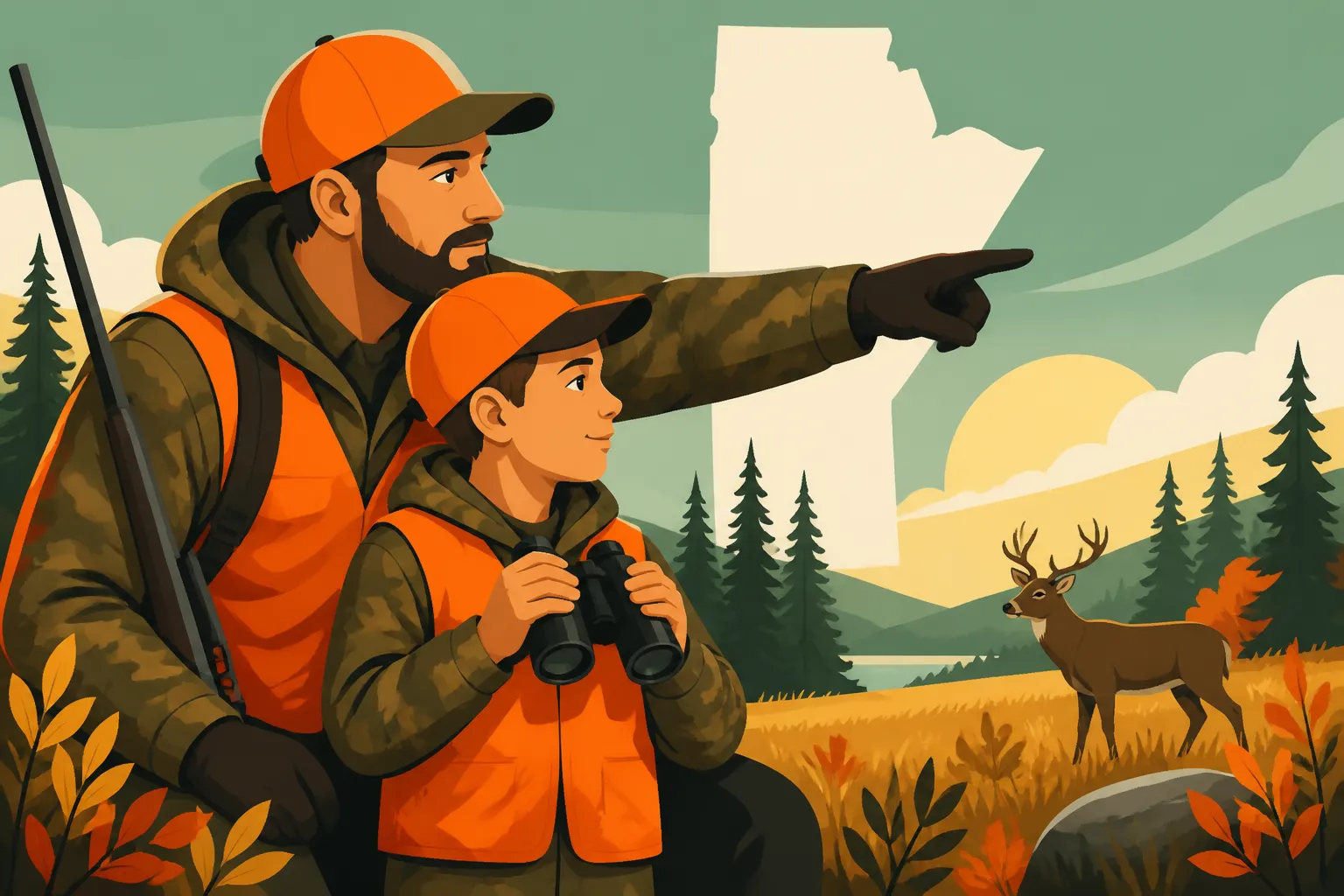
Passing the Hunter Education course is just the beginning. The real-world application of those safety principles, especially when out in the bush with a young hunter, requires constant vigilance and reinforcement. Imagine you're out Hunting Whitetails in Manitoba's Bush Country with a junior hunter. Every single action, from loading a firearm to crossing a fence, presents an opportunity to reiterate safety rules. We're talking about the four fundamental rules of firearm safety: treat every firearm as if it's loaded, always point the muzzle in a safe direction, keep your finger off the trigger until ready to shoot, and be sure of your target and what is beyond it.
Beyond firearms, it's about situational awareness. Teaching a young hunter to identify their shooting lanes, to understand potential hazards, and to communicate effectively with their hunting party is critical. Blaze orange rules are not suggestions; they're legal requirements and vital for visibility, so ensuring your young hunter is properly attired according to Blaze Orange Rules and Exceptions is paramount. Mentors should constantly model safe behavior, discuss potential scenarios, and review emergency procedures. It’s a continuous dialogue, not a one-time lecture. By making safety a constant, natural part of the hunting experience, we help young hunters develop instinctive safe habits that will protect them and those around them for years to come.
Practical Considerations for Mentoring a Young Hunter
Mentoring a young hunter is much more than just taking them out to a stand or a field. It’s an art form, a delicate balance of teaching, guiding, and allowing them to discover. The real magic happens in the moments between the shots – the quiet observations, the shared stories, and the patient explanations that build not just a hunter, but a deep appreciation for nature.
Finding Suitable Hunting Opportunities
Choosing the right location and hunt type for a young, aspiring hunter is crucial for their initial experience. You don't want to throw them into an overly challenging or frustrating situation right off the bat. Start simple. For instance, Upland Bird Hunting in Manitoba offers a fantastic entry point. Walking fields for sharp-tailed grouse or ruffed grouse provides plenty of action, constant movement, and less pressure than sitting still for hours on a big game hunt. Small game like snowshoe hare also offers a great opportunity for walking and stalking without the intensity of larger animals.
When it comes to big game, consider areas with higher success rates or more predictable movement. A controlled, comfortable environment, like a well-positioned ground blind or a sturdy ladder stand, can be far more effective than a precarious tree stand, especially in unpredictable weather. Private land, where you have a better understanding of game patterns and fewer external variables, can also be an excellent option if you have permission. Always check Manitoba's Game Hunting Areas for local regulations and species availability. The goal is to maximize their chances of seeing game and experiencing the thrill of the hunt, even if it doesn't result in a harvest, while minimizing potential discomfort or boredom.
Gear and Preparation for Youth Hunters
Proper gear can make or break a young hunter's experience. It's not just about warmth; it's about comfort, fit, and functionality. Think about how quickly kids outgrow things, but don't skimp on quality for essential items. Layering is key for Manitoba's often unpredictable weather, from early fall's mild days to the biting cold of Hunting Safely in Deep Winter Cold. Good quality, waterproof boots that fit well are non-negotiable – cold, wet feet are a surefire way to end a hunt prematurely.
When it comes to firearms, choose something appropriate for their size and strength, with manageable recoil. A youth model rifle chambered in a lighter-recoiling caliber like .243 Winchester or 7mm-08 Remington is often a much better choice than a full-sized .30-06. Ensure the firearm is fitted properly to their length of pull, allowing for comfortable and accurate shooting. For archery, select a bow with an adjustable draw weight and length. Don't forget essentials like hearing protection, quality binoculars, a comfortable pack, and plenty of snacks and water. Taking the time to acquire the right gear, and ensuring your young hunter practices extensively with it before the hunt, will build confidence and contribute significantly to their enjoyment and safety in the field. You can find more comprehensive packing lists in resources like What to Bring to a Manitoba Deer Camp.
Fostering a Lifelong Passion for the Outdoors
The ultimate goal of mentoring isn't just to help a young person harvest an animal; it's to ignite a lifelong passion for the outdoors and conservation. This means making the entire experience enjoyable, educational, and positive, regardless of whether success in the form of a harvest is achieved. Focus on the small moments: identifying tracks, observing other wildlife, understanding the calls of birds, or simply enjoying the quiet solitude of nature.
Teach them about the importance of conservation, how hunters contribute to wildlife management, and the ethical responsibilities we bear. Share stories of past hunts, both successful and challenging. Encourage questions and patiently explain the "why" behind every action. Make them an active participant in all aspects, from Scouting a Manitoba Game Hunting Area to field dressing and meat preparation. Celebrate small victories, like a perfectly executed stalk or identifying a new bird species. By prioritizing the experience, the learning, and the bond over the trophy, you're not just creating a hunter; you're cultivating a conservationist, an outdoor enthusiast, and someone who will cherish the wild places of Manitoba for decades to come.
Licensing and Regulatory Nuances for Youth and Mentors
Navigating the specific licensing and regulatory framework for youth and mentored hunting in Manitoba is crucial to ensure a legal and enjoyable experience. The province has put systems in place to encourage participation while maintaining strict adherence to safety and conservation principles. It's not just about having a license; it's about understanding the specific conditions that apply when a junior or apprentice hunter is in the field.
Obtaining Licences and Tags
For a youth participating in Manitoba's hunting programs, the process of obtaining licences and tags varies slightly depending on whether they are an Apprentice Hunter or a Junior Hunter. Apprentice Hunters typically do not purchase their own big game tags, as they hunt under the mentor's licence and corresponding tag. This is a critical distinction: the mentor must have an available tag for the species being hunted in the specific GHA (Game Hunting Area).
Junior Hunters, having completed their Hunter Education, are eligible to purchase their own resident hunting licences and species-specific tags. These are often available at a reduced cost compared to adult resident licences. The best place to secure these is through the Manitoba government's online licensing portal. Many experienced mentors also find great utility in exploring the GoHunt platform for clarifying regional regulations and licence purchase requirements. Remember, both the youth and the mentor must have their valid licences and any required tags in their possession while hunting. It's always a good idea to review the general Manitoba Resident Hunting Licence Cost and specifics about Manitoba Hunting Licences and What They Cost before heading out.
Specific Rules for Mentored Hunts
Manitoba’s hunting regulations lay out very clear parameters for mentored hunts, particularly regarding direct supervision and weapon possession. For Apprentice Hunters, the mentor must be within "direct and immediate supervision," which typically means within conversational distance and able to take control of the situation if needed. The apprentice may carry and discharge a firearm or bow, but the responsibility for the hunt ultimately lies with the mentor, whose tag is used for any harvested animal.
For Junior Hunters, while they carry their own licence and tag, the requirement for direct adult supervision by a licensed, Hunter Education-certified mentor often remains. This ensures that even though they are legally responsible for their own harvest, they still benefit from an experienced hand guiding their decisions. It’s important to understand the Legal Firearms and Bows for Big Game regulations, ensuring that any equipment used by a youth hunter is compliant.
Additionally, always verify GHA-specific rules. For example, some GHAs might have antler restrictions or specific season dates that differ from general province-wide rules. Mentors should be vigilant about adherence to bag limits, possession limits, and validation procedures. Immediately after a harvest, the mentor must ensure the proper tag is validated and affixed to the animal as required by law. Ignoring these nuances can lead to serious legal repercussions, so constant diligence and clear communication in the field are paramount.
| Program Type | Age Requirement | Hunter Education | Licence & Tag | Supervision Requirement | Harvest Tag Used |
|---|---|---|---|---|---|
| Apprentice Hunter | 10+ years old | Not required | None (mentor's) | Direct & immediate | Mentor's tag |
| Junior Hunter | 12-17 years old | Required | Own (reduced) | Direct (by certified mentor) | Junior's tag |
| Mentor | 18+ years old | Required | Own | Must accompany | Own (for apprentice) |
Beyond the Hunt: Conservation and Ethics Education
Hunting isn't just about the pursuit of game; it's a profound connection to the natural world and a deep commitment to its future. For young hunters, instilling this broader understanding of conservation and ethical responsibility is perhaps the most important lesson a mentor can impart. It elevates the experience from a mere outdoor activity to a meaningful, purpose-driven engagement with wildlife.
Teaching Conservation Principles
One of the most valuable aspects of mentoring is the opportunity to teach real-world conservation. Explain to your young hunter that hunters are often the most passionate and effective conservationists. Discuss how licence fees and excise taxes on hunting equipment directly fund wildlife research, habitat restoration, and game management programs across Manitoba. Talk about sustainable harvesting, and how population dynamics influence hunting seasons and bag limits.
For instance, when you're scouting for elk in Manitoba's parkland, discuss how herd numbers are managed to prevent overgrazing or disease spread. Explain why certain areas might have closed seasons for moose, like some of Manitoba's Moose Conservation Closures, and the impact of habitat loss or changing environmental conditions. Take the time to identify other wildlife species, plants, and natural features, fostering an appreciation for the entire ecosystem. Platforms like GoHunt often provide current provincial reports and initiatives on conservation efforts, which can be excellent discussion starters. By consistently connecting the act of hunting to the broader picture of ecological health, you help them understand their role as stewards of the land and its creatures.
Ethical Hunting and Respect for Wildlife
Ethical hunting goes hand-in-hand with conservation, and it’s a concept that needs continuous reinforcement with young hunters. It means making responsible choices before, during, and after the hunt. This includes understanding fair chase principles – giving the animal a reasonable chance, not taking advantage of unnatural situations. It means recognizing the limits of one's own shooting ability and the capabilities of their equipment, only taking shots that offer the highest probability of a clean, ethical kill. There will be frustrating moments, missed opportunities, and decisions to pass on an animal. These are often the most profound teaching moments.
Emphasize respect for the harvested animal, from the moment it is taken to the careful processing of its meat. Teach them that wasting game meat is not only unethical but illegal in Manitoba. Involve them in the field dressing, transport, and butchering, so they fully understand the commitment and responsibility that comes with a harvest. Discuss proper Meat Care in Manitoba's Cold Snaps to ensure every part of the animal is utilized and honored. By demonstrating unwavering respect for the quarry, for the land, and for the regulations, mentors can instill a deep sense of integrity and responsibility in their young proteges, ensuring they become not just skilled hunters, but honorable conservationists for life.
Disclaimer
The information provided in this guide is for general informational purposes only and is not intended as legal advice. Hunting regulations, licensing requirements, and program specifics in Manitoba can change. It is the responsibility of every hunter and mentor to consult the most current Manitoba Hunting Guide and relevant provincial legislation before engaging in any hunting activities. Always prioritize safety and ethical practices in the field.