Hunting the Nelson River Country
The Nelson River Country presents a truly unique hunting challenge, a vast expanse of northern Manitoba that can feel both incredibly rewarding and utterly daunting. Many hunters, especially those accustomed to the more accessible farmland or parkland fringes, find themselves scratching their heads, wondering how to even begin tackling such a wild and remote region. This guide is designed to cut through that initial confusion, offering a realistic look at what it takes to successfully hunt the Nelson River region, from understanding its distinct environment to preparing for its rigorous demands.
Understanding the Nelson River Region's Unique Hunting Landscape
Hunting the Nelson River Country isn't just about pursuing game; it's about immersing yourself in one of Manitoba's most rugged and wild landscapes. This isn't your typical quick drive-to-the-stand hunt. The sheer scale, the dense boreal forest, the intricate network of waterways, and the profound sense of isolation combine to create an experience that demands respect, meticulous planning, and a healthy dose of grit. It's a place where the journey to your hunting spot can be as challenging as the hunt itself, and where understanding the lay of the land is paramount.
The Boreal Forest and River System Influence
The dominant feature of the Nelson River Country is, of course, the Nelson River itself, a massive waterway that drains Lake Winnipeg into Hudson Bay. This colossal river system, along with its tributaries, lakes, and countless beaver ponds, carves through an expansive boreal forest. This isn't the open aspen parkland or the mosaic of bush and field found further south. Here, you're looking at vast tracts of black spruce, tamarack, jack pine, and balsam fir, often interspersed with dense alder and willow thickets in low-lying areas, and pockets of birch and aspen on higher ground. This dense cover makes visibility limited, demanding a different hunting strategy focused on tracking, still-hunting, and calling. The river itself creates natural travel corridors and bottlenecks for wildlife, and its hydroelectric developments, with their associated roads and cutlines, can paradoxically offer both limited access and human disturbance.
Think about standing on a high point, if you can find one, and seeing nothing but an endless green carpet stretching to the horizon. That's the Nelson. The river, while a barrier in many places, also acts as a highway for moose and bears, especially during spring and fall. The water bodies, from small ponds to massive lakes, concentrate waterfowl and provide essential habitat for furbearers. Understanding how game animals utilize these water features and the surrounding forest is key. For example, Hunting Moose Around Manitoba Beaver Ponds is a tactic that can be particularly effective in this water-rich environment.
Remote and Rugged Topography
The topography of the Nelson River Country is, in a word, rugged. While you won't find towering mountains, the landscape is far from flat. Expect a mix of low-lying muskeg and bogs that can swallow an ATV, interspersed with ancient Precambrian Shield rock ridges, knolls, and granite outcrops that offer slightly drier ground and sometimes better vantage points. Walking through this terrain can be incredibly demanding. Underfoot, you'll encounter everything from spongy moss and lichen to tangled roots, fallen timber, and sharp rocks. Getting around requires sturdy boots, excellent navigation skills, and a willingness to push through difficult conditions.
The remote nature of the region means that established trails are few and far between, often limited to old logging roads, trapline cuts, or hydro line right-of-ways. These aren't maintained highways; they can be overgrown, washed out, or completely impassable depending on the season and recent weather. This ruggedness, however, is precisely what preserves its wilderness character and supports robust wildlife populations. It's a trade-off: immense effort for potentially immense reward. Hunters often discuss the need for serious preparation and gear when Hunting a Boreal Muskeg Edge, highlighting the particular challenges of this landscape.
Wildlife Corridors and Habitat Diversity
Despite the perceived uniformity of the boreal forest, the Nelson River Country boasts surprising habitat diversity that directly influences where you'll find game. The river systems themselves, with their riparian zones, create rich feeding grounds. Areas impacted by past fires or logging, though they might initially seem devastated, quickly regenerate into prime browse for moose and cover for bears. Hydro line corridors, while man-made, can create long, linear openings that act as travel routes and feeding areas for various species, sometimes making Hunting a Hydro Line Right-of-Way a viable strategy.
The mosaic of old-growth timber, regenerating burns, dense swamps, and rocky uplands provides a full spectrum of habitat needs for the region's wildlife. Moose will seek out new growth in burned-over areas or aquatic vegetation in shallow ponds. Bears will exploit berry patches on sun-drenched slopes and den in dense, undisturbed stands. Wolves will patrol vast territories, often utilizing the same game trails and river edges as their prey. Understanding these micro-habitats and how they connect across the larger landscape is crucial for patterning game in such a vast region.
Key Game Species and What to Expect in Nelson River Country
The Nelson River region offers a truly wild hunting experience, primarily targeting some of Manitoba's most iconic big game species. While deer exist, they aren't the primary draw like they are further south. Here, it's about the giants of the north and the tough predators that roam alongside them. Success in this country often hinges on an intimate understanding of these animals' habits in a boreal environment.
Moose: The Boreal Forest Monarchs
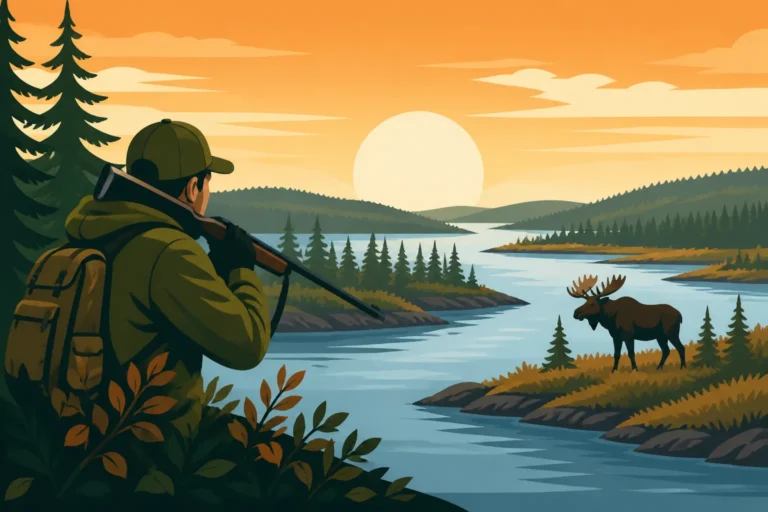
If you're heading to the Nelson River Country, chances are moose are high on your target list. This region is prime moose habitat, with vast tracts of boreal forest, abundant water, and regenerating browse providing ideal conditions for these magnificent animals. Moose Across Manitoba's Boreal Forest are known for their impressive size and the challenging nature of hunting them. Expect to hunt moose that are truly wild, unaccustomed to frequent human presence. This means they are often less tolerant of mistakes and more sensitive to scent and noise.
Hunting moose here is typically a spot-and-stalk affair, often combined with calling, particularly during the rut. Glassing clearings, old burns, or hydro lines at dawn and dusk can be productive, but much of the hunting involves navigating dense cover. Finding fresh tracks, rubs, and beds is crucial, and following those signs through thick bush requires patience and skill. Calling a bull moose, mimicking cow calls or bull grunts, can be incredibly exciting, but it demands an understanding of the local moose vocalizations and when they're most receptive. Given the density of the cover and the size of the animals, extracting a moose once it's down can be a monumental task, often requiring significant logistical planning, as discussed in Getting a Moose Out With a Quad.
Black Bears: Abundant and Diverse
Black bears are also plentiful throughout the Nelson River region. The mosaic of forest, berries, and water sources provides excellent habitat for a healthy bear population. What's more, Manitoba is known for its incredible colour phase bears, meaning you might encounter bears ranging from jet black to various shades of chocolate, cinnamon, and even blonde. This adds an exciting element to the hunt.
Most bear hunting in the Nelson River Country involves baiting. Setting up a bait site, maintaining it, and then sitting a stand or blind near it requires dedication and patience. It's essential to understand bear behaviour, when they feed, and how to approach and leave your bait site without spooking them. Spring bear hunting, when bears are emerging from dens and seeking food, is a popular option. However, fall bear hunting offers the chance to harvest a bear that has been fattening up on berries and other natural foods, often resulting in larger animals with thicker hides. Patience is truly a virtue when Baiting Black Bear in Manitoba, as bears can be unpredictable in their timing. Beyond baiting, spot-and-stalk opportunities can exist along riverbanks or in recent burns, but these require considerable effort and stealth in dense cover.
Wolves: The Ultimate Predator Hunt
For the adventurous hunter seeking the ultimate predator, the Nelson River Country offers unparalleled opportunities for wolves. While challenging, harvesting a wolf in this wild landscape is an incredible achievement. Wolves are intelligent, elusive, and constantly on the move, often following the migratory patterns of their prey, such as moose. Hunting Wolves in Manitoba's North is not for the faint of heart, but the rewards are profound.
Wolf hunting often involves a combination of tracking, calling, and sometimes baiting (where legal and practical). Locating fresh tracks after a snowfall can reveal a pack's recent movements, providing clues to their territory and travel routes. Calling, using various howls and distress calls, can sometimes draw in curious or territorial wolves, especially during the colder months when food is scarcer. Setting up stands overlooking known travel corridors or historical kill sites can also be effective. Success usually comes down to persistence, an understanding of wolf behavior, and the ability to withstand extreme cold and remote conditions. Given the vastness of their range, using tools like onX Hunt to track their potential movements and identify pinch points can be a real asset.
Other Game and Species of Interest
While moose, bear, and wolf are the main big game draws, the Nelson River Country is also home to other huntable species and a rich diversity of wildlife. Waterfowl, particularly various duck species and Canada geese, can be found along the river and its many associated wetlands, offering excellent opportunities for those looking to combine a big game hunt with some bird hunting. Upland birds like ruffed grouse and spruce grouse are also common in the forest, providing a chance to stretch your legs with a shotgun during a big game scouting trip. Remember to check Manitoba Game Bird Seasons and Limits for specific dates and bag limits.
Furthermore, this region is teeming with furbearers like beaver, muskrat, lynx, and fox, though trapping these species requires specialized licences and skills. Even if you're not targeting them, their presence speaks to the health of the ecosystem. While you won't typically find large populations of white-tailed deer as you would in southern Manitoba, isolated pockets may exist, particularly along the southern fringes of the region or in areas with more mixed forest types.
Navigating the Rugged Terrain and Remote Access Challenges
One of the biggest hurdles, and often the most underestimated aspect, of hunting the Nelson River Country is simply getting there and moving around once you've arrived. This isn't a place for casual exploration; it demands careful planning and appropriate gear. Lack of reliable access can quickly turn an exciting adventure into a dangerous predicament.
Limited Road Networks and Off-Road Travel
Forget about paved roads and neatly graded gravel highways for the most part. The road network in the Nelson River Country is sparse, primarily consisting of main provincial roads (which might still be gravel and poorly maintained), and then quickly devolving into a maze of resource roads, logging trails, and hydro access routes. Many of these are seasonal, becoming impassable during spring thaw or heavy rains, and may not be plowed in winter. You'll often find yourself driving for hours on rough roads, hoping you don't encounter a washout or a section of deep mud.
This means a reliable 4×4 truck is essential, and even then, you'll often need to rely on ATVs or side-by-sides to reach your hunting areas. Quad and Side-by-Side Rules on Crown Land are important to be aware of, as responsible off-road travel is crucial for environmental stewardship and maintaining access. You might be navigating old Hunting an Old Logging Road in the North that’s barely discernible, or pushing through thick bush on an ATV trail that disappears into a muskeg bog. Having a winch, tow straps, and recovery gear isn't just a luxury; it's a necessity. It’s not a matter of if you'll get stuck, but when.
Water-Based Access and Navigation
Given the prevalence of rivers, lakes, and wetlands, water-based access is often a primary method of reaching remote hunting grounds in the Nelson River Country. Boats, canoes, and even float planes are common tools. If you're planning to use a boat, a sturdy aluminum hull with a reliable outboard motor is advisable, capable of handling potential rapids, submerged rocks, and shifting sandbars. Navigating these waterways, especially unfamiliar ones, requires excellent seamanship and up-to-date charts. A GPS unit with accurate mapping is indispensable, as landmarks can appear uniform, and it's easy to get disoriented.
Float planes, while costly, open up vast tracts of truly untouched wilderness that are otherwise inaccessible. This is often the preferred method for remote caribou or moose hunts deeper into the boreal. If you're flying in, be acutely aware of weight restrictions and plan your gear meticulously. Whether by boat or plane, the logistics of transporting hunters, gear, and potentially harvested game become a significant part of the overall hunt plan.
Relying on Technology for Navigation
In such a vast and often featureless landscape, modern navigation technology is not just helpful, it's virtually mandatory. A reliable GPS unit, paired with a satellite messenger or phone, is crucial. Apps like onX Hunt have revolutionized how hunters navigate, allowing you to download offline maps, mark waypoints for game sign, access points, and camp locations, and precisely track your movements. Knowing exactly where you are, where the nearest road is, and how to get back to your vehicle can literally be a lifesaver.
Before you even leave home, spend considerable time studying satellite imagery on platforms like onX Hunt or GoHunt. Identify potential access points, areas of varied habitat (burns, cutlines, ridges, water bodies), and possible game corridors. Use these tools to scout remotely and formulate a plan before you set foot on the ground. Print physical maps as a backup, and always carry a compass and know how to use it, because batteries die and electronics can fail. Being able to read a Manitoba GHA Map Before You Go in detail, cross-referencing it with digital tools, provides a powerful advantage.
| Access Type | Pros | Cons | Ideal For |
|---|---|---|---|
| Truck (4×4) | Relatively accessible, haul capacity | Limited to main roads, can get stuck | Scouting, closer-to-road hunts, camp setup |
| ATV/Side-by-Side | Access rough trails, extend range | Limited capacity, deep mud/muskeg risk, breakdowns | Bush country, old cutlines, hauling game short distances |
| Boat/Canoe | Access river/lake systems, quiet, versatile | Weather dependent, limited land range, portaging | Waterfowl, river-edge moose, remote lake access |
| Float Plane | Access truly remote, untouched areas | Expensive, weight limits, weather dependent | Deep wilderness moose/bear, caribou |
| On Foot | Stealth, deep penetration | Exhausting, slow, limited range, heavy loads after kill | Still-hunting, tracking, short stalks from other access |
Essential Planning and Preparation for Your Nelson River Hunt
Hunting the Nelson River Country is not a spur-of-the-moment decision. It requires extensive planning, robust gear, and a deep understanding of the regulations specific to this unique part of Manitoba. Overlooking any detail can have serious consequences, from a ruined hunt to a dangerous situation.
Licensing, Seasons, and Regulations
First things first: understand the rules. The Nelson River region falls under specific Game Hunting Areas (GHAs) in Manitoba, and regulations can vary significantly from those in the south. You need to know Manitoba Hunting Licences and What They Cost and ensure you have the correct tags for the species you intend to pursue. Pay close attention to Manitoba Big Game Season Dates for your chosen GHA, as seasons can be quite specific, especially for moose.
It's also crucial to be aware of any special draw requirements for species like moose, and the deadlines for applying. Non-residents, whether Canadian or foreign, will have additional requirements, often needing a licensed outfitter for certain species. Always consult the most current Manitoba hunting guide, which is usually available online, or contact the local conservation office for clarification. Don't assume anything; confirm every detail about bag limits, legal methods, and specific GHA rules.
Gear Up for the Northern Wilderness
Your gear list for a Nelson River hunt will be more extensive and robust than for many other areas. This is true wilderness, where self-sufficiency is paramount.
- Clothing: Layers, layers, layers! The weather can change dramatically, especially during fall. High-quality waterproof and windproof outerwear is non-negotiable. Think insulated boots for sitting still in cold temperatures, and moisture-wicking base layers. For late season, Boots for Sitting Still in Deep Cold are essential.
- Navigation & Communication: As mentioned, GPS (with offline maps), satellite messenger (Garmin InReach, Zoleo), compass, and paper maps are vital. Cell service will be nonexistent in most areas.
- Safety & Survival: A comprehensive first-aid kit, fire-starting supplies (multiple methods), emergency shelter, extra food and water, headlamps with spare batteries, and a quality knife are absolute must-haves. A robust Winter Truck Kit for a Manitoba Hunt can prevent major headaches. Bear spray and knowing how to use it are also critical.
- Hunting Specifics: High-quality optics (binoculars, spotting scope), a reliable rifle or bow suited for large game, ample ammunition, and game processing tools (sharp knives, bone saw, game bags). A portable game scale can be useful for field dressing.
- Camp Equipment: If you're camping, consider a durable tent or even a wall tent with a stove for colder weather. Robust sleeping bags rated for severe cold are essential. A reliable cooking system and sufficient food supplies for the duration of your trip, plus a few extra days for emergencies, are critical.
Logistics, Emergency Plans, and Physical Preparedness
Logistics are the backbone of a successful Nelson River hunt. How will you get to your hunting area? Where will you set up camp? How will you retrieve an animal once it’s down? These questions need answers long before you leave home. Consider fuel planning for your vehicles and ATVs, especially if you're covering vast distances without access to gas stations.
Crucially, have an emergency plan. Let someone responsible know your detailed itinerary, including your exact hunting area, expected return date, and emergency contacts. What will you do if someone gets injured? What if a vehicle breaks down or you get stuck miles from anywhere? Having a plan for What to Do If You Get Stuck in the Bush and the equipment to deal with it can save lives. This remote environment also demands a certain level of physical fitness. Be prepared for long days of walking through challenging terrain, and the strenuous work of field dressing and extracting an animal. Training beforehand, even if it's just hiking with a weighted pack, will significantly improve your chances of enjoying the hunt and being effective in the field.
The Nelson River Country offers an unparalleled adventure for those willing to prepare and respect its wild nature. It's a place where memories are forged in the solitude of the boreal forest, a true testament to the spirit of the hunter.
Disclaimer
This article is for general informational purposes only and does not constitute professional advice. Laws, prices and regulations vary by location and change over time. Consult a qualified professional for guidance on your specific situation.