Hunting an Old Logging Road in the North
There's a unique thrill, and let's be honest, often a fair bit of head-scratching, that comes with hunting Manitoba's vast northern wilderness. It can feel utterly overwhelming, especially when you're trying to figure out where game might be holding in such expansive terrain. But tucked away in all that bush are old logging roads – forgotten arteries winding through the forest that, if you know how to read them, can be absolute magnets for big game. This guide will help you unlock the potential of these overlooked pathways, turning confusion into confidence.
The Unseen Advantage of Northern Logging Roads
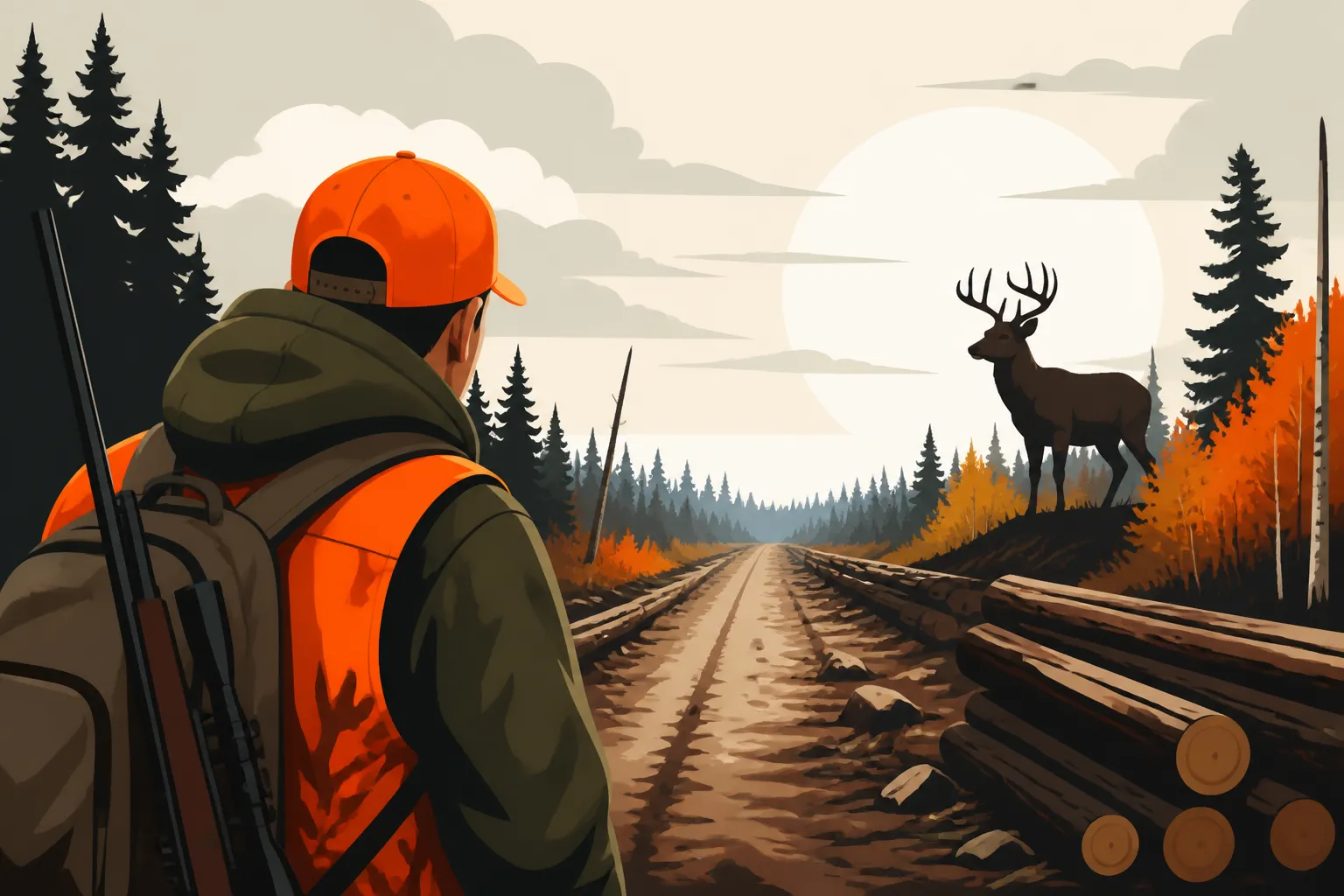
For many hunters, a logging road might seem like just a way to get into the bush, not necessarily a place to hunt from. But in Northern Manitoba, especially in the vast Boreal Forest, these old, overgrown tracks are far more than just access routes. They are dynamic ecosystems within themselves, acting as crucial corridors, feeding grounds, and even sources of thermal cover for various species. Ignoring them means missing out on some of the most consistent hunting opportunities the north has to offer.
Natural Corridors for Big Game
Think about it: animals, just like us, prefer the path of least resistance. While a moose can certainly crash through thick willow or a bear can bust through dense spruce, why would they if there’s an easier way? Old logging roads, even those barely discernible anymore, offer exactly that. They create open lanes through otherwise impenetrable cover, becoming natural highways for everything from whitetail deer to massive bull moose and even predators like wolves and black bears. These roads connect different habitat types – a prime feeding area to a thick bedding sanctuary, or a water source to a salt lick.
Picture a mature bull moose moving from a willow swamp where he's been browsing all night to a dense black spruce stand for midday bedding. Instead of fighting through the tangled undergrowth, he'll often follow the faint path of an old logging road that runs adjacent to or directly through these areas. Similarly, whitetail bucks use these edges to sneak between feeding fields and thick bush, especially during the rut when they are constantly on the move. Even black bears will pad along these routes, checking for berries, overturned logs for grubs, or simply to get from one part of their territory to another. Learning to identify these travel patterns is key to understanding Moose Hunting Manitoba's Boreal Country and other species.
Prime Feeding and Bedding Proximity
Beyond being mere travel routes, old logging roads often create their own microclimates and vegetation patterns that are highly attractive to game. When an area is logged, the increased sunlight reaching the forest floor stimulates new growth – often a flush of browse that wasn't there before. This includes young aspen, willow, fireweed, and various shrubs that are crucial food sources for deer and moose. These regenerating clearcuts, often bordered or bisected by old roads, become veritable cafeterias for herbivores.
Furthermore, the edges of these roads, where the young growth meets the mature forest, provide an ideal transition zone. Animals can feed in the security of the regenerating cover while still being mere steps away from the dense, protective canopy of older timber for bedding. This proximity of food and cover is exactly what big game animals seek. You might find evidence of heavy browsing right along the road's edge, indicating consistent feeding activity. Understanding Hunting a Manitoba Bush Edge becomes critical here, as the road often is that edge.
Strategic Scouting: Digital to Boots on the Ground
Hunting an old logging road isn't just about stumbling upon it; it's about purposefully identifying and analyzing these features. Modern technology combined with traditional tracking skills will give you the upper hand, allowing you to maximize your time in the field and pinpoint the most promising spots.
Unlocking the Landscape with Digital Maps
Before you even leave your house, the internet and specialized hunting apps can be your best friends. Tools like GoHunt are invaluable for pre-season digital scouting. You can spend hours poring over satellite imagery, identifying old logging cuts, the faint lines of overgrown roads, and potential pinch points or funnels created by the terrain. Look for changes in tree density or canopy height, which often indicate past logging activity. These apps allow you to mark waypoints, measure distances, and understand the general lay of the land, even in areas you've never physically visited.
When using GoHunt or other mapping software, pay close attention to topographical lines. Roads that follow ridges, cross saddles, or parallel creek bottoms are often high-traffic areas. Zoom in to identify clearings, old beaver ponds, or areas of thicker regeneration. Download offline maps to your device before heading out, as cell service is often non-existent in remote Northern Manitoba. This foresight allows you to navigate confidently and precisely to your chosen spots without relying on a signal. Consider Reading Manitoba Crown Land Layers on onX and applying similar techniques to other platforms like GoHunt for identifying public access and forest management areas.
Reading the Land for Fresh Sign
Once you've done your digital homework, it's time for boots-on-the-ground reconnaissance. Walking these old roads, especially in the off-season or just before the hunt, provides invaluable real-time information. Look for fresh tracks in soft ground or mud, scat, rub lines on small trees, and heavily browsed vegetation. Muddy sections of the road are particularly telling, as they often hold clear impressions of deer, moose, or bear hooves, indicating recent travel.
- Tracks: Are they fresh and well-defined, or weathered and old? What direction are the animals traveling? Are there multiple tracks, suggesting a group or repeated use?
- Scat: Fresh droppings indicate recent presence. The type of scat tells you what animal was there (moose droppings are large pellets, deer are smaller, bear scat often contains berries or seeds).
- Rubs and Scrapes: Especially for whitetail deer, look for rubs on small saplings along the road's edge, indicating bucks are working these areas. Scrapes in the dirt might also be present, especially during the pre-rut and rut phases.
- Browse: Heavily browsed saplings or shrubs (with torn leaves/twigs for moose and deer) show active feeding. Pay attention to species preferences like willow and aspen for moose, or dogwood and saskatoons for deer.
It's about telling a story from the signs left behind. Is there a faint deer trail intersecting the logging road and leading into a thick spruce stand? That's a prime bedding route. Is there a section of road with fresh moose tracks leading to a wallow or bog? That's a feeding and watering area. Remember, the deeper you get into remote areas, the more vital Scouting a Manitoba Game Hunting Area becomes, as these subtle signs are your primary intelligence. When you're out there, always be aware of the wind. Animals often travel with the wind in their face to detect danger, or crosswind to cover more ground with their scent.
| Animal Sign | What to Look For | What it Indicates |
|---|---|---|
| Tracks | Clear hoof prints in mud, dust, or snow; paw prints | Recent travel, direction, species, size of animal |
| Scat/Droppings | Pellets, piles, or segmented droppings; freshness | Recent presence, species, diet, time since passage |
| Rubs/Scrapes | Polished trees (rubs), disturbed ground with overhanging branch (scrapes) | Whitetail buck activity, territorial marking, rut stage |
| Browse/Chewed Veg | Torn leaves, broken twigs, stripped bark | Feeding activity, preferred food sources, animal presence |
| Beds | Flattened grass/snow in sheltered spots | Resting areas, recent use, direction of travel upon waking |
| Wallows/Mud Pits | Disturbed mud, hair, strong odor | Moose or bear activity, cooling, pest avoidance, scent marking |
| Trails/Paths | Faint depressions in vegetation, worn earth | Repeated travel routes, natural corridors |
Mastering the Hunt on Old Logging Trails
Once you've scouted your areas and identified promising logging roads, it's time to translate that knowledge into actual hunting success. The techniques you employ will vary based on the species, the time of year, and your personal hunting style, but the core principles of stealth, patience, and understanding animal behavior remain constant.
Stealthy Still-Hunting and Ambushes
Still-hunting along an old logging road is one of the most effective strategies, especially for species like whitetail deer and black bears. This isn't about rushing; it's about moving incredibly slowly and deliberately, taking a few steps, then pausing to glass and listen for several minutes. Use your binoculars to scan the edges, look for parts of animals (an ear twitch, a horizontal line in a vertical forest, a patch of dark fur), and listen for subtle sounds – a twig snap, a rustle in the leaves, a distant grunt. Remember that in cold conditions, sounds carry far, so Hunting Safely in Deep Winter Cold also means being aware of how much noise you might be making.
Focus on sections where the road bends, rises over a knoll, or passes through a dense patch of cover. These are natural ambush points where an animal might appear suddenly. For whitetails, pay close attention to junctions with other faint trails or where the road runs along the edge of a thick bedding area. If you find yourself in a promising spot with fresh sign, consider setting up a temporary ground blind using natural cover or a portable pop-up. Wait patiently, letting the forest settle around you. The key is to be where the animals want to go, and an old logging road often leads them there.
Harnessing Calls and Decoys in the Bush
Logging roads, due to their relative openness, can be fantastic places to employ calling and decoying strategies. For moose hunters in particular, the long sight lines offered by these roads can make a big difference. Setting up a moose decoy in an open stretch of road, or even just calling aggressively with cow or bull calls, can draw in curious animals looking for a rival or a mate. The sound will travel further down the cleared corridor, reaching animals that might otherwise be out of earshot. Consider integrating this into your strategy for Calling a Bull Moose in the Rut.
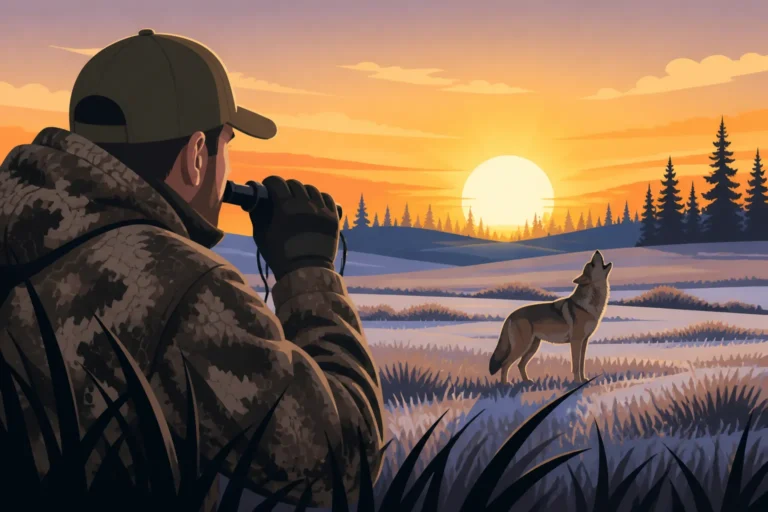
When Rattling and Calling Parkland Whitetails, similar principles apply. While "parkland" refers to a different habitat, the principles of using sounds to attract deer work in the north too. Grunt calls, bleats, and even rattling antlers can be incredibly effective when positioned along a logging road, especially during the rut. A buck cruising the road looking for does might respond readily to the sounds of other deer. For predator hunters, an old logging road is a prime spot for setting up for coyotes or wolves. The cleared path allows you to see approaching animals from a distance, and the sound of your calls (distress calls, howls) will travel effectively through the forest. Just be sure to always have a good backstop and know your shooting lanes.
Gear Up and Stay Safe in Remote Territory
Hunting remote Northern Manitoba means being self-sufficient and prepared for anything. Old logging roads, while providing access, often lead far from civilization and cell service. Your gear choices and safety protocols are paramount to a successful and enjoyable trip.
Essential Kit for Northern Excursions
When venturing onto old logging roads in the north, your pack needs to be more comprehensive than a typical day hunt. Navigation is crucial; bring a reliable GPS unit and a physical compass with a map, even if you’re relying on a smartphone app like GoHunt for your primary navigation. Batteries die, and electronics fail, so redundancy is key. Pack a sturdy knife, a headlamp with extra batteries, fire-starting materials (waterproof matches, lighter, fire steel), and a compact first-aid kit stocked for remote emergencies. A satellite communication device, like a SPOT or inReach, is a wise investment, allowing you to send emergency messages even without cell service.
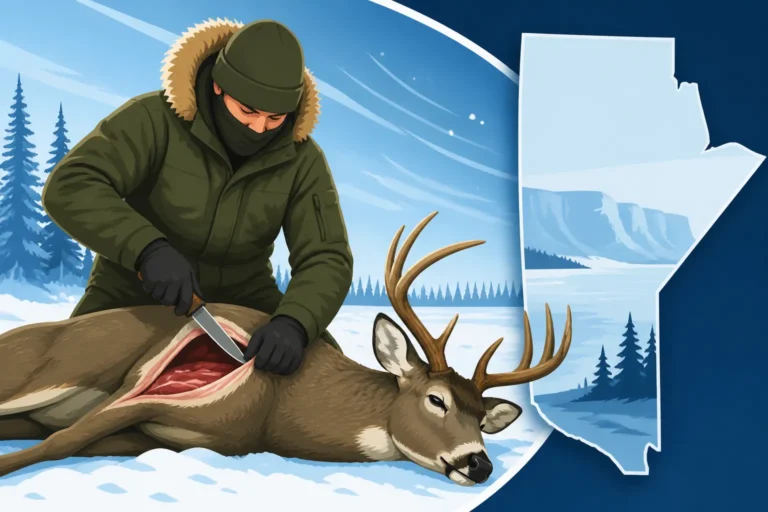
Dress in layers suitable for rapidly changing Northern weather, which can shift from mild to freezing in a matter of hours, even during the fall. Waterproof outerwear is non-negotiable. Carry enough food and water for longer than you anticipate being out, along with purification tablets or a filter. If you're going deeper, consider Camping on Manitoba Crown Land and pack accordingly with shelter and cooking gear. A small folding saw or axe can be handy for clearing fallen trees from old tracks or processing firewood. And always, always carry proper game recovery gear like a sharp knife, game bags, and perhaps a small tarp. If you get a moose down deep in the bush, Getting a Moose Out With a Quad might be the easy part; the field dressing and meat care will be the challenge.
Navigating Regulations and Remote Risks
Before you head out, thoroughly check the current Manitoba hunting regulations for the specific Game Hunting Area (GHA) you plan to hunt. Old logging roads might cross different GHAs, or even pass through areas with special restrictions. Always know Manitoba's Game Hunting Areas inside and out. Ensure you have all necessary licences and tags, and that they are valid for the species and season.
Access to these old roads can sometimes be tricky. While many are on Crown Land and are generally accessible, some might traverse private property, require crossing active logging areas (which can have specific access rules or closures), or pass through First Nation territories where special permissions may apply. Always respect posted signs and secure landowner permission if there's any doubt about property lines. Beyond regulatory risks, the physical environment presents challenges. Rough terrain, unstable bridges or culverts on old roads, and the very real risk of getting lost or stranded are ever-present. Always tell someone your hunt plan: where you're going, your intended route, when you expect to return, and who to call if you don't check in. Be prepared for breakdowns if you're driving an ATV or truck on these roads; a winch, tow strap, and basic repair kit are essential. Knowing What to Do If You Get Stuck in the Bush could save your life.
Disclaimer
The information provided in this guide is for general informational purposes only and does not constitute legal advice. Hunting regulations, seasons, and access rules in Manitoba can change frequently. It is the responsibility of every hunter to consult the official Manitoba Hunting Guide and other provincial resources to ensure compliance with all current laws and regulations before participating in any hunting activity. Always prioritize safety and ethical hunting practices.