Manitoba Game Bird Seasons and Limits
Figuring out the ever-changing landscape of Manitoba's game bird seasons and limits can feel like you need a degree in regulatory interpretation, not just a hunting license. It's truly frustrating to keep track of federal mandates overlapping with provincial rules, all while trying to plan your next successful outing. This comprehensive guide is here to untangle all that complexity, helping you confidently navigate the open fields and marshy wetlands for ducks, geese, grouse, and more.
Understanding Manitoba's Game Bird Landscape
Manitoba isn't just a place; it's a vibrant, living ecosystem that pulses with incredible birdlife, especially when you consider its location along the crucial Central Flyway. For hunters, this means unparalleled opportunities, but it also means a responsibility to understand the intricate details that govern our hunting seasons and bag limits. It's not just about pulling a trigger; it's about being a steward of these incredible resources.
Diversity of Huntable Species
When we talk about game birds in Manitoba, we're really talking about a spectacular array of species, each with its own unique habitat, behaviours, and, of course, regulatory framework. It's not a one-size-fits-all situation, and that's often where the confusion begins for many hunters. You've got your migratory birds – the ducks, geese, and sandhill cranes – which are primarily managed federally, but with provincial overlays determining specific dates and zones. Then, there are the upland birds – the various grouse species (ruffed, spruce, sharp-tailed), and the ever-challenging Hungarian partridge and ptarmigan in the far north. Each of these brings a different challenge and reward to the hunt.
Think about the sheer variety: from the explosive flush of a mallard taking flight over a slough, to the raucous honking of Canada geese descending into a stubble field, or the sudden whir of a sharp-tailed grouse exploding from prairie grass. Each encounter is distinct, requiring different tactics, gear, and an acute awareness of the specific rules that apply. It's a rich tapestry of experiences that makes Manitoba a bucket-list destination for bird hunters. Trying to keep all these species straight, along with their respective dates and legal limits, is a monumental task without a clear, consolidated resource.
The Importance of Flyways and Habitat
Manitoba's geographical position is absolutely critical to its status as a game bird mecca. We're smack dab in the middle of the Central Flyway, one of North America's major migratory bird routes. This means that literally millions of ducks, geese, and cranes funnel through our province every spring and fall, utilizing our abundant wetlands, vast grain fields, and pristine boreal forests as vital staging and breeding grounds. The health of these habitats directly influences the populations of these birds, and consequently, the hunting opportunities we have.
Understanding these flyways and the habitats within them is fundamental. For example, the rich agricultural lands of southern Manitoba, particularly the Interlake region, act like a giant buffet for migrating waterfowl, drawing them in by the thousands. Similarly, the diverse bush country provides perfect cover and food sources for ruffed and spruce grouse, while the open grasslands and parklands are ideal for sharp-tailed grouse and Huns. This close connection between geography, habitat, and bird behaviour dictates not only where you'll find birds but also why the seasons are structured the way they are. Conservation efforts, informed by scientific data about these habitats and flyways, are what ultimately ensure sustainable hunting for future generations.
Decoding Migratory Bird Seasons and Limits
Migratory bird hunting in Manitoba involves a dance between federal and provincial regulations. It’s a common point of frustration for hunters, as the rules can seem like a moving target. You’re dealing with the Migratory Birds Convention Act, which sets the overarching framework, and then Manitoba’s own wildlife regulations that fine-tune the specifics for our various zones. This layered approach is designed to ensure consistent conservation across international borders while addressing local population dynamics and hunter opportunities.
Duck Seasons and Bag Limits by Zone
Ducks are a cornerstone of Manitoba's waterfowl hunting tradition. From the dabblers like mallards, pintails, and wigeon, to the divers such as canvasbacks and redheads, our wetlands teem with a diverse population. However, simply knowing a species is legal isn't enough; you need to be acutely aware of the specific season dates and daily bag limits, which often vary by hunting zone. Manitoba is divided into zones for migratory birds – usually a Southern Zone and a Northern Zone – and these distinctions are absolutely crucial. What's open in one zone might be closed in another, or the daily limit could be different.
For instance, the regular duck season generally kicks off earlier in the Northern Zone, typically in early September, while the Southern Zone usually starts a week or two later. These staggered openings are a direct result of migratory patterns; birds arrive and depart from northern breeding grounds earlier. Daily bag limits, too, are species-specific and come with overall aggregate limits. You might be allowed, for example, 8 ducks in total per day, but with a maximum of 4 mallards (only 2 of which can be hens), or perhaps only 2 pintails. These specific rules are in place to manage pressure on certain species and to protect breeding populations. Hunters often find themselves scratching their heads over these intricate rules, but neglecting them can lead to serious penalties. It's not enough to just know the general Manitoba Duck Season Dates; you need to dive into the specific zone regulations for your intended hunting area.
Goose Seasons and Conservation Order Opportunities
Geese are another major draw for Manitoba hunters, with abundant populations of Canada geese, snow geese, and specklebellies (greater white-fronted geese) gracing our skies and stubble fields. Like ducks, their seasons are split by zone, with varying start and end dates. Canada goose season, for example, often has an early season designed to target resident birds before the main migration arrives, followed by a regular season that coincides with the broader waterfowl migration. Daily bag limits for geese are generally more generous than ducks, but still require careful attention.
One of the most exciting aspects of goose hunting in Manitoba, particularly for snow geese, is the "Conservation Order" (sometimes referred to as the Spring Snow Goose Hunt or Fall Conservation Hunt). This is a special season, usually in the spring and sometimes in late fall/early winter, designed to help reduce the population of overabundant snow geese that are causing significant habitat destruction in their Arctic breeding grounds. The rules for these conservation orders are vastly different: often no bag limit, extended shooting hours, and sometimes even electronic calls are permitted. It's a completely different ballgame, offering incredible opportunities for high-volume hunting. But be warned: these specialized seasons have their own specific dates and rules, and mistaking them for regular seasons can get you into trouble. Many hunters rely on resources like GoHunt to stay current with these dynamic regulations, especially when scouting fields for Field Hunting Geese in Manitoba Stubble.
Sandhill Crane Seasons and Specific Regulations
Sandhill cranes are magnificent, long-legged birds that have become increasingly popular with Manitoba hunters. Their unique calls echoing across the fields and their distinctive flight patterns make for a memorable hunting experience. However, hunting sandhill cranes comes with its own very specific set of regulations that differ from other migratory birds, and these are easy to overlook if you're not paying close attention.
The season for sandhill cranes is typically shorter and often falls within a specific window, usually in early to mid-September, coinciding with their migration through the province. The daily bag limit is also usually quite conservative, often just two or three birds per day, and possession limits are equally strict. It's crucial to understand these limits because it's a relatively new opportunity for many hunters, and conservation remains paramount. Unlike ducks and geese, crane hunting often requires different field setups, relying more on concealment and patience rather than large decoy spreads. Hunters targeting these birds must ensure they check the specific When Sandhill Crane Season Opens details, as the season length and limits are very precisely managed to ensure sustainability of the population.
Navigating Upland Bird Seasons and Limits
Beyond the wetlands and stubble fields, Manitoba’s diverse terrestrial habitats offer fantastic opportunities for upland bird hunting. These birds—grouse, partridge, and ptarmigan—fall primarily under provincial management, meaning their seasons and limits are set by Manitoba’s own wildlife branch, separate from the federal migratory bird regulations. This can be a relief for some hunters, as it simplifies one layer of bureaucracy, but it still requires a keen understanding of the specific rules for each species and region.
Ruffed and Spruce Grouse Season Details
Ruffed grouse and spruce grouse are the quintessential bush birds of Manitoba. Ruffed grouse, with their distinctive fan-like tail and "drumming" display, are widespread throughout the province's forested areas, particularly in poplar and aspen stands mixed with conifers. Spruce grouse, often found in denser coniferous forests, are famously (or perhaps infamously) more docile, earning them the nickname "fool hens." Both offer challenging and rewarding hunts, often requiring a good pair of boots and a willingness to explore thick cover.
The season for both ruffed and spruce grouse typically opens in early September and runs well into December, often closing around the same time as the general deer rifle season. This extended season provides ample opportunity, whether you're walking bush trails in the crisp fall air or crunching through early snow. Daily bag limits are usually quite generous, often around 5 or 10 birds per day, with a possession limit of double the daily. However, it’s vital to check the current Ruffed Grouse Season Dates and Limits as these can see minor adjustments from year to year based on population trends and winter severity. Hunters often enjoy combining a grouse hunt with big game scouting, as many of the same areas are frequented by deer and moose.
Sharp-Tailed Grouse Opportunities and Limits
Sharp-tailed grouse, or "sharptails," are the iconic prairie and parkland game bird of Manitoba. Known for their elaborate spring dancing rituals and explosive flushes, these birds inhabit the open grasslands, brushy coulees, and agricultural fringes of the province. Their hunting requires a different approach than their bush-dwelling cousins, often involving covering a lot of ground, either on foot with a good bird dog or by slowly driving gravel roads and walking shelterbelts.
The season for sharp-tailed grouse generally mirrors that of ruffed and spruce grouse, opening in early September. However, their habitat preferences mean you'll find them in different parts of the province, primarily the southern and central regions. The daily bag limits are typically similar to or slightly less than ruffed grouse, reflecting population dynamics. It's common to find sharptails holding tight in tall grass, standing stubble, or the thick cover of willow runs, making a surprise flush an exhilarating experience. When planning to go Walking Up Sharp-Tailed Grouse in Manitoba, understanding the Sharp-Tailed Grouse Season and Limits is crucial, particularly how they might vary slightly from other grouse species. Many hunters use mapping apps like GoHunt to identify grassland and brushy areas within specific GHAs (Game Hunting Areas) that are prime sharptail habitat.
Hungarian Partridge and Far North Ptarmigan Seasons
Hungarian partridge, or "Huns," are another beloved upland bird found primarily in Manitoba's agricultural belt. These fast-flying, covey-forming birds provide an exciting and often challenging hunt, frequently found along field edges, shelterbelts, and roadsides. They're notoriously skittish once pressured, making a quick shot and good dog work essential. Their season typically opens in September and can run into December, similar to other upland birds. Daily bag limits for Huns are generally in the range of 8-10 birds, with a possession limit of double that. Hunters often find them in areas where grain fields meet denser cover, making Hunting Hungarian Partridge on Manitoba Farms a popular fall activity.
Further north, in the vast, remote reaches of Manitoba's tundra and taiga transition zones, you’ll find ptarmigan. These hardy birds change their plumage with the seasons, from mottled browns in summer to brilliant white in winter, offering excellent camouflage. Hunting ptarmigan is a truly wilderness experience, often requiring float plane access or extensive travel to remote regions. Their season is usually much longer, often extending through winter, given their remote habitat and typically stable populations. The daily and possession limits for ptarmigan are usually very generous, reflecting the expansive, low-pressure hunting grounds. While few hunters pursue them, those who do often describe it as an unforgettable adventure, a true test of endurance and preparation in Manitoba's far north.
Essential Licensing and Regulatory Frameworks
Beyond knowing when and what you can hunt, a fundamental aspect of ethical and legal hunting in Manitoba is understanding what you need to carry in terms of licenses, permits, and stamps. It's not just a formality; these documents are your proof of legal eligibility and contribute directly to conservation efforts. Missing even one piece of paper can quickly turn a great day afield into a frustrating encounter with a conservation officer.
Provincial Hunting Licence Requirements
Every hunter in Manitoba, whether resident or non-resident, must possess a valid provincial hunting license. This is your foundational document, granting you the general privilege to hunt game in the province. Before you can even think about specific game bird tags, you need this overarching license. For Manitoba residents, this usually involves having completed a Hunter Education course or demonstrating prior hunting experience. Non-residents, especially those from outside Canada, have additional requirements, often needing to be guided for certain species.
The cost of a Manitoba Resident Hunting Licence Cost is generally quite affordable, designed to encourage participation while contributing to wildlife management funds. You can purchase these licenses online through the Manitoba e-licensing portal, at designated vendors, or from Sustainable Development offices. It's not just about paying the fee, though; you need to ensure all your personal information is correct and that you carry a physical or digital copy with you at all times while hunting. Conservation officers conduct random checks, and being unprepared can lead to fines or the confiscation of game and equipment. This provincial license is the first step in unlocking all the amazing hunting opportunities Manitoba has to offer.
Federal Migratory Game Bird Permit and Stamp
For those targeting ducks, geese, and sandhill cranes, the provincial hunting license isn't the only piece of paper you'll need. Since these are migratory birds, they fall under federal jurisdiction, necessitating a Federal Migratory Game Bird Permit and a Canadian Wildlife Habitat Conservation Stamp. These two items go hand-in-hand and are mandatory for any migratory bird hunter in Canada. The permit tracks participation and contributes to federal conservation programs, while the stamp directly funds wetland habitat conservation projects across the country.
Many hunters, especially those new to waterfowl, often overlook this federal requirement, thinking their provincial license covers everything. This is a common and easily avoidable mistake. The permit and stamp are available through Canada Post outlets or online via the federal government's website. They are typically valid for one hunting season. Just like your provincial license, you must carry proof of purchase of both the permit and the stamp while hunting migratory game birds. It’s a small extra step, but one that’s absolutely critical for legal Manitoba Migratory Bird Permits and ethical waterfowl hunting. The funds generated are vital for the continued health of the flyways we all enjoy.
Non-Toxic Shot and Other Equipment Considerations
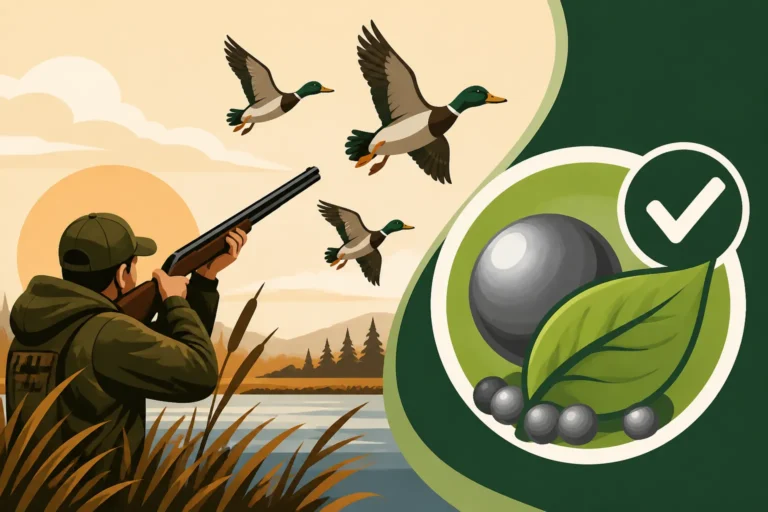
Beyond licenses, understanding equipment regulations is paramount, especially for migratory birds. One of the most critical rules to adhere to is the Non-Toxic Shot Requirements for Waterfowl. For any hunting of ducks, geese, or other migratory game birds in Canada, you are legally required to use non-toxic shot. This means steel shot, bismuth, tungsten, or other approved alternatives, but absolutely no lead shot is allowed when hunting migratory birds. This regulation is in place to prevent lead poisoning in waterfowl, which can ingest spent lead pellets from hunting areas.
The consequences of using lead shot for migratory birds are severe, ranging from hefty fines to equipment seizure and even potential bans from hunting. It's not a rule to take lightly. Beyond shot type, consider other equipment requirements: your shotgun must not be capable of holding more than three shells (a plug is required for most semi-automatics and pump-action shotguns to limit capacity to two in the magazine and one in the chamber). Additionally, specific blinds, decoys, and calls may have their own regulations depending on the species and season (e.g., electronic calls are generally prohibited for waterfowl during regular seasons but allowed during special conservation order snow goose hunts). Being fully equipped, and legally equipped, is just as important as knowing the season dates.
Key Factors Influencing Seasons and Limits
It's easy to look at the hunting regulations each year and wonder why they've changed, or why they're so specific. It can feel arbitrary, but trust me, there's a whole lot of science and careful consideration that goes into setting Manitoba's game bird seasons and limits. These aren't just numbers pulled out of a hat; they're the result of ongoing monitoring, scientific research, and adaptive management strategies designed to ensure healthy populations for both the birds and for hunters for generations to come.
Population Management and Conservation Efforts
The primary driver behind any hunting season and limit is population management and conservation. Wildlife biologists, both provincial and federal, continually assess the health and abundance of game bird populations. This involves aerial surveys, banding programs, harvest data collection, and habitat assessments. For migratory birds, this is a massive, continent-wide effort involving Canada, the United States, and Mexico. If a specific species, like canvasbacks for instance, shows declining trends over several years, you might see a reduced bag limit or even a closed season to allow populations to recover.
Conversely, species that are abundant, such as snow geese, might have very liberal limits or special conservation seasons to help manage their numbers and prevent overpopulation from damaging sensitive ecosystems. This active management is critical. It’s a dynamic process, not a static one. Hunters contribute directly to this by purchasing licenses and stamps, and by honestly reporting their harvest, which provides crucial data for these population assessments. It’s a partnership between hunters and conservation agencies, all working towards the common goal of sustainable wildlife.
Habitat Conditions and Environmental Impacts
You can't have healthy bird populations without healthy habitats. Fluctuations in habitat conditions are a major factor influencing game bird numbers and, consequently, hunting regulations. For waterfowl, this means the condition of our wetlands—how much water there is, how healthy the aquatic vegetation is, and the availability of food sources. A drought year, for instance, can drastically reduce nesting success and overall duck numbers, which might lead to more conservative limits in subsequent seasons. Conversely, a wet year with abundant water and food can lead to booming populations and more liberal limits.
Beyond water, agricultural practices, land use changes, and even climate patterns play a role. The loss of native prairie habitat impacts sharp-tailed grouse and Huns, while changes in forest composition affect ruffed and spruce grouse. Extreme weather events, like late spring blizzards during nesting season or prolonged periods of deep snow and extreme cold in winter, can also impact survival rates. Wildlife managers constantly monitor these environmental factors. If early reports suggest poor breeding conditions, you might see a more cautious approach to setting limits. This is why staying informed about environmental reports and understanding the ecological health of our Manitoba's Wildlife Management Areas is not just interesting, but directly relevant to your hunting success.
Adaptive Harvest Management Protocols
The scientific process behind setting seasons and limits is often referred to as Adaptive Harvest Management (AHM). This isn't just a fancy term; it's a rigorous, data-driven approach that allows wildlife agencies to make informed decisions about harvest levels while simultaneously learning from the outcomes. Instead of rigid, unchanging rules, AHM means regulations can be adjusted year-to-year based on the latest population data, habitat conditions, and predictions for the upcoming season.
For migratory birds, AHM is particularly sophisticated. It involves complex mathematical models that integrate breeding population surveys, harvest surveys, and environmental data to forecast population sizes and determine optimal harvest strategies. This allows for flexibility – when populations are healthy, limits might be more generous; when they're struggling, limits become more restrictive. This adaptive approach ensures that hunting remains sustainable, allowing populations to thrive while still providing recreational opportunities. It can feel frustrating when limits change annually, but it's this flexibility that protects the long-term health of our game birds.
Practical Tips for a Successful Game Bird Season
Navigating the complexities of Manitoba's game bird seasons and limits is just one part of the equation. To truly have a successful and rewarding hunt, you need to combine that regulatory knowledge with practical skills and a solid plan. It's about being prepared, being observant, and most importantly, being respectful of the land, the wildlife, and fellow hunters.
Scouting and Accessing Prime Bird Habitat
Effective scouting is absolutely non-negotiable for game bird hunting. You can know all the season dates and limits in the world, but if you don't know where the birds are, it's all for naught. For waterfowl, this means driving rural roads in the evening and morning, glassing fields for feeding geese and ducks, and identifying sheet water, potholes, or marsh edges where birds are resting. For upland birds, it involves walking prime cover, looking for sign like droppings, dusting bowls, or feathers, and understanding their preferred habitat types—whether it's dense bush for grouse or sparse grasslands for sharptails. Many hunters use digital mapping tools like GoHunt to identify potential hotspots, analyze satellite imagery for cover types, and pinpoint public access points or land ownership boundaries.
Accessing prime habitat can be tricky, especially on private land. For public lands, you need to know the specific Hunting Whitetails on Manitoba Crown Land rules regarding vehicle access and permitted activities. For private land, gaining permission from landowners is paramount. Never assume you can hunt somewhere without explicit permission. A friendly knock on the door, a polite request, and offering to share some of your harvest can go a long way in building positive relationships with farmers and rural landowners. Always respect their property, close gates, and leave no trace. This relationship-building is a cornerstone of responsible hunting in Manitoba.
Reading the Manitoba Hunting Guide Effectively
The official Manitoba Hunting Guide, published annually by the province, is your bible for all things hunting regulations. It's not light reading, and it can be dense, but taking the time to thoroughly read and understand it is absolutely essential. Many hunters simply skim the sections relevant to their target species, but often miss crucial details buried in general regulations or specific zone caveats.
Don't just look for "duck season dates." Pay attention to the definitions, the general prohibitions, legal hunting hours, blaze orange requirements, and any specific notes for the Game Hunting Area (GHA) you plan to hunt. There are often changes from year to year, sometimes subtle, sometimes significant. Failing to read the fine print can lead to inadvertent violations. Keep a copy in your truck or easily accessible on your phone. If you ever have a question, it's better to consult the guide or contact a conservation officer than to rely on hearsay from a buddy. Knowing Where to Read the Manitoba Hunting Guide and how to interpret it can save you a lot of headaches.
Ethical Hunting Practices and Reporting Requirements
Beyond the legalities, ethical hunting practices are fundamental to our sport. This includes ensuring quick, clean kills, respecting bag limits, making every effort to recover wounded game, and never wasting meat. It means knowing your effective shooting range and passing on shots that are too far or unsafe. It also involves being a good ambassador for hunting—respecting other land users, packing out all your trash, and leaving the land better than you found it.
For game birds, there are specific reporting requirements you need to be aware of. For migratory birds, you may be selected to participate in a harvest survey, and your accurate reporting of your take is crucial for population management. For all game, Manitoba Tag Validation Rules apply. Immediately after harvesting an animal, you must validate your tag in the prescribed manner. This includes not only your bird licence, but all big game as well. You also need to keep "evidence of sex and species" on many game birds until you've left the field or are at your primary residence. This helps conservation officers verify compliance and prevents misidentification or exceeding specific species limits. These seemingly small details are a big part of being a responsible hunter.
Common Hunter Misconceptions and Pitfalls
Even seasoned hunters can sometimes fall victim to common misconceptions or overlook specific details in the regulations. The rules for game bird hunting in Manitoba are complex, and it's easy to make an honest mistake. However, ignorance of the law is never an excuse. Being aware of these common pitfalls can help you avoid unnecessary trouble and ensure a smooth, enjoyable hunting season.
Overlooking Zone-Specific Regulations
One of the most frequent mistakes hunters make is assuming that a general season opening date or limit applies province-wide. As discussed, Manitoba is often divided into different zones (e.g., Northern, Southern) for migratory birds, and specific GHAs might have unique regulations for certain upland species. The Goose Season Dates by Zone will vary, for example, and these differences are not always intuitive. You might hunt ducks in the Southern Zone and think the goose season opens at the same time, only to find out it's a week later, or that the early season applies only to resident geese in specific GHAs.
This often leads to hunters being in the field before the season opens in their specific zone, or exceeding limits that are lower in one zone compared to another. It’s absolutely critical to confirm the precise zone or GHA you are hunting in and then cross-reference that with the specific regulations for that area. Just because your buddy says the season is open, doesn't mean it's open where you are. A quick check of the official guide or an up-to-date mapping application can easily prevent this common oversight.
The Importance of Evidence of Sex and Species Identification
Another common pitfall, especially with ducks, is failing to maintain "evidence of sex and species" until required. Many duck species have different bag limits for males (drakes) versus females (hens) – notably mallards, where typically only a limited number of hens are allowed. Without sufficient evidence, like a fully feathered wing or head still attached to the bird, a conservation officer might assume you've exceeded the hen limit, even if you haven't.
Similarly, accurate species identification is crucial. Some ducks are more common than others, and hunters can sometimes mistakenly shoot protected species or exceed the limit for a less common duck that looks similar to a more common one. Taking the time to properly identify your birds before pulling the trigger, and maintaining the necessary evidence after the harvest, is vital. This rule exists for good reason, allowing enforcement officers to verify compliance with species-specific and sex-specific bag limits. It’s not just about getting your limit; it’s about doing it legally and responsibly.
Misinterpreting Conservation Order Rules
The special conservation order seasons, particularly for snow geese, offer incredible opportunities but also come with a unique set of rules that are often very different from regular hunting seasons. Misinterpreting these rules can lead to serious violations. For instance, during a regular waterfowl season, electronic calls are almost universally prohibited. However, during some snow goose conservation orders, they are permitted. The daily bag limits often shift from a defined number to "no limit," and shooting hours can be extended.
The mistake many hunters make is applying the liberal rules of a conservation order to a regular season hunt, or vice versa. Thinking you can use an electronic call for Canada geese because you just did for snow geese will land you in hot water. Always verify the specific rules for the exact season and species you are targeting. These special conservation orders are implemented for very specific population management goals, and their distinct rules reflect that. Treat them as entirely separate hunting opportunities with their own rulebook, and you'll avoid one of the most common pitfalls in Manitoba's game bird hunting landscape.
Manitoba Game Bird Seasons and Limits Overview
To help you keep track, here's a general overview of some common game bird seasons and daily bag limits in Manitoba. Please remember, these are general guidelines and specific dates, limits, and zones must be verified annually with the official Manitoba Hunting Guide.
| Species | General Season Opening (Southern Zone) | Typical Daily Bag Limit | Typical Possession Limit | Key Regulations/Notes |
|---|---|---|---|---|
| Ducks | Early to Mid-September | 8 (aggregate, species-specific restrictions apply, e.g., 4 Mallards, 2 Hens) | 24 (aggregate) | Non-toxic shot required; Zones apply. |
| Canada Geese | Early to Mid-September (often earlier for Resident Geese) | 8-10 (can vary by zone/season phase) | 24-30 | Non-toxic shot required; Early season for residents. |
| Snow Geese | Early to Mid-September | 20-50 (regular season); No limit (conservation order) | 60-150 (regular season); No limit (conservation order) | Non-toxic shot required; Conservation Order rules differ. |
| Sandhill Cranes | Early to Mid-September | 2-3 | 4-6 | Non-toxic shot required; Limited season length. |
| Ruffed Grouse | Early September | 5-10 | 15-30 | Provincial regulation; No special shot required. |
| Spruce Grouse | Early September | 5-10 | 15-30 | Provincial regulation; No special shot required. |
| Sharp-Tailed Grouse | Early September | 5-8 | 15-24 | Provincial regulation; No special shot required. |
| Hungarian Partridge | Early September | 8-10 | 24-30 | Provincial regulation; No special shot required. |
| Ptarmigan | Early September (often extends much longer) | 10-20 | 30-60 | Far North; Provincial regulation. |
Disclaimer
The information provided in this guide is for general informational purposes only and is not legal advice. Hunting regulations in Manitoba can change annually, and it is the responsibility of every hunter to consult the most current official Manitoba Hunting Guide and relevant federal regulations before heading afield. Always verify specific season dates, bag limits, and legal requirements for your intended hunting area and species.