Hunting Manitoba’s Far Northern GHAs
If you've ever looked at a map of Manitoba and let your eyes drift north, past the familiar hunting grounds, past even The Pas or Thompson, you've likely felt a mix of awe and trepidation. The sheer scale of those far northern Game Hunting Areas (GHAs) can be intimidating, a vast, untamed wilderness that calls to the adventurous hunter but also raises a thousand questions about logistics, access, and what it truly takes to succeed. This guide is for those who dream of venturing beyond the well-traveled paths, offering a realistic look at what it means to hunt in Manitoba's most remote and challenging landscapes.
The Untamed Frontier: What Defines Manitoba's Far Northern GHAs
Hunting in Manitoba's far northern GHAs isn't just a different experience; it's a completely different mindset. We're talking about regions where infrastructure is minimal, the weather is extreme, and the land itself dictates the terms of your hunt. Forget about paved roads or convenient services; here, the wilderness reigns supreme.
Geography and Landscape of the Northern Wilds
When we talk about the far northern GHAs, we're venturing into Manitoba's boreal forest and eventually, the tundra transition zone that fringes Hudson Bay. This isn't the familiar aspen parkland or agricultural fringe of the south. Imagine endless expanses of black spruce, tamarack bogs, ancient granite outcrops, vast wetlands, and countless lakes and rivers. The terrain can be incredibly rugged, with thick cover, rocky ridges, and muskeg that will test every muscle in your body. Hunting a Boreal Muskeg Edge is a completely different challenge than anything you'd encounter further south.
These landscapes are often shaped by glacial activity, leaving behind a mosaic of forests, barrens, and water. This immense scale means that game densities might feel lower than in more concentrated southern areas, but the animals you do find are often true giants, having thrived in a land that demands resilience. The lack of human pressure allows for unique animal behavior and often, older, larger animals.
Target Species: The Big Game of the North
The draw of the far north largely centers around its iconic big game species. While you might find the occasional hardy whitetail buck pushing the limits of its range, the true prizes here are moose and barren-ground caribou. Black bears are also plentiful, often growing to impressive sizes given the abundant natural food sources and limited hunting pressure.
Moose thrive in the boggy, willow-filled drainages and timbered areas of the boreal forest. They are masters of this challenging terrain, and finding a big bull requires serious effort and often, a deep dive into remote areas. Moose Across Manitoba's Boreal Forest are a primary target, and their elusive nature makes a successful hunt incredibly rewarding.
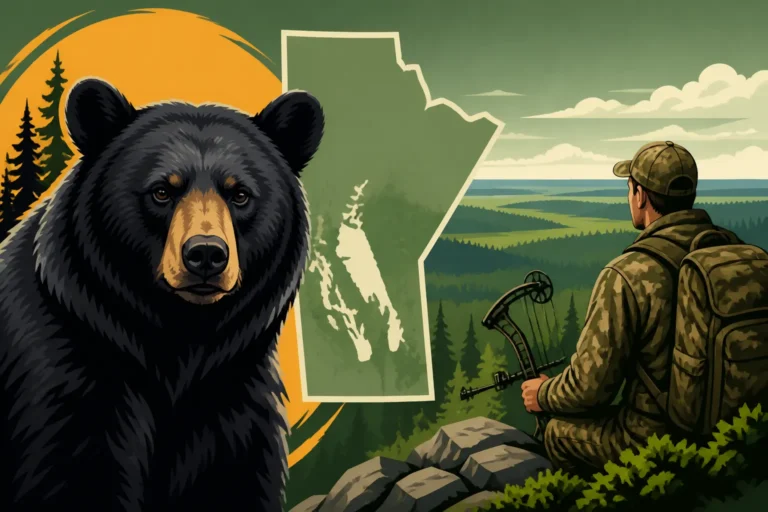
Further north, as the boreal forest thins and transitions into open tundra, you enter the realm of the barren-ground caribou. These nomadic wanderers undertake epic migrations, and timing your hunt to coincide with their passage is critical. Barren-Ground Caribou in Northern Manitoba offer a hunting experience unlike any other, demanding endurance, keen glassing skills, and a willingness to embrace the harsh beauty of the tundra. Black bears are found throughout the forested northern GHAs, often presenting opportunities for a spring or fall hunt, particularly if you're keen on combining it with other species. Black Bear Hunting in Manitoba offers a unique challenge with big, wild bears.
Charting Your Course: Accessing Northern Manitoba's Remote Hunting Grounds
One of the biggest hurdles, and often the most expensive, when considering a hunt in Manitoba's far northern GHAs is simply getting there. This isn't a place you just drive into on a whim. Planning your access requires meticulous research and often, significant investment.
Fly-In Access: The Gateway to True Wilderness
For many of the most remote northern GHAs, flying in is the only realistic option. This means chartering a float plane in summer or early fall, or a ski plane or helicopter in winter, from a major northern hub like Thompson, The Pas, or even Winnipeg for longer hauls. These flights are not cheap, and they come with strict weight restrictions, which means you need to be incredibly disciplined about your gear.
You'll be dropped off at a remote lake or river, often miles from any discernible trail or human activity. This demands self-sufficiency and a thorough understanding of wilderness survival. Planning for a float plane drop involves everything from food and water filtration to emergency communication devices. Flying Into a Remote Manitoba Camp involves careful coordination with the air service, understanding their limitations, and having a solid extraction plan for your game. It's an adventure in itself, getting to your hunting area.
Winter Roads and Limited Seasonal Access
Some northern communities and their surrounding GHAs might be accessible via winter roads. These are temporary ice roads that are only viable during the coldest months of winter, typically from January through March. While they offer a more "ground-based" access point, they are far from reliable. Weather conditions can change rapidly, and blizzards or thaws can make them impassable, leaving you stranded or delaying your return. Winter Road Access in Northern Manitoba is a commitment, requiring a robust vehicle, proper winter survival gear, and a deep respect for Mother Nature's power. Check conditions religiously, and have a contingency plan.
Beyond these seasonal routes, overland travel is extremely limited. There are very few permanent roads that penetrate deep into the northern boreal, and those that exist often lead to remote communities, hydro lines, or mining operations. Relying on an existing "road" in the far north means understanding that it might be a barely maintained trail, potentially impassable for anything less than a heavy-duty 4×4, or even an Argo.
Pre-Hunt Planning and Navigation Tools
Given the vastness and lack of distinct landmarks, pre-hunt planning is absolutely critical. This is where tools like onX Hunt truly shine. You can spend hours poring over satellite imagery, identifying potential game corridors, pinch points, cover, and water sources long before you ever set foot on the ground. Scouting With Satellite Imagery in Manitoba is not just helpful; it's essential for these remote hunts. You can layer public land boundaries and topography, giving you an unparalleled advantage in understanding the terrain.
Having a robust GPS unit (and backup!) loaded with your planned routes and waypoints is non-negotiable. Don't rely solely on your phone, as cell service will be non-existent in most of these areas. A satellite communication device, like a SPOT or inReach, is also vital for emergencies and keeping loved ones informed of your general whereabouts. Remember, you are your own first responder up here, and detailed maps, compass skills, and navigation proficiency are paramount.
Tactics for the Tundra and Boreal: Hunting Strategies in the Far North
Hunting in Manitoba's far northern GHAs requires a blend of traditional hunting wisdom and a hardy, adaptable approach. The terrain, the weather, and the sheer remoteness dictate unique strategies.
Moose Hunting in the Northern Boreal
Moose hunting in the deep boreal is often an exercise in patience and persistence. Calling can be incredibly effective during the rut, especially if you can find a remote lake or river system where bulls are congregating. Calling a Bull Moose in the Rut requires understanding their vocalizations and movements. You might spend days covering ground, tracking fresh sign, or setting up in strategic locations along old cutlines, creek bottoms, or beaver ponds. Moose often frequent areas where they can access both water and dense cover.
Stalking through thick boreal forest is physically demanding. You'll need good quality optics to pick apart distant cover, but also the discipline to move slowly and quietly through the dense undergrowth. Expect to cover a lot of ground on foot, pushing deep into areas that rarely see human presence. This means being in excellent physical condition and being prepared to navigate through challenging terrain like muskeg and thick brush.
Caribou on the Barren Lands
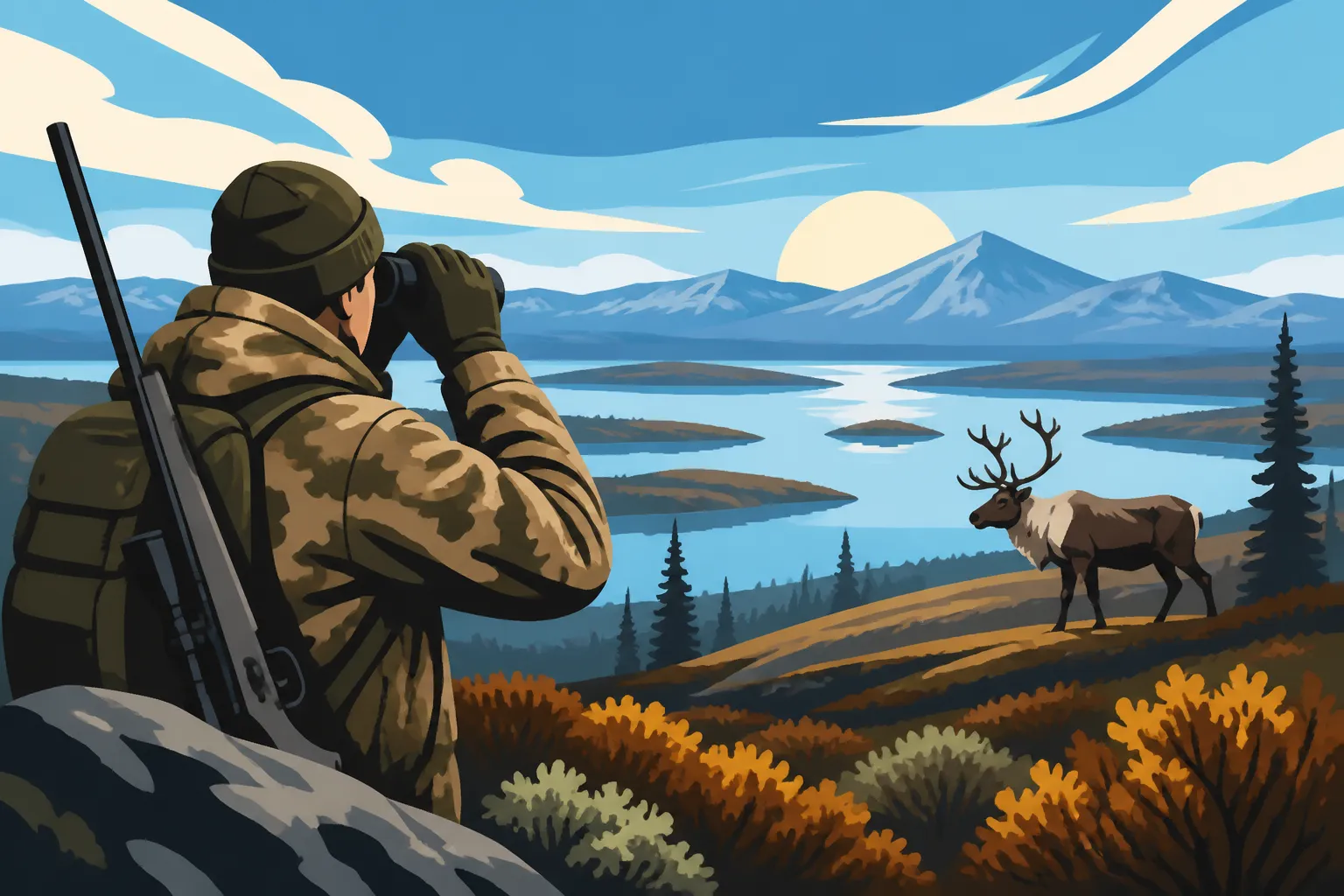
Caribou hunting, particularly for barren-ground caribou, is an entirely different beast. These hunts are often about glassing vast expanses of tundra, spotting moving herds or individual animals from a distance, and executing long stalks across open ground. The lack of cover on the tundra means you need to be incredibly skilled at using terrain features to your advantage to close the distance without being detected. Glassing Tundra for Manitoba Caribou is a primary skill.
Migration patterns are key. Successful caribou hunts often hinge on being in the right place at the right time during their seasonal movements. Hunting Caribou on the Migration Route can lead to incredible opportunities, but also means potentially shifting your hunting location as the herd moves. The weather on the tundra can be brutal, even in late summer or early fall. Be prepared for high winds, driving rain, and sudden temperature drops. Layered clothing and quality rain gear are non-negotiable.
Gear Considerations for Extreme Conditions
Your gear choices can literally make or break a northern hunt. This isn't the place to skimp on quality. Think about lightweight, durable, and highly functional equipment that can withstand extreme cold, wet conditions, and the rigors of remote travel.
| Category | Essential Items for Northern Hunts | Considerations |
|---|---|---|
| Navigation | GPS unit (with extra batteries), satellite communication device (inReach/SPOT), detailed topographical maps, compass, battery bank | Redundancy is key. Learn map/compass skills; don't rely solely on electronics. |
| Clothing | Layered system (base, mid, outer shells), insulated waterproof outer shell, multiple pairs of warm socks, waterproof insulated boots | Pack for extreme cold, wind, and wet. Avoid cotton. Focus on synthetics or wool. |
| Shelter/Sleep | Four-season tent, sleeping bag rated well below anticipated temperatures, insulated sleeping pad | Choose robust gear for harsh weather. |
| Survival | First-aid kit, emergency fire starter, water filter/purifier, high-energy food, headlamp (with extra batteries), bear spray/deterrent | Be prepared for unexpected stays. Ensure your first aid kit is comprehensive and you know how to use it. |
| Hunting | Reliable rifle/bow, plenty of ammunition/arrows, high-quality optics (binoculars, spotting scope), knife, game bags | Know your rifle's capabilities in cold weather. Practice long shots. |
When Hunting Safely in Deep Winter Cold, your clothing system is your lifeline. Think about the "systems approach" to staying warm: base layers to wick moisture, mid-layers for insulation, and a durable outer shell to block wind and precipitation.
Beyond the Hunt: Regulations, Respect, and Rewards in Northern Manitoba
A successful northern hunt isn't just about bagging an animal; it's about the entire experience, from respecting the land and its wildlife to navigating unique regulatory requirements and ensuring your hard-earned meat is cared for.
Understanding Northern GHA Regulations
Manitoba's far northern GHAs often have specific regulations that differ from those in the south. This can include different season dates, bag limits, and even species restrictions. It's imperative that you consult the most current Manitoba Hunting Guide before planning your trip. Pay close attention to any Moose Conservation Closures or other areas where hunting for certain species might be restricted due to population management efforts. Checking Which Manitoba GHAs Are Closed is a critical step.
Given the remoteness, conservation officers might not be patrolling every corner, but that doesn't mean regulations are lax. Ethical hunting and adherence to the rules are paramount. Be aware of rules regarding transporting game, evidence of sex requirements, and proper tag validation. Manitoba Tag Validation Rules must be followed immediately upon harvest.
Respecting the Land and Its Inhabitants
Hunting in the far north brings with it a profound responsibility to respect the land, its wildlife, and any local communities you might encounter. This is often Indigenous traditional territory, and understanding local customs and respecting private property (if applicable, even though most of the deep north is Crown Land) is essential.
Practice Leave No Trace principles rigorously. Pack out everything you pack in, including all garbage, shell casings, and any non-biodegradable waste. Minimize your impact on the delicate northern ecosystems. When travelling through remote communities, be mindful and respectful. Hunters are ambassadors for our sport, and nowhere is that more evident than in the sparsely populated north.
Meat Care in Remote Areas
Harvesting a large animal like a moose or caribou in a remote northern GHA presents unique challenges for meat care. You won't have immediate access to processing facilities or walk-in coolers. This means you need to be prepared to field dress, quarter, and potentially bone out your animal quickly and efficiently. Meat Care in Manitoba's Cold Snaps is a serious consideration, especially if temperatures are fluctuating.
Game bags are essential for protecting the meat from insects and dirt, and you'll need a plan for cooling the meat down as quickly as possible. In colder weather, hanging the quarters can be an option, but you'll need to protect them from scavengers. If flying out, be prepared for specific weight and packaging requirements from your air charter. This might mean heavy-duty coolers or specialized meat boxes. It's a lot of work after the shot, but ensuring your meat is properly cared for is the ultimate respect for the animal.
Ultimately, hunting Manitoba's far northern GHAs is an expedition into true wilderness. It's not for the faint of heart, but for those willing to embrace the challenge, the rewards of solitude, immense natural beauty, and a truly wild hunting experience are immeasurable.
Disclaimer
This article is for general informational purposes only and does not constitute professional advice. Laws, prices and regulations vary by location and change over time. Consult a qualified professional for guidance on your specific situation.