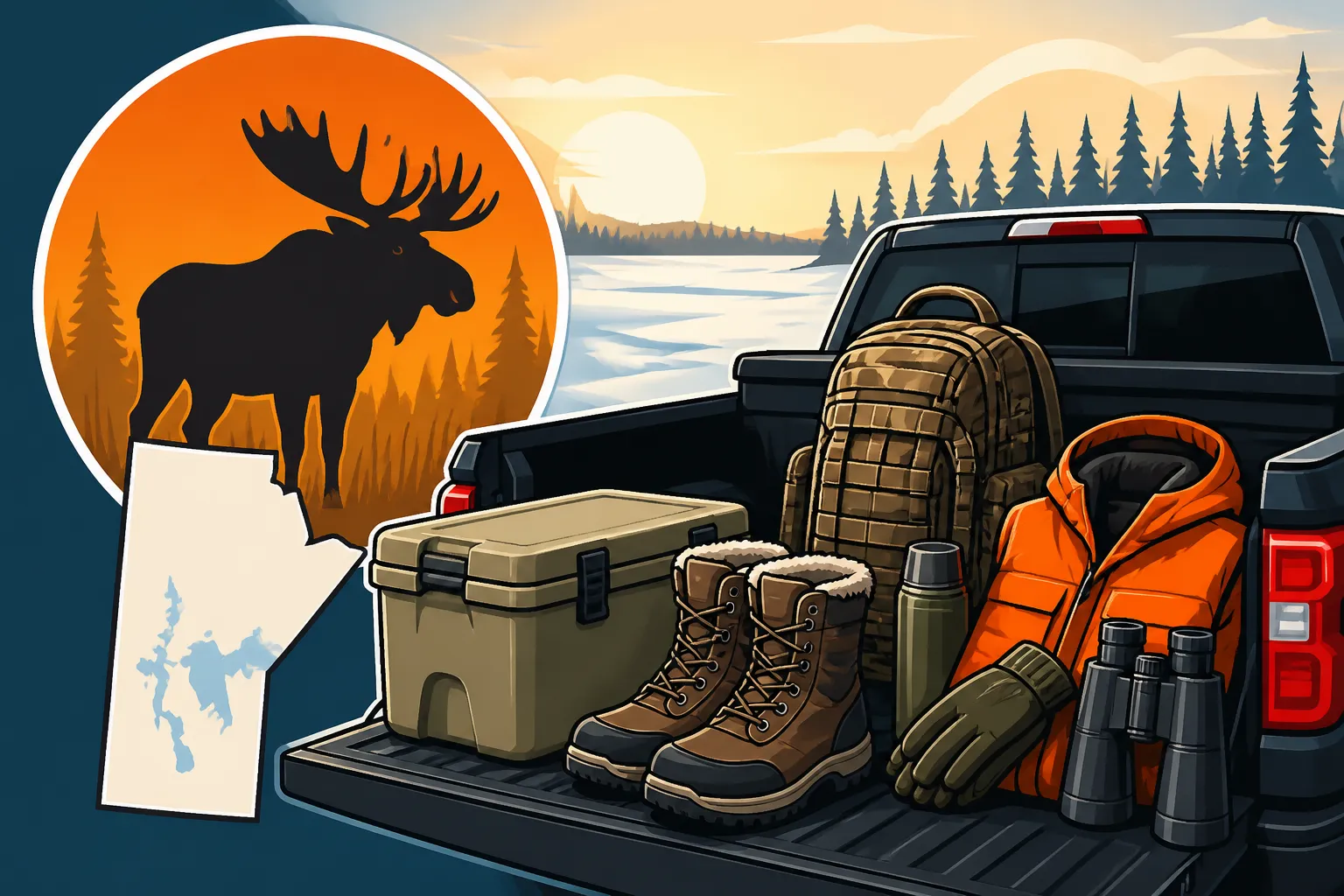
Winter Truck Kit for a Manitoba Hunt
Ever found yourself bundled in your truck, the heater blasting, but still eyeing that blizzard rolling in, wondering if you truly have everything you need if things go sideways? Manitoba winters are no joke, turning a simple hunting trip into a survival scenario faster than you can say 'minus forty.' This comprehensive guide isn't just about packing a few extra blankets; it's about building a robust winter truck kit designed to keep you safe, warm, and recovered when hunting deep in Manitoba's unforgiving cold.
The Unforgiving Nature of Manitoba Winter Hunts
Hunting in Manitoba during the colder months offers unparalleled opportunities for big game, but it comes with a formidable adversary: the weather. The serene beauty of a snow-covered landscape can quickly morph into a treacherous, life-threatening environment. Hunters who head out without being fully prepared for the worst-case scenario are, frankly, playing with fire, and the consequences can be dire.
The Brutal Reality of Manitoba Winters
Manitoba winters are legendary, and not in a good way for the unprepared. Temperatures can plunge well below -30°C (-22°F), often accompanied by brutal wind chills that make it feel even colder. A clear, crisp morning can turn into a whiteout blizzard in a matter of hours, dumping feet of snow and reducing visibility to zero. Roads, even main thoroughfares, can become impassable, and side trails into prime hunting country can disappear completely under drifts. If you’re planning on hunting the late December season, or even just dealing with Hunting Whitetails at Thirty Below, you need to understand that nature here demands respect and thorough preparation.
It’s not just about comfort; it’s about survival. Hypothermia, frostbite, and dehydration are real threats. Getting stranded even a short distance from your vehicle can quickly become a desperate situation if you don't have the right gear to sustain yourself. The sheer vastness of Manitoba’s wilderness means that help, if you can even call for it, might be hours, or even days, away, especially if you're deep in the bush or on a remote winter road in northern Manitoba.
Common Winter Vehicle Issues on the Trail
Your trusty truck, which feels invincible on pavement, becomes surprisingly vulnerable when faced with Manitoba’s winter backcountry. Getting stuck is perhaps the most common frustration. Deep snow, icy ruts, and hidden obstacles under the snow can easily bog down even a four-wheel-drive vehicle. It's often not a matter of if you'll get stuck, but when. And when you're loaded down with gear and perhaps a deer carcass after Field Dressing in Manitoba's Deep Cold, getting unstuck is a monumental task.
Beyond simply getting stuck, mechanical failures become more probable in extreme cold. Batteries lose efficiency, fuel lines can freeze, tires can lose pressure or puncture on hidden ice chunks, and even seemingly minor issues like a frozen wiper fluid line can severely impact visibility and your ability to safely drive. Remember, even a small mechanical hiccup far from civilization can turn into an overnight ordeal.
Beyond Just Getting Stuck: Safety First
While recovery is a primary concern, your kit needs to cover more than just getting your truck moving again. What if you can’t get it moving? What if you have to wait for hours, or even overnight, for help? Your truck kit needs to be a self-contained survival capsule. This means having provisions for shelter, warmth, food, and water, not just for a quick fix, but for an extended stay.
It’s also about the unexpected. Imagine you’re out scouting a Manitoba game hunting area, walking for miles, and return to find your truck won't start. Or you might be out hunting and a partner slips on ice, requiring immediate first aid. These aren't just inconveniences; they’re potential emergencies. A comprehensive winter truck kit acts as your personal safety net, providing critical resources when you're most vulnerable. It provides peace of mind, knowing that you've proactively addressed many of the challenges Hunting Safely in Deep Winter Cold can present.
Vehicle Recovery and Emergency Repair Essentials
When hunting in Manitoba's winter, your vehicle isn't just transportation; it's your lifeline. Ensuring you can recover it from a sticky situation or address minor mechanical issues can literally be the difference between a successful hunt and a harrowing ordeal. This section focuses on the non-negotiable items for keeping your rig operational or at least capable of being rescued.
Traction Aids and Shovels
Getting stuck in snow, slush, or mud is almost a rite of passage for Manitoba winter hunters. The key is to be prepared to get unstuck yourself, or at least significantly improve your chances while waiting for assistance.
A high-quality, sturdy shovel is paramount. Forget the flimsy plastic ones; you need a metal shovel, preferably with a D-handle for better grip when wearing thick gloves. A folding shovel can be handy for tight spaces under the vehicle, but a full-sized shovel will be invaluable for moving large volumes of snow quickly. Consider keeping both. Along with shovels, traction boards are game-changers. Brands like Maxtrax are popular, but there are many effective alternatives. These boards provide a solid surface for your tires to grip when spinning on ice or in deep snow. Place them under the drive wheels, and they can often provide just enough traction to get you out of a bind. Don't underestimate simpler aids either: a bag of sand or cat litter can provide instant traction when sprinkled under a spinning tire on ice. Even old car mats or cardboard can work in a pinch. The goal is to create friction and lift your vehicle enough to clear the obstruction.
Recovery Straps and Winches
If shovels and traction boards aren't enough, you'll need serious pulling power. A heavy-duty recovery strap (sometimes called a snatch strap or kinetic rope) is an absolute must-have. Unlike a tow chain, a kinetic rope stretches, building up energy that then helps to smoothly pull a stuck vehicle free without jarring impacts. Ensure your strap has appropriate weight ratings for your vehicle and that it's in good condition, free from cuts or fraying.
Pairing your strap with properly rated shackles (D-ring or bow shackle) is critical; never use makeshift hooks or attach directly to bumper components not designed for recovery. Even better, if you're frequently venturing far off-grid, consider investing in a vehicle-mounted winch. A winch, especially one with a synthetic rope, can be a self-recovery tool that provides immense pulling power. Learn how to use it safely, always use a tree-saver strap to protect anchor points, and never forget a heavy blanket or jacket over the middle of the cable to dampen it if it breaks. Understanding What to Do If You Get Stuck in the Bush means having these tools and knowing how to use them effectively and safely.
Basic Vehicle Maintenance Tools
Extreme cold can exacerbate minor vehicle issues. Having a basic toolkit can help you address simple problems that could otherwise leave you stranded.
Your kit should include jumper cables or, even better, a portable jump starter pack. Cold batteries are notorious for dying unexpectedly. Ensure the cables are heavy-gauge and long enough to reach from another vehicle. A tire repair kit, including a plug kit and a portable air compressor, can fix most punctures and allow you to re-inflate tires that might have lost pressure due to the cold or rough terrain. Don't forget a tire pressure gauge; proper tire pressure is crucial for traction and safety in varying winter conditions. Carry spare fuses, a flashlight with extra batteries (or a rechargeable one), and a basic wrench and socket set. Even just being able to tighten a loose battery terminal or replace a headlight bulb can be critical. A can of de-icer or lock lubricant is also a good idea for frozen doors and keyholes. Lastly, ensure your vehicle's fluids are topped up and winter-rated, especially wiper fluid and engine coolant.
Personal Survival and Comfort When Stranded
When your vehicle is stuck or broken down in the Manitoba winter, your personal well-being becomes the immediate priority. Your truck kit isn't just for your truck; it’s for you. Being able to stay warm, hydrated, and fed for an extended period can literally save your life.
Warmth and Shelter in an Emergency
The cold is your biggest enemy. You simply cannot have enough layers when Hunting Safely in Deep Winter Cold. Even if you're wearing appropriate hunting gear, an emergency demands more.
A heavy-duty sleeping bag rated for extreme sub-zero temperatures is a non-negotiable item. If you can only fit one, make it a zero-degree or lower bag. Consider carrying a second one, or at least a large wool blanket. A small, portable propane heater designed for indoor use (like a Buddy Heater) can provide crucial warmth inside your truck or a tent, but always ensure proper ventilation to avoid carbon monoxide buildup. Keep extra propane cylinders. Insulated ground pads or even a piece of thick cardboard can provide a barrier between you and the freezing floor of your truck or the cold ground. Reflective emergency blankets (Mylar blankets) are lightweight and can trap body heat, making a significant difference. Don't forget chemical hand warmers and foot warmers; these can be lifesavers for preventing frostbite on extremities during a long wait. Even a simple tarp can be used to create a temporary shelter outside the vehicle, offering protection from wind and snow.
Food, Water, and First Aid
It's easy to overlook basic sustenance when thinking about a truck kit, but hunger and dehydration can quickly impair judgment and lead to more serious issues.
Pack high-energy, non-perishable food items. Granola bars, nuts, dried fruit, jerky, and even some emergency MREs (Meals Ready to Eat) are excellent choices. These foods provide quick calories and won't freeze solid. For water, carry several sealed bottles. While they might freeze, they will eventually thaw in a heated vehicle or if brought close to your body. Consider a metal container for boiling snow for water, if you have a heat source. And always remember a small, reliable stove with fuel, like a Jetboil, to quickly boil water for drinks or rehydrate food. Just as important as food and water is a comprehensive first aid kit. Beyond the standard bandages and antiseptic, ensure your kit includes items specific to cold weather injuries: blister treatment, pain relievers, anti-inflammatory medication, and any personal prescription medications. A small trauma kit with pressure dressings and a tourniquet can also be invaluable for more serious injuries that might occur on uneven, icy terrain, or from accidental cuts while field dressing game.
Personal Comfort During Long Waits
Being stranded isn't just dangerous; it's mentally taxing. A few comfort items can make a huge difference in morale and help you stay sharp while waiting for help.
Extra layers of clothing, including warm socks, gloves, a toque (beanie), and a scarf, are essential. Even if you think you’re dressed adequately for Hunting Safely in Deep Winter Cold, having dry spares is crucial. If your initial layers get wet from sweat or snow, they lose their insulating properties, making you vulnerable to hypothermia. A thermos filled with hot coffee, tea, or soup can be incredibly comforting and warming. A comfortable pillow, even a small camping one, can aid in resting. Books, a fully charged e-reader, or even a deck of cards can help pass the time and keep your mind occupied, preventing boredom and anxiety. When you're stuck in a remote location, perhaps checking a Manitoba GHA Map on your phone, you might find yourself with hours to kill, so any distraction is valuable. Finally, a small supply of toiletries, like hand sanitizer, toilet paper, and moist wipes, can make an uncomfortable situation a bit more bearable.
Reliable Communication and Navigation in the Cold
In the vast, often remote landscapes of Manitoba, communication and navigation are not luxuries – they are absolute necessities. When cell service is unreliable, having independent means to find your way and call for help is crucial for safety.
Staying Connected When Off-Grid
Many prime hunting spots in Manitoba's extensive Crown Land Access or Wildlife Management Areas are well beyond the reach of conventional cell phone towers. Assuming your phone will work is a dangerous gamble.
A satellite communication device, such as a Garmin inReach or a Zoleo, is perhaps the single most important item for off-grid communication. These devices allow you to send and receive text messages, track your location, and, most importantly, send an SOS signal to emergency services, even when there's no cell service. They operate on satellite networks, providing a reliable link to the outside world. While they require a subscription, the peace of mind they offer is priceless. Always ensure your device is fully charged and that your subscription is active before heading out. Beyond satellite communicators, a quality two-way radio (FRS/GMRS or even a handheld amateur radio with appropriate licensing) can be useful for communicating with hunting partners or other vehicles in your immediate vicinity, especially when Scouting With Satellite Imagery in Manitoba and splitting up to cover ground. Don't forget a portable power bank, or two, for charging your phone and other USB-powered devices. Even if your phone can't make calls, it can still serve as a flashlight, an emergency GoHunt map viewer (if you have downloaded offline maps), or a camera.
Reliable Navigation in Featureless Terrain
Winter landscapes can be disorienting. Snow can cover trails, obscure landmarks, and make even familiar areas look alien. Relying solely on a smartphone for navigation is risky due to battery drain in the cold and potential lack of signal.
A dedicated GPS unit with pre-loaded topographic maps is highly recommended. Devices from brands like Garmin are rugged, reliable, and designed to withstand harsh conditions. Learn how to use it thoroughly before your trip. Always carry physical paper maps of your hunting area and a compass. These never run out of battery and are immune to electronic failures. Know how to read them and how to use the compass for basic navigation. Planning your routes in advance using digital tools like GoHunt is a great way to mark waypoints, identify potential obstacles, and save your planned routes offline. This way, even if you lose signal, your route information is readily available on your phone or tablet. Make sure you’re familiar with Reading a Manitoba GHA Map Before You Go to understand boundaries and terrain, even in winter.
Signaling for Help
If you do find yourself in a dire situation and need to attract attention, a variety of signaling tools can be invaluable.
A powerful flashlight, ideally a headlamp that leaves your hands free, can be used to signal at night. Learn the SOS Morse code signal (three short, three long, three short flashes). A signal mirror can be used to reflect sunlight during the day, creating a bright flash visible from a long distance. Whistles are simple, effective, and require minimal effort to produce a loud, far-reaching sound, especially useful for attracting attention from nearby hunters or search parties. Brightly coloured flagging tape can be used to mark your position or create a trail if you need to move short distances from your vehicle. And for the ultimate in signaling, a brightly coloured distress flag or panel, typically orange or international safety yellow, can be laid out to be spotted by aerial search and rescue teams.
When venturing out for Whitetail Hunting in Manitoba during the winter, remember that preparation isn't just about the hunt itself; it's about being ready for anything that Manitoba's formidable winter throws your way. A well-equipped truck kit is your most reliable companion in these challenging conditions.
Essential Winter Truck Kit Checklist
To help you organize your winter hunting prep, here's a comprehensive checklist of critical items for your truck kit. Remember to adapt this to your specific hunting style, GHA, and the expected severity of the conditions.
| Category | Item | Notes |
|---|---|---|
| Vehicle Recovery | Shovel (full-size, metal) | Essential for digging out snow |
| Folding shovel | Good for tight spaces under vehicle | |
| Traction boards | Maxtrax or similar, for grip on snow/ice | |
| Recovery strap (kinetic) | Properly rated for your vehicle, no chains | |
| Shackles (D-ring/bow) | Correctly rated, for strap attachment | |
| Winch (if applicable) | Vehicle-mounted or portable, with accessories (tree saver, gloves) | |
| Heavy-duty jumper cables | Long enough, thick gauge | |
| Portable jump starter | Backup power for battery | |
| Tire repair kit | Plugs, reamer, cement | |
| Portable air compressor | For tire inflation | |
| Tire pressure gauge | Check tire health in cold | |
| Basic tool kit | Wrenches, sockets, screwdrivers, pliers | |
| Spare fuses | For vehicle electrics | |
| De-icer/lock lubricant | For frozen locks and windows | |
| Extra winter-rated fluids | Washer fluid, coolant, oil | |
| Personal Survival | Extreme cold sleeping bag | Rated for -30°C or colder |
| Wool blanket / emergency blankets | Extra warmth and heat retention | |
| Portable propane heater | Buddy Heater or similar, with extra fuel (use with ventilation) | |
| Insulated ground pad | Barrier from cold surfaces | |
| Chemical hand/foot warmers | Preventing frostbite | |
| High-energy non-perishable food | Bars, nuts, jerky, MREs | |
| Water bottles (sealed) | Several liters, can thaw if frozen | |
| Metal pot/cup & small stove w/ fuel | For boiling snow/water | |
| Comprehensive first aid kit | Include cold weather specific items | |
| Prescription medications | Personal supply for emergencies | |
| Extra warm clothing layers | Dry socks, gloves, toque, scarf | |
| Thermos (hot beverage/soup) | Comfort and internal warmth | |
| Communication & Nav | Satellite communicator | Garmin inReach, Zoleo (with active subscription) |
| Power bank(s) & charging cables | For phones, GPS, etc. | |
| Dedicated GPS unit | With pre-loaded topo maps, extra batteries | |
| Paper maps of GHA | Physical backup, waterproofed | |
| Compass | Know how to use it with maps | |
| Powerful flashlight / Headlamp | With extra batteries | |
| Signal mirror | For daytime signaling | |
| Whistle | Loud signaling, less effort | |
| Brightly coloured flagging tape | Mark position or trail | |
| Distress flag/panel | For aerial visibility | |
| Miscellaneous | Fire extinguisher | Small automotive type |
| Heavy-duty work gloves | For handling cold metal, rope | |
| Toilet paper & wet wipes | Basic hygiene | |
| Ziploc bags | Keep items dry and organized | |
| Duct tape / Zip ties | Temporary repairs | |
| Rope / Paracord | Versatile utility | |
| Small axe / Saw | For clearing brush, firewood (if permitted) |
Disclaimer
The information provided in this guide is for general informational purposes only and does not constitute professional advice. Hunting in Manitoba's winter conditions carries inherent risks, and hunters should always exercise extreme caution, conduct thorough personal research, and understand all applicable regulations. Proper training, experience, and preparation are essential for safe hunting.