Hunting Around The Pas and Cormorant
Feeling overwhelmed by the sheer scale of northern Manitoba's hunting grounds and unsure where to even begin looking for game? You're not alone. The vastness around communities like The Pas and Cormorant can be daunting, a mosaic of dense boreal forest, expansive wetlands, and scattered agricultural pockets that seem to stretch forever. This guide is here to help you unravel the unique challenges and incredible opportunities these northern hunting areas present, giving you the insights needed to plan a successful trip.
Understanding the Unique Landscape of The Pas and Cormorant
The area surrounding The Pas and Cormorant isn't your typical prairie farmland or unbroken shield country. It’s a fascinating, complex ecosystem where several distinct environments converge, creating a rich tapestry of habitats that attract a wide variety of game. For a hunter, understanding this blend is the first step to unlocking its potential.
The Transition Zone Ecosystem
Picture this: you're driving north from the agricultural belt, and gradually, the endless golden fields give way to more and more trees. Around The Pas, you're truly in a transition zone, where the northern fringes of the aspen parkland start to blend with the vast boreal forest. But it's not just trees; the Saskatchewan River Delta, a sprawling network of marshes, rivers, and lakes, dominates the landscape to the west and north. This creates an incredible diversity – you've got thick spruce and pine stands, trembling aspen ridges, willow swamps, open muskeg, and right alongside it, patches of small-scale farming near The Pas itself.
This ecological melting pot is precisely what makes the hunting here so interesting. Different species thrive in different parts of this mosaic, but the edges where these habitats meet are often game magnets. Whitetail deer might favour the bush edges near farmland, while moose are deep in the willow bottoms and spruce bogs. Black bears can be found almost anywhere there's good cover and food, moving between all these zones. It’s a dynamic environment that demands a hunter who can adapt their strategy to the specific micro-habitat they’re in.
Waterways and Access Challenges
The defining characteristic of this region, beyond its dense forest, is water. The Saskatchewan River, flowing into Cedar Lake and ultimately Lake Winnipeg, creates a massive delta system that is a dominant feature. Then you have Lake Winnipegosis to the southeast, and countless smaller lakes, sloughs, and winding rivers like the Carrot River and Minago River. These waterways are both a blessing and a curse for hunters. They create incredible habitat, particularly for waterfowl and moose, but they also dictate access and travel.
Main roads like Highway 10 and Highway 6 are your arteries, but step off these, and you quickly encounter limited access. Many areas are only reachable by logging roads, old trapline trails, or perhaps most commonly, by boat. Imagine trying to get into a prime moose hunting area that's surrounded by a maze of channels and wetlands – suddenly, a canoe or a shallow-draft boat becomes your most important piece of gear. When planning your hunt, you'll spend just as much time figuring out how to get to a spot as you will figuring out if game is there. The difficulty of access often translates to less hunting pressure, which can be a huge advantage for those willing to put in the effort.
Prime Game Species in the Region
When you talk about hunting around The Pas and Cormorant, you're truly talking about a smorgasbord of opportunities. The diverse habitat supports a healthy population of several big game species, along with fantastic bird hunting.
Moose and Black Bear Opportunities
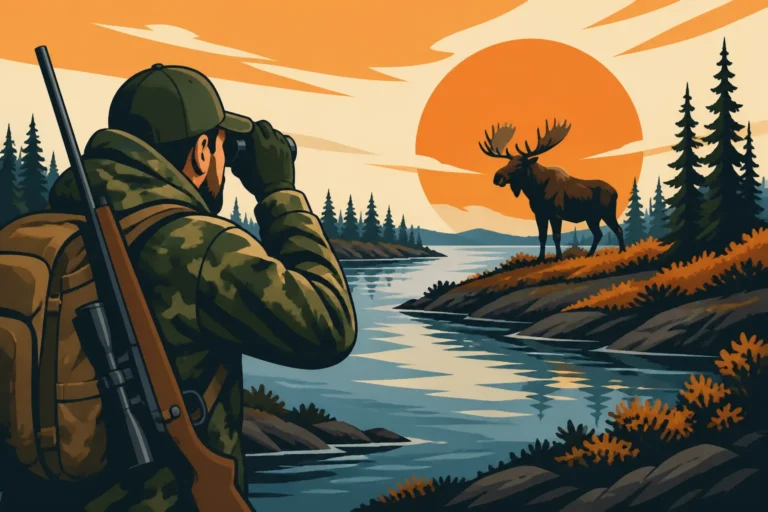
This northern bush and wetland country is quintessential moose habitat. They absolutely thrive in the mix of water, thick cover, and abundant browse. You'll find them in the willow thickets along river systems, feeding in shallow bogs, and seeking refuge in dense spruce stands. The area is known for producing some truly impressive bulls. Spot-and-stalk can work, especially from a boat in the right conditions, but many hunters find success through calling, particularly during the rut. If you're looking to challenge a big bull, learning to interpret their vocalizations and movements in this dense cover is key. It's a truly immersive experience to call in a bull in this type of environment. Calling a Bull Moose in the Rut
Black bears are also very numerous here, benefiting from the vast, undisturbed wilderness. Their diet is incredibly varied, from early spring greens to berries and acorns in the fall. Hunters often target them using baiting methods, which is a common and effective strategy in areas with thick cover. This allows you to bring the bear to you, increasing shot opportunities and aiding in judging the animal before the shot. Spring bear hunts are popular as bears emerge from their dens, but fall hunts can also be excellent, particularly around natural food sources. Baiting Black Bear in Manitoba Understanding bear behaviour and their seasonal movements will be crucial here.
Whitetail Deer and Waterfowl Potential
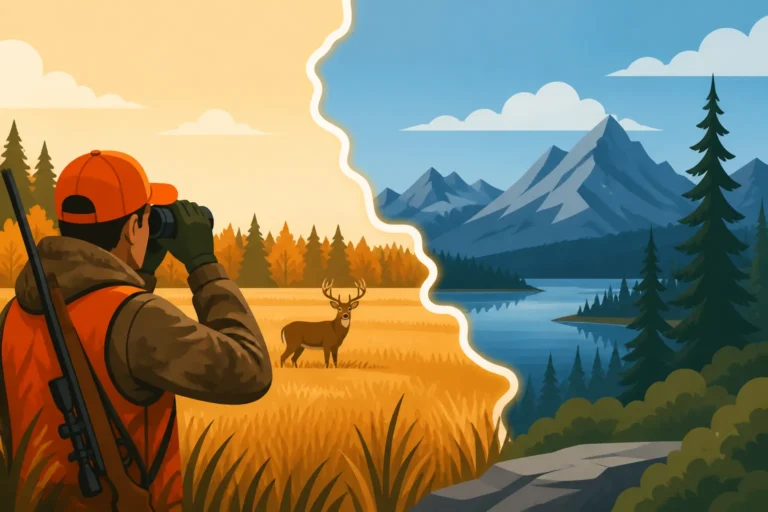
While moose and bear often steal the northern spotlight, don't overlook the whitetail deer, especially closer to The Pas where there's a more pronounced interface between forest and agriculture. Whitetails are incredibly adaptable, and they've learned to thrive in these fringe areas, using the dense bush for cover and moving into agricultural fields to feed. You might not see the open-country giants found further south, but the bush bucks here are often heavy-bodied and can be quite challenging to hunt in the thick stuff. Look for their sign along field edges, old cutlines, and in the transition zones where different timber types meet. Hunting Whitetails in Manitoba's Bush Country
For waterfowl hunters, this region is an absolute paradise. The Saskatchewan River Delta, in particular, is a magnet for ducks and geese during migration. Think thousands upon thousands of birds staging on vast marshes and moving to and from nearby grain fields. Duck species like mallards, pintails, canvasbacks, and various divers are common, alongside Canada geese, snow geese, and even sandhill cranes. Field hunting for geese in the stubble fields around The Pas can be phenomenal, and marsh hunting for ducks, particularly from a boat or blind, offers incredible action. The sheer volume of birds can be staggering. Marsh Hunting Ducks in the Interlake
Upland Birds and Predators
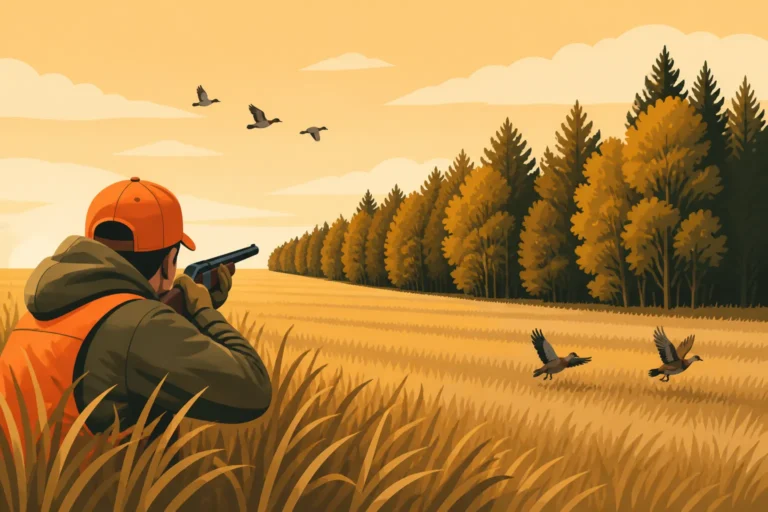
Beyond the big game and waterfowl, the area also offers good opportunities for upland birds. Ruffed grouse and spruce grouse are prevalent throughout the boreal forest, often found along logging roads, trails, and in mixed-wood stands. Walking the old access roads with a shotgun can yield surprising results. Sharp-tailed grouse might be found in more open, transitional areas.
For those interested in predator hunting, coyotes are common, especially in the more open farmland fringes near The Pas. Wolves also inhabit the deeper boreal forest, though they are much more elusive. Understanding their movements and calling them in can add another exciting dimension to a hunting trip, especially in winter.
Navigating Access and Planning Your Hunt
Hunting in northern Manitoba, especially in areas like The Pas and Cormorant, requires more meticulous planning than heading to a familiar woodlot back home. Access is a primary concern, as is being self-sufficient in a remote environment.
Crown Land vs. Private Land in the North
One of the great advantages of hunting in northern Manitoba is the sheer amount of Crown Land available. Unlike many southern regions where private land dominates, here you'll find vast tracts of public land, often accessible by various means. However, identifying these boundaries precisely is critical. While there might be some private parcels, especially closer to the communities or along main transportation corridors, much of the hunting you'll do will be on Crown Land. It’s essential to be absolutely certain of where you are at all times. Manitoba's Crown Land Access
If you do encounter private land, particularly farmland near The Pas, securing permission from the landowner before you hunt is not just good etiquette, it's the law. Many landowners are happy to grant access to respectful hunters, but you must ask. Don't assume.
Tools for Scouting and Navigation
Given the remoteness and the complex mix of land types and waterways, good navigation tools are non-negotiable. Modern mapping apps like onX Hunt and GoHunt are incredibly valuable resources. They allow you to overlay property boundaries (Crown vs. private), identify access points, locate potential game habitat like thick cover, water sources, and natural funnels, and even mark trails or stands. Using these tools to scout satellite imagery from your home computer can give you a massive head start, helping you identify promising areas without having to put boots on the ground first. Scouting With Satellite Imagery in Manitoba
However, never rely solely on electronic devices. Cell service is notoriously spotty or non-existent once you leave the main highways and communities. Always carry traditional paper maps and a compass as a backup. A reliable GPS unit, loaded with your planned routes and waypoints, is also highly recommended. Being able to navigate effectively, especially if you venture deep into the bush or follow game through unfamiliar terrain, could literally be a lifesaver.
| Navigation Tool | Primary Use | Pros | Cons |
|---|---|---|---|
| onX Hunt/GoHunt | Land ownership, habitat mapping, trail marking | Detailed satellite, property lines, offline maps | Requires device power, limited cell service |
| Paper Map | General overview, backup, large scale planning | No power needed, durable, reliable | Less detail for specific boundaries, can be bulky |
| GPS Device | Precise location, waypoint marking, route tracking | Highly accurate, reliable in remote areas | Requires batteries, learning curve for advanced features |
| Compass | Orientation, direction finding | No power, simple, essential skill | Requires map reading skills, no location tracking |
Seasonal Considerations and Logistics
The season you choose for your hunt will heavily influence your experience and the logistics involved. Early seasons (spring bear, early fall archery) mean dealing with potential wet conditions, high water levels, and, of course, the infamous northern mosquitoes and black flies. Bug spray, head nets, and appropriate clothing are not optional; they are essential for comfort and sanity.
As you move into the late fall and winter seasons, the challenges shift dramatically. Snow can make access difficult, quickly rendering some roads impassable. Frozen waterways might offer new access routes (if safe), but the cold demands specialized gear to stay warm and safe. Hunting Safely in Deep Winter Cold Planning for potential vehicle issues in deep snow or mud, carrying extra fuel, emergency supplies, and a robust Winter Truck Kit for a Manitoba Hunt become paramount. Always inform someone of your route and expected return time, especially if hunting alone in remote areas. The remoteness also means that help is often a long way off.
Strategies for Success in The Pas and Cormorant
Hunting these northern landscapes effectively means adopting strategies that align with the environment. It's often not about sheer numbers of hunters, but about persistence, preparation, and knowing how to interpret the subtle clues the land offers.
Water-Based Hunting Tactics
Given the prevalence of rivers, lakes, and wetlands, incorporating a boat or canoe into your hunting plan can be a game-changer, especially for moose and waterfowl. For moose, navigating quiet channels and calling from the water's edge can put you in front of animals that rarely see human pressure. A boat also provides a practical way to retrieve large game from boggy or hard-to-access areas.
For waterfowl, a boat or canoe is essential for reaching prime marsh blinds or deploying large decoy spreads in flooded timber or open water. Knowing the major flyways and how ducks and geese use the different sections of the delta can lead to incredible shoots. Remember to scout ahead, either physically or using aerial maps, to identify hidden ponds, sloughs, and river bends that might concentrate birds or provide safe passage for moose.
Bush and Transition Zone Strategies
When you're out of the boat and into the bush, tactics will vary. In the thicker boreal forest, still-hunting slowly and deliberately, paying close attention to every sound and movement, is often the most productive method. Focus on natural funnels, saddles, and pinch points where game trails converge. Bush edges, especially where different timber types meet or where forest transitions to open areas, are always high-activity zones. Hunting a Manitoba Bush Edge
For whitetails, specifically, understanding how they use cover during different times of the day is crucial. They'll bed down in the thickest cover they can find and move out to feed in the mornings and evenings. Reading sign after a fresh snow, such as tracks, rubs, and scrapes, can tell you a lot about recent activity and travel patterns. Reading Sign After a Fresh Snow Identifying these high-traffic areas and setting up a ground blind or treestand can be highly effective.
Utilizing Outfitters and Local Knowledge
For hunters unfamiliar with the unique challenges of Manitoba's north, or those seeking a higher likelihood of success for specific species, considering a reputable outfitter in the area can be a very smart move. Outfitters typically have years of experience, intimate knowledge of the local terrain, existing bait sites (for bear), and access to areas that might be difficult for a solo hunter to navigate. They handle much of the logistics, from accommodations to guiding you directly to game, allowing you to focus purely on the hunt. This can significantly reduce the learning curve and increase your enjoyment, especially if it's your first time hunting in such a remote environment. Choosing the Right Manitoba Outfitter
Beyond outfitters, talking to locals – if you can connect with them respectfully – can sometimes yield invaluable insights into recent game movements, good access points, or general patterns. Always be polite and never expect specific spots, but genuine conversation about the area can often provide helpful context.
This region truly offers a wild, authentic northern hunting experience. It demands respect, preparation, and a willingness to embrace its unique character, but the rewards for those who do can be unforgettable.
Disclaimer
This article is for general informational purposes only and does not constitute professional advice. Laws, prices and regulations vary by location and change over time. Consult a qualified professional for guidance on your specific situation.