Moose Across Manitoba’s Boreal Forest
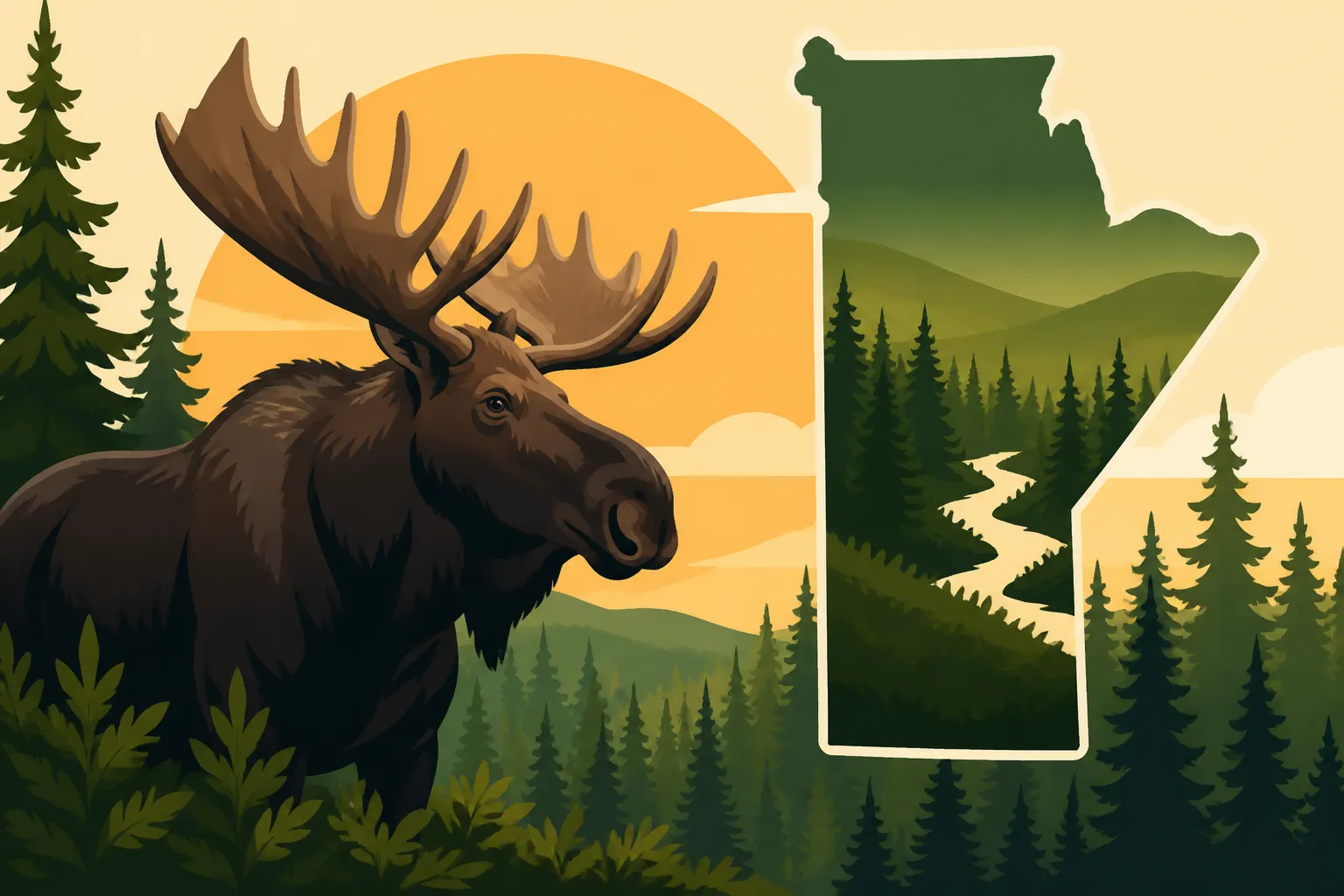
For many, the very thought of Manitoba’s boreal forest brings to mind images of pristine wilderness and the majestic, elusive moose. But the reality of finding and truly understanding these incredible animals, let alone hunting them, is far more complex than a postcard picture. From fluctuating populations to the sheer vastness of their habitat, navigating the world of moose in Manitoba demands deep knowledge and respect. This guide aims to demystify moose across Manitoba’s boreal forest, offering insights into their lives and how we can better coexist.
Moose Habitat in Manitoba's Boreal Forest
The boreal forest of Manitoba is a sprawling, rugged landscape, a mosaic of wetlands, dense timber, and rocky outcrops that provides the perfect, albeit challenging, home for moose. Understanding this intricate environment is key to appreciating why moose thrive in some areas and struggle in others. It's not just about trees; it's about the entire ecosystem supporting their colossal needs.
Forest Types and Preferred Cover
Manitoba's boreal forest is predominantly composed of coniferous trees like black spruce and jack pine, interspersed with deciduous species such as trembling aspen, balsam poplar, and white birch. Moose are highly selective grazers and browsers, and their preferred habitat often reflects this. While they seek the dense cover of spruce and fir stands for thermal regulation during harsh winters and escape from predators, they heavily rely on younger, successional forests for food. Areas that have experienced fires, logging, or other disturbances within the last 5 to 20 years often become prime moose feeding grounds. These disturbed areas see a flush of nutritious deciduous growth, like willow, aspen, and birch saplings, which are crucial for a moose's diet. A mature bull moose needs an incredible amount of forage each day to maintain its massive body, making diverse forest structures essential.
Think of it like this: a young, thick stand of alders and willows bordering an older spruce forest is moose heaven. The dense conifers offer shelter from biting winds and deep snow, while the brushy edge provides an all-you-can-eat buffet of palatable browse. Hunters who learn to "read" these landscape transitions, understanding how different forest ages and types meet, are often the ones who find success. You might find moose bedded deep in a black spruce swamp during the day, only for them to emerge into an adjacent poplar stand to feed as dusk approaches. This dynamic use of varying forest structures is a cornerstone of their survival strategy.
Aquatic Environments and Crucial Food Sources
Moose aren't just forest dwellers; they are semi-aquatic mammals with an undeniable affinity for water. Ponds, lakes, rivers, and the myriad of marshy areas scattered throughout the boreal forest are absolutely critical to their survival, especially during the warmer months. These aquatic environments provide a wealth of food that is often richer in sodium and other essential minerals than terrestrial browse. Moose will spend hours submerged, sometimes completely, feeding on succulent aquatic plants like water lilies, pondweeds, and mare's tail. These plants are a significant part of "What Moose Eat Through the Year," providing vital nutrients and helping them cool down during the hot summer.
Beyond providing food, water offers moose a sanctuary from biting insects like mosquitoes and black flies, which can torment them relentlessly. A moose standing chest-deep in a cool lake, oblivious to the world, is a common sight in summer. Hunters often find sign around these water bodies long after summer has passed, as moose trails leading to and from favorite feeding spots are well-worn. Observing the edges of beaver ponds or slow-moving rivers can reveal critical movement corridors and feeding areas. Understanding this aquatic link is paramount when scouting, as moose will naturally gravitate to these areas, creating predictable patterns of movement.
Seasonal Habitat Use and Movement Patterns
Moose habitat use isn't static; it shifts dramatically with the seasons, driven by food availability, thermal stress, and predator avoidance. In spring, after the long, lean winter, moose are drawn to early green-up in clearings and wetland edges, gorging on fresh shoots and new leaves. Summer sees them expand into deeper aquatic zones, as mentioned, to cool off and access nutrient-rich water plants. As fall approaches and the rut begins, moose become more active, moving between denser cover and open feeding areas, often following established travel corridors.
Winter presents the biggest challenge. Deep snow can severely restrict movement, making feeding difficult and increasing energy expenditure. Moose will seek out dense coniferous stands that offer snow interception and thermal cover, often forming "moose yards" where they create a network of trails to conserve energy. These yards, often found on south-facing slopes or in dense spruce bogs, are critical winter survival zones. It's not uncommon to find several moose, or at least extensive sign, concentrated in such areas when the snow gets deep. Predators also use these yarding areas to their advantage, making winter a time of high stress for moose. Understanding these seasonal shifts in habitat use allows hunters to anticipate where moose will be and how they will move.
Manitoba's Moose Population Trends and Challenges
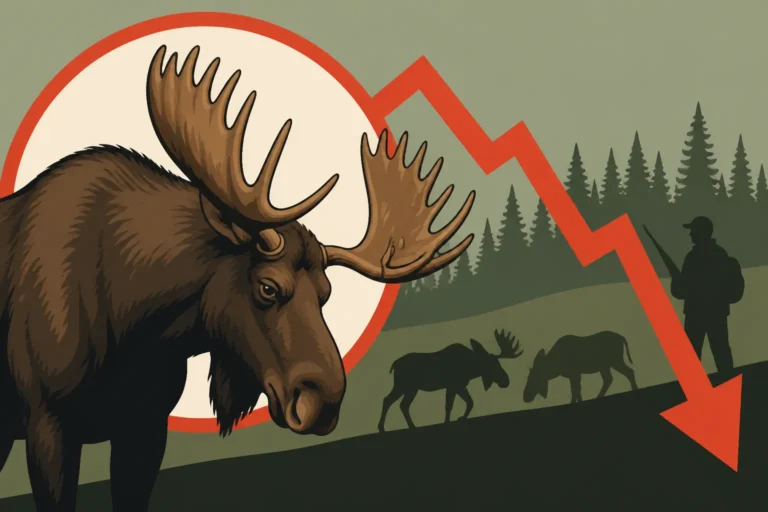
Manitoba's moose populations, like those across much of North America, have faced significant fluctuations and complex challenges over the past few decades. It's a sobering reality for many who cherish these magnificent animals and the hunting opportunities they provide. There's no single easy answer to "Why Manitoba Moose Numbers Fell," but rather a tangled web of environmental and human factors at play.
Historical Declines and Complex Causes
For years, many areas of Manitoba, particularly in the south-central and western regions, experienced troubling declines in moose numbers. Hunters who remember the "good old days" often speak of more plentiful moose, making the current situation feel disheartening. These declines weren't due to one isolated factor. Habitat alteration, including widespread logging practices that sometimes removed crucial winter cover without adequate regeneration, played a role. Disease also emerged as a significant threat. Chronic Wasting Disease (CWD) is a growing concern, though moose are less susceptible than deer. However, brainworm (Parelaphostrongylus tenuis), a parasite carried by white-tailed deer, is often fatal to moose and has spread as deer populations expanded into traditional moose range.
Predation pressure, particularly from wolves, also increased in some areas as moose populations became stressed. A healthy moose population can generally withstand predation, but when other factors weaken the herd, predators can exert a disproportionately higher impact. Lastly, localized overharvesting, illegal hunting, and increasing human encroachment into wilderness areas added layers of complexity to these declines. It’s a classic example of multiple stressors converging to create a challenging situation for a sensitive species. The combined effect has been a real struggle for moose in certain parts of the province, leaving many hunters and conservationists deeply concerned.
Current Status and Areas of Recovery
Despite the historical challenges, there are glimmers of hope and genuine efforts toward recovery in some parts of the province. While a universal, province-wide boom isn't evident, specific Game Hunting Areas (GHAs) have shown signs of stabilization or even modest growth. The Manitoba government and local conservation groups have invested in targeted research and habitat improvement projects, and in some areas, hunting regulations have been adjusted to reduce pressure on vulnerable herds. For instance, some GHAs have implemented moose conservation closures or restricted hunting opportunities. Knowing "Where Manitoba's Moose Are Recovering" can offer valuable insight for both conservationists and hopeful hunters.
Areas with more extensive, undisturbed boreal forest and lower deer densities tend to exhibit healthier moose populations. The province actively conducts aerial surveys to monitor population trends, and this data helps inform management decisions. While a full return to historical highs might be a distant dream, the current focus is on maintaining stable, healthy herds through adaptive management. This includes collaborating with Indigenous communities whose traditional knowledge of moose populations and land use is invaluable. It’s a slow and steady process, but the commitment to bringing moose back is strong.
Persistent Threats to Moose Survival
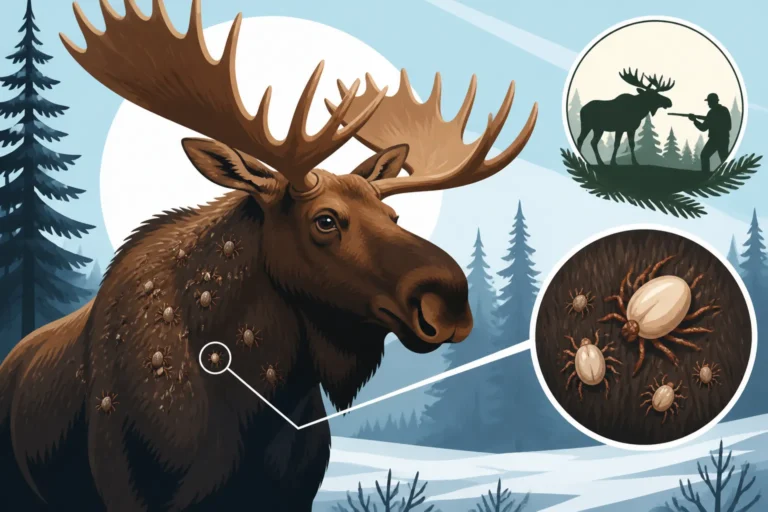
Even with recovery efforts, several persistent threats continue to challenge moose populations in Manitoba. One of the most insidious is the impact of winter ticks. "How Winter Ticks Affect Boreal Moose" is a topic of significant concern, as massive infestations can lead to severe hair loss, anemia, and even death, especially in calves and already stressed adults. Climate change is exacerbating this problem, as milder winters allow more ticks to survive and infest moose the following spring. It's a vicious cycle that puts immense pressure on the animals.
Habitat fragmentation from resource extraction, such as mining and forestry, remains a long-term concern. While responsible practices are being encouraged, any activity that breaks up large tracts of boreal forest can disrupt moose movement, expose them to more predators, and reduce available food and cover. Disease transmission from expanding white-tailed deer populations, particularly brainworm, is another ongoing threat that has proven difficult to mitigate. Lastly, while poaching numbers are hard to quantify, illegal harvesting undeniably impacts local populations, especially in remote areas where enforcement is challenging. These complex, interconnected threats mean that moose conservation is an ongoing, multi-faceted battle.
Identifying Manitoba Moose: Characteristics and Behavior
Encountering a moose in the wild is an unforgettable experience. Their sheer size and unique appearance make them truly stand out among North American big game. For both wildlife enthusiasts and hunters, understanding their physical characteristics and typical behaviors is crucial for appreciation, successful identification, and safe interactions.
Physical Characteristics and Impressive Size
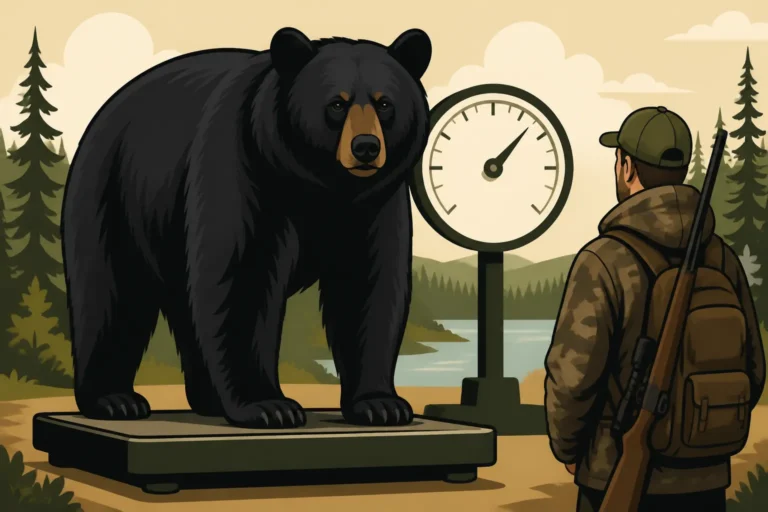
Manitoba moose are among the largest land mammals in North America, with an impressive stature that commands respect. Adults typically stand between 5 and 7 feet tall at the shoulder, with some large bulls reaching nearly 8 feet. Their body mass is equally imposing; "What a Big Bull Moose Weighs Here" can vary, but mature males can easily tip the scales at 1,000 to 1,500 pounds, with some records pushing even higher. Cows are generally smaller, weighing between 800 and 1,200 pounds. Their coats are typically dark brown to black, providing excellent camouflage in the shadows of the boreal forest, especially during low light conditions. They possess long, powerful legs, ideal for navigating deep snow and boggy terrain, and a distinctive shoulder hump that is more pronounced in bulls.
Perhaps their most iconic feature is their large, bulbous nose, which is perfectly adapted for browsing on tough vegetation and feeding underwater. The dewlap, a flap of skin hanging from their throat, also known as a "bell," varies in size and shape but is a reliable identifying feature. Distinguishing between a cow and a bull, especially outside of the rut, can sometimes be challenging from a distance without antlers. However, paying attention to body size, shoulder hump prominence, and the presence or absence of a "bell" can offer clues. The calves, born in late spring, are a reddish-brown and grow surprisingly quickly, driven by their mother's rich milk.
Antler Growth, Cycles, and Rack Assessment
For bulls, the most defining characteristic is undoubtedly their magnificent antlers. Unlike deer antlers, which are typically branch-like, moose antlers are broad, palmate structures that can span up to six feet across in mature bulls. Antler growth begins in spring, fueled by hormones and nutrients, and they are typically fully developed and hardened by late summer, ready for the fall rut. Each year, the antlers are shed after the breeding season, usually from late December through February, and a new, often larger, set begins to grow the following spring. The size and shape of a bull's antlers are indicators of its age, health, and genetic potential. Younger bulls might have smaller, more spike-like antlers, while mature, dominant bulls develop the impressive, wide racks with multiple points.
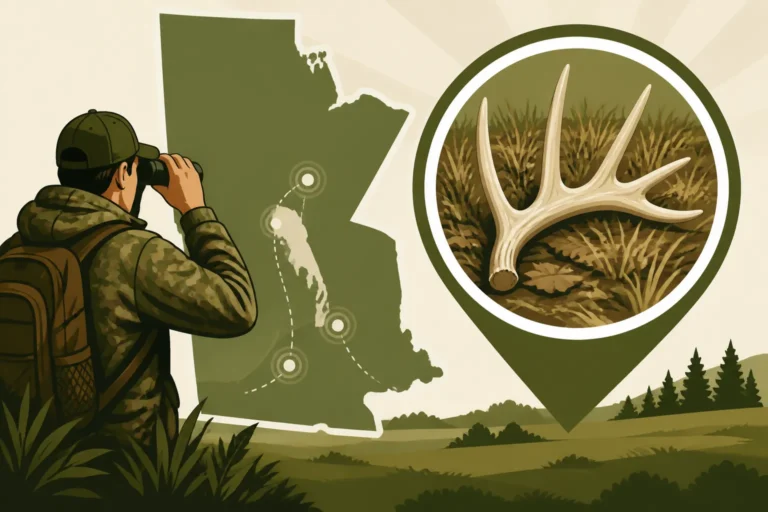
For hunters, assessing a moose's rack is part of the thrill and challenge. It’s not just about width; factors like palmation (the flat, shovel-like part), the number of points (tines), and overall mass contribute to the impressiveness of a trophy. A bull's antlers can often be an indicator of its overall body condition – a healthy bull typically grows a larger, more symmetrical rack. Looking for "tines" or "points" along the palm and circumference of the beam are key metrics. Learning to distinguish between a younger, less mature bull and a truly magnificent specimen requires patience and keen observation. Using good optics like binoculars or a spotting scope, especially with a tool like GoHunt's mapping features, can help in detailed assessment from a safe distance before making any decisions.
Behavioral Patterns and Vocalizations
Moose are generally solitary animals, though cows will stay with their calves for about a year. During the rut, however, bulls become much more social, actively seeking out cows and engaging in dominance displays with rival bulls. Their movements are often deliberate and unhurried, but they can move with surprising speed and agility through dense cover when startled or motivated. They have excellent senses of smell and hearing, but their eyesight is not their strongest asset, especially at a distance. This is why they often rely on their ears and nose to detect threats or find mates.
Vocalizations play a significant role in moose communication, especially during the rut. Cows emit a drawn-out, mournful "moan" or "bawl" to attract bulls, while bulls respond with deep grunts and sometimes a low roar, asserting their presence. Understanding these sounds is critical for hunters engaging in "Calling Moose in Manitoba's Boreal Forest." Beyond the rut, moose are generally quiet, but you might hear them crashing through brush or splashing through water as they feed. Observing their tracks, droppings, and rub marks on trees can tell a story of their recent movements and presence in an area, providing invaluable scouting information for anyone hoping to catch a glimpse, or perhaps a shot, at this grand animal.
Moose Management and Conservation Efforts
Effective management and conservation are paramount to ensuring healthy and sustainable moose populations in Manitoba. It's a delicate balance between providing recreational opportunities, supporting Indigenous harvesting rights, and protecting the species from increasing environmental pressures. The province, in partnership with various stakeholders, employs a range of strategies to achieve these goals.
Harvest Regulations and Draw Systems
To manage moose populations and distribute hunting pressure, Manitoba utilizes a system of hunting regulations and draws. Unlike some other big game species, moose tags are often limited, particularly in areas where populations are sensitive. This means that resident hunters often need to apply for a limited draw to obtain a moose tag. The draw system aims to ensure that the number of harvested animals is within sustainable limits for each specific Game Hunting Area (GHA), preventing localized overharvesting. Non-resident hunters typically need to book a guided hunt with a licensed outfitter, as per Manitoba's rules, who often has an allocation of tags.
These regulations are dynamic, changing based on aerial survey data, harvest statistics, and local observations. It’s crucial for every hunter to meticulously review the annual hunting guide for "Manitoba Big Game Season Dates" and specific GHA regulations, including which GHAs are open or closed to moose hunting, such as "Checking Which Manitoba GHAs Are Closed". Ignoring these rules not only risks penalties but can also have detrimental effects on conservation efforts. The intent is to provide sustainable hunting opportunities while prioritizing the long-term health of the moose population, ensuring that future generations can also experience the thrill of a Manitoba moose hunt.
Habitat Improvement Initiatives and Partnerships
Recognizing that healthy moose populations depend on healthy habitats, various initiatives are underway to improve and protect key moose range. This often involves collaboration between government agencies, forestry companies, Indigenous communities, and conservation organizations. Sustainable forestry practices, for example, can be designed to create the mosaic of young and old forest types that moose thrive in, rather than simply clear-cutting vast tracts. This might involve selective logging, leaving specific blocks of mature timber for cover, and ensuring regeneration of browse species.
Wetland preservation and restoration are also critical, as aquatic plants are a vital part of the moose diet. Efforts to mitigate the impact of linear disturbances, such as roads and power lines, which can create predator access and fragment habitat, are also important. Furthermore, programs aimed at managing white-tailed deer populations in areas where they overlap significantly with moose range can help reduce the transmission of brainworm. These partnerships are essential because effective habitat management requires a landscape-level approach, transcending political and private land boundaries to benefit wildlife across broad areas.
Research, Monitoring Programs, and Traditional Knowledge
At the heart of effective moose management is robust scientific research and ongoing monitoring. The province conducts regular aerial surveys to estimate population numbers, distribution, and calf-to-cow ratios, which provide critical insights into herd health and reproductive success. Telemetry studies, where moose are fitted with GPS collars, offer invaluable data on movement patterns, habitat use, and causes of mortality. This data helps biologists understand how moose respond to changes in their environment and human activities.
Equally important is the integration of traditional ecological knowledge (TEK) from Indigenous communities. For generations, First Nations people have lived alongside moose, observing their patterns, health, and environmental changes. This deep, localized knowledge provides context and insights that scientific surveys alone might miss, offering a more holistic understanding of moose populations. Community-led initiatives, often supported by organizations like Ducks Unlimited Canada or the Manitoba Wildlife Federation, further contribute to data collection and local conservation efforts. By combining scientific rigor with time-honored wisdom, Manitoba aims to create a comprehensive and adaptive management framework for its moose.
Hunting Moose in Manitoba's Boreal Forest
Hunting moose in Manitoba's boreal forest is a quintessential Canadian wilderness experience, demanding resilience, preparation, and respect for the animal and its environment. It's not a casual pursuit; it's an immersive adventure that often takes hunters deep into remote, rugged terrain.
Optimal Hunting Seasons and Effective Methods
Moose hunting seasons in Manitoba typically occur in the fall, coinciding with the rut, which is a prime time for calling, and a later general season. Archery seasons often kick off in early September, followed by muzzleloader and then general rifle seasons. "When Manitoba's Moose Season Runs" will vary by GHA, so checking the current regulations is always the first step. The rut period, generally from late September to mid-October, is considered by many to be the most exciting time to hunt. During this time, bulls are actively seeking cows, making them more responsive to calls and more mobile.
Effective hunting methods in the dense boreal often involve a combination of still-hunting, glassing, and calling. Still-hunting, moving slowly and quietly through the forest, is effective for covering ground and intercepting moose as they feed or travel. Glassing from high points, especially at first and last light, can reveal moose in openings, clearings, or on the edges of burns. However, calling is arguably the most iconic and thrilling method. Understanding various calls—the cow moan, bull grunt, and even antler rattling—can draw a curious or dominant bull within range. This is where dedicated practice comes in; a well-executed call can turn a quiet morning into a heart-pounding encounter. Many hunters find success when targeting "Hunting Moose on a Manitoba Cutline," using these linear features for access and sight lines.
Essential Gear and Preparation for Boreal Hunts
A moose hunt in Manitoba is an expedition, and your gear list needs to reflect that. Unlike deer hunting in agricultural areas, you'll likely be far from any amenities. High-quality waterproof and warm clothing is non-negotiable, as fall weather in the boreal can be unpredictable, ranging from mild sunshine to freezing rain and snow. Layering is key. Durable, waterproof boots capable of handling wet, boggy terrain and uneven ground are also essential. Given the potential for deep snow later in the season, snowshoes might even be necessary.
Navigation tools are paramount. A reliable GPS unit, map, and compass are critical, along with the knowledge of how to use them, especially if cell service is spotty or nonexistent, which it often is. Given the vastness, a satellite communication device like a Garmin inReach is a wise investment for emergencies. You'll also need a powerful rifle in a legal caliber capable of humanely taking down a large animal like a moose (e.g., .30-06, .300 Win Mag, .338 Win Mag), along with quality optics and a solid knife for field dressing. Don't forget a sturdy pack for carrying essentials and, hopefully, meat. For those who are lucky enough to harvest, having a plan and the right equipment for "Getting a Moose Out With a Quad" or other means is crucial, as a downed moose is a monumental task.
Ethical Hunting Practices and Meat Care in the Field
Ethical hunting goes beyond legal compliance; it's about respect for the animal, the land, and the hunting tradition. This means prioritizing a clean, humane shot, knowing your limitations, and only taking shots you are confident in making. Following a wounded animal diligently is a moral obligation, no matter how difficult the tracking. Waste not, want not: every effort should be made to utilize as much of the animal as possible. After all, "Meat Care in Manitoba's Cold Snaps" is essential to preserve your harvest.
Field dressing a moose is a massive undertaking, often requiring multiple people and specialized tools like game bags, a sturdy tarp, and a sharp axe or saw. The meat needs to be cooled quickly to prevent spoilage, which can be a challenge on warm days. Quartering the animal and hanging it in the shade, or in a meat cache, helps facilitate cooling. If hunting in remote areas, proper care of the meat immediately after the harvest is critical to ensure a high-quality product. This is where planning ahead for meat extraction and storage truly pays off. Hunters often refer to guides or resources on proper field dressing techniques, especially for such a large animal, to ensure they're prepared for the moment of truth.
Understanding Moose Rut in Manitoba
The moose rut, or breeding season, is an electrifying time in the boreal forest. It’s when these typically solitary giants become more active, vocal, and, importantly for hunters, more visible and responsive. Understanding the nuances of the Manitoba moose rut is key to successful hunting and simply appreciating the spectacle of nature.
When Manitoba's Moose Rut Peaks
The timing of the moose rut in Manitoba, while varying slightly year to year based on weather and moon phases, generally "When Manitoba's Moose Rut Peaks" is from late September through the first half of October. Archery hunters often get the first crack at rutting moose, as their season typically opens earlier in September. As the calendar turns into October, the peak of breeding activity intensifies. During this period, bulls are most aggressively seeking out cows, and cows are most receptive to breeding.
While there's a definite peak, it's important to understand that the rut isn't a single event but a window of increased activity. Early in the rut, bulls are testing the waters, establishing dominance hierarchies. The middle of the rut sees intense breeding activity, with bulls actively chasing cows and engaging in vocal challenges. Towards the end of the rut, activity might taper off as cows are bred, but smaller, younger bulls might still be looking for late-breeding cows. Understanding these phases can influence your hunting strategy, whether you're trying to intercept a bull on the move or call one in. Factors like unusually warm weather can sometimes delay or mute rutting activity, while a sudden cold snap can kick it into high gear.
Calling Techniques and Strategies for Success
Calling moose during the rut is one of the most exciting aspects of moose hunting. It requires skill, patience, and the ability to "read" the forest. There are several key calls: the cow moan, the bull grunt, and antler rattling. The cow moan, a long, drawn-out vocalization, is designed to attract bulls. It mimics a receptive cow and can be incredibly effective when performed correctly. Bulls often respond with a deep, guttural grunt, indicating their presence and interest. These grunts can be used to challenge a bull or simply reassure him that a cow is nearby.
Antler rattling, or rubbing a large paddle against trees, simulates two bulls fighting or sparring. This can draw in an aggressive bull looking to assert dominance or a curious one wanting to see what the commotion is about. When "Calling Moose in Manitoba's Boreal Forest," consider the wind direction, as a moose will almost always try to circle downwind to scent check. Call sparingly at first, then increase intensity if you get a response. Be patient; a bull might take a long time to commit and circle your position. It’s a chess match with an animal that has superior senses, and success often comes to those who are patient, subtle, and understand the language of the forest.
Rutting Behavior and Hunter Approach
During the rut, moose exhibit distinct behaviors that hunters can capitalize on. Bulls become less cautious and more focused on breeding, making them more vulnerable. They will rub their antlers on trees and shrubs, creating "rubs" that leave visual and scent markers. They'll also create "scrapes" or "wallows" in the ground, pawing at the earth and urinating to leave their scent. These signs are clear indicators of recent bull activity in an area.
When approaching a rutting bull, caution is always advised, as they can be unpredictable and aggressive, especially if they feel challenged or surprised. If a bull responds to your call, be prepared for him to circle downwind. Position yourself carefully, ideally with some cover, and be ready for a shot. Many hunters prefer to set up near thick cover, giving the moose a sense of security as they approach. It's a game of wits and patience, but the sight of a massive bull, antlers gleaming, grunting its way toward your position, is a moment that forever etches itself into a hunter's memory. Remember to assess the animal carefully, especially if you are seeking a particular class of bull.
Key Moose Hotspots and Habitat Features
Finding moose in Manitoba’s vast boreal forest can feel like searching for a needle in a haystack if you don’t know where to start. While moose are broadly distributed, certain areas offer better prospects due to ideal habitat, lower pressure, or specific conservation efforts.
Specific Regions and Productive Game Hunting Areas (GHAs)
Manitoba's prime moose habitat lies predominantly within the vast boreal forest and its transitional zones, particularly in the northern and eastern parts of the province. Regions like the Interlake, the Duck Mountain and Porcupine Hills Provincial Forests, and the massive expanses of the northern boreal forest (including areas accessed via The Pas or Thompson) are generally considered strongholds for moose. While specific GHA numbers change and some areas have "Moose Conservation Closures," some historical hotspots include GHAs in the remote north where access is limited, naturally reducing hunting pressure.
For hunters, research is key. Consulting the latest GHA maps and regulations, and even resources like GoHunt for historical data, can help pinpoint areas with higher moose densities or good habitat. GHAs with a significant proportion of Crown Land, extensive wetlands, and a mosaic of young and mature forest stands tend to be more productive. Areas affected by recent wildfires (several years prior, allowing browse to regenerate) can also become excellent moose habitat. It's important to remember that moose populations can be quite localized, so a GHA with good numbers might have pockets of high density and other areas where moose are scarce.
Reading the Landscape for Moose Sign
Moose leave a plethora of signs, and learning to interpret them is like reading a story written on the forest floor. Tracks are perhaps the most obvious. Moose tracks are large, cloven, and noticeably bigger than deer tracks, often showing a dewclaw imprint in softer ground. The direction and freshness of tracks can tell you if an animal has recently passed. Pay attention to how the tracks interact with cover, water sources, and feeding areas, indicating movement patterns.
Droppings (scat) also offer clues. Moose droppings are typically oblong pellets, often in a pile, and their appearance can indicate how fresh they are. Fresh scat is moist and shiny, while older droppings are dry and dull. Rubs, where bulls have scraped their antlers against trees, especially during the rut, are clear indicators of a bull's presence. Look for bark rubbed off trees, often with antler marks. Wallows or scrapes, where moose have pawed at the ground and urinated, are another strong sign, particularly during the rut. Lastly, browse lines—where moose have nipped off branches and twigs at head height—can show active feeding areas. The more subtle you are in your scouting, the more you'll uncover, especially in remote areas that see less human traffic.
Remote Access and Fly-in Considerations
Many of Manitoba's most robust moose populations thrive in truly remote boreal regions, far from paved roads and even gravel trails. Accessing these areas often requires significant effort and planning, which naturally limits hunting pressure and contributes to healthier herds. For some of the northern GHAs, "Flying North for Manitoba Caribou" or moose becomes the only practical option. This means chartering a float plane to a remote lake, or a wheeled plane to a backcountry strip.
Fly-in hunts present unique logistical challenges: strict weight limits for gear, fuel, and meat; the need for self-sufficiency in remote camps; and the reliance on weather for flying in and out. While challenging, these remote experiences offer an unparalleled wilderness immersion and access to areas where moose are less wary of humans. For those who embrace the adventure, a fly-in moose hunt can be the ultimate test of skill and endurance, offering a truly wild encounter with Manitoba's largest deer. Always plan meticulously, share your itinerary, and be prepared for unexpected delays when venturing into these remote, awe-inspiring landscapes.
The Future of Manitoba's Moose
The future of moose in Manitoba's boreal forest is a topic of ongoing discussion and scientific inquiry. It’s shaped by complex environmental shifts, predator dynamics, and the increasing recognition of the vital role that local communities play in stewardship.
Climate Change Impacts and Adaptation
Climate change is undeniably a significant factor influencing moose populations across their range, and Manitoba is no exception. Milder winters, while seeming benign, can have detrimental effects. As discussed earlier, they lead to an increase in winter tick survival, which can devastate moose, especially calves. Warmer summers also cause thermal stress for moose, pushing them to seek refuge in water or dense cover, potentially reducing feeding time and impacting overall health. This stress can also make them more susceptible to diseases.
Changes in precipitation patterns can alter forage availability and wetland habitats, further impacting moose. While moose are remarkably adaptable, the rapid pace of climate shifts may outstrip their ability to adjust, particularly when combined with other stressors. Conservation efforts are increasingly focused on identifying and protecting critical thermal refugia and ensuring habitat connectivity that allows moose to move and adapt to changing conditions. It’s a race against time, requiring forward-thinking strategies to safeguard these magnificent animals.
Predator-Prey Dynamics and Management
The relationship between moose and their primary predators, wolves and bears, is a natural and essential part of the boreal ecosystem. In a healthy system, predators help cull weak or sick animals, contributing to the overall strength of the prey population. However, when moose populations are already stressed by habitat loss, disease, or climate change, predator pressure can become disproportionately high. "Do Wolves Affect Manitoba Moose Numbers?" is a question often debated, and the answer is complex. In some areas, high wolf densities, coupled with declining moose numbers, can hinder recovery efforts.
Managing predator-prey dynamics is a sensitive and often controversial topic. It rarely involves broad-scale culling, but rather adaptive management strategies that consider the health of both predator and prey populations. This can include targeted management in specific areas or focusing on habitat improvement for moose, which naturally makes them more resilient to predation. The goal is to maintain a natural balance, recognizing that a healthy ecosystem requires both strong prey populations and viable predator populations.
Community Involvement and Shared Stewardship
Perhaps one of the most promising aspects for the future of Manitoba's moose lies in the growing recognition of the importance of community involvement and shared stewardship. Indigenous communities, with their deep historical and cultural connection to moose, are increasingly playing a central role in conservation efforts. Their traditional knowledge of moose habitats, migration patterns, and population health provides invaluable insights that complement scientific research. Co-management initiatives, where government and Indigenous communities collaborate on wildlife decisions, are becoming more common and are vital for effective, locally appropriate solutions.
Beyond Indigenous communities, local hunters, trappers, and conservation groups are also key partners. Their on-the-ground observations, willingness to participate in monitoring programs, and advocacy for habitat protection are critical. Organizations like the Manitoba Wildlife Federation actively engage members in conservation projects, education, and responsible hunting practices. The future of Manitoba’s moose will depend on a collective effort, a shared responsibility where everyone invested in the health of the boreal forest works together to ensure these iconic animals continue to thrive for generations to come.
Disclaimer
Please remember that hunting regulations and wildlife management practices can change. Always consult the most current Manitoba Hunting Guide and relevant provincial government resources before planning any hunting trip or making decisions based on this information.