Hunting Moose Around Manitoba Beaver Ponds
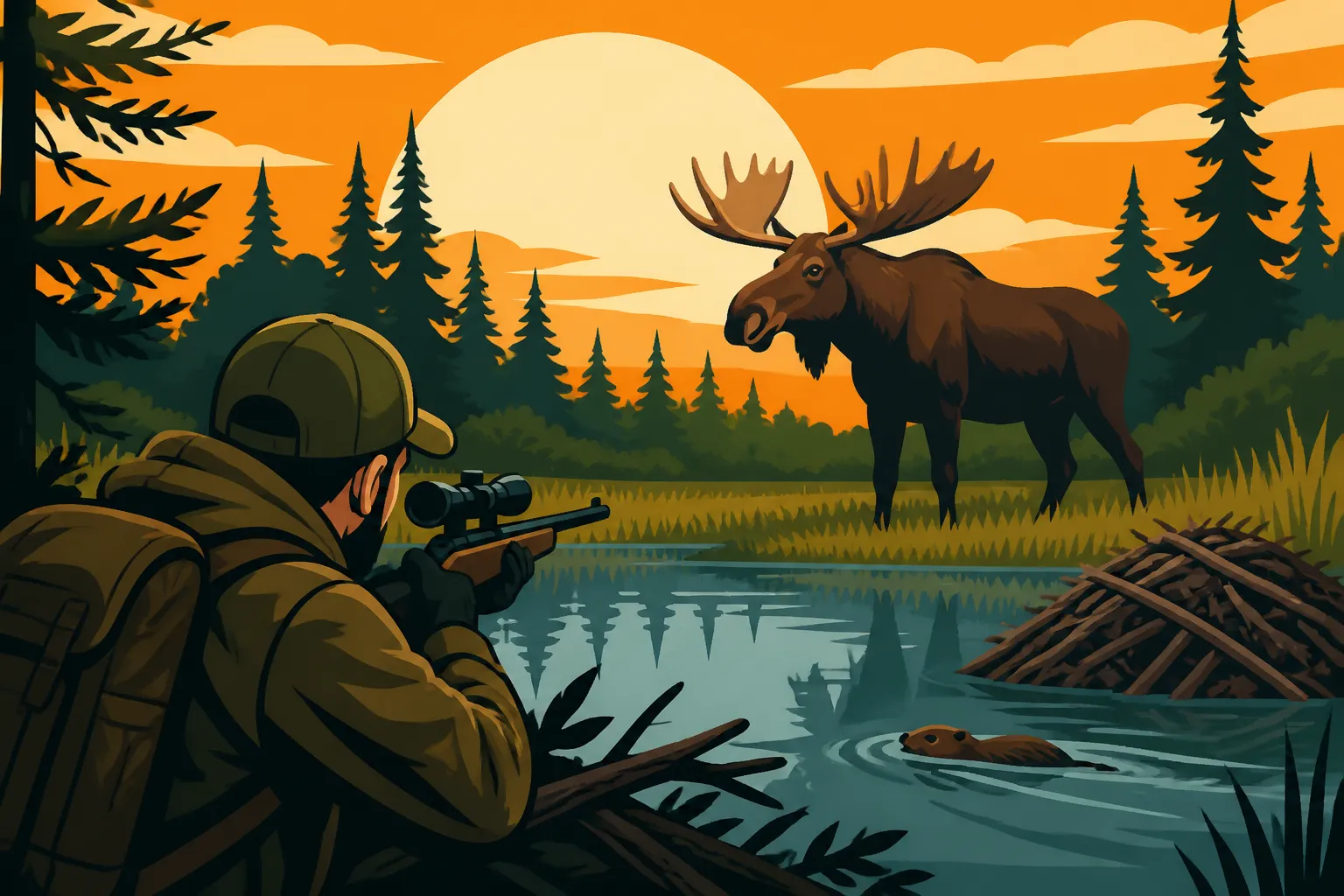
The thought of hunting a majestic moose in Manitoba is enough to quicken any hunter's pulse, but actually finding one in the vast bush can feel like searching for a needle in a haystack, especially when you consider how much they love the remote, watery havens created by beavers. These industrious rodents, often seen as mere nuisances by some, are actually master habitat engineers, creating ideal conditions that draw moose in like a magnet. If you've ever felt overwhelmed by the sheer scale of Manitoba's wild country and wondered where to even begin your moose hunt, this guide will walk you through everything you need to know about successfully hunting moose in these unique and incredibly productive areas.
Why Beaver Ponds Are Moose Magnets
Manitoba's landscape is dotted with countless lakes, rivers, and wetlands, but it's the humble beaver pond that often creates some of the most concentrated and accessible moose habitat, especially in the boreal forest and transition zones. Beavers are incredible ecosystem engineers, altering water flow and creating dynamic environments that are incredibly appealing to moose for a multitude of reasons. Understanding why these areas are so attractive is the first step to knowing how to hunt them effectively.
Prime Food and Forage
Moose are browsers, meaning they prefer to eat leaves, twigs, and bark from trees and shrubs rather than grass. Beaver ponds, through their continuous cycle of damming and flooding, create a smorgasbord of this preferred vegetation. When beavers flood an area, it kills off mature trees like spruce and pine, but it also encourages the growth of young, tender saplings and shrubs along the newly formed edges and in regenerated clearings. Think of it as a natural, ongoing clear-cut operation, but specifically tailored to what a moose loves to eat.
Species like willow, aspen, birch, and red-osier dogwood thrive in these moist, disturbed environments. These are absolute moose candy. You'll often see areas around active beaver ponds with heavily browsed shoots, where moose have stripped the bark or nipped off the tips of branches. Beyond terrestrial browse, many beaver ponds also support a rich growth of aquatic vegetation like water lilies (pondweed) and horsetails, which moose absolutely adore. They'll often wade into the shallow parts of the pond, sometimes submerging their entire heads, to pull up these nutrient-rich plants. This constant replenishment of high-quality forage makes beaver pond complexes veritable grocery stores for moose, providing everything they need for growth and energy, especially vital during the colder months when other food sources become scarce or harder to access.
Water and Sanctuary
Beyond food, beaver ponds offer critical access to water and a sense of security. Moose need a lot of water to drink, particularly when they're consuming dry forage or during the physically demanding rut period. The open water of a pond, combined with the marshy edges, provides easy access to fresh water. In the heat of early season or during the peak of summer, these ponds also serve as essential cooling stations. You'll often find moose standing belly-deep in the water, escaping biting insects and regulating their body temperature.
The complex topography created by beaver activity — a mix of open water, thick willow stands, deadfall, and dense regenerating forest – offers excellent cover and sanctuary. A moose can quickly disappear into the surrounding bush if disturbed, or use the water as an escape route from predators like wolves. The flooded timber and boggy ground around a pond make it difficult for predators (and hunters!) to move silently, giving the moose an advantage. It’s a natural fortress, offering both sustenance and safety. For hunters, this means that while moose are drawn to these areas, they are also incredibly adept at using the terrain to their advantage, requiring a careful and patient approach. You'll often find that the most productive beaver pond complexes are those that are harder to access, which naturally gives the moose even more peace and quiet.
Habitat Diversity
A single beaver pond isn't just a pool of water; it's usually part of a larger complex of interconnected ponds, dams, and marshy meadows. This creates incredible habitat diversity within a relatively small area. You'll find distinct "zones" within a beaver pond complex:
- Open Water: Used for drinking, cooling, and accessing aquatic vegetation.
- Marshy Edges: Rich in tender browse and often where moose will enter or exit the water.
- Flooded Timber: Dead trees create an obstacle course and provide structure.
- Dense Regenerating Bush: Thick young growth offers bedding cover and more food.
- Dry Ridges/Islands: Higher ground within the complex can be used for bedding or escape.
This variety allows moose to meet all their needs within a small home range. They can feed in one area, bed down in a thicket nearby, drink from the pond, and then wallow in the mud if needed, all without expending much energy. This diversity of cover and food sources is what makes these areas so attractive, and why hunters should focus their scouting efforts here. When you're Scouting a Manitoba Game Hunting Area, remember to look for these unique complexes. Tools like GoHunt's satellite imagery can really help you pinpoint these hidden gems, allowing you to identify the tell-tale signs of beaver activity, such as flooded areas, winding streams, and dense regeneration, even before you step foot in the bush.
Reading the Sign Around Active Ponds
Once you've identified a promising beaver pond complex, the real work begins: looking for fresh sign. Moose are large animals, and they leave behind plenty of evidence of their presence if you know what to look for. Focusing on these signs will confirm that moose are actively using the area and help you predict their movements.
Fresh Tracks and Trails
Moose tracks are unmistakable: large, cloven, and often quite deep. A mature bull moose track can be 5 to 6 inches long and easily recognizable. The key is to look for fresh tracks, especially along the soft, muddy edges of the pond or where trails lead into and out of the water.
- Track Freshness: Look for sharp edges, clear prints, and no debris or leaves inside the print. If water is seeping into the track, it's very fresh. Older tracks will be softer, sometimes filled with water, leaves, or mud, and may show signs of drying or crumbling at the edges.
- Well-Worn Trails: Moose are creatures of habit. They'll often use the same trails repeatedly to access water, specific feeding areas, or bedding sites. These trails can be quite distinct, especially through dense underbrush. Follow these trails cautiously, as they often lead directly to active feeding or bedding areas. Pay attention to the direction of travel; are they moving towards the water in the morning or away from it towards denser cover?
- Wallowing Pits: During the rut, bull moose will create wallows—shallow depressions in muddy areas, often near water, which they urinate and roll in. These pits will have a strong, musky odor and will be churned up, often with fresh tracks around them. Finding an active wallow is a strong indicator of a bull moose in the vicinity, especially during the breeding season. This is a critical piece of information for Calling a Bull Moose in the Rut.
Rubs, Scrapes, and Browsing
Beyond tracks, moose leave other tell-tale signs of their presence and activity, especially during certain times of the year.
- Rubs: Bull moose rub their antlers on trees and saplings to remove velvet and to mark their territory, particularly as the rut approaches. Look for trees with bark scraped off, typically 2-5 feet off the ground. The height and diameter of the rubbed tree can give you an idea of the size of the moose. Fresh rubs will have splinters of wood and fresh sap, whereas older rubs will be dried and weathered.
- Browsing: As mentioned, moose are heavy browsers. Look for snapped twigs, torn leaves, and stripped bark on their preferred food sources like willow, aspen, and dogwood. The key is to distinguish moose browsing from deer browsing. Moose leave a much coarser, more ragged browse mark because they lack upper incisors, tearing vegetation rather than making a clean cut. Also, moose browse much higher than deer, often reaching 6-8 feet off the ground, leaving a distinct browse line.
- Scrapes: While not as common or distinct as deer scrapes, moose will sometimes scrape the ground with their hooves in conjunction with rubs and wallows, especially during the rut. These are often shallower and larger than deer scrapes, sometimes just bare patches of dirt in muddy areas.
Bedding Areas and Droppings
Locating bedding areas and identifying fresh droppings are vital for understanding moose patterns.
- Bedding Areas: Moose often bed down in dense cover close to their feeding areas and water, especially on slightly elevated ground or ridges that offer good visibility and a wind advantage. Look for flattened vegetation, often with a fresh depression where the moose has rested. The size of the bed will indicate the size of the animal. Finding fresh beds can mean a moose is still very close by, either having just moved off or planning to return.
- Droppings (Scat): Moose droppings are large pellets, typically oval-shaped, and can be quite numerous. Fresh droppings will be moist, shiny, and dark, often clumped together if the moose has been eating fresh green forage. Older droppings will be dry, dull, and may be scattered. The quantity and freshness of scat are excellent indicators of recent activity and how heavily an area is being used. Regularly checking these signs with tools like GoHunt's mapping features can help you establish patterns over time, marking locations of fresh sign to identify core areas of activity.
Effective Hunting Strategies for Beaver Ponds
Hunting moose around beaver ponds requires a blend of patience, stealth, and a good understanding of moose behaviour. Given the unique terrain and the moose's keen senses, a well-thought-out strategy is crucial.
Calling Techniques
Moose calling can be incredibly effective, especially during the rut in late September and October. The dense cover and varied terrain around beaver ponds create excellent acoustics, allowing calls to carry well and encouraging moose to investigate.
- Cow Calls: These are usually a series of long, drawn-out bawls, mimicking a cow moose looking for a bull. They can be very effective at drawing in curious bulls. Start with soft, infrequent calls, then increase intensity if there's no response.
- Bull Grunts: A series of shorter, deeper grunts that imitate a bull. These can challenge another bull or signal presence. Combine them with cow calls to simulate a bull approaching a cow.
- Raking: Using an antler or a stick to rake against trees, mimicking a bull thrashing brush. This visual and auditory stimulation can drive a bull crazy, especially if combined with grunts.
When calling near a beaver pond, set up downwind, if possible, where you have good visibility. Call for a few minutes, then listen intently for a long period—sometimes 15-30 minutes—before calling again. Moose often approach silently, using the thick cover for concealment. Be prepared for a quick shot. Remember, Manitoba's Big Game Season Dates will dictate when you can use these techniques. For those venturing into the bush to pursue these magnificent creatures, understanding Legal Firearms and Bows for Big Game is also paramount.
Stand and Blind Placement
Given the often dense and wet terrain, a well-placed stand or ground blind can be a significant advantage, allowing you to remain still, hidden, and scent-controlled for extended periods.
- Tree Stands: If the surrounding timber allows, a tree stand offers an elevated vantage point, improving visibility over thick brush and helping to keep your scent above the moose's nose. Look for trees along well-used trails leading to the pond, or overlooking a known feeding area or wallow. Ensure your stand offers good shooting lanes in multiple directions.
- Ground Blinds: In areas with no suitable trees or particularly dense cover, a natural or portable ground blind can be effective. Utilize natural features like fallen logs, thick brush, or hummocks for concealment. The key is to blend in completely and break up your outline.
- Wind Direction: Always, always consider the wind. Moose have an incredible sense of smell. Set up so your scent is blowing away from where you expect the moose to approach. If the wind shifts, you may need to adjust your position.
- Sun Position: Position yourself so the morning or evening sun isn't in your eyes, giving you a clear view during prime hunting hours.
- Accessibility: Choose a spot that you can access quietly and efficiently, especially in the dark before first light or after last light.
Still-Hunting and Stalking
While calling from a stationary position is effective, actively still-hunting or stalking around beaver ponds can also yield results, particularly if you're hunting an area with no obvious active wallows or heavily used trails. This method requires extreme stealth and patience.
- Slow and Deliberate: Move incredibly slowly, taking only a few steps at a time, then stopping to scan and listen. Use your binoculars constantly to pick apart dense cover.
- Use Natural Cover: Utilize every bit of natural cover – trees, thickets, hummocks – to break up your outline and conceal your movements.
- Water's Edge Advantage: Often, the edges of beaver ponds are relatively open, offering better visibility than the dense forest further back. Walk slowly along these edges, but be mindful of your scent. The sound of water lapping can sometimes mask your footsteps.
- Listen for Sounds: Listen for the subtle sounds of a moose: branches snapping, splashing in the water, or the rustle of leaves. Their large size means they're not always silent.
- Wind is King: Always move into the wind or with a crosswind. Never push directly downwind into an area you suspect holds moose. GoHunt can provide real-time wind conditions, which is invaluable for planning your approach.
Essential Gear and Safety Considerations
Hunting moose around Manitoba beaver ponds can be an incredible adventure, but it often takes you deep into remote, challenging terrain. Being prepared with the right gear and a solid understanding of safety protocols is not just important—it's absolutely critical.
Navigation and Communication
Getting lost in the vastness of Manitoba's bush, especially around a complex network of beaver ponds, is a genuine concern.
- GPS Unit and Map/Compass: Always carry a reliable GPS unit with pre-loaded maps showing topography, water features, and your intended route. However, electronics can fail. Always back it up with a physical compass and a waterproof map of your Manitoba's Game Hunting Areas. Practice using them together before your hunt.
- Satellite Communicator/PLB: Cell service is almost non-existent in many remote moose habitats. A satellite communication device like a Garmin inReach or a SPOT device is a non-negotiable safety item. It allows you to send and receive texts, check weather, and, most importantly, send an SOS signal in an emergency.
- GoHunt Mapping Application: This is where digital tools like GoHunt really shine. You can download maps for offline use, mark waypoints for fresh sign, track your movements, and pre-plan routes around difficult terrain like dense beaver complexes. Having this level of detail on your phone or tablet can be a game-changer for navigation and ensuring you always know where you are. Remember to carry a portable power bank to keep your devices charged.
- Knowing Your GHA: Before you go, ensure you have a clear understanding of the specific GHA (Game Hunting Area) you're in and its boundaries. This is crucial for avoiding unintentional trespassing and adhering to specific hunting regulations.
Appropriate Clothing and Footwear
The environment around beaver ponds is inherently wet and often cold, making proper attire paramount for comfort and safety.
- Layering System: Manitoba weather is unpredictable, even during hunting season. Dress in layers that you can add or remove as conditions change. Start with a moisture-wicking base layer, add insulating layers (fleece or down), and top with a waterproof and windproof outer shell. Avoid cotton, as it retains moisture and loses its insulating properties when wet.
- Waterproof Everything: This cannot be stressed enough. Full waterproof outer layers, including pants and a jacket, are essential. You'll be crossing wet ground, potentially wading through shallow water, and brushing against dew-soaked vegetation.
- Waders or High Waterproof Boots: Neoprene chest waders are often ideal for traversing marshy areas and crossing shallow sections of beaver ponds. If not waders, invest in high-quality, insulated, waterproof rubber boots with good traction. Ensure they are comfortable for long walks.
- Blaze Orange: How Much Blaze Orange Manitoba Requires varies depending on the specific season and weapon. Always consult the current hunting regulations. Even if not strictly required, wearing blaze orange, especially a vest and hat, is a critical safety measure, making you highly visible to other hunters in the dense bush.
Field Dressing and Extraction
Successfully harvesting a moose is just the first part of the challenge. Getting that animal out of a remote, wet beaver pond environment is often the hardest.
- Field Dressing Kit: Carry a sharp, reliable knife, a bone saw or strong axe, a knife sharpener, latex gloves (for hygiene and CWD precautions), and game bags. You'll need to be prepared to Quartering a Moose Alone in the Bush, especially if hunting solo or deep in the backcountry.
- Game Bags: Heavy-duty, breathable game bags are essential for protecting the meat from flies and debris once it's quartered.
- Extraction Plan: This is arguably the most critical part of beaver pond moose hunting. Before you even pull the trigger, have a plan for how you will get the moose out. Consider the terrain, the distance to the nearest road or access point, and whether you'll need assistance.
- 人力 (Manpower): Sometimes, the only way is to break the animal down into manageable pieces and pack it out on your back, making multiple trips.
- ATVs/UTVs: If allowed and feasible, a quad or side-by-side can be a lifesaver for Getting a Moose Out With a Quad. However, be aware of rules for Quad and Side-by-Side Rules on Crown Land and the challenges of boggy ground. Winches and recovery gear are a must.
- Boats/Canoes: If hunting near a larger body of water or if the pond allows, a canoe or small boat can be useful for floating meat out.
- Meat Care: Once the animal is down, getting the hide off and the meat cooled quickly is paramount, especially in warmer early season temperatures. Beaver pond areas can be humid, which isn't ideal for cooling meat. Be ready to hang pieces of meat in the shade if possible and ensure good air circulation. In Manitoba's often chilly autumns, Meat Care in Manitoba's Cold Snaps becomes a different kind of challenge, requiring protection from freezing and thawing.
Hunting moose around Manitoba beaver ponds is a quintessential northern hunting experience. It's challenging, rewarding, and takes you deep into some of the province's most beautiful and productive wildlife habitat. By understanding why moose utilize these unique areas, learning to read their sign, employing effective hunting strategies, and coming prepared with the right gear and a focus on safety, you'll significantly increase your chances of success.
Comparing Beaver Pond Hunting Strategies
| Feature / Aspect | Early Season (Sept – Early Oct) | Rut (Mid Oct – Early Nov) | Late Season (Late Nov – Dec) |
|---|---|---|---|
| Moose Behavior | Focused on feeding, less vocal, still using water for cooling. | Highly vocal, aggressive bulls, seeking cows, less wary. | Yarded up for winter, focused on food, less active, can be harder to locate. |
| Primary Strategy | Still-hunting, glassing, ambushing feeding areas. | Calling (cow calls, grunts, raking), active stalking. | Still-hunting, tracking fresh snow, targeting thick cover/yards. |
| Key Sign to Look For | Fresh tracks, heavy browsing, beds near water. | Wallows, fresh rubs, scrapes, vocalizations (grunts, bawls). | Heavy browse lines in yarding areas, deep trails in snow. |
| Best Time of Day | Early morning, late evening (feeding times). | All day, but especially morning and evening, during peak rut. | Mid-day when temperatures are mildest and moose are moving. |
| Clothing/Gear Needs | Waterproof, bug spray, lighter layers for warmth. | Warm, waterproof, good boots for wet/muddy conditions. | Extreme cold weather gear, insulated boots, snowshoes/skis. |
| Pros for Beaver Ponds | Good food source, cooling. | Excellent calling spots, high visibility across water. | Protected areas, winter browse. |
| Cons for Beaver Ponds | Bugs can be intense, moose can be less active. | Can be unpredictable, high activity means more pressure. | Deep snow/ice can make access difficult, moose can be "locked down". |
Disclaimer
Always consult the current Manitoba Hunting Guide for the most up-to-date regulations, season dates, and GHA-specific rules before planning any hunt. Hunting regulations can change annually, and it is the hunter's responsibility to be fully informed and compliant.