Finding Ground Other Hunters Drive Past
It's a familiar frustration, isn't it? You scout, you plan, you head out on opening morning, full of anticipation, only to find truck after truck already parked along every road, hunters pushing into every obvious cover patch. You feel like you're constantly competing for space, and the deer seem to vanish into thin air. This guide is all about helping you break free from that cycle, teaching you how to identify and hunt those hidden gems in Manitoba that other hunters simply drive past, giving you an edge and more serene hunting experiences.
Understanding Hunter Tendencies and Deer Behavior
We all fall into habits, and hunters are no different. It's human nature to take the path of least resistance, to go where access is easy, where the cover looks obvious, or where you've had success before. But this predictability is exactly what makes some areas overcrowded and others virtually untouched. To find success in those overlooked spots, we first need to understand why they're overlooked and how deer exploit these areas.
The Predictability Trap of Easy Access
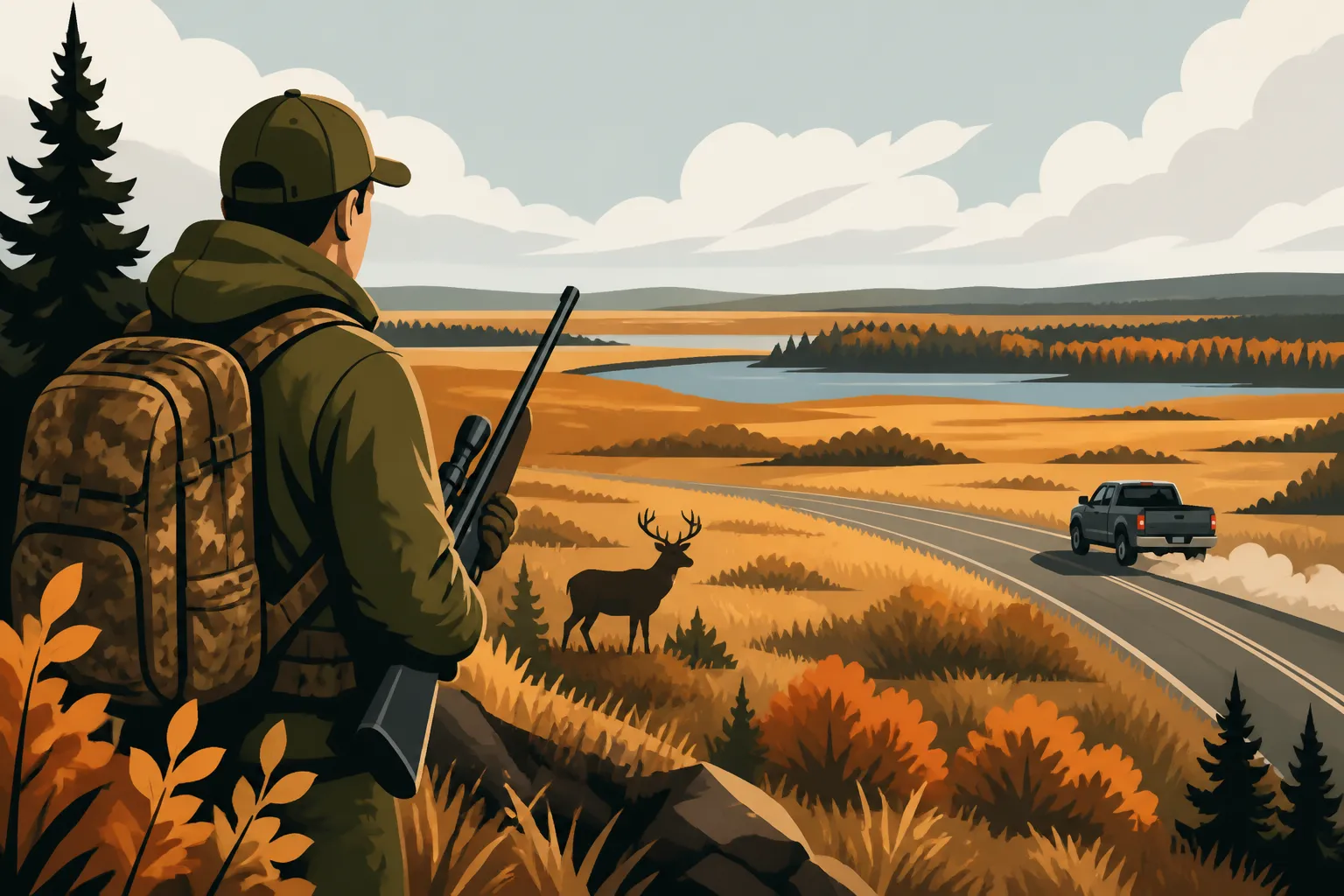
Think about your local Game Hunting Area (GHA). Where are the gravel roads? Where are the well-known trails? Where are the obvious blockades of bush or large fields that scream "deer habitat"? These are the places that often see the most pressure. Hunters will park right on the road allowance and walk into the first patch of woods, or set up along the edge of a field that everyone else can see. This isn't inherently bad, but when everyone does it, the deer quickly learn to avoid these high-traffic zones during daylight hours. They become nocturnal or simply vanish deeper into areas where they feel safe.
Deer are incredibly adaptable, and their survival instincts kick in hard when pressure mounts. They quickly figure out where the "safe zones" are, often places that are just a little too far, too thick, too wet, or too difficult for the average hunter to bother with. These might be small, isolated pockets of cover, nasty tangles of blowdowns, or dense willow runs bordering a bog. We hunters are often creatures of comfort, and the deer count on it.
Why Deer Seek Refuge in Overlooked Spots
Deer aren't just trying to avoid us; they're actively seeking security. This means finding places where they can bed down, feed, and move without constant harassment. These refuge areas often have several key characteristics:
- Dense Cover: Thick bush, cattail sloughs, tangled willow thickets, or areas with heavy blowdowns offer visual and physical protection.
- Difficult Access: Areas that require extra effort to reach—a long walk, crossing a creek, dealing with mud or heavy brush—are less likely to be disturbed.
- Water Sources: Hidden springs, small potholes, or beaver ponds in otherwise dry areas can draw deer, especially during dry spells.
- Food Sources: Pockets of browse that are hard to get to, or small, isolated fields that aren't on the main grid of roads, can be goldmines.
- Proximity to Pressure but Just Out of Reach: Sometimes, the best overlooked spots are literally just a few hundred yards off a busy road or popular hunting block, but separated by a natural barrier like a deep ditch, a wet slough, or a thick, impenetrable fence line. Deer will use these pockets as sanctuaries, moving into them when they feel pressured from more accessible areas.
Understanding these dynamics is the first step. The next is learning how to identify these places on a map and then confirm them on the ground.
Leveraging Tools for Off-the-Beaten-Path Scouting
In today's hunting world, we have an incredible array of digital tools at our fingertips that can help us find these hidden gems without putting a ton of miles on the truck initially. These tools allow us to "scout" from home, identifying potential hotspots and planning our access routes more efficiently.
Satellite Imagery and Mapping Applications
Gone are the days when a paper map and topo lines were your only remote scouting options. Now, platforms like onX Hunt have revolutionized how we find and analyze terrain. They offer detailed satellite imagery that can reveal so much about the land. What you're looking for are inconsistencies, breaks in the pattern, and areas that look just "different" from the surrounding, more accessible habitat.
- Finding Cover Variations: Look for darker patches within larger blocks of timber – this often indicates denser spruce or a thick understory. Scan for small, isolated bluffs or willow rings in open farmland. These often act as bedding areas. Areas that are notoriously wet, like peat bogs or marshy fringes, will deter most hunters but can concentrate deer on higher ground islands or along their edges. Scouting With Satellite Imagery in Manitoba is a game-changer here.
- Identifying Water Sources: Pinpoint small potholes, hidden creeks, or beaver activity. These can be crucial attractants, especially in a dry fall.
- Spotting Natural Barriers: Rivers, wide creeks, deep coulees, or even old, overgrown fence lines can act as natural deterrents for hunters but funnels or travel corridors for deer. If you see a thick patch of cover on one side of a difficult-to-cross feature, chances are it sees less human intrusion.
- Checking Land Ownership: This is where onX Hunt truly shines. Knowing property lines is vital. Often, small, odd-shaped parcels of Crown land might be completely surrounded by private land, making access tricky but not impossible. These "islands" of public ground can be ignored by others because they assume it's all private. Conversely, getting permission on an overlooked private quarter that's difficult to access can also yield fantastic results. Always verify Manitoba's Crown Land Access and remember What Manitoba Trespass Law Requires.
While onX Hunt is fantastic for detailed parcel data and mapping, other platforms like GoHunt also offer valuable mapping and research tools that can help you cross-reference information and get a broader understanding of an area's potential. They might offer different layers or insights that complement your primary mapping efforts.
Topographical Maps and Elevation Changes
Beyond just the satellite view, pay close attention to topographical lines. Deer, especially mature bucks, love to use terrain features for security and travel.
- Ridge Lines and Draws: Look for subtle elevation changes, even a few feet can make a difference. Deer will often travel just below a ridge line, using the crest for cover, or bed on the leeward side to stay out of the wind. Draws and coulees, particularly those with dense brush, offer natural travel corridors and hidden bedding.
- Pinch Points and Funnels: These are crucial. A pinch point could be where a wide block of bush narrows down between two fields, or where a river bend forces deer into a tighter area. A saddle between two hills or a narrow strip of timber connecting larger blocks can funnel deer movement. These spots might not look impressive from the road, but they can be incredibly effective when combined with knowledge of deer movement. Don't forget to consult Reading a Manitoba GHA Map Before You Go to understand the broader landscape.
When you're studying your maps, ask yourself: Where would I not want to walk? What looks like a pain to get to? What natural barriers would deter someone else? These are your clues.
Reading the Landscape for Hidden Opportunities
The truly overlooked spots aren't always obvious. They don't jump out at you on a simple scan. They're often subtle, requiring a careful eye and a willingness to think outside the box.
Small Pockets of Cover and Isolated Habitat
The biggest mistake hunters make is often focusing solely on large blocks of prime-looking habitat. While these can hold deer, they also draw the most attention. Instead, start looking for the tiny, unassuming spots that most hunters blow right past.
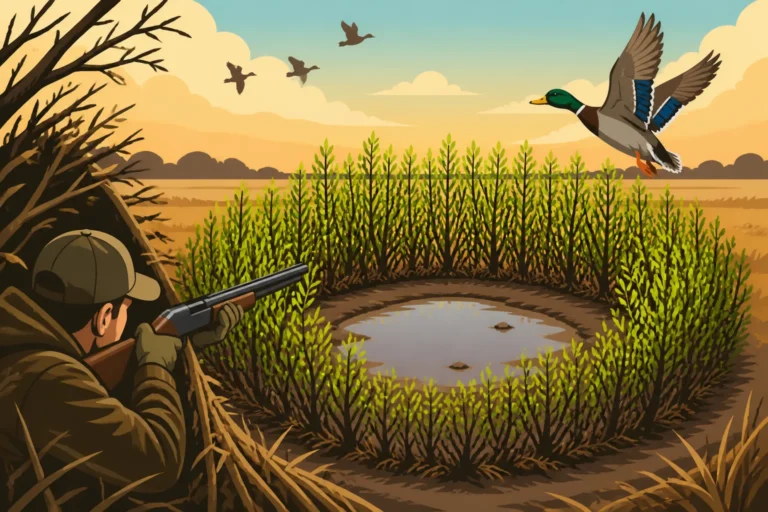
- Slough Rings and Willow Thickets: In agricultural areas, a small slough ring, surrounded by a thick band of willows or cattails, might be dismissed as "too small" or "too wet." But deer will often bed in these, especially if there's good browse or crops nearby. A buck might spend his entire day hunkered down in a willow run bordering a field, waiting for dusk. Hunting a Slough Ring in Open Country can be incredibly productive.
- Brushy Draws and Coulees: Even shallow depressions in open prairie, if they hold dense brush, can be fantastic travel corridors or bedding areas. They offer protection from the wind and visual cover.
- Abandoned Farmyards and Old Homesteads: These often contain overgrown shelterbelts, old foundations, brush piles, and fruit trees that can be a magnet for deer. They're usually small, often private, but sometimes found on Crown land. They're overlooked because they don't look like classic "deer woods."
- Unusual Field Edges: Everyone hunts the edge of a cornfield. But what about a small, odd-shaped field tucked away behind a bluff, or a field of standing canola next to a dense poplar stand? Deer might gravitate to these less disturbed food sources. Consider Hunting a Standing Canola Field Edge or Hunting a Swathed Grain Field at Dusk.
The Power of Linear Features
Deer love to use linear features for travel and security, and many of these are often ignored by hunters.
- Hydro Lines and Pipeline Right-of-Ways: These strips of cleared land often run through dense bush, creating edge habitat and natural travel lanes. Hunters often overlook them because they don't look like traditional hunting spots. However, the edges where the clearing meets the bush can be incredibly active. Hunting a Hydro Line Right-of-Way often requires specific permission or is on Crown land.
- Railway Lines: Similar to hydro lines, railway corridors can cut through vast areas, providing cover, elevated vantage points, and a clear path for deer. You must, of course, be extremely careful and know the regulations regarding hunting near railway lines. Hunting a Railway Right-of-Way requires diligence.
- Old Logging Roads and Trails: In forested areas, especially in the north, old, overgrown logging roads can be perfect travel corridors for deer, moose, or bears. They offer easier walking through thick bush and often have good browse along their edges. Other hunters might avoid them because they're not maintained, but that's precisely why deer use them. Look for Hunting an Old Logging Road in the North.
- Beaver Dam Crossings: Where beaver have dammed a creek, creating a crossing point, it can funnel deer movement. These are often in wet, nasty areas that hunters tend to avoid. Hunting a Beaver Dam Crossing can be a real secret spot.
Overlooked Access Points and Barriers
Sometimes, the "overlooked" aspect isn't about the habitat itself, but about the difficulty of accessing it.
- Long Walks In: The farther you're willing to walk from the nearest road, the less hunting pressure you're likely to encounter. Most hunters stick within a quarter to half-mile of their vehicle. If you're willing to go deeper, you'll often find undisturbed animals.
- Water Crossings: A creek that's too wide to jump, or too deep to wade without hip waders, will deter many. But if you're prepared to cross it, the other side can be pristine.
- Thick Brush for Access: An area might have great habitat, but getting into it requires pushing through incredibly dense, scratchy brush. Most people won't bother. If you're willing to put in the effort, you might be rewarded.
- Odd-Shaped Crown Land Blocks: Sometimes a GHA map reveals small, isolated squares or rectangles of Crown land that are tough to access or don't seem like much on their own. But deer will use these Hunting a Manitoba Quarter Section for refuge if they're close to larger food sources or travel corridors.
Putting Boots on the Ground and Adapting
Remote scouting with maps and satellite imagery is invaluable, but it's only half the battle. You absolutely have to get boots on the ground to confirm your suspicions and truly understand an area. What looks good on a screen can sometimes be disappointing in person, and vice-versa.
Validating Intel and Identifying Fresh Sign
Once you've identified a few promising overlooked spots on your map using tools like onX Hunt, it's time to visit them. This might mean an off-season scouting trip, or simply dedicating a hunting day to exploring these new areas.
- Walk Past the Obvious: When you get to your chosen area, resist the urge to stop at the first patch of cover you see. Walk deeper, especially if it's an area that looks difficult to access. Push through that thick stuff, get to the back side of that slough, or hike up that steep incline.
- Look for Fresh Sign: Don't just look for old rubs and scrapes from last year. You're looking for fresh tracks, droppings, new rubs, and active trails. A well-used trail leading into a dense, ignored willow thicket is a huge clue. Is there evidence of deer bedding down? Are there recent browse marks?
- Consider the Wind and Sun: When scouting, think like a deer. Where would they bed on a cold, north wind? Where would they escape the midday sun? These micro-terrain features become critical in overlooked spots.
- Observe Neighboring Activity: Even if you're not seeing other hunters in your chosen spot, pay attention to surrounding areas. If there's heavy pressure just outside your refuge, it increases the likelihood that deer are funneling into your hidden gem.
The Art of Patience and Persistence
Finding ground other hunters drive past isn't always easy, and it definitely requires patience. You might explore several potential spots before you find one that truly pays off.
- Don't Give Up on a Spot Too Quickly: Just because you don't see deer on your first trip doesn't mean it's not a good spot. Deer patterns change, and conditions might not have been right. Revisit it under different wind conditions, or at different times of the season.
- Be Willing to Get Uncomfortable: These overlooked spots are often overlooked for a reason – they're not always pleasant to hunt. It might be muddy, buggy, thick, or require a long, arduous walk. But that's precisely why the deer are there. Pack appropriate gear for Hunting Safely in Deep Winter Cold or Staying Warm in a Manitoba Stand if it's late season.
- Adapt to What You Find: If your "hidden gem" doesn't quite pan out, learn from it. Why wasn't it as good as you thought? Was the cover not dense enough? Was there an unexpected obstacle? Use that knowledge to refine your search for the next spot. Every time you get out there, you learn a little more about how deer use the landscape in your specific area. Sometimes, the best spots are truly Finding Ground Other Hunters Drive Past simply because they're tedious to access or seem unappealing at first glance.
Comparing Overlooked Spots to High-Traffic Areas
Here's a quick look at how these different approaches stack up:
| Feature | High-Traffic Hunting Areas | Overlooked Hunting Opportunities |
|---|---|---|
| Access | Easy, close to roads, marked trails, visible parking. | Difficult, long walks, water crossings, dense brush, hidden access. |
| Cover | Large, obvious blocks of timber, popular field edges. | Small, isolated pockets, dense willow/cattail sloughs, thick draws. |
| Deer Activity | Often nocturnal, wary, quick to flee, less daylight movement. | More relaxed, more daylight movement, less pressured. |
| Competition | High, many other hunters, limited space. | Low, often solitude, feeling of discovery. |
| Effort Required | Lower initial effort, but higher frustration. | Higher initial effort (scouting, walking), but higher reward potential. |
| Tools Used | Basic maps, local knowledge, driving and glassing. | Advanced mapping (onX Hunt), topo maps, detailed satellite imagery. |
By embracing the challenge of finding and hunting these less-traveled areas, you're not just increasing your chances of success; you're also rediscovering a deeper connection to the land and the true spirit of the hunt. So next time you're out, instead of following the crowd, take a moment to look beyond the obvious. That hidden pocket of bush or that tucked-away slough might just hold the buck you've been dreaming of.
Disclaimer
This article is for general informational purposes only and does not constitute professional advice. Laws, prices and regulations vary by location and change over time. Consult a qualified professional for guidance on your specific situation.