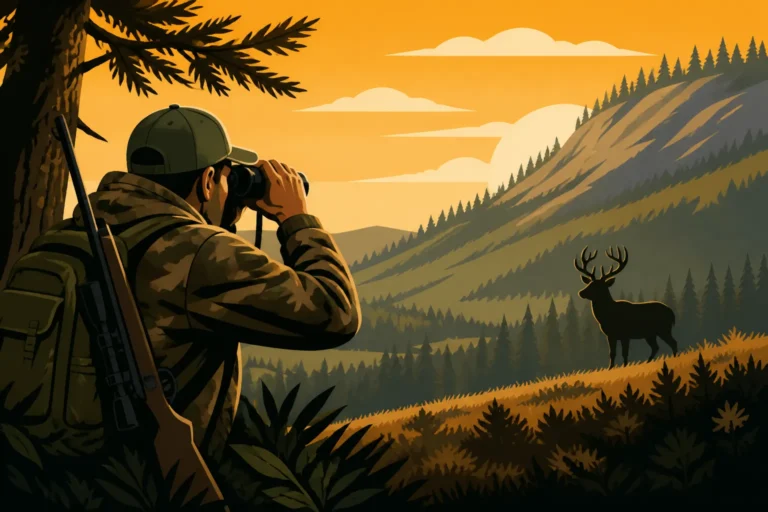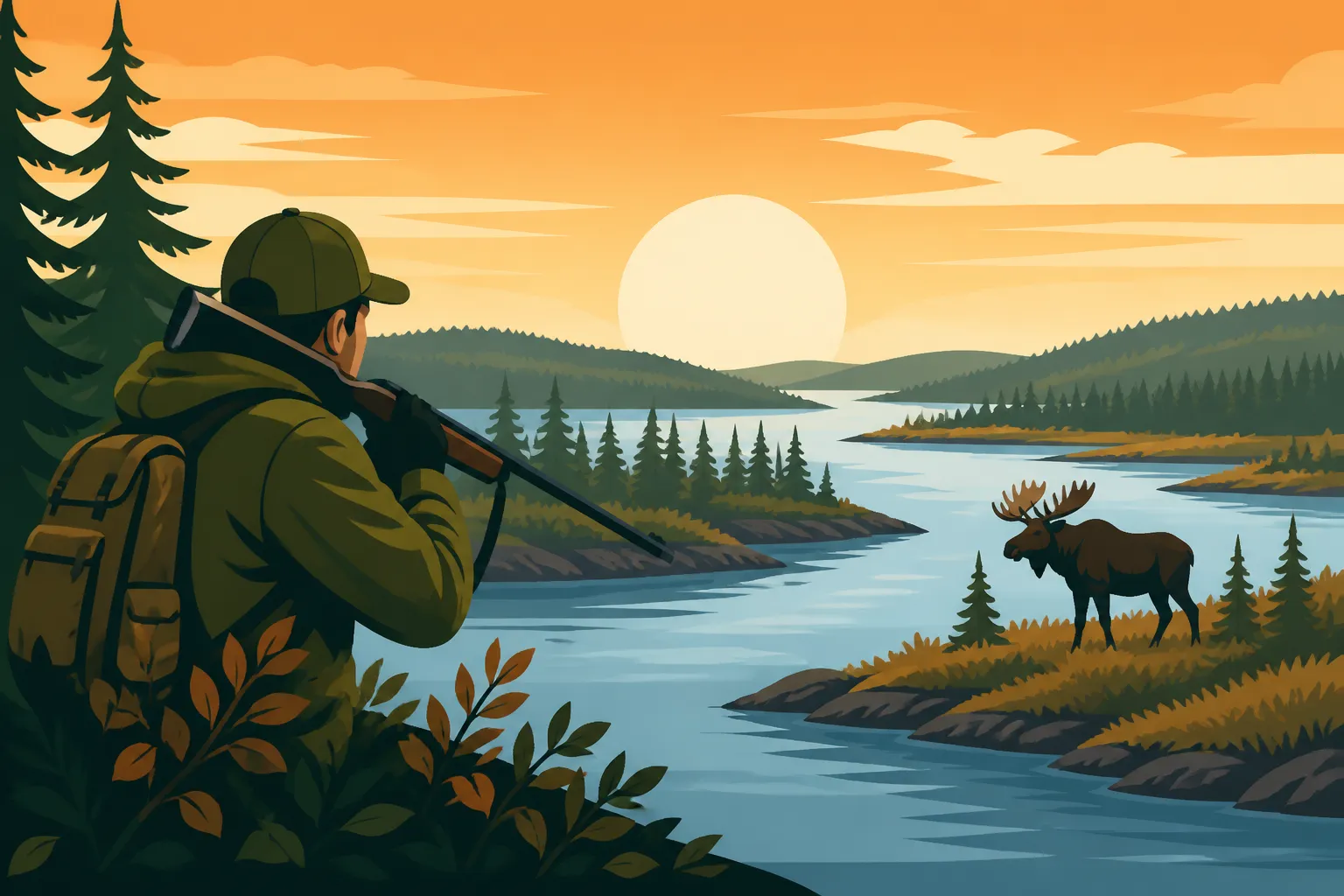
Hunting the Manigotagan River Country
Many hunters find themselves yearning for an adventure that truly feels off the beaten path, a place where the landscape itself challenges and rewards in equal measure. The Manigotagan River Country in Manitoba embodies this spirit, a vast and rugged wilderness that promises an unforgettable hunting experience. This guide will walk you through the unique character of this region, helping you understand the terrain, the game, and the preparations needed to successfully hunt its wild heart.
Understanding the Manigotagan River Country: A Wilderness Overview
The Manigotagan River isn't just a waterway; it's the lifeline and the very essence of a vast, untamed hunting area in Manitoba's Eastern Shield. This isn't your typical farmland edge or parkland bluff hunting. This is deep woods, rock, and water, demanding a different kind of preparation and a truly adventurous spirit.
The Landscape and Its Unique Challenges
Imagine rolling hills carved from ancient granite, clad in dense boreal forest. That's the Manigotagan River Country. It's a land of a thousand lakes, interconnected by rivers, streams, and muskeg. The terrain is a true Canadian Shield mix: exposed rock faces, thick stands of black spruce, jack pine, and balsam fir, interspersed with patches of aspen and birch along the water systems. Navigating here isn't about following straight lines; it's about moving with the contours of the land, often requiring you to crisscross through dense underbrush, over rocky outcrops, and around wetlands. The sheer volume of water—from narrow creeks to expansive lakes—dictates travel and often funnels game. The ground underfoot can range from solid rock to spongy moss and bog, sometimes changing within a few feet. It's beautiful, but it can be exhausting, and it requires a keen sense of direction and reliable navigation tools. If you're used to more open country, the density of the bush here will be a shock, and it certainly plays a role in how you approach your hunt. This is truly Hunting Manitoba's Eastern Shield Country, where the bush feels endless and the silence is profound.
The weather adds another layer to the challenge. While any hunting in Manitoba can be subject to dramatic temperature swings, the Manigotagan, being farther north and deep in the bush, can feel even more isolated from quick weather changes. A warm, sunny day can give way to cold, damp conditions rapidly, especially near the large bodies of water. The myriad water bodies also mean insects can be a significant factor during warmer months, from black flies in spring to persistent mosquitoes in summer and early fall. Proper clothing, insect repellents, and even head nets are not optional luxuries here; they're necessities for comfort and concentration. You'll quickly learn that every piece of gear you bring needs to justify its weight and serve multiple purposes.
Key Game Species Calling the Manigotagan Home
When you venture into the Manigotagan, you're stepping into prime habitat for some of Manitoba's most iconic big game. The dense cover, abundant water, and diverse vegetation create ideal conditions for species that thrive in the boreal forest.
The undisputed king of this country is the moose. The Manigotagan's numerous lakes, rivers, and wetlands provide exactly what moose need: water for feeding on aquatic vegetation, thick cover for bedding, and isolation from human pressure. Hunting moose here is a truly immersive experience, often involving calling tactics around beaver ponds or slow-moving river bends. These are not easily spotted animals in this dense bush, making sign reading and understanding their movement patterns crucial. Expect to work hard for a bull here, but the reward of hearing a deep grunt echo through the vast forest is unparalleled. Understanding Moose Across Manitoba's Boreal Forest is key to success in this region.
Black bears are also plentiful. The Manigotagan offers an incredible bounty of natural food sources: berries, nuts, insects, and ungulate calves in the spring. Spring bear hunting can be incredibly rewarding here, often utilizing bait sites set deep in the bush, though some hunters prefer spot-and-stalk around known food sources in the fall. You'll encounter bears that are truly wild, often less accustomed to human presence than those in more populated areas. It's a prime destination for those looking for a challenging Black Bears Across Manitoba's Bush Country experience. Beyond these giants, the region also supports healthy populations of wolves, which follow the moose and deer herds, and offers excellent opportunities for upland birds like ruffed grouse along old logging trails and natural clearings. Don't be surprised if you stumble upon other furbearers like lynx, marten, or beaver, adding to the wild tapestry of the Manigotagan.
Navigating and Accessing the Manigotagan River System
Getting into and around the Manigotagan River Country is often the first, and sometimes the biggest, challenge. It's not a place you simply drive up to; it demands planning and often a significant physical effort.
Road Access and the Limitations of the Grid
Unlike the grid roads of Manitoba's agricultural belt, road access into the Manigotagan River Country is generally limited. You'll find a main artery, like Provincial Road 304, which provides the primary vehicular access to the region. From this main road, a network of gravel and dirt resource roads, often logging roads, branch off into the bush. These secondary roads can vary wildly in condition; some are well-maintained, others are seasonal, becoming impassable with heavy rain or snow, or simply ending abruptly. You might need a robust 4×4, good tires, and even a winch if you plan to explore deep into these routes. It's common to drive for miles, only to find the road overgrown or washed out, forcing you to backtrack. This is where tools like onX Hunt become invaluable. By using satellite imagery and layering different maps, you can often scout potential access points and road conditions from home, saving you hours of frustration in the field. These apps can help you distinguish between active logging routes and abandoned tracks, and crucially, identify Manitoba's Manitoba's Crown Land Access versus private parcels, which can be critical for planning your hunt. Always be aware of Vehicle Rules on Manitoba Crown Land before heading out.
The reality is that many of the most productive hunting spots are far removed from any drivable road. You might be able to get your truck to a certain point, but from there, it often becomes a foot, ATV, or water-based expedition. Always ensure you have a recovery plan, whether that's extra fuel, a spare tire, or another vehicle. Getting stuck deep in the Manigotagan can quickly turn a hunting trip into a survival situation. Many an adventure begins at the end of a winding track, where the true wilderness begins and you leave the sounds of engines behind. Hunters will often drive until the roads become impassable, then transition to foot or ATV. Understanding these limitations is the first step in planning a successful trip.
Water-Based Ingress: Canoes, Boats, and Portages
The Manigotagan River itself, along with its extensive network of lakes and feeder streams, forms the true highway of this region. For many hunters, accessing prime spots means leaving the vehicle behind and embracing water travel. Canoeing is perhaps the most iconic way to explore this country, allowing silent passage through pristine waters and access to areas unreachable by road. You can paddle for miles, setting up remote camps on isolated islands or shoreline points, offering unparalleled solitude and opportunities to find undisturbed game. Small, light boats with outboard motors can also be utilized on larger lakes, but be mindful of portages that may be required to move between water bodies.
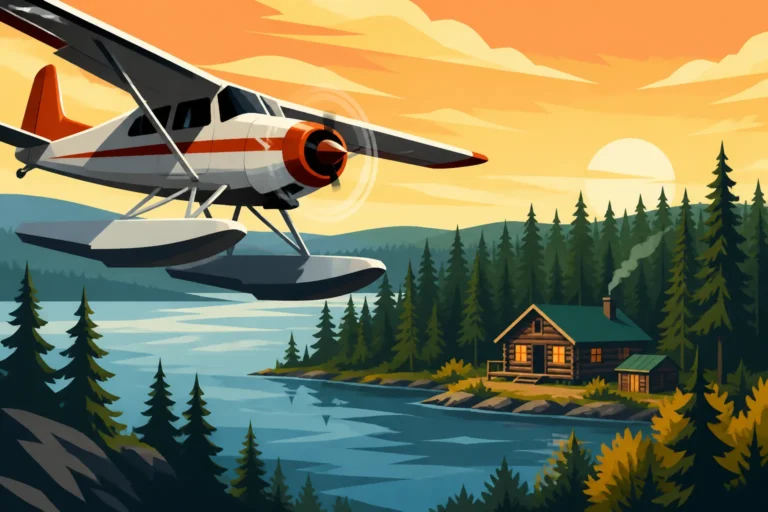
Portaging, the act of carrying your canoe, gear, and possibly even an outboard motor overland between lakes or around rapids, is an integral part of hunting in the Manigotagan. It's physically demanding, especially with hunting gear and provisions for a multi-day trip. However, these efforts often lead to incredible rewards—unpressured hunting grounds and breathtaking scenery. For those seeking truly remote areas, float planes offer another option. Flying into a secluded lake can put you deep into the heart of the wilderness in minutes, providing access that would take days by ground and paddle. This is often the realm of guided hunts or highly experienced groups. Whether you're paddling down the river or scouting a Hunting an Old Logging Road in the North, the combination of land and water navigation makes the Manigotagan unique. If you're considering a float plane, understanding the logistics of Flying Into a Remote Manitoba Camp is essential, as weight limits and scheduling can be critical.
Hunting Strategies for This Rugged Terrain
Hunting in the Manigotagan demands specific strategies, tailored to the dense bush, the prevalence of water, and the behaviour of the game species that call it home.
Moose and Bear Tactics in the Boreal Bush
For moose hunters in the Manigotagan, patience and sound calling skills are paramount. The dense forest limits visibility, meaning you're often hunting by ear as much as by sight. Focus your efforts around water sources: beaver ponds, slow-moving river sections, and the edges of lakes are prime feeding areas where moose come to browse on aquatic vegetation. During the rut, bull moose can be enticed by cow calls and bull grunts. Setting up in a strategic location near a known travel corridor or feeding area and calling can bring a bull in, but be prepared for them to approach cautiously and often silently through the thick cover. Hunting a fresh cutline or a burned-over area can also be productive, as these zones often provide new growth that moose prefer to browse. Calling a Bull Moose in the Rut is an art form, and mastering it in this environment can be incredibly rewarding.
Black bear hunting in the Manigotagan offers exciting opportunities. For spring hunts, baiting is a common and effective strategy, drawing bears into a predictable location. Setting up bait sites well in advance, monitoring them, and placing stands for clear shots are crucial. During the fall, bears will be actively feeding on berries and other mast crops, making spot-and-stalk or still-hunting around these food sources a viable option. Look for natural clearings or older burn sites where berries might be abundant. The key is to understand their feeding patterns and movements between food sources and bedding areas in the dense bush. For those interested in Baiting Black Bear in Manitoba, research specific regulations and timing. Both moose and bear hunting in this country will involve significant effort in tracking and meat retrieval, so always consider your plan for getting your animal out before you pull the trigger.
Upland Birds and Predator Opportunities
While big game often takes center stage, the Manigotagan River Country offers fantastic opportunities for upland birds and predators. Ruffed grouse thrive in the diverse boreal habitat, particularly along the edges of old logging roads, natural clearings, and areas with mixed deciduous and coniferous growth. Walking these trails or still-hunting through aspen and birch stands with a shotgun can yield excellent results. Their explosive flush makes for exciting hunting, and they make for delicious camp meat. Ruffed Grouse Hunting Manitoba's Bush Trails is a classic northern pursuit, and the Manigotagan offers plenty of prime habitat.
Wolves are the apex predators of this wilderness, and while challenging to hunt, they are present throughout the Manigotagan, following the movements of moose and deer. Incidental encounters are always possible, but targeting them often involves calling, especially in winter. Understanding wolf vocalizations and patterns can be key. For those with a specific interest in Hunting Wolves in Manitoba's North, the Manigotagan provides a truly wild backdrop. Additionally, coyotes can be found on the fringes of more open areas or along the more accessible roads, offering year-round predator hunting opportunities. Remember that predator hunting adds another layer of excitement and requires a different set of skills, often focused on stealth and sound.
| Game Species | Preferred Manigotagan Habitat | Key Hunting Tip |
|---|---|---|
| Moose | Beaver ponds, river bends, muskeg edges, thick boreal cover | Focus on calling near water sources, especially during the rut. Patience is crucial. |
| Black Bear | Berry patches, dense forest, natural clearings, areas with new growth | Use baiting for spring hunts (if permitted) or scout for fall food sources. |
| Wolf | Wherever moose and deer are, remote bush, old cutlines | Learn vocalizations for calling; look for tracks in snow or soft ground. |
| Ruffed Grouse | Old logging roads, mixed forest edges, creek bottoms | Walk quietly along trails, listen for drumming, be ready for explosive flushes. |
Essential Gear and Mindset for Manigotagan Hunts
A successful and safe hunt in the Manigotagan River Country isn't just about knowing where to go; it's about being prepared for the environment and approaching it with the right mindset.
Packing Smart for Multi-Day Wilderness Trips
When you're venturing deep into the Manigotagan, every item in your pack matters. Weight and durability are paramount. Your clothing system needs to be layered, allowing you to adapt to Manitoba's notoriously unpredictable weather, from chilly mornings to warm afternoons, and potentially cold, wet conditions. Wool or synthetic base layers are critical for warmth and moisture wicking, and a good waterproof/windproof outer shell is non-negotiable. Sturdy, waterproof boots with good ankle support are essential for navigating rocky, uneven, and often wet terrain.
Navigation tools are absolute must-haves. A reliable GPS unit with extra batteries, combined with physical maps and a compass, provides redundancy. I highly recommend a modern hunting app like onX Hunt, where you can download offline maps of your hunting area before you lose cell service, allowing you to mark waypoints, track your movement, and identify Crown Land boundaries even without a signal. Communication is another critical concern; cell service is spotty to non-existent in much of this country. A satellite communication device (like a Garmin inReach or Zoleo) for emergency messaging and check-ins is a wise investment. Don't forget water purification methods, a robust first-aid kit, fire-starting supplies, and enough food for your planned trip plus a few extra days, just in case. Understanding what to bring is as important as knowing What to Do If You Get Stuck in the Bush. A minimalist approach that still covers all potential needs is the goal.
Respecting the Wilderness and Prioritizing Safety
Hunting the Manigotagan is an incredible privilege, and it comes with a deep responsibility to the land and to your own safety. Bear awareness and safety are critical. Carry bear spray and know how to use it. Store food properly to avoid attracting animals to your camp. When you're in truly remote country, self-sufficiency is key. Help can be hours, or even days, away. This means knowing basic first aid, being able to make a fire in any conditions, and having the skills to navigate if your electronics fail. Always tell someone your detailed itinerary and expected return time.
Practice Leave No Trace principles: pack out everything you pack in, minimize your impact on the environment, and leave the area as pristine as you found it. The Manigotagan is a wild place, and we want to keep it that way for generations to come. Be prepared for any contingency, from a sudden cold snap to an unexpected injury. Knowledge of basic survival skills, the ability to build a shelter, and knowing how to signal for help are vital. While the focus is often on the hunt itself, your ability to handle adverse conditions will define the success and safety of your Manigotagan adventure. Proper Meat Care in Manitoba's Cold Snaps is also vital to avoid spoilage in this environment.
Disclaimer
This article is for general informational purposes only and does not constitute professional advice. Laws, prices and regulations vary by location and change over time. Consult a qualified professional for guidance on your specific situation.