How Shield Country Changes Game Density
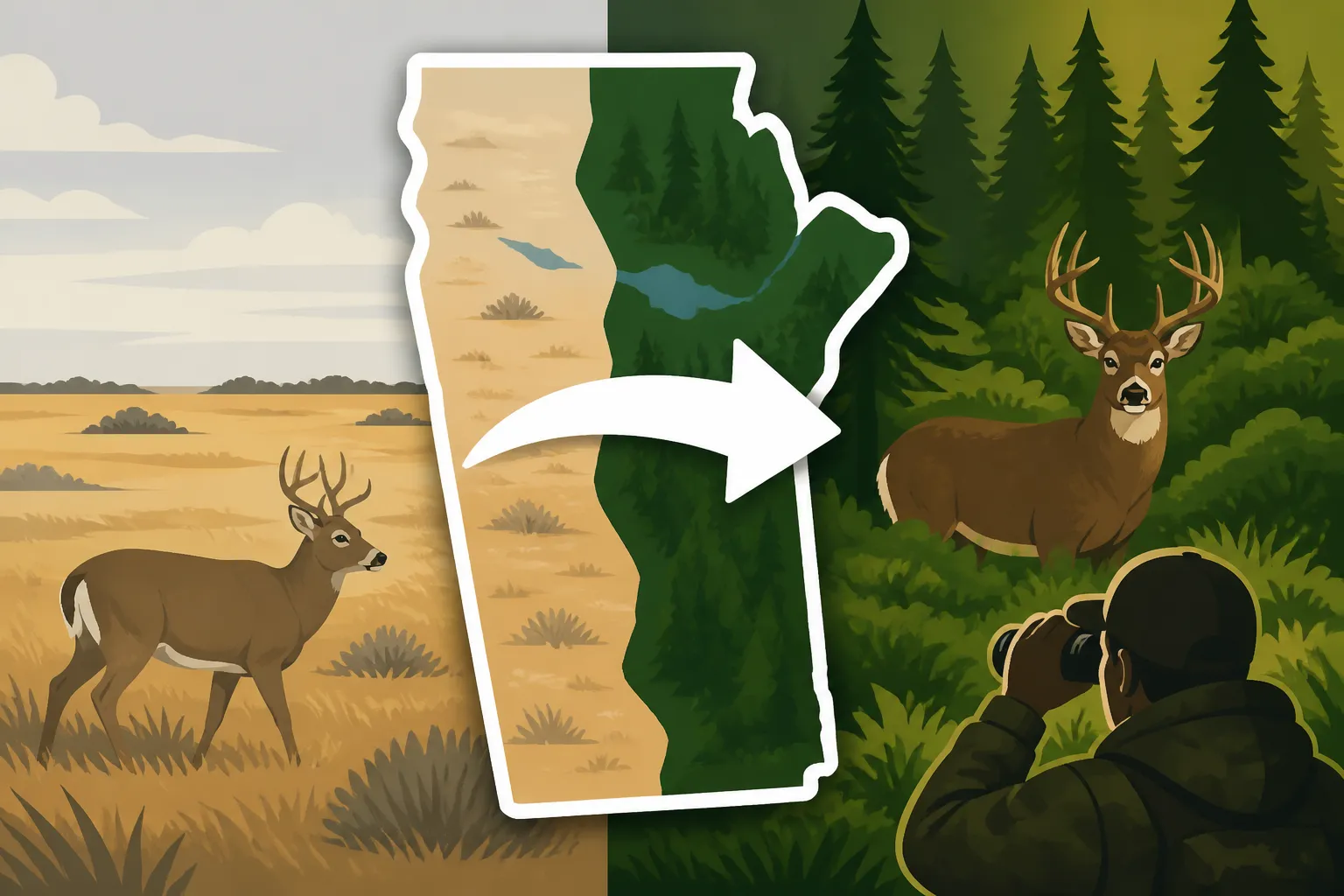
Many hunters coming to Manitoba, or even local folks who haven't ventured far from the farmlands, often picture endless fields or dense parkland bush. But head east or far north, and you'll encounter Manitoba's Canadian Shield country—a vast, rugged, and strikingly different landscape that radically alters where you'll find game. This guide will help you understand how this unique terrain influences game density and what that means for your hunting approach, ensuring you're not caught off guard by the distinct challenges and opportunities it presents.
The Unique Environment of Manitoba's Canadian Shield
The Canadian Shield in Manitoba is a world unto itself, a geological masterpiece forged by ancient forces and sculpted by glaciers. It's a stark contrast to the fertile prairies and rolling parklands that define much of the province. Understanding this fundamental difference is crucial for any hunter hoping to find success here, as the very ground beneath your boots dictates what game can survive, let alone thrive.
Geology and Topography
Imagine a landscape primarily composed of ancient, exposed granite and other metamorphic rocks. That's the Canadian Shield. This bedrock is often visible, rising in dramatic, worn outcrops and ridges that define the horizon. The soil cover is typically thin, scraped away by millennia of glacial activity, leaving behind a mosaic of rock, peat, and pockets of more hospitable earth. This creates an undulating, rugged topography of rolling hills, abrupt cliffs, and countless depressions that fill with water. It's a truly unforgiving landscape for anything that requires deep, rich soil, which means agricultural activity is virtually non-existent, leaving vast tracts of undisturbed wilderness.
These geological features create natural barriers and corridors that profoundly influence game movement. Instead of long, sweeping fields, you'll find animals navigating around rock faces, crossing narrow, boggy lowlands, and often sticking to the edges of vast water bodies. For a hunter, this means your scouting needs to adapt; you're not looking for fence lines or field edges in the traditional sense, but rather natural funnels created by rock formations and water. Hunting a Shield Country Rock Ridge can be incredibly productive, as these natural high points offer visibility and travel routes.
The sheer ruggedness often means travel is difficult. Forget straight grid roads; roads that do exist often wind and climb, following natural contours. This means that vast areas remain truly wild, accessible only by foot, ATV, boat, or even float plane, which significantly impacts hunting pressure and game behaviour. Hunters who are willing to put in the effort to penetrate these remote areas often find incredible rewards, far from the crowds.
Vegetation and Forest Types
Because of the thin, acidic soil and harsh winters, the Canadian Shield is predominantly characterized by coniferous forests. Think towering black spruce, jack pine, and balsam fir, often interspersed with pockets of trembling aspen and white birch, especially in transitional areas or after disturbances like wildfires. These forest types create a different kind of cover and food source than what you'd find in the prairie or parkland zones.
Beneath the dense canopy, you'll often find a thick layer of moss, lichen, and various low-lying shrubs. While not as diverse in palatable browse as the aspen parkland, these areas provide crucial sustenance for species adapted to them. For caribou, for instance, the abundance of lichen is a lifeblood. For moose, young regenerating conifers and the wetland vegetation found in bogs and muskegs are key. Hunting a Boreal Muskeg Edge can be surprisingly effective for moose and bear, as these areas provide crucial cover and food sources.
The mix of forest types is also important. While much of the Shield is evergreen, areas where fire has swept through, or where logging has occurred (though less common than in other parts of Manitoba), will regenerate with dense young deciduous growth. These "burns" or cut-blocks can become absolute magnets for browsing animals like moose, offering a temporary abundance of palatable plants before the conifers reclaim the landscape. Understanding these successional changes is a vital part of finding game in the Shield.
Water Systems and Access
Perhaps the most defining characteristic of Manitoba's Shield Country is its incredible abundance of water. Thousands upon thousands of lakes, from small, unnamed ponds to massive, interconnected systems, along with an intricate web of rivers, streams, and wetlands, dominate the landscape. This isn't just a scenic feature; it's a fundamental element shaping wildlife.
These vast water systems create natural highways and barriers for game. Animals frequently use lake shores, river banks, and frozen waterways as travel corridors, especially during migration or when moving between feeding and bedding areas. Islands within lakes can also become crucial refuges or feeding grounds, particularly for bears. For hunters, this means boat access becomes paramount in many areas, allowing you to reach spots that are simply inaccessible by road.
Limited road infrastructure further emphasizes the role of water in access. Many of the most pristine and game-rich areas are truly fly-in or boat-in destinations. This isolation, while challenging for planning and logistics, significantly reduces human pressure on wildlife, often leading to more robust game populations and less wary animals. It also means that a hunter needs to be far more self-sufficient and proficient in wilderness travel and navigation, as help can be a long way off.
How Big Game Adapt to Shield Country
The rugged, water-rich, and primarily coniferous environment of the Canadian Shield isn't for every big game animal. However, those species that have adapted to its unique conditions often thrive, showcasing remarkable resilience and making Shield Country a prime destination for specific hunts.
Moose: Kings of the Boreal Shield
If any animal embodies the spirit of the Canadian Shield in Manitoba, it's the moose. These majestic giants are perfectly suited for this landscape, and consequently, you'll find some of the healthiest and most robust moose populations in the province here. The Shield provides everything a moose needs: abundant aquatic vegetation from the countless lakes and wetlands, a steady supply of browse from young deciduous growth (often found along edges, or in regenerating burns), and the dense cover of coniferous forests for security and thermal regulation.
Moose often frequent the edges of lakes, rivers, and beaver ponds, where they can feed on submerged plants and find respite from insects. Hunting Moose Around Manitoba Beaver Ponds can be incredibly productive, as these areas concentrate activity. The rugged topography also offers them natural escape routes from predators and hunters, allowing them to retreat into dense cover or across challenging terrain. The vastness and isolation mean that moose can roam large areas without consistent human disturbance, leading to larger, older bulls. What a Big Bull Moose Weighs Here often surprises hunters unfamiliar with the sheer size of northern animals.
Hunting moose in the Shield often involves a combination of calling, still-hunting along water bodies, and targeting areas of recent regeneration. Their preference for solitude and dense cover means that patience and persistence are key. The rewards, however, can be substantial, both in the trophy quality and the profound wilderness experience.
Black Bear: Abundant and Widespread
Black bears are another species that absolutely flourish in Manitoba's Shield Country. The diverse habitat, despite its ruggedness, provides a year-round larder for these omnivores. From the first green shoots of spring to the abundance of berries (blueberries, saskatoons, cranberries) in late summer and fall, and the endless supply of ants, grubs, and carrion, the Shield has it all. The dense forest cover and rocky terrain also offer countless denning sites and security cover.
Bear densities in the Shield can be quite high, and their widespread distribution means they are a common sight for those who spend time in the bush. Hunters often find excellent opportunities for both spring and fall bear hunts, whether over bait or by spot-and-stalk in more open areas like recent burns. The remoteness of many Shield areas means bears often grow large and undisturbed.
An interesting aspect of Manitoba's bear population in the Shield is the prevalence of colour phase bears. While black is common, you'll frequently encounter bears with coats ranging from cinnamon to chocolate to blond. Colour Phase Black Bears in Manitoba are a real treat for hunters looking for a unique trophy, and the Shield is one of the best places to find them. Their adaptability and the richness of the Shield's larder make them a truly integral part of this ecosystem.
Whitetail Deer: Niche Dwellers
Compared to the booming whitetail populations of Manitoba's parkland and agricultural zones, deer density in the pure Canadian Shield is significantly lower. Whitetails generally prefer more open, browse-rich habitats with milder winters. The deep snow, abundant predators, and limited food diversity of the Shield's coniferous forests typically keep their numbers in check. However, they aren't entirely absent.
You'll find whitetail deer in specific niche areas within the Shield. These are primarily transitional zones where the Shield borders the parkland, along major river valleys that cut through the Shield (offering richer soils and more deciduous growth), or in areas where past disturbances like fire or logging have created pockets of dense, regenerating browse. These areas provide better food, more diverse cover, and often, more sheltered conditions from deep snow. Hunting a Manitoba River Valley can be a surprising opportunity for whitetails within the Shield.
For a whitetail hunter, this means you need to be highly strategic. Don't expect to walk through any patch of bush and find deer. Instead, focus your efforts on these specific, more hospitable micro-habitats. Look for edges where different forest types meet, areas with significant deciduous growth, or patches of cover near agricultural fringes if they exist. Success here requires meticulous scouting and a deep understanding of whitetail survival needs in a less-than-ideal environment.
Barren-Ground Caribou: Northern Migrators
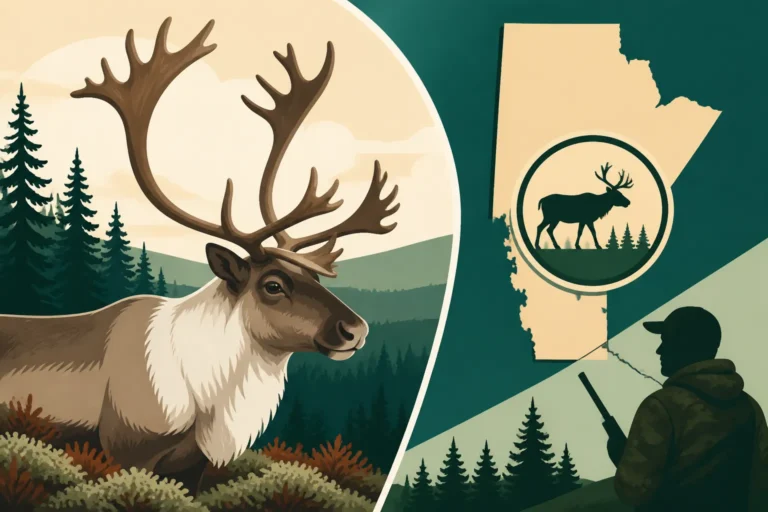
While not found throughout the entire Manitoba Shield, the far northern reaches of this ancient landscape become crucial habitat for Barren-Ground Caribou. These animals are true wilderness wanderers, undertaking vast migrations that can bring them into Manitoba's northernmost Shield territories during certain times of the year, particularly late fall and winter.
The caribou's presence is dictated by their reliance on vast, open lichen-rich tundras and transitional forest zones. The northern Shield offers these conditions, with its stunted spruce, vast open expanses, and an abundance of ground lichen, which is their primary winter food source. Their movements are often unpredictable, driven by weather, snow conditions, and predator pressure, making them a challenging but immensely rewarding hunt. Barren-Ground Caribou Hunting in Northern Manitoba is a bucket-list experience, and it's intrinsically tied to the remote, wild nature of the northern Shield.
Hunters pursuing caribou here are truly venturing into a primeval landscape, often requiring fly-in access to remote camps. The low population density of humans and the immense scale of the landscape mean that hunting caribou is about endurance, patience, and adapting to the raw forces of nature. Their very presence underscores the wild, untamed essence of the northern Shield.
Small Game, Upland Birds, and Predators
The Canadian Shield isn't just about the big guys; it's a vibrant ecosystem teeming with smaller game, a variety of upland birds, and a healthy population of predators that keep the natural balance in check. These species are just as influenced by the Shield's unique characteristics as their larger counterparts.
Grouse Species: Forest Floor Foragers
For the upland bird hunter, Manitoba's Shield Country is synonymous with grouse. Specifically, you'll find healthy populations of Ruffed Grouse and Spruce Grouse, both perfectly adapted to the varied forest environments. Ruffed Grouse prefer areas of mixed deciduous and coniferous growth, often along forest edges, old logging roads, and creek bottoms where young aspen and birch provide crucial browse and cover. Their characteristic drumming is a common sound in the fall woods. Ruffed Grouse Hunting Manitoba's Bush Trails is a classic Shield experience, where a walk through the woods can yield several flushes.
Spruce Grouse, on the other hand, are the true conifers specialists. They thrive in dense black spruce and jack pine stands, often in muskeg areas or drier pine ridges. These birds are notoriously tame, often earning them the nickname "fool hens," and blend seamlessly into their surroundings. While not as explosive as a ruffed grouse, finding them means you're deep in prime coniferous habitat. Both species provide excellent table fare and a rewarding challenge for the foot hunter.
The health of these grouse populations is directly tied to forest health and succession. Areas with a mosaic of mature forest, young regenerating stands, and wetland edges will hold the highest densities, providing a year-round food supply and escape cover.
Snowshoe Hare: Cycle of Life
The snowshoe hare is a critical component of the Shield's food web. These prolific herbivores thrive in dense young forest stands, particularly those dominated by spruce and pine, where they find abundant cover from predators and plenty of woody browse. Their famous population cycles, which typically peak every 8-10 years, have a profound impact on the entire ecosystem, dictating the availability of prey for many predators.
When hare numbers are high, it's not uncommon to see them everywhere you walk. Their tracks crisscross the snow in winter, and they become a primary food source for everything from lynx and fox to owls and wolves. When their populations crash, predators also suffer, demonstrating the delicate balance of the Shield ecosystem. Hunters can find plenty of opportunity for snowshoe hare, especially during peak cycle years, offering a fun and accessible hunt that teaches you a lot about the bush.
Their presence and cyclical nature are direct indicators of forest health and structure. Dense, young coniferous stands provide the optimal blend of food and escape cover, making them a prime target area for any hunter interested in the broader dynamics of the Shield's wildlife.
Wolves and Lynx: Apex Predators
The vast, undisturbed wilderness of Manitoba's Canadian Shield provides ideal habitat for top predators like wolves and lynx. Unlike more settled areas, the Shield offers the immense spaces and ample prey base that these animals require to thrive. Their presence is a strong indicator of a healthy, functioning ecosystem, where natural processes still largely dictate wildlife dynamics.
Wolf packs roam the Shield, preying primarily on moose and deer (where available), as well as snowshoe hare during their population peaks. Seeing wolf tracks or hearing a distant howl is a truly primal experience, reminding you that you are in true wilderness. Wolves in Manitoba's North play a vital role in maintaining the health of ungulate populations, selectively culling the weak and old.
Lynx, with their silent tread and keen senses, are inextricably linked to the snowshoe hare cycle. When hare numbers are high, lynx populations boom. As hare numbers decline, so too do the lynx. These elusive cats are perfectly adapted to hunting in dense coniferous forests, relying on stealth and surprise. While rarely seen, their tracks are a testament to their presence. Hunting either wolves or lynx in the Shield is a challenging endeavor, often requiring extensive knowledge of their movements and habits.
Adapting Your Hunt to Shield Country
Hunting in Manitoba's Canadian Shield requires a different mindset and approach than hunting in other parts of the province. The terrain, remoteness, and game behavior demand specific strategies and a commitment to preparation.
Understanding Access and Travel
The most immediate challenge of Shield Country is often access. Many of the best hunting grounds are not reachable by conventional roads. This means you need to be prepared for alternative modes of transport. Float planes are a common choice for reaching remote lakes and rivers, dropping you off deep in pristine wilderness. Manitoba Fly-In Camps and Float Planes offer unparalleled access to areas untouched by road hunters.
Boats, canoes, and kayaks become essential tools for navigating the intricate water systems, allowing you to cover ground (or water, rather) that would be impossible on foot. For land-based travel, ATVs and side-by-sides are often critical for traversing rough trails and reaching hunting spots off the main access points, though rules on Crown Land must always be followed. And, of course, your own two feet will be your primary mode of transport once you're in the hunting area. This demands physical fitness and robust, reliable gear.
It's crucial to understand that "getting stuck" in Shield Country means a significant problem. Cell service is often non-existent. You need to be self-sufficient, carry emergency communication devices, and know how to navigate without reliance on technology. This isn't just a hunt; it's a true wilderness expedition, and preparing for it properly is paramount.
Scouting and Strategy
Effective scouting in the Shield takes on a whole new dimension. Forget driving gravel roads and glassing fields; here, you're looking at vast expanses of timber, water, and rock. Satellite imagery and mapping tools, like those provided by GoHunt, become invaluable. You can meticulously study topography, identify potential pinch points, locate areas of regenerating forest, and plan your approach before ever setting foot on the ground. Scouting With Satellite Imagery in Manitoba is a game-changer here, allowing you to pick out subtle details that could indicate game activity.
Once on the ground, traditional sign reading is still vital, but you'll be looking for different cues. Tracks along muddy lake shores, rubs on stunted pines, scat on rock outcrops, or beds in dense spruce thickets all tell a story. Focus on areas where food sources (berry patches, browse, aquatic vegetation) are concentrated, and consider how game will travel between these feeding areas and their bedding cover. Water crossings, narrow land bridges between lakes, and distinct changes in vegetation type are all prime locations for setting up.
The sheer scale of the Shield also means patience is a virtue. You might not see dozens of animals, but the ones you encounter are often less pressured and more likely to respond to calls or stick to their natural routines. Still-hunting through dense cover, listening intently, and covering ground slowly and deliberately are often more effective than static stand hunting, though blinds can be used effectively near active sites.
Gear and Preparation for the Rugged Environment
Given the challenges of Shield Country, your gear and preparation need to be top-notch. This isn't the place to skimp on quality or reliability. Your boots, for instance, need to be exceptionally sturdy, waterproof, and comfortable enough for long days of hiking over uneven, rocky, and often wet terrain. Layered clothing suitable for extreme temperature swings is a must, as conditions can change rapidly. Winter Truck Kit for a Manitoba Hunt should also include emergency shelter, fire-starting materials, and extra food, even for shorter day trips.
Navigation tools are non-negotiable. While GPS units are standard, a reliable compass and paper map (and the knowledge to use them) serve as essential backups, especially where electronic devices might fail due to cold or lack of signal. A quality headlamp, first-aid kit, and a means of water purification are also critical items to always have on hand.
Finally, mental preparation is just as important as physical gear. Embrace the challenge, understand the inherent risks of wilderness hunting, and cultivate a spirit of self-reliance. Hunting in Manitoba's Shield Country is an experience unlike any other, offering profound connections to nature and unforgettable memories for those willing to venture into its wild heart.
| Game Species | Shield Country Presence | Parkland Region Presence | Farmland Region Presence |
|---|---|---|---|
| Whitetail Deer | Lower density, localized to transitional areas, river valleys | High density, consistent populations, large body size | High density, localized to bush pockets, shelterbelts, river breaks |
| Moose | High density, primary habitat, especially in remote areas | Moderate density, localized to larger bush blocks, river bottoms | Very low density, rare, usually transients from larger blocks |
| Black Bear | High density, widespread, diverse food sources | Moderate to high density, often tied to major bush areas | Moderate density, found in larger treed areas, river corridors |
| Ruffed Grouse | High density, common in mixed forests | Moderate density, found in poplar bluffs and mixed woods | Low density, mainly along river banks and shelterbelts |
| Spruce Grouse | High density, exclusively in coniferous forests | Very low/absent | Absent |
| Barren-Ground Caribou | Northern Shield only, migratory | Absent | Absent |
| Coyotes | Moderate density, often follow big game | High density, widespread, opportunistic | High density, widespread, thrive near human activity |
| Wolves | Moderate to high density, widespread in remote wilderness | Low density, localized to large protected areas or deep bush | Very low/absent |
Disclaimer
This article is for general informational purposes only and does not constitute professional advice. Laws, prices and regulations vary by location and change over time. Consult a qualified professional for guidance on your specific situation.