Wolves in Manitoba’s North
The vast, wild expanses of Northern Manitoba can feel daunting, a true wilderness where the elements reign supreme and the silence is only broken by the calls of its most enduring inhabitants. For many, the idea of encountering or even hunting wolves in this rugged landscape can be intimidating, fraught with unknowns about their elusive nature, their habits, and the sheer challenge they present. This guide aims to demystify the wolf in Manitoba's North, providing a comprehensive look at these incredible predators, their role in the ecosystem, and how ethical hunters can pursue them.
Understanding Northern Manitoba's Wolf Populations
Manitoba's northern regions, particularly the dense boreal forest and the transition zones leading into the tundra, are prime habitat for healthy wolf populations. These aren't your typical park wolves; these are true wilderness animals, shaped by vast territories, extreme weather, and the constant pursuit of large prey. Their existence is a testament to the wildness of this part of the province, and understanding their numbers, distribution, and social structures is key to appreciating their presence.
Where Wolves Roam in the Northern Wilderness
Wolves are incredibly adaptable, but in Northern Manitoba, they tend to concentrate in areas with abundant prey and sufficient cover. This means vast tracts of the boreal forest, particularly those interspersed with lakes, rivers, and old growth, are prime wolf country. You'll find them ranging from the northern edges of Lake Winnipeg, stretching through the Interlake region into the deeper wilderness around communities like The Pas, Thompson, and beyond into the remote reaches towards Hudson Bay. Their territories can be massive, often covering hundreds, if not thousands, of square kilometers, making them truly elusive. They often follow the movements of their primary food sources, whether that's moose, caribou, or deer, dictating their seasonal movements across the landscape. Hunters exploring areas like the Grass River Country or those venturing further north near the Nelson River Country might encounter fresh sign, or even hear the haunting calls of a distant pack.
The density of wolves varies, but generally, the further north and into more pristine wilderness you go, the healthier and more consistent the populations become. These are not areas where you trip over wolves every day; their survival depends on their ability to remain hidden and efficient hunters. Factors like human activity, logging, and infrastructure development have less impact in these remote areas compared to more southern regions, allowing wolf populations to thrive relatively undisturbed. This resilience makes them a true indicator species for the health of the entire northern ecosystem.
Social Dynamics of the Wolf Pack
Wolves are renowned for their highly organized social structure, living and hunting in family units known as packs. A typical pack in Northern Manitoba might consist of an alpha breeding pair, their offspring from previous years, and current pups. This structure is incredibly efficient for hunting large prey, defending territory, and raising young. Each member has a role, contributing to the pack's survival through hunting, pup-rearing, and territorial defense. The average size of a pack can fluctuate based on prey availability, the time of year, and the age structure of the pack, but generally ranges from 4 to 10 individuals. However, larger packs of up to 15 or more have been observed, especially in areas with abundant caribou.
These intricate social bonds are fascinating, playing out through a complex array of vocalizations, body language, and scent marking. Howling, for instance, serves multiple purposes: rallying the pack, warning rival packs, or announcing their presence. Understanding these social dynamics is critical not just for biologists, but also for hunters who seek to pursue these intelligent animals, as it helps in interpreting their behaviour and movements. A lone wolf might be a disperser looking for new territory, or an outcast from a pack, and their behaviour can be markedly different from that of a cohesive unit. This complex social life means they are constantly communicating and adapting to their environment, making them one of the most intelligent predators in the wild.
The Role of Wolves in the Boreal Ecosystem
Wolves aren't just apex predators; they are architects of the boreal forest and tundra ecosystems. Their presence is fundamental to maintaining balance, health, and biodiversity. Without wolves, prey populations can sometimes boom to unsustainable levels, leading to overgrazing and habitat degradation. They exert a top-down pressure that benefits the entire food web, influencing everything from vegetation growth to the health of other scavenger species.
Wolves as Key Regulators of Prey Populations
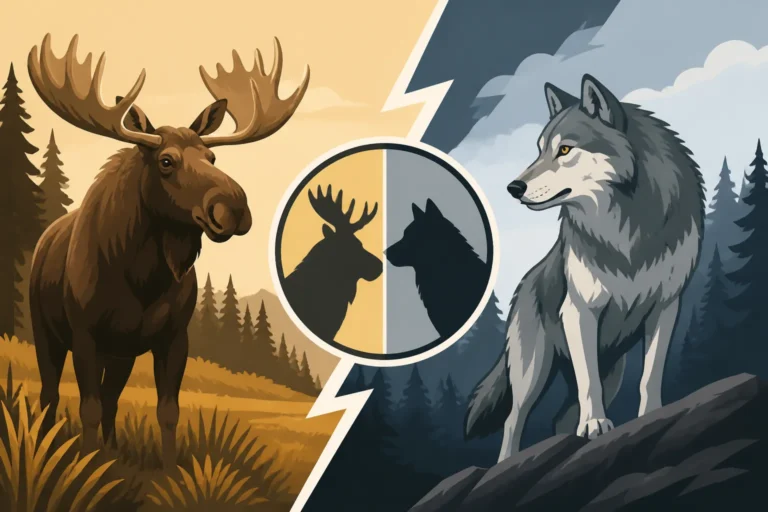
The primary role of wolves in Manitoba's northern ecosystems is to regulate prey populations, particularly large ungulates like moose, caribou, and deer. They preferentially target the old, the sick, and the weak, effectively culling the herd and preventing the spread of disease while strengthening the gene pool of the prey species. This natural selection ensures that only the fittest individuals survive to reproduce, leading to healthier and more resilient prey populations overall. For example, wolves are instrumental in managing populations of Moose Across Manitoba's Boreal Forest, preventing overpopulation in areas where natural forage might be limited.
Without wolves, prey species can experience population explosions, leading to habitat destruction as they overgraze vegetation. This, in turn, can lead to widespread starvation and a crash in prey numbers, affecting other species that rely on the same resources. By keeping ungulate numbers in check, wolves help maintain the delicate balance of the forest, allowing undergrowth to flourish and providing food and cover for smaller animals. Their predatory activities contribute to a dynamic equilibrium that benefits the entire ecosystem, ensuring a sustainable future for all wildlife.
Impact on Biodiversity and Ecosystem Health
Beyond directly regulating prey numbers, wolves indirectly enhance biodiversity. Their kills provide a crucial food source for a host of scavengers, including ravens, eagles, foxes, and wolverines, especially during the harsh northern winters. These opportunistic feeders rely heavily on wolf-killed carcasses to survive, highlighting the ripple effect wolves have throughout the food chain. This means a wolf kill isn't just sustenance for the pack; it's a banquet for the entire wild community. The presence of wolves also affects the behaviour of ungulates, making them more vigilant and mobile, which can prevent them from concentrating in one area and over-browsing, further contributing to habitat diversity.
Furthermore, wolf predation can influence plant communities. By reducing herbivore pressure, wolves indirectly allow certain plant species to recover and thrive, leading to a richer and more varied flora. This complex web of interactions demonstrates that wolves are not just hunters; they are ecological engineers, shaping the landscape and fostering a vibrant, healthy ecosystem. Their deep integration into the northern environment underscores why conserving these majestic animals is so vital for the overall health of Manitoba's wilderness.
Hunting Wolves in Manitoba's North
Hunting wolves in Northern Manitoba is a challenging but rewarding pursuit, offering a unique opportunity to engage with the wilderness at its most primal level. It demands patience, specialized knowledge, and a deep respect for the animal. Unlike hunting deer or moose, pursuing wolves often means covering vast distances in harsh conditions, relying heavily on tracking skills and an understanding of wolf behaviour.
Seasons, Licences, and Regulations
Before even thinking about heading out, understanding the specific regulations for Hunting Wolves in Manitoba's North is paramount. Wolf hunting seasons in Manitoba are generally long, often extending through the fall and winter, which aligns with when their pelts are prime and snow conditions make tracking feasible. However, these seasons can vary by Game Hunting Area (GHA), so it's critical to consult the most current Manitoba hunting guide or use resources like GoHunt to confirm exact dates for your chosen area. A valid Manitoba hunting licence is required, and often, wolves are included as part of a general big game licence, or a separate tag might be necessary depending on the GHA and specific provincial regulations. Always double-check Manitoba Hunting Licences and What They Cost to ensure you are fully compliant.
Non-residents, especially those from outside Canada, often face additional requirements, such as needing to book with a licensed outfitter. It's not just about the dates; it's also about understanding legal hunting methods, firearm restrictions, and reporting requirements. For instance, specific rules might apply to baiting or the use of electronic calls, so it is essential to be thoroughly familiar with the regulations for the specific area you plan to hunt. Misinterpreting or ignoring these rules can lead to severe penalties, so always err on the side of caution and verify all details before your hunt begins.
Effective Hunting Methods and Tactics
Hunting wolves effectively in the North typically involves a combination of long-range calling, diligent tracking, and strategic ambushing. Calling can be particularly effective during the fall and early winter when wolves are establishing territories and packs are more vocal. Electronic calls that mimic various prey animals or even other wolf howls can be incredibly successful. However, wolves are exceptionally intelligent and can become wary quickly, especially if they've been called to before. Therefore, a strategic approach, often using a combination of sounds and long periods of silence, is crucial. For those looking to refine their predator calling skills, even resources like Calling Coyotes in Manitoba Farm Country can offer transferable insights into understanding canine responses to various calls, although wolves are a different beast entirely.
Tracking becomes the dominant method once snow covers the ground. Reading sign after a fresh snow, such as tracks, scat, and territorial markings, provides invaluable information about wolf travel routes, recent kills, and denning areas. Hunting often involves covering vast distances on snowshoes or snowmobiles, following fresh tracks and setting up ambushes along known travel corridors, river breaks, or ridge lines. Patience is not just a virtue here; it's a necessity. Wolves are constantly moving, and a successful hunt often means spending days glassing vast expanses, waiting for that fleeting glimpse of a grey phantom. Many hunters also use bait stations, particularly in late winter, to draw wolves into a specific area. This requires dedication to maintaining a consistent bait site and setting up a blind downwind. This method can be especially effective during the late December season, when natural food sources might be scarcer.
| Characteristic | Description | Implications for Hunting |
|---|---|---|
| Territory Size | Can range from 250 to over 2,000 square kilometers, depending on prey density. | Requires extensive scouting and knowledge of vast wilderness areas; wolves travel widely. |
| Pack Size | Typically 4-10 individuals, but can be larger in caribou country. | Packs offer collective defense and hunting strategy; lone wolves are rarer but possible. |
| Primary Prey | Moose, caribou, deer, beaver, snowshoe hare. | Hunting near known ungulate wintering or migration routes increases chances. |
| Vocalizations | Howls, barks, whines, growls – used for communication, territorial defense. | Calling techniques can be highly effective, but must be used judiciously to avoid educating wolves. |
| Sense of Smell | Highly developed, allows detection of prey/hunters from significant distances. | Always hunt into the wind; scent control is paramount when setting up ambushes or bait sites. |
| Intelligence | Exceptionally cunning and wary, learn quickly from human encounters. | Requires varied tactics, patience, and minimizing human scent/sign. |
Tracking and Locating Northern Wolves
Finding wolves in the immense northern wilderness of Manitoba is arguably the most challenging part of the hunt. These animals are masters of stealth and evasion, utilizing the dense forests, vast open spaces, and complex terrain to their advantage. Successful tracking and locating hinge on understanding their habits, interpreting their sign, and leveraging modern tools.
Interpreting Wolf Sign in the Wild
In the northern reaches of Manitoba, fresh snow is a tracker's best friend. Wolf tracks are distinctive: typically larger than a coyote's, often appearing in a straight line (known as "direct registering" where the hind foot steps exactly into the print of the front foot), indicating efficient travel. The size of the paw print, roughly 4-5 inches long, helps differentiate them from other canids. But tracks are just the beginning. Look for scat, which often contains hair and bone fragments from their prey, indicating what they've been eating and their general health. Scratch marks on trees, often at territorial boundaries, or "scent posts" where they urinate or defecate, are clear indicators of wolf presence.
Another critical piece of sign is a kill site. Wolves often leave behind tell-tale signs of their successful hunts, such as scattered hair, bone fragments, and disturbed snow or earth. These sites are often frequented by scavengers, so observing these secondary signs can point to recent wolf activity. Pay attention to how the kill was made; wolves typically target the hindquarters or throat, and the presence of drag marks can indicate how far a struggling animal was pursued. In denser bush country, these signs can be subtle, requiring a keen eye and extensive experience to interpret correctly. Knowing Reading Sign After a Fresh Snow is an indispensable skill for any predator hunter.
Leveraging Technology and Scouting for Success
While traditional tracking skills are vital, modern technology can significantly aid in locating wolves. GPS devices with detailed topographical maps, like those available on platforms such as GoHunt, are essential for navigating the vast northern territories and marking areas of wolf activity. Satellite imagery, which you can use for Scouting With Satellite Imagery in Manitoba, can help identify potential travel corridors, pinch points, and large areas of clear-cut or burn that might concentrate prey, and therefore, wolves. These digital tools allow hunters to plan their routes, identify potential ambush sites, and understand the lay of the land before ever stepping foot in the bush.
Trail cameras, strategically placed along known game trails or near potential bait sites, can also provide invaluable intelligence, confirming wolf presence, pack size, and travel patterns. While it might seem like a lot of work, effective scouting, both virtually and on the ground, is the foundation of a successful wolf hunt. Don't underestimate the power of simply covering ground, whether by snowmobile, ATV, or on foot, to find fresh sign. The sheer scale of the North means that dedicated time spent scouting is often more productive than random wandering. Combining traditional woodsmanship with modern technology creates a powerful strategy for pursuing these intelligent predators.
Hunting Responsibly and Ethically
Hunting wolves, like any pursuit of a big game animal, comes with immense responsibility. Ethical considerations, respect for the animal, and a commitment to safe practices are paramount, especially when operating in challenging northern environments. The remote nature of these hunts means self-reliance and preparedness are not just good ideas, they are essential for safety and success.
Ensuring Ethical Harvest and Wildlife Management
Ethical hunting begins with understanding the role of the hunter in wildlife management. Wolves, as apex predators, play a critical role, and their management is often complex. Hunters contribute to this management by helping to keep populations balanced and, in some cases, by reducing depredation on livestock or other game species where populations are struggling. However, this responsibility demands that every shot taken is carefully considered, with the intent of a clean, humane kill. Shot placement is vital, and hunters should only take shots within their effective range and when conditions allow for a high-percentage hit. This often means passing on marginal shots, even after a long, arduous stalk.
It's also crucial to practice proper meat and hide care. Even if you're primarily after the hide for a trophy, the meat should be utilized whenever possible. Meat Care in Manitoba's Cold Snaps is particularly important in the North, where temperatures can fluctuate, and preventing spoilage is a challenge. Respect for the animal extends beyond the shot; it encompasses every step of the process, from field dressing to ensuring no part of the animal goes to waste unnecessarily. Always remember the broader implications of your hunt and strive to uphold the highest standards of ethical conduct.
Safety and Preparedness in the Northern Bush
The Northern Manitoba wilderness is not to be underestimated. Harsh weather, vast distances, and limited cell service mean that safety and preparedness are non-negotiable. When planning a hunt, having a comprehensive Winter Truck Kit for a Manitoba Hunt is just the start. You'll need appropriate clothing for extreme cold, including layers of wool or synthetics, and insulated outer shells that can withstand biting winds and freezing temperatures. Hypothermia is a constant threat, and understanding Hunting Safely in Deep Winter Cold is critical. Proper footwear, often insulated boots, is essential for staying warm while sitting in a blind or covering ground.
Beyond personal gear, always carry a reliable communication device, such as a satellite phone or an inReach device, as cell service will be non-existent in many remote areas. A well-stocked first-aid kit, emergency shelter, fire-starting supplies, and enough food and water for several extra days are crucial. Always inform someone of your hunting plans, including your exact route and expected return time. Hunting with a partner is highly recommended in these remote conditions, as an extra set of hands and eyes can make all the difference in an emergency. The self-reliance required to hunt in the North is part of its allure, but it comes with a serious obligation to prioritize safety.
Dispelling Myths About Northern Wolves
Wolves have long been subjects of myth and misunderstanding, often portrayed as bloodthirsty villains or, conversely, as mystical, untouchable creatures. In reality, northern wolves are simply highly evolved predators perfectly adapted to their environment. Dispelling common misconceptions helps foster a more accurate understanding and appreciation for these magnificent animals.
Common Misconceptions and Reality Checks
One persistent myth is that wolves are inherently dangerous to humans. While wolves are wild animals and command respect, direct attacks on humans are exceedingly rare, particularly in North America. They generally avoid human contact, and the few documented incidents often involve habituated wolves or those with rabies. The healthy, wild wolves of Northern Manitoba have a natural fear of humans, a trait that is actually beneficial for both species. Another misconception is that wolves decimate prey populations, leaving nothing for other predators or hunters. As discussed earlier, wolves actually strengthen prey herds by culling the weak, contributing to healthier, more robust populations over time. While they certainly exert predatory pressure, it's a natural and necessary part of the ecosystem's balance.
Furthermore, the idea that wolves are purely indiscriminate killers is false. They are highly efficient hunters, but they don't kill for sport. Their every action is driven by the need to survive and provide for their pack. They often work together using sophisticated strategies to take down prey, and every kill is a hard-won victory in a challenging environment. Understanding the truth about wolf behaviour fosters a deeper respect for their intelligence and their vital role in the wilderness.
The True Challenge of a Northern Wolf Hunt
For hunters, a common misconception might be that wolves are easy to bait or call in, or that large numbers mean an easy hunt. The reality of Hunting Wolves in Manitoba's North is far from it. Wolves are incredibly wary, intelligent, and possess senses that far surpass our own. They quickly learn to associate certain sounds or scents with danger. The sheer vastness of their territory means finding them is a monumental task, and once found, getting into a position for a shot often requires incredible patience, endurance, and stealth. The average wolf hunter will spend many days, if not weeks, without even seeing a wolf, let alone getting a shot opportunity.
The true challenge lies in the mental fortitude required to persist in harsh conditions, the physical demands of navigating remote terrain, and the mastery of specialized skills needed to outsmart an animal that has evolved over millennia to survive. This isn't a hunt for the faint of heart or the unprepared. It's a test of skill, patience, and resilience that offers a profound connection to the wild. The ultimate reward isn't just a trophy; it's the invaluable experience of immersing oneself in a truly wild landscape and engaging with one of nature's most formidable predators on its own terms.
Disclaimer
This guide is intended for informational purposes only and does not supersede official government regulations. Always consult the latest Manitoba hunting regulations and acquire all necessary licences before planning any hunting activity. Safety in the wilderness is your responsibility.