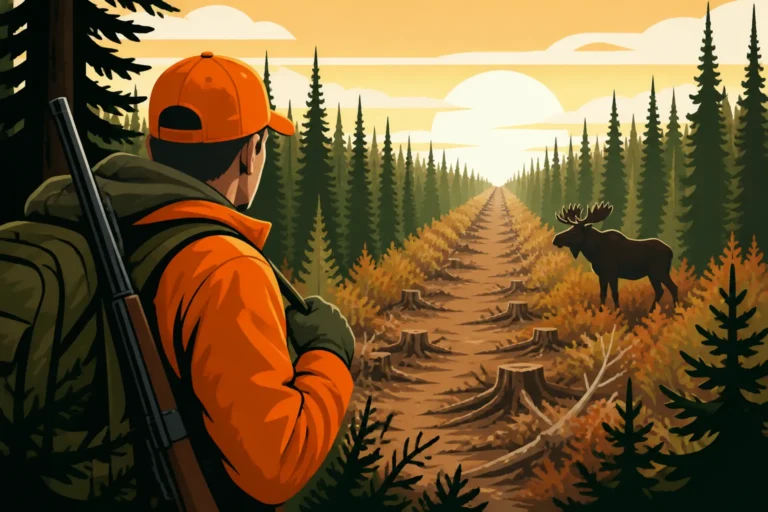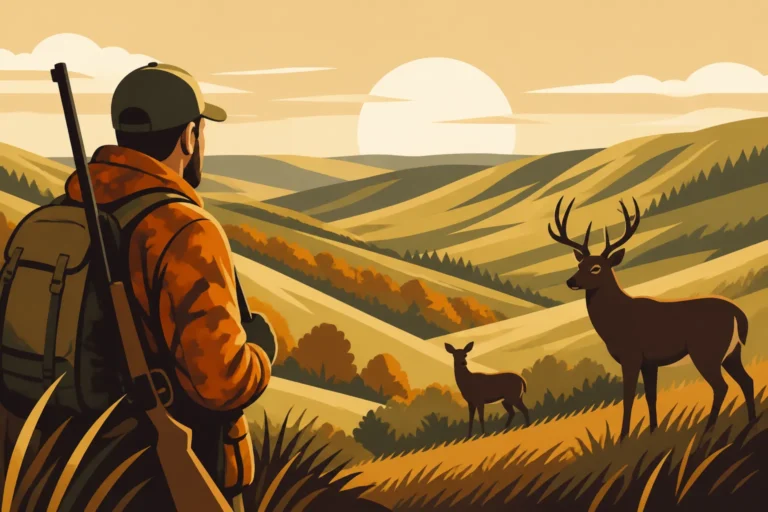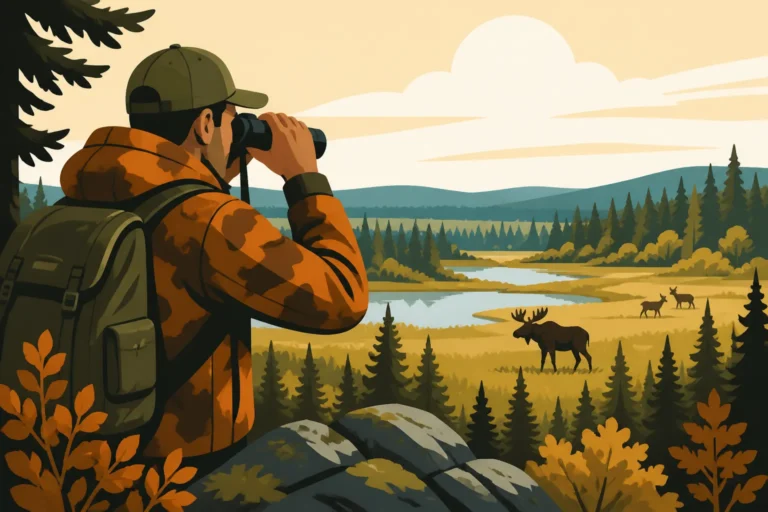
Hunting a Manitoba River Valley
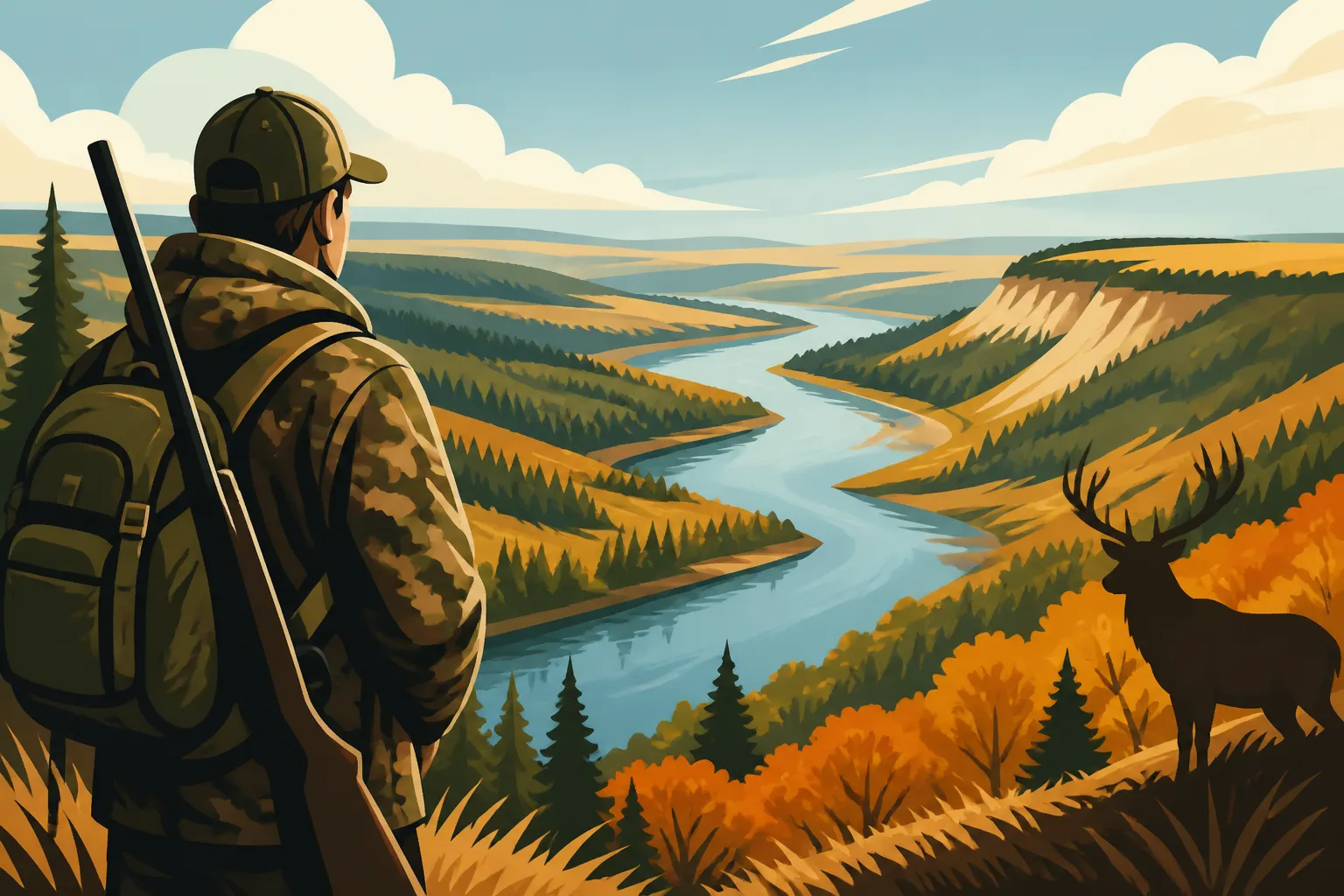
Hunting in Manitoba can present some truly unique challenges, and one of the most overlooked yet incredibly productive areas is the majestic river valley. Many hunters feel overwhelmed by the sheer scale and dense cover of these winding corridors, struggling to pinpoint where game might be or how to effectively navigate the tricky terrain. This guide is designed to cut through that confusion, offering practical strategies and insights to help you unlock the hunting potential of Manitoba's river valleys.
Understanding the Manitoba River Valley Ecosystem
Manitoba's landscape, often characterized by vast prairies and dense boreal forest, also features impressive river valleys that carve their way through the land. These aren't just pretty views; they're bustling ecosystems, drawing in a wide array of wildlife, especially big game. However, their unique geography demands a different approach than hunting a flat field or a uniform block of bush.
Why River Valleys Attract Big Game
River valleys are ecological magnets, pulling in and holding big game species for several compelling reasons. At their core, these valleys provide a perfect trifecta of survival necessities: water, food, and cover, all often found in close proximity. The rivers themselves are a constant water source, crucial for all wildlife, but especially so during dry spells or late-season freezes when other sources might be scarce.
Beyond just water, the riparian zones – the lush areas directly adjacent to the river – are incredibly diverse in vegetation. You'll find a mix of deciduous trees like aspen, oak, and willow, alongside conifers, creating a buffet of browse for deer and moose. Consider the Assiniboine River Valley or the Pembina Valley, where you'll often see whitetail deer, and sometimes even elk, utilizing the mixture of wooded slopes and adjacent agricultural fields. Black bears also frequently traverse these areas, drawn by berry bushes and potential denning sites. These valleys essentially act as natural superhighways and safe havens for game, allowing them to move unseen for considerable distances. They offer escape routes from pressure, thermal cover during harsh winters, and shaded bedding areas during hot days, creating a sense of security that makes animals feel comfortable.
Unique Challenges of River Valley Terrain
While bountiful, hunting river valleys comes with its own set of distinct challenges that can quickly frustrate an unprepared hunter. The most obvious is the terrain itself. You're not just walking through flat woods; you're dealing with potentially steep, unstable banks that can be a real workout, especially when carrying gear or, even better, a harvested animal. Thick riparian zones, often choked with dense brush, downed timber, and thorny undergrowth, can make silent travel nearly impossible. Visualizing game movement and setting up long shots can be difficult with limited sightlines.
Then there’s the wind. Ah, the wind in a valley! It doesn't behave like it does on open ground. Valleys create their own microclimates and air currents. You'll experience swirling winds, especially on the valley floor, and thermals that dictate air movement. In the mornings, cooler air sinks down to the valley bottom, then rises as the sun warms the slopes. In the evenings, the opposite often happens. Understanding these unpredictable wind patterns is absolutely critical, as a wrong guess can carry your scent right to the nose of that trophy buck you've been chasing. Ignoring these unique challenges is a surefire way to educate every animal in the vicinity, sending them packing long before you even know they're there.
Scouting Strategies for River Valley Success
You wouldn't try to navigate a maze blindfolded, and you certainly shouldn't try to hunt a river valley without thorough scouting. This is where your homework truly pays off, transforming a daunting landscape into a predictable network of game trails and ambush points. Good scouting is the backbone of any successful river valley hunt.
Leveraging Topographic Maps and Satellite Imagery
Before you even step foot in the valley, modern tools can give you a significant advantage. Topographic maps and high-resolution satellite imagery are your best friends. They allow you to virtually "walk" the terrain from the comfort of your home, identifying key features that might otherwise take days to discover on foot. Look for benches – those flatter areas partway up the slope – as these are often prime bedding or travel corridors where animals can move with less effort. Identify draws and ravines that funnel game movement, serving as natural highways from the valley floor to the top. River crossings, whether obvious shallow points or narrow stretches, are also critical pinch points where game traffic is concentrated.
Many hunters find platforms like GoHunt incredibly useful for overlaying different map layers, like property boundaries with satellite views and topo lines. This helps in visualizing exactly where the public land ends and private begins, or where thick cover meets a subtle bench perfect for a stand. You can use these tools to mark potential bedding areas (thick, north-facing slopes offer good thermal cover in winter), feeding areas (look for clearings with mast trees or agricultural field edges), and water sources. Remember, animals often travel the path of least resistance, and these maps can reveal those hidden trails and subtle terrain changes that dictate movement. Taking the time to study these maps can reveal the exact spot to focus your efforts. For an even deeper dive into digital scouting, consider reading up on Scouting With Satellite Imagery in Manitoba.
Boots-on-the-Ground Reconnaissance
Once you've narrowed down your potential hotspots with maps, it's time for the real work: boots-on-the-ground scouting. This phase is about confirming your assumptions and finding fresh, actionable sign. Start by looking for deer, elk, or moose rubs and scrapes, especially along the edges of thick cover or where a trail enters a more open area. These tell you not only that animals are present but also their size and general travel patterns. Fresh tracks in the mud along the riverbanks or in soft ground within the draws can tell you exactly what species are using the area and how recently.
Pay close attention to bedding areas. These will often be on south-facing slopes in winter for warmth, or in dense thickets and benches that offer good visibility downwind. Look for flattened grass or matted leaves, often with fresh droppings nearby. Food sources are another crucial element. In early fall, look for oak stands with acorns, or areas with berry bushes that bears might be frequenting. Later in the season, browse lines on aspen and willow indicate where whitetails and moose are feeding heavily. If there are agricultural fields adjacent to the valley, scout the edges and entry points. Deer love to stage in the valley cover before slipping out to feed in grain or canola fields at dusk. You might be surprised at how much information you can gather just by paying attention to the details on the ground. For more on interpreting these subtle clues, check out Reading Whitetail Sign in Manitoba Aspen or Reading Sign After a Fresh Snow after a fresh dusting.
Effective Hunting Tactics for River Valleys
River valleys demand a dynamic approach. You can't just set up a stand and hope for the best; you need to understand how game moves through these complex environments and adapt your strategies accordingly. From static stand hunting to active still-hunting, having a diverse toolkit of tactics will serve you well.
Stand Placement and Ambush Points
Choosing the right stand location in a river valley is paramount. Given the often unpredictable wind patterns, it's not just about finding a good travel corridor; it's about minimizing your scent signature. Focus on funnel points where the valley narrows, forcing animals into a smaller area, or natural crossings where game regularly moves from one side to the other. Look for benches that act as distinct travel routes, especially if they offer an elevated view of the valley floor or a draw.
When considering prevailing winds, remember the thermals. For a morning hunt, setting up lower on the slope or in the valley bottom might be advantageous as the cool air sinks, carrying your scent downwards. In the evening, as warm air rises, setting up higher on a ridge or bench can keep your scent above the valley floor. Always aim for a spot that gives you a clear shooting lane but also utilizes the cover to break up your outline. Don't forget those subtle features like a bend in the river or a small cluster of thick brush that forces deer to alter their path slightly – these are prime ambush spots. To really dial in your approach to an ideal location, learn about Hanging a Stand on a Manitoba Bush Edge or even Hunting a Bluff Between Two Fields which share similar strategic considerations.
Still-Hunting and Drives in River Valleys
Sometimes, sitting and waiting isn't the most effective strategy, especially in vast, thick river valleys where game might be widely dispersed. This is where still-hunting shines. Still-hunting is a slow, methodical approach where you move through the terrain, taking a few steps, then pausing to observe, listen, and scan for any sign of movement. You're actively hunting, but at a snail's pace, constantly using the terrain and cover to your advantage. This technique is particularly effective in river valleys because you can use the contours of the land, the sound of the flowing water, and the natural vegetation to mask your movements and sounds.
For really thick pockets of cover, especially during the late season when deer are yarded up, organizing a small drive can be incredibly productive. This typically involves one or two "pushers" who slowly and quietly move through a designated area, while "standers" are strategically placed on known escape routes or pinch points. Communication and safety are absolutely critical during a drive. Always ensure everyone knows their role, the boundaries of the drive, and the location of fellow hunters. Drives can be excellent for getting wary whitetails out of their secure bedding areas in dense river bottom cover. Consider tactics similar to those used when Hunting Whitetails in Manitoba's Bush Country.
Calling and Decoying Strategies
Bringing animals to you can be a thrilling and effective strategy in river valleys, especially during the rut. Grunt calls, bleats, and rattling antlers can mimic the sounds of deer interacting, often piquing the curiosity of bucks searching for does or rivals. The acoustics of a valley can be interesting; sometimes calls carry further, other times the dense cover absorbs the sound. Experiment with volume and cadence. In open sections of the valley, you might need to project your calls further. For specific tips, check out Rattling and Calling Parkland Whitetails or understand the nuances of Grunt Calls Late in Manitoba's Rut.
Decoys can also play a significant role. A realistic doe decoy, perhaps placed subtly at the edge of a clearing or along a trail, can draw in a curious buck, especially if accompanied by a few soft grunts. During the peak of the rut, a small buck decoy might even challenge a dominant buck. When using decoys, always set them up so the approaching animal offers you a good shot, ideally broadside. And remember, safety first: always be certain of your target before you shoot, as other hunters might mistake your decoy for a live animal.
Important Considerations for River Valley Hunters
Hunting a Manitoba river valley isn't just about strategy; it's also about preparedness and understanding the broader context of land access, safety, and environmental factors. Ignoring these vital considerations can quickly turn a promising hunt into a frustrating or even dangerous experience.
Access and Landowner Relations
One of the biggest hurdles for any hunter in Manitoba, especially in river valleys that often cut through a patchwork of private and public land, is gaining access. While Crown Land is often available for hunting, many prime river valley sections, particularly those adjacent to agricultural fields, are privately owned. Never assume you have permission to hunt private land. This is not only illegal but also damages the reputation of all hunters.
The best approach is to establish positive relationships with landowners. Knock on doors, introduce yourself, and politely ask for permission to hunt. Many landowners are open to granting access, especially if you offer to help with chores or share some of your harvest. Showing respect for their property, closing gates, and not driving off-road without explicit permission goes a long way. Tools like GoHunt can be incredibly useful for identifying property lines and sometimes even landowner information, allowing you to focus your efforts on contacting the right people. Understanding Getting Private Land Permission in Manitoba and the specifics of What Manitoba Trespass Law Requires are crucial steps before venturing out.
Safety and Equipment
River valleys, with their steep slopes, dense undergrowth, and sometimes treacherous footing, demand extra attention to safety and proper equipment. Good quality, waterproof boots with excellent ankle support and grip are non-negotiable. Falling on a steep, muddy bank with a rifle in hand is not an experience you want. Consider a walking stick or trekking poles for added stability, especially when navigating uneven terrain or crossing small streams.
Always carry a well-stocked first-aid kit, and ensure someone knows your hunting plan and expected return time. Cell service can be spotty in some valley bottoms, so a satellite messenger or a two-way radio might be a smart investment for emergency communication. When hunting during the colder months, dressing in layers is key to managing your body temperature as you move up and down slopes. And if you're lucky enough to harvest an animal, extracting it from a steep valley can be incredibly challenging. Plan your extraction route beforehand and consider bringing a game cart or having a system for quartering the animal to ease the burden. For those planning late-season hunts, read up on Hunting Safely in Deep Winter Cold. Similarly, Meat Care in Manitoba's Cold Snaps is essential to prevent spoilage.
Weather and Seasonal Adjustments
Manitoba's weather can be notoriously unpredictable, and river valleys can amplify its effects. Early season hunts might mean battling heat and insects, while the rut brings unpredictable animal movements and potentially blustery winds. Late season can dump significant snow, making travel difficult but also concentrating game in sheltered areas of the valley.
Understanding how different seasons and weather conditions affect game movement within the valley is crucial. During the peak of the rut, typically in early to mid-November, bucks will be actively cruising the valley seeking does. They'll use the cover of the valley to move between bedding and feeding areas, often checking scrapes and rubs along the way. Learning about Hunting the Rut in Early to Mid November can be especially valuable. In deep snow, deer and elk will often seek thermal cover on the leeward sides of ridges and feed on available browse, concentrating their activities in specific areas of the valley. Always check the forecast, dress appropriately, and be prepared for sudden changes in weather conditions. The more you adapt to the valley's rhythm, the better your chances of success.
| River Valley Region | Primary Game Species | Key Terrain Features | Best Hunting Approach | Access Considerations |
|---|---|---|---|---|
| Assiniboine River | Whitetail Deer, Elk, Black Bear | Deep cuts, mixed deciduous/conifer, agricultural fringes | Stand hunting benches & funnels, still-hunting draws | Mix of Crown & private, requires permission |
| Pembina Valley | Whitetail Deer, Elk | Steep slopes, dense bush pockets, scattered fields | Spot-and-stalk high vantage points, small drives | Primarily private land, strong emphasis on permission |
| Souris River Valley | Whitetail Deer, Waterfowl | Moderate slopes, thick brush, numerous sloughs & oxbows | Still-hunting thickets, strategic stand placement | Mix of Crown & private, often adjacent to waterfowl zones |
Disclaimer
Hunting is an inherently risky activity. Always prioritize safety, adhere to all local regulations, and obtain proper licenses and permits. The information provided in this guide is for informational purposes only and should not replace professional advice or personal judgment. Be aware of your surroundings, respect wildlife, and practice ethical hunting.