Hunting a Shield Country Rock Ridge
Hunting Manitoba's vast Shield Country can feel like stepping into another world, a rugged landscape of granite, pine, and countless lakes that can be incredibly intimidating for any hunter. The challenge often lies in finding game in such expansive, dense cover, but if you're willing to explore, you'll discover that rock ridges often act as natural highways and havens for wildlife. This guide will walk you through the unique aspects of hunting these specific features, offering practical strategies to help you navigate this challenging yet rewarding terrain and increase your chances of success.
Understanding Manitoba's Shield Country Terrain
Manitoba's Shield Country, particularly the eastern and northern portions of the province, is a breathtakingly wild expanse defined by ancient Precambrian rock. This isn't your typical prairie or farmland hunting; it's a world of exposed granite, dense boreal forest, and countless lakes and rivers. Within this rugged landscape, rock ridges stand out as critical topographical features that draw wildlife for a variety of reasons. Understanding these elements is the first step to unlocking success in this unique environment.
The Unique Landscape of Rock Ridges
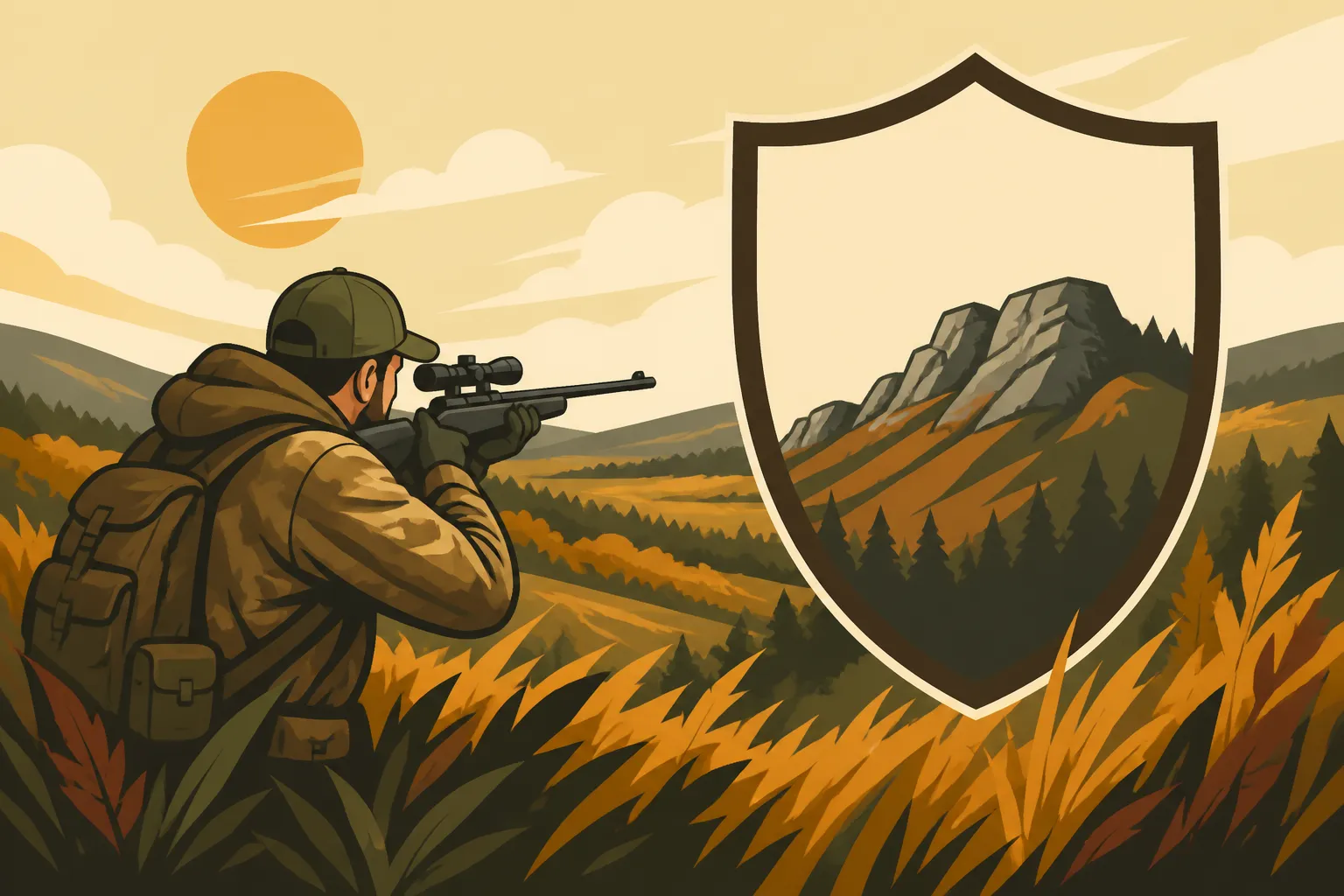
Imagine vast stretches of forest, broken up by shimmering lakes and boggy muskeg. Then, picture an elevated spine of rock, sometimes bare granite, sometimes thinly vegetated with scraggly pines and moss, snaking through it all. These are the rock ridges of the Shield Country. They often form natural high ground, offering animals elevated travel corridors that keep them out of the wettest lowlands and provide better visibility and drier bedding areas.
These ridges can range from gentle, almost imperceptible rises to dramatic cliffs and towering escarpments. They are typically composed of granite, gneiss, and other hard metamorphic rocks, which resist erosion more effectively than the surrounding softer soils. This resistance creates these prominent features. The vegetation on these ridges is often different from the surrounding forest too, featuring stunted jack pine, black spruce, and birch, along with hardy lichens and mosses. This drier, sparser cover can sometimes offer easier walking than the thick bush below, but the footing can be precarious on slick rock, especially when wet or icy. For an overall picture of this challenging but rewarding area, you might find it helpful to read about Hunting Manitoba's Eastern Shield Country.
Game Species Drawn to These Features
Rock ridges are magnets for several key game species, making them prime hunting locations. Whitetail deer, while often associated with agricultural areas, do inhabit the fringes of the Shield and utilize these ridges for travel and bedding. Black bears are particularly fond of rock ridges, finding secure den sites in crevices and overhanging ledges, and using the elevated terrain to move between feeding areas or escape swampy lowlands.
Moose, despite their preference for wetland browse, will often travel along these ridges to avoid deeper snow in winter or simply as efficient travel routes between different feeding grounds. You'll find sign of them browsing the sparse alders or willows that manage to grow in pockets of soil. Additionally, the drier ground and open sightlines on some ridges can be ideal for various upland birds, such as ruffed grouse and spruce grouse, which feed on buds and berries found along these edges. Even smaller predators like wolves and coyotes will use these natural corridors to patrol their territories, making the ridges a hub of wildlife activity in an otherwise vast landscape.
Scouting and Locating Promising Ridges
Before you even think about setting foot on a rock ridge with your rifle or bow, effective scouting is paramount. The Shield Country is immense, and randomly wandering can be a frustrating, fruitless endeavor. Focused scouting, both from the comfort of your home and on the ground, will drastically improve your chances of finding productive hunting spots.
Utilizing Topographical Maps and Satellite Imagery
In this kind of terrain, your digital scouting tools become invaluable. Start with high-resolution satellite imagery and topographical maps, which are often available through platforms like the GoHunt app or other dedicated mapping software. Look for changes in elevation and distinct rock formations. Ridges will appear as elongated, often treeless or sparsely treed features, contrasting with the dense, uniform green of the surrounding forest or the dark blue of water.
Pay close attention to how these ridges connect different habitat types. Do they run parallel to a lake or river? Do they connect a dense forest block to a more open, boggy area? Animals, especially deer and moose, use these natural bridges to traverse difficult terrain. Identify pinch points where a ridge narrows or where multiple ridges converge, as these can be excellent ambush locations. Mark potential bedding areas on the higher, drier parts of the ridge, and look for transition zones where the rocky outcrop meets thicker timber or marshland, as these are often preferred travel routes. Understanding Reading a Manitoba GHA Map Before You Go is essential here, as the larger Game Hunting Areas often contain varied terrain, and these maps will help you narrow down your focus.
On-the-Ground Reconnaissance and Reading Sign
Once you've identified promising areas on your maps, it's time for boots on the ground. This is where the real work begins. Physically walking the ridges allows you to confirm what you saw digitally and to discover fresh sign that satellite imagery can't reveal. Look for game trails running along the tops or flanks of the ridges. These trails will be more pronounced in areas of frequent use. Pay attention to rubs and scrapes along the edges of the ridge, indicating active deer movement.
For bears, look for claw marks on trees, especially larger pines, and scat containing berries or other forage. Moose sign will include heavily browsed saplings and larger tracks. Don't just stick to the very top; explore the benches and pockets of timber just off the main ridge. These microhabitats often hold bedding areas, especially if they offer protection from the wind and sun. The more time you spend deciphering the natural patterns and fresh evidence of wildlife, the better equipped you'll be when the season opens. In more remote areas, remember that game can be less pressured, so even subtle sign can be significant. This on-the-ground validation is critical for confirming your digital scouting, as discussed in Scouting With Satellite Imagery in Manitoba.
Hunting Strategies for Rock Ridges
Hunting rock ridges requires a blend of stealth, patience, and adaptability. The terrain itself can be your ally or your adversary, so choosing the right approach is key. Whether you prefer to actively pursue game or wait in a prime ambush spot, understanding the nuances of this unique environment will guide your tactics.
Stalking and Still Hunting Techniques
Stalking or still hunting along rock ridges can be incredibly effective, but it demands extreme focus and careful foot placement. The exposed rock and often sparse ground cover mean sound travels far. Your priority is silence. Wear soft-soled boots and move slowly, testing each step before committing your weight. Utilize the natural undulations of the ridge and any available cover – a cluster of pines, a large boulder, a rise in the terrain – to break up your silhouette and conceal your movement.
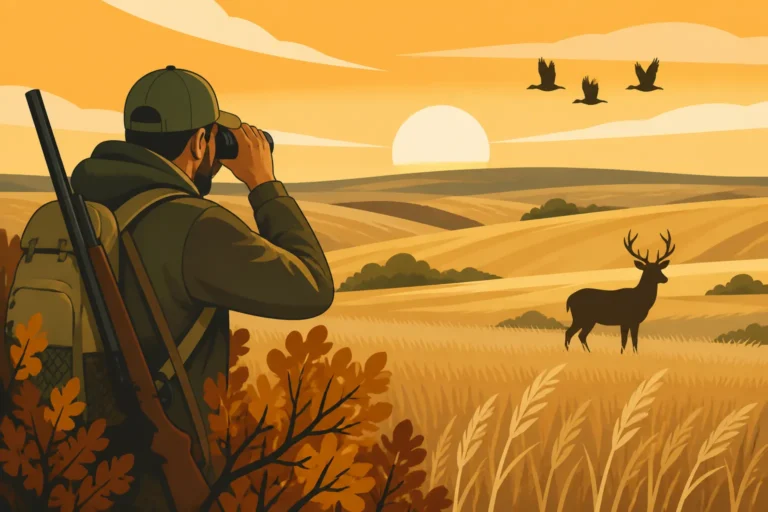
Always move into the wind, if possible, to keep your scent from drifting ahead. Pause frequently, not just for a few seconds, but for several minutes at a time. Use binoculars to thoroughly scan ahead and to the sides, paying close attention to shadows and subtle movements. Animals on a ridge often have good visibility, so they'll likely spot you if you're not careful. This slow, deliberate approach allows you to detect game before it detects you, giving you the upper hand for a shot opportunity. Remember, patience is your best friend when trying to get close to game in such an open, yet broken, landscape.
Ambush Points and Blind Setups
Sometimes, waiting out game is a more productive strategy, especially if you've identified specific travel corridors or feeding areas associated with a ridge. Look for natural pinch points where animals are funneled, such as narrow passes between rock outcrops, saddles between two higher points, or areas where the ridge descends into a more heavily timbered or wet zone. These are prime locations for ambush setups.
When setting up a blind, whether it's a pop-up or a carefully constructed natural blind, concealment is critical. Position yourself downwind of the anticipated travel route and ensure you have a clear shooting lane. Consider the sun's position throughout the day to avoid being silhouetted or having glare obscure your vision. For tree stand hunters, finding suitable trees on the often-rocky ridges can be a challenge, but if you locate a pocket of mature timber on the ridge's edge, it can offer an excellent vantage point overlooking trails or feeding areas. A GoHunt subscription can help you mark these potential ambush points and plan your access routes efficiently. Remember that early morning and late afternoon are generally the most productive times, as animals are often on the move between bedding and feeding areas.
Essential Gear and Safety Considerations
Hunting in Manitoba's Shield Country, especially on remote rock ridges, demands careful preparation in terms of gear and a strong emphasis on safety. This isn't the place to cut corners on essentials; the unforgiving nature of the landscape can quickly turn a minor inconvenience into a serious emergency.
Footwear, Clothing, and Navigation Tools
Your gear choices can significantly impact your comfort, safety, and ultimately, your success.
- Footwear: Invest in high-quality, waterproof, and supportive hiking boots with excellent ankle support and a stiff sole. The uneven, rocky terrain can be brutal on your feet and ankles, and you'll inevitably encounter wet spots. A good pair of boots will prevent blisters and provide the necessary grip on slick rock.
- Clothing: Layering is crucial. The weather in Manitoba can change rapidly, even during the fall seasons. Start with moisture-wicking base layers, add insulating mid-layers (fleece or down are great), and top it with a durable, waterproof and windproof outer shell. Even if it's not pouring rain, scrambling over rocks and through dense brush can tear less robust fabrics. Don't forget blaze orange, as required by Manitoba regulations for big game hunting, to ensure you're visible to other hunters. For cold weather hunting, which is common later in the season, review tips for Hunting Safely in Deep Winter Cold.
- Navigation: While you might have identified your spots on a map, always carry a physical compass and a paper map in addition to your GPS device or smartphone with a mapping app like GoHunt. Batteries die, and signals can drop. Know how to use both. A power bank for your electronic devices is also a smart addition. Marking your vehicle's location and key waypoints as you go will be invaluable for safely navigating back.
Dealing with Remote Conditions and Wildlife Encounters
The remote nature of Shield Country means you're often far from help. Preparedness is key.
- Communication: Cell service can be spotty or non-existent in many Shield areas. Carry a satellite communication device (like a Garmin inReach or Zoleo) for emergency communication. Let someone know your detailed hunting plan, including your expected return time and exact area.
- First Aid: A comprehensive first-aid kit is non-negotiable. Include supplies for cuts, sprains, insect bites, and any personal medications. Knowing basic first aid is also critical.
- Survival Gear: Carry essentials like a fire starter, a small saw or axe, a space blanket, extra food and water, and a headlamp. Getting turned around or injured and having to spend an unexpected night out is a real possibility. Understanding What to Do If You Get Stuck in the Bush can provide invaluable insight.
- Wildlife Encounters: While bear attacks are rare, you are hunting in their territory. Carry bear spray and know how to use it. Make noise while walking, especially through dense areas, to avoid surprising animals. Be aware of your surroundings, and respect all wildlife. If you're specifically targeting bears, you might find more specialized advice in Black Bear Hunting in Manitoba. Also, be mindful of other predators; while less common, Manitoba's Northern Species Hunters Rarely See can still be present.
A quick summary of key considerations for rock ridge hunting:
| Aspect | Key Considerations |
|---|---|
| Terrain | Exposed granite, dense boreal forest, wetlands, elevation changes. Expect uneven, potentially slick footing. |
| Species | Whitetail deer (especially on fringes), Black Bear, Moose, Ruffed Grouse, Spruce Grouse, Wolves, Coyotes. |
| Scouting | High-res satellite imagery and topo maps (e.g., GoHunt app). Look for pinch points, connecting corridors, bedding areas. Ground scouting for fresh sign (tracks, rubs, scat, browsed vegetation). |
| Hunting Strategy | Stalking/Still Hunting: Slow, silent movement into the wind. Utilize cover, frequent pauses, binoculars. Ambush/Blind: Identify pinch points, saddles, or areas connecting different habitat. Concealment is key. |
| Essential Gear | Waterproof, high-ankle support boots. Layered, durable, waterproof/windproof clothing (blaze orange). GPS/map/compass, power bank. |
| Safety | Satellite communicator (e.g., Garmin inReach). Comprehensive first-aid kit. Survival essentials (fire starter, shelter, food/water). Bear spray. Detailed trip plan shared with others. |
Hunting Manitoba's Shield Country rock ridges is a challenging but immensely rewarding experience. It demands respect for the wilderness and thorough preparation, but for those willing to embrace the adventure, it offers unique opportunities to connect with the wild and pursue some of Manitoba's most iconic game species. By understanding the terrain, scouting diligently, applying smart hunting strategies, and prioritizing safety, you can make your Shield Country hunt a truly memorable one.
Disclaimer
Please remember that hunting regulations and conditions can change. Always consult the most current Manitoba Hunting Guide and relevant government websites before planning any hunting trip. This guide provides general information and should not be considered a substitute for official regulations or professional safety training. Hunt responsibly and ethically.