What Makes the Interlake Different
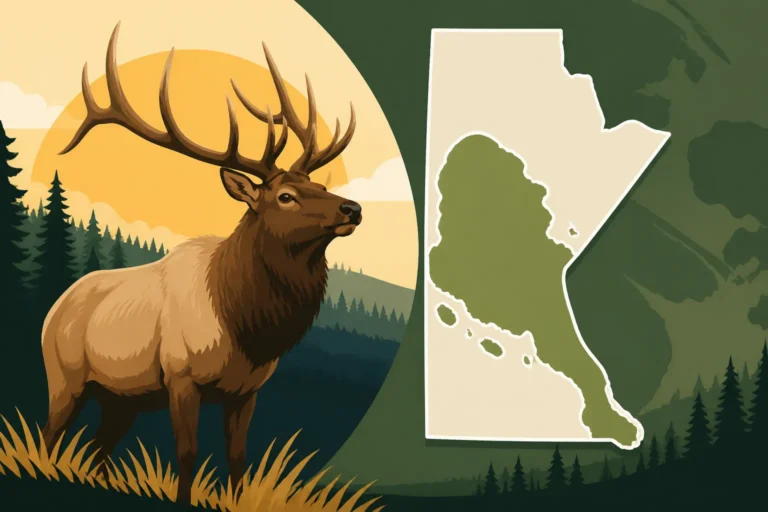
If you've ever cast your eyes over a map of Manitoba, you've probably noticed that vast, intriguing stretch of land nestled right between Lake Winnipeg and Lake Manitoba. This isn't just any piece of the province; it's a unique geographical and ecological tapestry known as the Interlake region, and it offers a hunting experience unlike almost anywhere else. Many hunters find themselves scratching their heads, wondering why this area is so distinct, and how its particular blend of terrain and wildlife translates into specific hunting strategies. This guide will unravel what truly sets the Interlake apart, giving you a clearer picture of its quirks, its challenges, and its incredible potential for your next hunting adventure.
The Unique Geography and Habitat of Manitoba's Interlake Region
The Interlake isn't just a name on a map; it's a descriptor that perfectly encapsulates its defining feature: being nestled right between two of North America's largest freshwater lakes. This geographical embrace has shaped the entire region, creating a distinctive blend of habitats that directly influences the types and concentrations of game animals found here. Understanding this foundation is key to appreciating its hunting potential.
A Land Forged by Glaciers and Great Lakes
Picture this: millennia ago, massive glaciers sculpted this land, leaving behind a relatively flat, low-lying terrain. As these ancient ice sheets retreated, they gave way to the enormous glacial Lake Agassiz, which eventually shrank to form our modern-day Lake Winnipeg and Lake Manitoba. This history means the Interlake's geology is heavily influenced by lacustrine (lake-formed) deposits, often with a shallow layer of soil over limestone bedrock. This bedrock plays a surprising role, affecting drainage and vegetation. The result is a landscape that's not dramatically hilly or mountainous, but rather a subtle, undulating expanse defined by water features and rich, varied vegetation. It’s this history that sets the stage for everything that thrives here.
The extensive ancient lakebed means that much of the Interlake has poor drainage, leading to an abundance of wetlands and shallow water bodies. This might seem like a challenge, but for certain species, it's a goldmine. These water-filled depressions, known locally as sloughs and potholes, become crucial hubs for wildlife, providing both water and dense cover. Unlike the wide-open prairie further south or the deep boreal forest further north, the Interlake offers a middle ground, a transition zone that captures the best of both worlds for many game animals.
Mosaic of Wetlands, Bush, and Farmland
What truly makes the Interlake a hunter's mosaic is the incredible mix of ecosystems jammed into one area. You'll find expansive tracts of dense aspen parkland, often referred to as "bush country," interspersed with active agricultural fields. Then, woven throughout, are the countless wetlands, from small potholes to vast marshes and even portions of the massive lakes themselves. This isn't a landscape dominated by a single feature; it's a patchwork quilt where each piece feeds into the next, creating an incredibly rich and diverse environment.
For hunters, this means you can be walking through a dense poplar bluffs one moment, only to emerge onto an open stubble field the next, with a cattail-choked slough just beyond. This 'edge habitat' is famously productive for game, as animals can move easily between food sources in the fields, dense cover in the bush, and water in the wetlands. This unique blend makes it prime territory for species that thrive on such diversity, offering them everything they need within a relatively small home range. It's a contrast to the endless wheat fields of the prairies or the unbroken canopy of the deep boreal, presenting distinct challenges and opportunities. Hunting a Slough Edge for Whitetails is a classic example of leveraging this Interlake characteristic.
The Influence of Limestone Bedrock and Water
Beneath much of the Interlake lies a relatively shallow layer of limestone bedrock. This might not sound like a big deal, but it significantly impacts the region's hydrology and vegetation. Limestone is permeable, meaning water can seep through it, but it also creates a complex underground drainage system. This contributes to the widespread wetland formation, as water can collect in depressions on the bedrock surface. It also enriches the soil with minerals, which in turn influences the nutrient content of the vegetation.
The high mineral content, especially calcium from the limestone, is particularly beneficial for antler growth in ungulates like whitetail deer and moose. It contributes to robust body size and impressive racks. Moreover, the sheer abundance of water, from the two great lakes to the countless internal wetlands, creates a humid microclimate in many areas and acts as a magnet for migratory birds. This constant presence of water shapes everything from plant life to insect populations, which in turn are vital food sources for a vast array of wildlife.
Why Game Animals Thrive in the Interlake's Diverse Landscape
The Interlake's unique blend of habitat isn't just pretty to look at; it's a biological hotspot. The sheer variety of food, water, and cover ensures that many species find exactly what they need to not only survive but truly flourish. This is where the Interlake really differentiates itself from other regions in Manitoba, offering a unique concentration of certain game animals.
Whitetail Deer: Adapting to the Edges
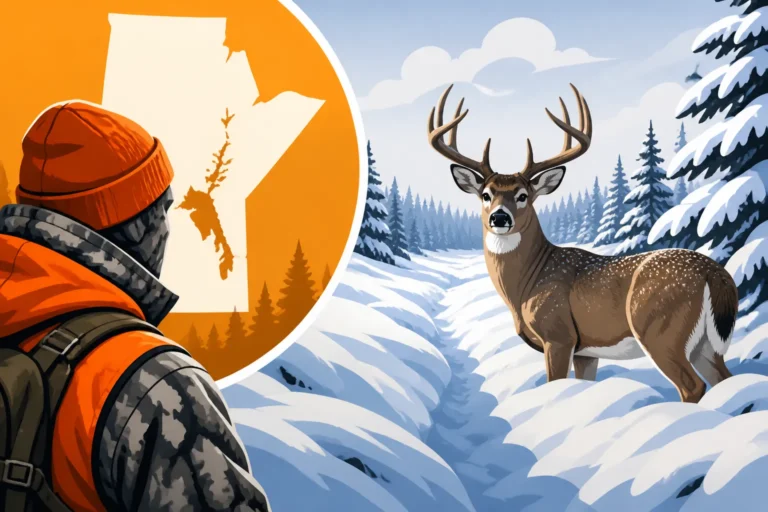
If there's one animal that embodies the Interlake's strengths, it's the whitetail deer. The mixed bush, interspersed with agricultural fields and scattered wetlands, provides an almost perfect environment for these adaptable creatures. They have immediate access to high-energy food sources like standing corn, canola, and alfalfa in the fields, alongside browse and forage from the bush. The dense cover of aspen and willow bluffs offers ideal bedding areas and sanctuary from predators and hunters.
Many hunters will tell you that the Interlake bucks can grow to impressive sizes, both in body and antler, a testament to the rich diet and secure habitat. The mosaic allows deer to move seamlessly between feeding, bedding, and watering, often without having to travel great distances. This creates higher densities in many areas compared to regions with more uniform habitat. Finding that perfect Hunting a Manitoba Bush Edge where a field meets dense cover is often the key to success. This is where a good scouting tool like GoHunt can really shine, helping you identify those crucial transition zones.
Waterfowl Paradise: A Staging Ground for Migrations
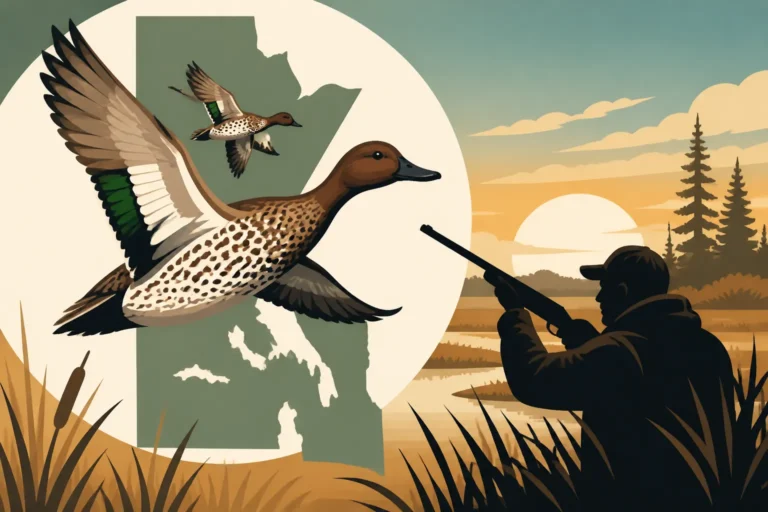
For waterfowl hunters, the Interlake is nothing short of legendary. Situated on the Central Flyway, and bordered by two massive lakes, it acts as an immense staging area for millions of ducks and geese during their spring and fall migrations. The sheer number of potholes, sloughs, and shallow lakes provides endless resting and feeding opportunities. Pair this with vast grain fields where birds can feed, and you have a recipe for world-class waterfowl hunting.
The region concentrates birds like few other places, making it possible to experience incredible flights of Canada geese, snow geese, specklebellies, and a diverse array of duck species. The strategic location means that hunters can find fantastic opportunities in both marsh settings and stubble fields. Whether you're setting up a massive spread for snow geese in a cut field or jump-shooting mallards out of a secluded pothole, the Interlake provides the stage. Consider Marsh Hunting Ducks in the Interlake as a prime example of the kind of specialized hunting this area offers.
Bears and Moose: Finding Sanctuary in the North
While whitetails and waterfowl dominate much of the southern and central Interlake, as you push further north, the landscape gradually transitions into more extensive boreal forest. Here, the larger wilderness species like black bears and moose find their stronghold. The dense bush, dotted with bogs, muskegs, and numerous smaller lakes, provides the solitude and diverse forage they need.
Moose, though generally more scattered than in Manitoba's deeper boreal forests, are present, particularly in the larger, less disturbed blocks of timber and wetland complexes. These areas offer the browse from willow and aspen, along with aquatic vegetation from shallow lakes and bogs. Black bears thrive throughout the bush country of the Interlake, benefiting from the plentiful berry crops, denning sites, and relatively undisturbed areas. Hunters often target these species using baiting methods for bear or calling tactics for moose in the more remote sections. Black Bear Hunting in Manitoba and Moose Hunting Manitoba's Boreal Country cover these hunts in more detail.
Here's a quick look at how the Interlake's unique habitat supports its most prominent game species:
| Game Species | Primary Interlake Habitat | Key Factors for Abundance | Hunting Style Implications |
|---|---|---|---|
| Whitetail Deer | Mixed bush, aspen bluffs, field edges, slough rings | Abundant food (ag. fields, browse), dense cover, mineral-rich soil | Stand hunting, still hunting, hunting transitions |
| Waterfowl | Potholes, marshes, large lake shores, grain fields | Major flyway, vast feeding & resting areas, abundant water | Decoy spreads, jump-shooting, field hunting geese |
| Black Bear | Dense bush, boreal fringes, swampy areas, berry patches | Extensive cover, diverse forage, denning sites | Baiting, spot-and-stalk in more open areas |
| Moose | Northern boreal transition, large wetland complexes, dense timber | Browse, aquatic vegetation, solitude | Calling, still hunting, remote access hunts |
| Upland Birds | Field edges, brushy cover, shelterbelts, bush roads | Diverse vegetation, insect life, grit for digestion | Walking up, hunting with dogs, road hunting Ruffed Grouse |
Navigating the Hunting Challenges and Opportunities
The Interlake's distinct characteristics also bring their own set of challenges and opportunities for hunters. It's not always a straightforward hunt; understanding the landscape and the rules is paramount to a successful and enjoyable trip. The sheer popularity of some areas means that you might encounter more hunters than in Manitoba's truly remote regions, requiring different strategies.
Accessing Public vs. Private Land
One of the significant aspects of hunting the Interlake, especially closer to populated areas, is the prevalence of private agricultural land. While there's plenty of Crown Land available, especially as you move north and away from the major highways, much of the prime deer and waterfowl habitat often falls within private property boundaries. This means that securing permission from landowners is frequently a critical step for hunters. It's a reality that can be frustrating for those accustomed to vast tracts of unbroken public land.
However, this also presents an opportunity. Many landowners, especially those dealing with crop damage from deer or elk, might be open to granting hunting access. Respectful and courteous interaction is key. Always ask well in advance, understand their specific rules, and be prepared to be denied. On the flip side, the public land that exists, particularly in Wildlife Management Areas (WMAs) and provincial forests, can be excellent, though it often sees more pressure. Knowing how to locate and read Manitoba's Game Hunting Areas maps, perhaps using a tool like GoHunt, to identify Crown land is invaluable here. Getting Private Land Permission in Manitoba is a skill every Interlake hunter needs to hone.
Understanding Hunting Pressure and Zoning
Given its proximity to major population centers like Winnipeg, some parts of the Interlake can experience higher hunting pressure, especially on opening weekends or during peak rut for deer. This means that being strategic about your hunting days, times, and locations is more important than ever. You might need to walk further, get into areas others shy away from, or simply be more patient and persistent.
Manitoba's Game Hunting Areas (GHAs) are also critical in the Interlake. These zones dictate specific season dates, bag limits, and often the species you can hunt. For example, some GHAs might have specific antlerless deer seasons or different opening dates for rifle and archery. Being intimately familiar with the regulations for your chosen GHA is non-negotiable. Furthermore, some areas might have special management rules or even closures, particularly concerning moose, due to conservation efforts. Always check the current regulations for the specific area you plan to hunt.
Tackling the Terrain: Water, Bush, and Bog
The Interlake's varied terrain can be a challenge. Those countless wetlands are fantastic for wildlife, but they can make travel difficult for hunters. Expect wet feet, muddy conditions, and potentially challenging access to certain areas, especially after heavy rains or during spring thaw. A good pair of waterproof boots and appropriate gear are not optional here, they are essential. The dense bush, while offering great cover for animals, can be thick and disorienting for hunters. It's easy to lose your bearings, especially if you're not used to hunting in such conditions.
Navigating these challenges requires preparation. A reliable GPS unit, maps (digital or paper), and a compass are indispensable. Understanding how to use them is even more so. The low-lying nature of much of the land means there aren't many natural high points for orientation. The bogs and muskegs, particularly in the northern Interlake, can be treacherous. Knowing how to read the landscape, identify safe travel routes, and be prepared for changing conditions is part of the Interlake experience. Hunting a Boreal Muskeg Edge highlights the particular challenges of that kind of terrain.
Strategies for a Successful Interlake Hunting Adventure
So, you've decided to tackle the Interlake. Fantastic! It's a rewarding region for those willing to put in the effort and adapt to its unique character. Here are some strategies to boost your chances of success and make your hunt more enjoyable.
Effective Scouting in a Complex Environment
Scouting in the Interlake is crucial because of the fragmented nature of the habitat. You can't just assume the bush continues for miles. You need to identify those critical edges, transition zones, and pinch points where animals are most likely to travel. Use satellite imagery, like that found on mapping apps, to identify blocks of cover, water sources, and agricultural fields. Look for those "islands" of bush surrounded by fields or wetlands, as these often concentrate deer.
Ground scouting is equally important. Look for fresh tracks, rub lines, scrapes, and bedding areas. Pay attention to natural funnels created by changes in elevation, fences, or thick cover. For waterfowl, identify current feeding patterns by watching birds at dawn or dusk, then obtain permission to hunt those fields. Because the Interlake is so diverse, effective scouting helps you narrow down productive areas quickly. Programs like GoHunt allow you to layer different mapping data, helping you to visualize terrain and property boundaries, making your digital scouting much more efficient. Check out Scouting a Manitoba Game Hunting Area for more general advice that applies perfectly to the Interlake.
Gear Up for Interlake Conditions
The Interlake demands specific gear to handle its variable conditions. Waterproof footwear, preferably knee-high boots, is a must due to the prevalence of wetlands and wet ground. Layers of clothing are essential to adapt to changing temperatures, from crisp mornings to warmer midday sun, especially in the fall. Camouflage appropriate for mixed bush and field conditions will serve you well. Think browns, greens, and grays to blend into the aspen, willow, and dried grasses.
For big game, consider your weapon choice. Rifles are common, but archery and muzzleloader seasons offer unique opportunities. For waterfowl, a good set of decoys, comfortable blinds (or materials to build natural blinds), and non-toxic shot are indispensable. Don't forget bug spray, especially during early season hunts for bear or deer, as mosquitoes and ticks can be relentless. A reliable GPS, a headlamp, and a small survival kit are also smart additions to your pack, given the dense cover and potential for getting turned around.
Leveraging Local Knowledge and Resources
One of the best strategies for hunting in a new or challenging area like the Interlake is to tap into local knowledge. This could mean talking to folks at the local coffee shop, sporting goods stores, or even connecting with local conservation groups. These individuals often have invaluable insights into game movements, recent patterns, and areas that might be overlooked. They can offer tips on everything from where deer are currently feeding to which roads might be impassable after a rain.
Another excellent resource is the official Manitoba hunting guide. It's updated annually and provides detailed information on seasons, bag limits, and specific regulations for each GHA in the Interlake. Consulting it closely will ensure you're hunting legally and ethically. Furthermore, consider joining a local chapter of a hunting or wildlife federation; these groups are often treasure troves of information and networking opportunities. Understanding Manitoba's Game Hunting Areas regulations in detail is always a good starting point.
Disclaimer
This article is for general informational purposes only and does not constitute professional advice. Laws, prices and regulations vary by location and change over time. Consult a qualified professional for guidance on your specific situation.