What a Big Bull Moose Weighs Here
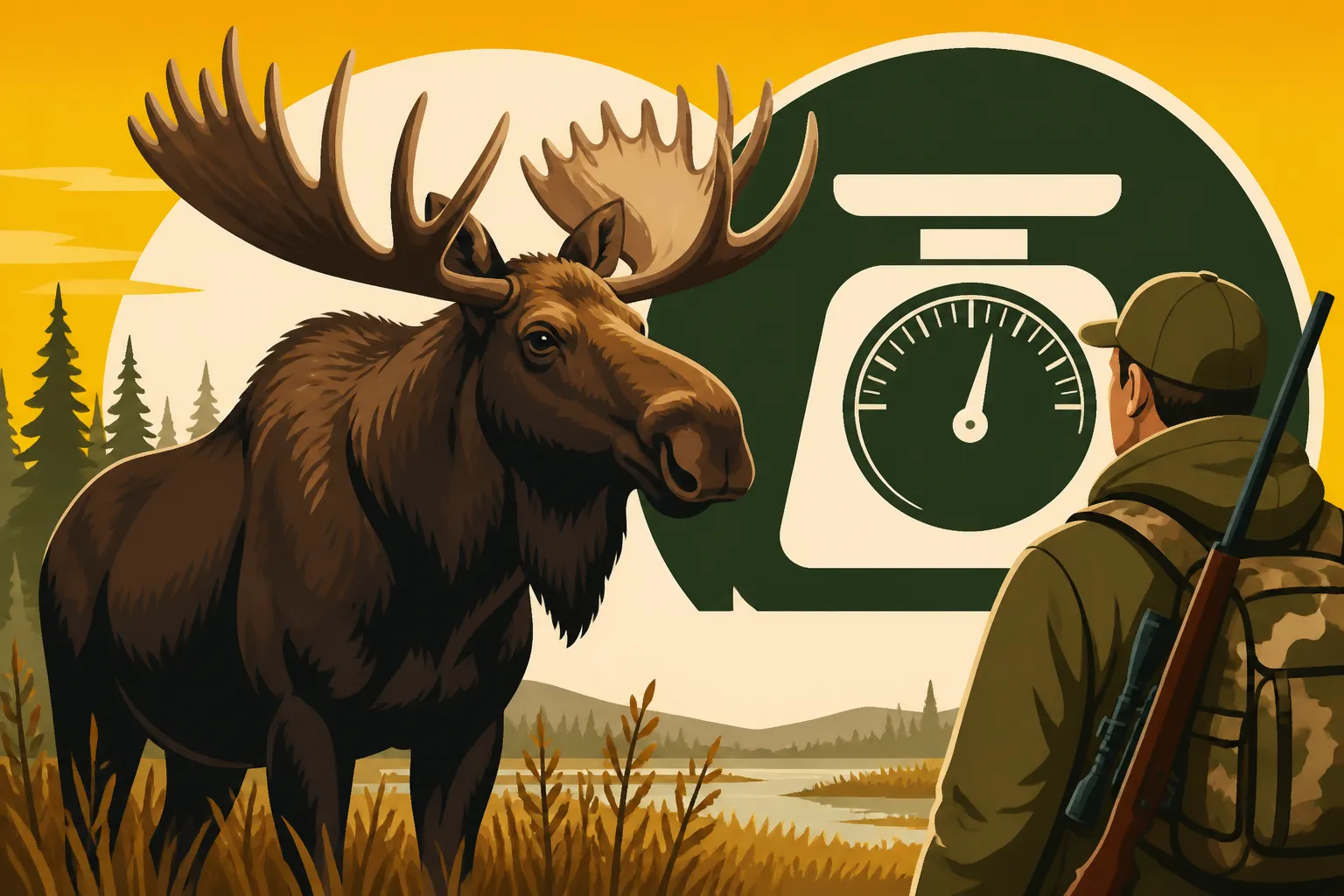
There’s nothing quite like standing next to a fully mature bull moose in Manitoba. Their sheer size is something you truly can't grasp until you're there, eyes wide, wondering just how much that incredible animal truly weighs. This guide aims to pull back the curtain on those majestic weights, exploring not just the numbers, but what those figures mean for planning your hunt and understanding these magnificent creatures.
The Sheer Scale of a Manitoba Bull Moose
Manitoba is known for producing some truly massive game animals, and our moose are no exception. These aren't your smaller, often-seen whitetail deer; we're talking about animals that can dwarf a horse. The raw numbers can be startling, and they certainly add to the respect we have for these giants of the boreal forest.
Average Weights and "Big Bull" Expectations
When we talk about a "big bull" moose in Manitoba, we're generally referring to an animal that's reached full maturity, often between 5 to 10 years old or more. While individual weights can vary dramatically based on factors like age, genetics, and habitat quality, a fully mature Manitoba bull moose typically weighs in the range of 1,000 to 1,400 pounds live weight. Some truly exceptional specimens, particularly those from remote, nutrient-rich areas of the northern boreal forest, can push that upper limit, sometimes even exceeding 1,500 pounds!
To put that into perspective, consider the average car, which weighs around 3,000 to 4,000 pounds. A mature bull moose is a substantial fraction of that weight, packed into muscle and bone. This impressive bulk is what allows them to thrive in our harsh northern winters and navigate deep snow. It’s also why, when you finally get up close to one, the initial thought isn’t just about the antlers, but about the incredible mass of the animal itself. It's an unforgettable experience, making every ounce of effort in the hunt worthwhile.
Factors Influencing a Bull's Weight
Several key factors contribute to the impressive weight of a Manitoba bull moose. Age is paramount; much like humans, moose continue to grow and put on weight for many years. A two-year-old bull will be significantly lighter than a seven-year-old patriarch of the woods. Nutrition, however, plays an equally critical role. Moose are herbivores, and their diet consists of vast quantities of browse like willow, aspen, birch, and various aquatic vegetation. Areas with abundant, high-quality forage allow bulls to develop larger body sizes and carry more fat reserves, which are crucial for surviving our long winters and fueling antler growth.
Genetics also influence a moose's potential size, with certain regional populations naturally predisposed to larger builds. Furthermore, the overall health of the herd and the absence of significant disease or parasite loads can contribute to a robust average body weight. When you're using tools like GoHunt to research potential hunting areas, understanding the quality of the habitat and the typical health of the moose population in that region can give you a better idea of the size of animals you might encounter. Ultimately, a combination of years, good food, and strong genes leads to the truly enormous bulls that Manitoba is famous for.
Understanding the Practical Implications for Hunters
The sheer size of a Manitoba bull moose means that a successful hunt isn't just about the shot; it's about the monumental effort required afterward. This isn't a whitetail you can just drag to the truck. Hunters need to be physically prepared and have a solid plan for processing and extracting such a massive animal.
Estimated Meat Yields and Carcass Processing
When you take down a moose, you're looking at a huge amount of prime wild game meat. While the live weight is impressive, it's the dressed weight and boneless meat yield that really matters to the hunter. A good rule of thumb is that the dressed weight (eviscerated, head and hide removed) will be roughly 60-70% of the live weight. So, a 1,200-pound bull might yield 720-840 pounds of dressed carcass. From that, you can expect about 50-60% boneless, usable meat. That’s anywhere from 360 to over 500 pounds of boneless meat from one animal!
This volume of meat means careful planning for preservation, especially if you're hunting in warmer early season conditions. Quick, efficient field dressing and cooling are critical. Many hunters opt to quarter the animal in the field immediately, which helps with cooling and makes extraction more manageable. Knowing how to expertly perform Quartering a Moose Alone in the Bush can be a lifesaver, though it's much easier with a partner! This table gives a rough idea of what to expect:
| Live Weight (lbs) | Dressed Weight (approx. 65%) (lbs) | Boneless Meat Yield (approx. 55%) (lbs) |
|---|---|---|
| 1000 | 650 | 357 |
| 1200 | 780 | 429 |
| 1400 | 910 | 500 |
| 1500+ | 975+ | 536+ |
The Logistical Challenges of a Harvest
Getting a massive moose out of the dense Manitoba bush is often the hardest part of the hunt. Imagine trying to move hundreds of pounds of meat over uneven terrain, through muskeg, thick brush, or deep snow. This isn't a one-person job, and a good plan is essential. For many, this involves using an ATV or side-by-side. Learning the ins and outs of Getting a Moose Out With a Quad can save you hours of back-breaking labor and potential injury.
In more remote areas, especially during a late-season hunt, getting a moose out might involve a snowmobile and sled, or even a pre-arranged horse pack team. If you're hunting in areas accessible by boat, that can also be a viable option. What's absolutely vital is having enough manpower, the right equipment, and a clear strategy before you even pull the trigger. Consider the terrain where you plan to hunt – is it relatively open timber, or dense, swampy lowlands? Your extraction plan needs to be tailored to those specific conditions. Knowing the lay of the land, perhaps by utilizing mapping features from a service like GoHunt, can help you scout potential extraction routes long before you head into the field.
Regional Variations in Manitoba's Moose
Manitoba is a vast province, stretching from the agricultural south to the tundra transition in the far north. This diverse landscape means that moose populations, and subsequently, their average sizes, can vary depending on the specific region they call home.
Northern Boreal Giants vs. Parkland Moose
If you're dreaming of truly colossal bulls, the vast expanse of Manitoba's northern boreal forest is often where you'll find them. Areas north of The Pas, extending into the more remote reaches of the province, are known for robust moose populations that tend to produce some of the largest animals. This is largely due to the combination of excellent, undisturbed habitat, an abundance of prime browse, and often, less human pressure compared to more accessible regions. These are the areas where bulls can live to old ages, accumulating size and weight year after year.
Conversely, moose found in the more southern Parkland regions, or fringe areas bordering agricultural land, might average slightly smaller. While still incredibly large animals, these populations might experience different pressures or have access to varied diets that result in a slightly lesser average weight than their northern counterparts. However, don't mistake "slightly smaller" for "small" – a Parkland bull is still a behemoth! Understanding these regional nuances is key when you're looking into Moose Across Manitoba's Boreal Forest versus other areas.
Diet and Habitat Quality's Impact
The quality and abundance of food sources are perhaps the most critical environmental factors affecting moose weight. Moose are voracious eaters, requiring a huge amount of forage daily. In areas with rich, diverse browse – think lush willow bottoms, young aspen stands following a wildfire or logging operation (like a Hunting a Burned-Over Boreal Block), or numerous beaver ponds providing aquatic vegetation – bulls have the fuel to grow large and healthy. Protein content and mineral availability in the browse also play a role in their overall development.
Habitat quality extends beyond just food; it includes ample cover for bedding, protection from predators, and access to water. Undisturbed habitats allow moose to conserve energy, allocate more resources to growth, and avoid stress, all of which contribute to larger body size. If you're looking to maximize your chances of encountering a truly big bull, focus your scouting efforts, perhaps using a tool like GoHunt to identify areas known for their prime habitat and forage, and consider hunting during favorable conditions that align with Manitoba Big Game Season Dates when animals are generally at their peak condition.
Disclaimer
This article is for general informational purposes only and does not constitute professional advice. Laws, prices and regulations vary by location and change over time. Consult a qualified professional for guidance on your specific situation.