How Drought Moves Manitoba Game
Oh, the Manitoba hunter's perpetual dance with the weather! One of the most frustrating and challenging elements we face out here isn't just the bone-chilling cold or the sudden blizzards, it's the insidious creep of drought. When the rains don't come and the landscape starts to bake, it fundamentally shifts how and where our beloved game animals live. This guide will walk you through exactly how drought conditions force Manitoba game to move and adapt, and what that means for your hunting strategy, helping you understand the subtle, yet critical, changes on the landscape.
The Thirsty Land: How Water Scarcity Dictates Movement
When the skies hold back their bounty, the first and most obvious impact is on water. For us as hunters, this means the landscape we’ve come to know and rely on can transform dramatically. Those reliable sloughs, potholes, and even smaller creeks become mere memories, forcing animals to seek out the few remaining liquid lifelines. It’s a harsh reality that can turn lush areas into dust bowls, leaving game animals with limited options.
Drying Potholes and Sloughs
Imagine those quintessential prairie potholes and shallow sloughs, usually brimming with life and acting as magnets for everything from ducks to deer. In a drought year, these are often the first to disappear. They simply evaporate, leaving cracked mudflats where ducks once dabbed and whitetails once waded. For years, I’ve hunted areas where a bustling slough bottom, thick with cattails and surrounded by browse, would be a hot spot. Then, a dry summer hits, and it’s just a barren bowl. The deer, which might have relied on these smaller, scattered water sources for daily hydration, are suddenly forced to travel further.
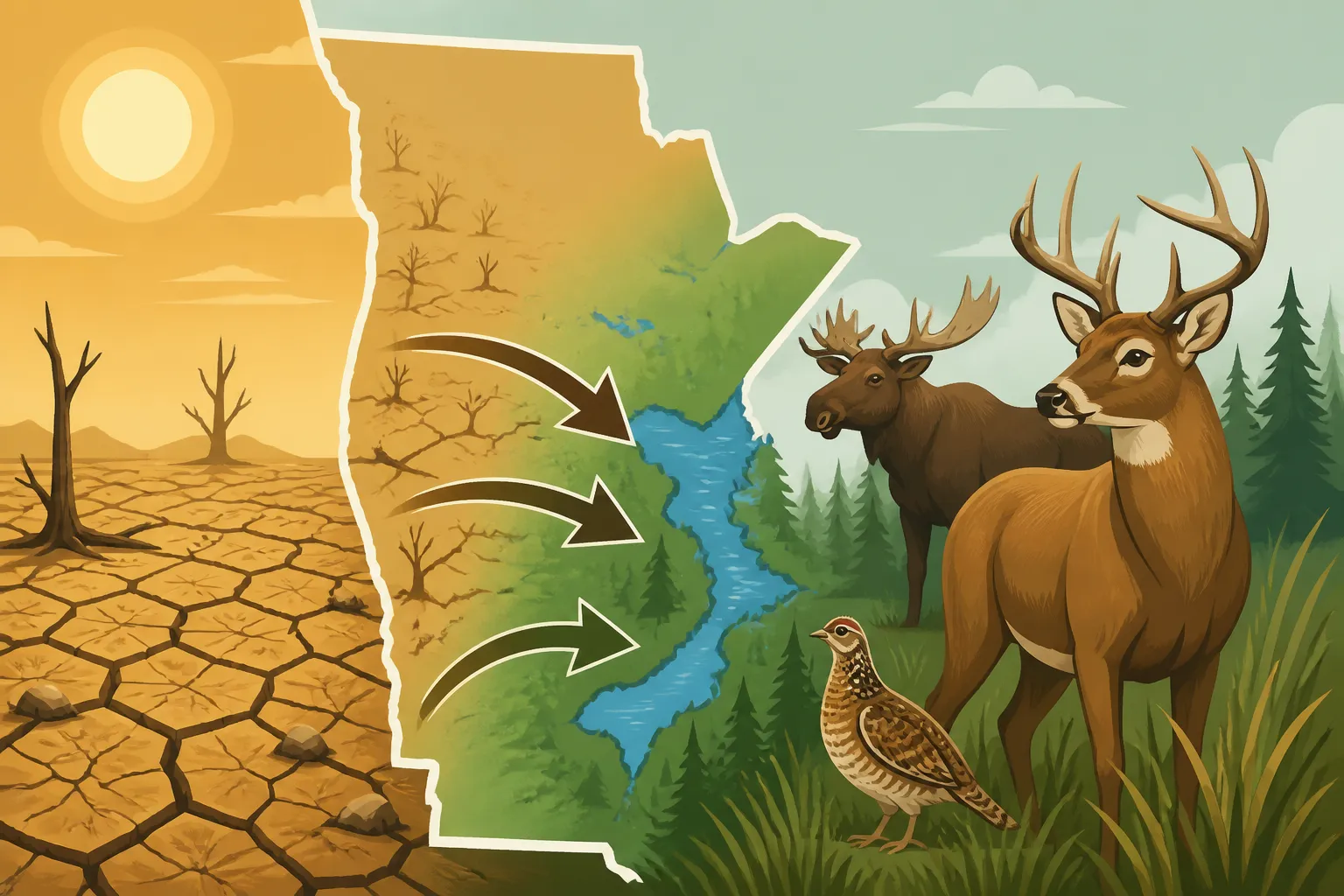
This movement isn't just about quenching their thirst; it's about altering their entire routine. Instead of having water readily available within their established home range, they might have to venture a mile or two, or even more, to find a permanent source. This concentrates them around bigger lakes, deeper river systems, or man-made dugouts that still hold water. What this means for us is that those smaller, isolated patches of cover near a once-reliable pothole become much less attractive to game. Instead, you need to be focusing your efforts around larger, more resilient water bodies.
River and Lake Level Fluctuations
It’s not just the small stuff that dries up. Even our larger rivers and lakes can see significant drops in water levels during prolonged drought. While they might not completely disappear like a slough, lower water means less accessible shoreline browse, different thermal cover along the banks, and altered travel corridors. A river that once provided a natural barrier or funnel for deer movement might become easily crossed, or expose new sandbars that animals avoid.
Think about a river valley, like sections of the Assiniboine River or the Pembina River. Normally, these provide consistent water and lush vegetation, creating ideal habitat. In a drought, the river still flows, but the surrounding vegetation might be stunted, and the bank access points change. Moose, for example, rely heavily on aquatic vegetation found in shallow waters. If water levels drop significantly, that food source becomes unavailable, pushing them to seek out deeper, cooler waters or entirely different areas. This can be particularly noticeable for species like moose, as highlighted in my guide on Moose Across Manitoba's Boreal Forest. Lower lake levels can also expose new land, creating temporary travel lanes or bedding areas that weren't there before, or conversely, making traditional access points to water more difficult for animals to reach. This kind of environmental stress can even tie into bigger picture discussions, like What Drought Does to Prairie Game, offering a wider perspective on the impacts.
The Barren Pantry: Impact on Forage and Food Availability
Beyond water, drought utterly redefines the menu for Manitoba’s wildlife. The lush green landscapes we associate with bountiful growth simply don't materialize, leaving animals scrambling for nutrition. This scarcity of quality forage changes feeding patterns, energy levels, and ultimately, where animals spend their time.
Reduced Green-Up and Quality
When the spring and summer rains are scarce, the natural world struggles to produce the lush green forage that deer, elk, and moose rely on. We're talking about everything from young aspen shoots to clover, alfalfa, and native grasses. In a drought year, these plants are either stunted, dry up quickly, or simply don’t germinate well in the first place. The quality of what does grow is also often lower, meaning animals have to eat more of it to get the same nutritional value, which is energy they might not have to spare.
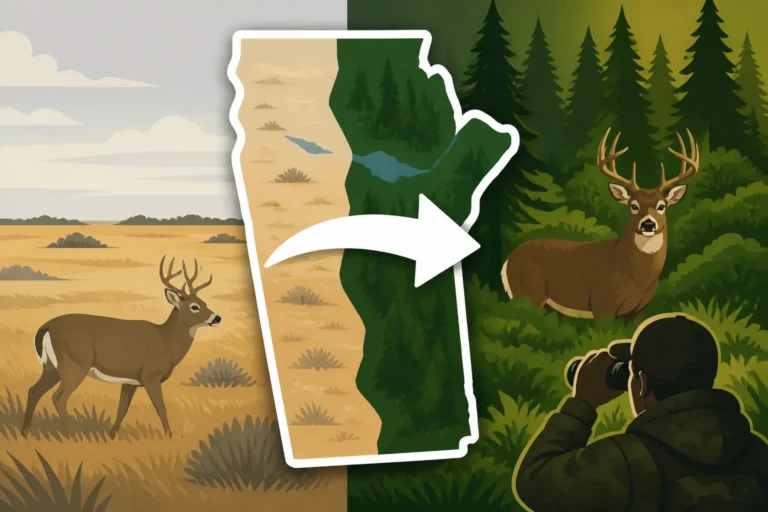
I've seen it firsthand in the Parkland region: areas that should be waist-high with browse are barely ankle-deep. This forces animals to become less selective, sometimes even consuming less palatable vegetation out of sheer necessity. It also means they’ll expand their foraging range, moving through areas they might typically avoid, just to find something nutritious. If your typical early season stand relies on a lush, natural food plot, a drought year might render it useless, as the deer have moved on in search of better groceries. You’ll need to adjust your scouting to find where the remaining pockets of green are, perhaps areas with deeper soil or closer to resilient water sources.
Crop Resilience and Attraction
Interestingly, while natural forage suffers, agricultural crops can sometimes become even more of a draw during drought conditions. Farmers, with their irrigation systems and more resilient crop varieties, might inadvertently create oases of green in an otherwise parched landscape. A field of standing corn, soybeans, or even a late-cut hayfield can stand out like a beacon to hungry animals. These fields often become prime feeding grounds, concentrating deer, elk, and even some moose around their edges.
While a landowner might not appreciate this, for us as hunters, it's a critical piece of the puzzle. Deer that might normally disperse across vast tracts of bush will consolidate their feeding efforts around these more robust food sources. This means focusing your efforts on Hunting a Standing Canola Field Edge or Hunting a Swathed Grain Field at Dusk becomes even more effective. However, it’s not always a sure bet; some crops might fail completely in severe drought, but those that survive become high-value targets. This concentration can lead to more animals in a smaller area, but it also means more competition and potentially more nocturnal movement as they feel the pressure. Always remember to get proper permission when hunting private land!
Shifting Cover and Habitat Use
Drought doesn't just impact what animals eat and drink; it fundamentally changes their perception and use of cover. The dense, cool, and often moist habitats that provide security and thermal regulation in normal years can become hot, dry, and exposed, forcing game to reconsider their safe havens.
Concentrated Thermal Cover
When the sun beats down relentlessly and the foliage thins, animals are desperate for thermal cover – places that offer shade and a slight respite from the heat. This often means they'll seek out the densest, shadiest timber available, even if it's not their preferred bedding in a typical year. North-facing slopes, deep river bottoms, and thick stands of mature spruce or pine become invaluable sanctuaries. These areas might be few and far between in some regions, leading to a much higher concentration of animals in these specific pockets.
Consider a hot, dry September during the Bowhunting Manitoba's Early Season. Whitetails won't be lounging in a sparse willow clump. They'll be packed into the coolest, darkest bush they can find, often near any remaining water source. This means areas like heavy stands of poplars, especially those with an understory of hazel or dogwood, become crucial. Hunters need to adapt by looking for these very specific, dense cover types and focusing their scouting there. A tool like GoHunt, with its detailed satellite imagery, can be invaluable for pinpointing these remaining bastions of thermal cover, especially when looking at the subtle differences in canopy density or vegetation types.
Exposed Bedding Areas
Conversely, areas that typically provide excellent bedding cover can become too exposed or too hot during a drought. Sparse tree lines, smaller bluffs, or open willow runs, which might offer good visibility and moderate thermal regulation in a normal year, simply don't cut it when temperatures soar and the sun is relentless. Animals will abandon these spots in favor of truly dense cover, which often means moving into bigger, older growth timber.
This change is particularly noticeable for deer. Where they might normally bed down in a small aspen bluff overlooking a field, a drought forces them deeper into the woods, or into those incredibly thick, almost impenetrable stands of bush. This makes them harder to find and pushes them into areas where hunter access might be more challenging. It also means that familiar bedding patterns, like those discussed in Reading Whitetail Sign in Manitoba Aspen, will be altered, forcing us to re-evaluate what constitutes ideal bedding cover in drought conditions. We have to think like the animal: where would I go to escape this oppressive heat and sun, while still feeling secure? Often, it's not where they'd be in a mild year.
Behavioral Changes in Key Species
Drought isn't just about moving game; it also alters their daily rhythms, social interactions, and overall resilience. Understanding these behavioral shifts is paramount for any hunter hoping to connect with game during a dry spell.
Deer Movement Patterns
Whitetails are incredibly adaptable, but drought pushes them to their limits. Their movement patterns become more focused around the remaining resources. Instead of meandering through diverse habitats, they become "commuters" between prime feeding areas and robust water sources, often using the thickest, most secure cover for travel. You'll likely see less random movement and more purposeful travel. Furthermore, activity often shifts to the cooler parts of the day. Dawn and dusk become even more critical, and mid-day activity can drop off significantly as deer seek refuge from the heat.
I've observed that in severe drought, deer might even become more nocturnal, waiting for the coolest hours of darkness to move and feed, especially if hunting pressure is also a factor. This makes morning and evening hunts crucial, and sometimes, a patient, all-day sit in a well-chosen stand becomes the only way to intercept them. This ties directly into understanding where they will seek shade and water. For example, knowing Where Manitoba Whitetails Bed in Deep Snow gives insight into their preference for heavy cover in harsh conditions, which can be mirrored in drought's heat stress.
Moose and Elk Adjustments
Moose and elk, being larger animals, are particularly sensitive to heat stress and require significant amounts of water and forage. In a drought, moose will gravitate towards larger, deeper bodies of water like lakes and significant rivers, or to wetter boreal forest areas with persistent marshy spots. Their preferred aquatic vegetation might be scarcer, forcing them to browse more terrestrial plants, which can be less nutritious. Elk, particularly in the Parkland regions like those around Riding Mountain National Park, will concentrate around remaining water sources and robust agricultural fields, similar to deer, but their sheer size often means they need even more consistent access.
We’ve seen Why Manitoba Moose Numbers Fell in some areas, and environmental stressors like drought certainly don't help. The lack of lush, moist browse and accessible water can put immense pressure on them. They'll adjust their range, often traveling considerable distances to find cooler, wetter microclimates. This might mean moving into areas of the boreal forest that remain green and damp longer, or hunkering down in the densest, shadiest timber they can find, only moving out at night. If you’re hunting in areas typically frequented by moose, expect them to be tight to the biggest swamps or deep bush with residual moisture, perhaps even changing their travel habits along an Hunting a Hydro Line Right-of-Way if it offers better shade.
Waterfowl Dispersal
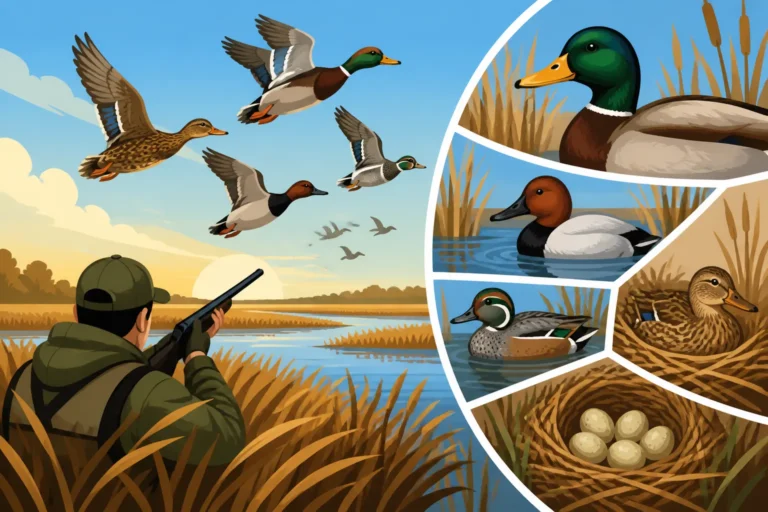
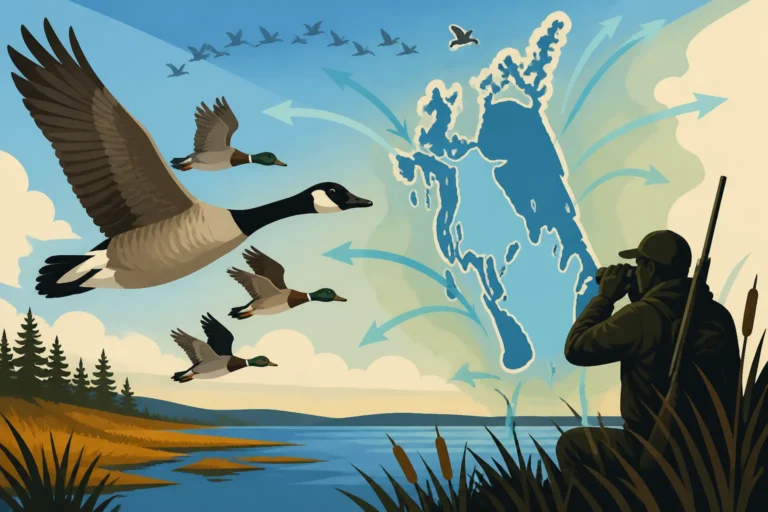
Drought's impact on waterfowl is perhaps the most immediate and visually striking. When prairie potholes, sloughs, and shallow marshes dry up, ducks and geese are forced to abandon their traditional breeding and staging grounds. They disperse, often migrating much earlier than usual, or concentrating on the few remaining large bodies of water. This can lead to incredible concentrations of birds on major lakes and rivers, but also means vast areas of prime wetland habitat become barren and devoid of fowl.
For waterfowl hunters, this means your usual honey holes for Marsh Hunting Ducks in the Interlake might be dry and dusty. You'll need to shift your focus dramatically to larger, more permanent water bodies, or to agricultural fields near those remaining water sources. Identifying where these birds are forced to congregate is key. Using up-to-date aerial imagery on GoHunt can assist in locating these crucial water features that remain, allowing you to focus your scouting efforts where the birds are likely to be.
Hunter Considerations and Adaptation
Hunting in a drought year isn't about giving up; it's about being smarter, more observant, and adapting your strategy to the conditions the animals are facing. What works in a wet year often won't cut it when the land is parched.
Scouting Strategies in Dry Conditions
Your scouting strategy needs a complete overhaul during a drought. Forget your usual haunts for a moment and put on your "drought glasses." You need to actively seek out the remaining critical resources: water, quality food, and dense thermal cover. This means hitting the ground (or reviewing satellite maps) to identify those precious dugouts, deeper river bends, and the densest, shadiest timber blocks. Instead of looking for general deer sign, you're looking for sign around these specific, high-value resources.
Pay close attention to where animals are accessing water. Are there fresh tracks at a dried-up slough's edge, indicating it's still holding some moisture? Or are all the tracks leading to a larger, more permanent water source? Look for browse lines in areas that seem to be holding more green vegetation. Use tools like GoHunt to analyze changes in vegetation greenness or identify persistent water bodies that might not be obvious from a road. This proactive and resource-focused scouting is what will put you ahead. It's about a complete shift in mindset, from simply Scouting a Manitoba Game Hunting Area to intensely focusing on scarce resources.
Adapting Stand Locations and Tactics
Once you've identified these crucial resource hubs, your stand locations and tactics must adapt. Traditional funnels or pinch points that rely on abundant cover might not be as effective if the animals are forced into entirely different travel corridors. Instead, consider setting up directly on trails leading to the remaining water sources, or along the edges of the most resilient food plots.
If animals are more nocturnal due to heat and pressure, consider morning hunts that extend well into mid-day, or evening hunts that start earlier and last until dark. Patience becomes even more critical. You might need to sit longer in a high-percentage spot, knowing that animals are moving less frequently but with more purpose. For instance, instead of Hanging a Stand on a Manitoba Bush Edge randomly, ensure that edge leads directly to a known water source or the densest bedding cover. During the Hunting the Rut in Early to Mid November, drought can mean bucks are still very focused on resources, so combining rut tactics with resource-based stand placement is key.
Here's a quick comparison of hunting conditions in normal vs. drought years:
| Feature | Normal Year Hunting | Drought Year Hunting |
|---|---|---|
| Water Sources | Dispersed, small sloughs, potholes, creeks all active. | Concentrated around larger lakes, rivers, deep dugouts. |
| Forage | Abundant, widespread natural browse and crops. | Scarce natural browse; resilient crops become high-value. |
| Cover | Diverse bedding options, good thermal regulation. | Denser timber, north-facing slopes, deep valleys for shade. |
| Animal Movement | More dispersed, predictable patterns, daytime activity. | Concentrated travel paths, increased nocturnality, purposeful movement. |
| Hunter Focus | General habitat, funnels, common trails. | Identifying specific, remaining water, food, and dense cover. |
| Hunting Hours | Peak activity at dawn/dusk, some mid-day movement. | Extended sits, focus on early morning/late evening; patience. |
Waterfowl Field Selection
For waterfowl hunters, drought conditions mean a fundamental re-evaluation of field selection. The days of simply picking a stubble field near a large, healthy marsh are often gone. Instead, you need to scout relentlessly for fields within close proximity to the remaining significant water bodies. These birds will be flying farther to feed, and they will be concentrated.
This means putting in the windshield time, talking to farmers, and using mapping tools to identify where birds are flying from and to. Look for those fields of Hunting a Swathed Grain Field at Dusk that are directly on a flight path between a major lake and a consistent feeding area. Scouting for "X" marks the spot becomes even more critical, as the birds will be funneling into fewer, more reliable locations. This is especially true for goose species, which can travel many miles for food, as you'd find when Field Hunting Geese in Manitoba Stubble. Don't be afraid to change your game plan daily, as birds adapt to what little moisture and food is left.
Drought years are tough, no doubt about it. They challenge our assumptions and force us to think critically about animal behavior. But with careful observation, smart scouting, and a willingness to adapt, you can still have a successful and rewarding hunt, perhaps even gaining a deeper understanding of the incredible resilience of Manitoba's wildlife.
Disclaimer
This article is for general informational purposes only and does not constitute professional advice. Laws, prices and regulations vary by location and change over time. Consult a qualified professional for guidance on your specific situation.