When the Whitetail Rut Peaks Here
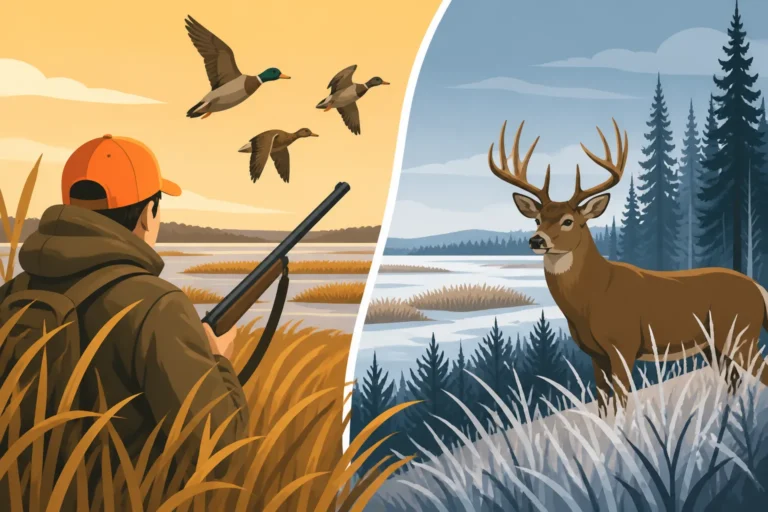
Oh, the whitetail rut in Manitoba! If you've ever spent countless hours in a stand, shivering and wondering why the woods feel so dead, only to hear stories of a buddy seeing bucks chasing does like mad just a week later, you know the frustration. Pinpointing that exact window when whitetails lose their minds and movement peaks can feel like trying to catch smoke. This guide is all about helping you understand the rhythm of the rut in our incredible province, so you can be in the right place at the right time.
Understanding the Whitetail Rut in Manitoba
The whitetail rut isn't just a single day on the calendar; it's a dynamic, multi-week event driven by a complex interplay of biology and environmental factors. For many hunters, it's the most exciting time of year, offering unparalleled opportunities to encounter mature bucks that are usually incredibly elusive. But to truly capitalize on it, you need to understand what makes it tick.
What Triggers the Rut
At its core, the whitetail rut is triggered by photoperiod, which is simply the changing length of daylight. As the days grow shorter in the fall, a deer's brain registers this decrease in light, prompting hormonal changes that kick off the breeding cycle. This biological clock is remarkably consistent year after year, ensuring that fawns are born in spring when conditions are most favorable for survival. Testosterone levels in bucks surge, leading to aggressive behavior and an intense desire to find receptive does. Estrogen levels in does also fluctuate, eventually signaling their readiness to breed. While photoperiod is the primary driver, other factors certainly play a supporting role, influencing when peak activity is observed within that larger window.
Beyond the fundamental light cycle, environmental factors often act as catalysts, dictating the intensity and visibility of rutting behavior. A sudden drop in temperature, for instance, especially after a spell of warm weather, can ignite deer movement. A fresh blanket of snow can also kick things into high gear, making deer more visible against the white backdrop and often coinciding with colder temperatures that prompt deer to move more to maintain body heat. Conversely, unseasonably warm weather can suppress daylight activity, pushing the bulk of movement into the cooler hours of darkness, which is a real bummer for hunters who live for those crisp, rut-filled days. It’s never just one thing, which is why hunting during the rut often feels like a puzzle.
The Different Phases of the Rut Cycle
The rut isn't a continuous frenzy; it unfolds in distinct phases, each characterized by unique deer behaviors. Understanding these stages is crucial for adjusting your hunting strategy and maximizing your chances of success.
The first stage is often called the "pre-rut." This usually begins in late October and continues into early November. Bucks start to feel the hormonal surge, becoming more active. They'll begin laying down their scent by making rubs on trees and establishing scrapes, which are essentially calling cards for other deer. During this phase, bucks are feeling their oats, but does aren't yet receptive. You might see bucks cruising, checking out doe groups, and testing the waters. This is a fantastic time to be in the woods, as bucks are still somewhat predictable, sticking to established travel corridors and responding well to calling and rattling. They're establishing dominance and feeling out their territory, making them more vulnerable to tactics like rattling and calling. You might even want to check out our guide on Rattling and Calling Parkland Whitetails to hone your skills during this exciting period.
Next comes the "peak rut" or "chase phase," typically mid-November in most of Manitoba. This is when the fireworks really start. Does enter estrus, and bucks will abandon much of their cautious nature to find and breed them. This is often characterized by frantic chasing, with bucks pushing does, sometimes for hours on end. Older, more dominant bucks often lock down a receptive doe for a day or two, guarding her from rivals. Deer movement can become erratic and unpredictable, as bucks might appear anywhere, seemingly out of nowhere, following a hot scent trail. This is the time when sitting all day in your stand can really pay off, as deer activity can be sporadic but intense, with mature bucks appearing at any time. For those looking to hunt this peak, our detailed article on Hunting the Rut in Early to Mid November offers invaluable insights.
Finally, we transition into the "post-rut." After the main breeding activity subsides, usually towards late November and into December, bucks are exhausted. They've burned through a tremendous amount of energy during the chase, often losing significant body weight. Their primary focus shifts to recuperating and feeding heavily, trying to put on weight before winter truly sets in. Does that weren't bred during the first cycle may come into estrus again later, leading to a "secondary rut," but the intensity is typically much lower. During this phase, deer return to more predictable patterns, often concentrating around food sources. Hunters need to adjust their tactics away from aggressive calling and rattling and focus more on food and bedding locations.
When the Magic Happens: Pinpointing Peak Rut in Manitoba
While the overall rut window is consistent, understanding the specifics of when the true peak occurs in Manitoba is what can give you an edge. It's not a single day, but a several-week period where activity ramps up, peaks, and then winds down.
General Timelines Across the Province
In Manitoba, the whitetail rut generally kicks into high gear during the second and third weeks of November. This is when the majority of does become receptive, and you'll witness the most intense buck activity, including chasing and breeding. While some early signs like rubs and scrapes might pop up in late October, and secondary rut activity can extend into early December, mid-November is almost universally considered the sweet spot for peak daylight movement across the province.
For instance, hunters in the fertile Parkland region, stretching from areas like the Duck Mountain all the way south to the Pembina Valley, often report the most consistent and visible rut activity during this mid-November timeframe. The abundant food sources and diverse cover here really fuel the deer population, and the competition among bucks can be fierce. Even in the more rugged bush country of the Interlake or Eastern Shield, the core biological trigger remains the same, making those mid-November weeks prime time. When planning your hunt, services like GoHunt offer detailed maps and historical data that can help you cross-reference this general timeline with specific Game Hunting Area (GHA) information. It’s a great tool to visually scout areas and understand how various factors might converge during these crucial weeks. You can also consult resources like Manitoba's Whitetail Season Dates by GHA to ensure your hunting dates align with this peak activity.
Weather's Influence on Rut Activity
While the calendar sets the stage, weather writes the script for daily rut performance. Cold fronts are arguably the biggest game-changer during the rut. A sharp drop in temperature after a mild spell almost always results in an explosion of deer movement. It's as if the deer are recharged, and the colder air seems to invigorate them to cover more ground. These colder conditions make bucks more apt to chase and does more likely to be moving in search of food during daylight hours.
Conversely, a warm front or unseasonably high temperatures can be incredibly frustrating. I've personally experienced mid-November days that felt more like early October, with bucks seemingly disappearing into thin air during daylight. During these warm spells, deer, especially mature bucks, tend to become largely nocturnal, doing their chasing and breeding under the cover of darkness. This means hunters need to adapt, focusing on morning and evening sits, or even considering all-day sits in strategic locations near dense bedding cover, hoping to catch a buck making a brief daylight appearance between movements. A fresh snowfall, especially a light one, can also dramatically increase visible activity. Not only does it make deer stand out, but it often accompanies colder, crisp air, which, as mentioned, really gets deer moving. So, while you can't control the weather, paying close attention to the forecast leading up to and during your hunt is absolutely critical for maximizing your time in the woods during the peak rut. Remember, even if the general timeline holds, daily weather dictates hourly success.
Decoding Deer Sign for Rut Activity
Knowing when the rut should be peaking is one thing, but truly understanding if it’s happening in your specific hunting area requires you to become a detective of the woods. Deer leave behind a wealth of clues that tell a story of their activity, and learning to read these signs is paramount for rut success.
Scrapes and Rubs: More Than Just Markings
Scrapes and rubs are the most visible indicators of buck activity and are essentially a buck's way of advertising his presence and readiness to breed. A rub is created when a buck scrapes his antlers and forehead against a small tree or sapling, depositing scent from glands on his head. Early in the pre-rut, you'll see scattered rubs as bucks begin to shed velvet and test their antlers. As the rut intensifies, rubs become more numerous and larger, often appearing along travel corridors, signaling a buck's consistent movement through an area. The height and diameter of the rubs can also give you clues about the size of the buck making them – a truly big buck will often rub larger trees.
Scrapes, on the other hand, are pawed-out patches of bare earth, typically under an overhanging branch. Bucks will urinate over their tarsal glands into the scrape, further saturating it with their unique scent, and then work the overhead branch with their antlers and mouth, depositing more scent. Scrapes are the whitetail equivalent of a personal ad. You'll often find "primary scrapes" along field edges or within cover, which are revisited frequently by multiple deer. As the rut heats up, these scrapes become freshly worked daily, indicating a high level of activity. Checking a freshly worked scrape is like reading the morning paper for deer. The more fresh sign you find, the closer you are to peak rut in that specific location. Learning Reading Whitetail Sign in Manitoba Aspen can help you interpret these subtle cues.
Visual Cues and Behavior Patterns
Beyond the physical markings left on trees and ground, direct observations of deer behavior offer invaluable insights into the rut's progression. One of the most telling signs that the rut is kicking in is the sudden appearance of bucks in daylight hours. Before the rut, many mature bucks are primarily nocturnal, but during the peak, their drive to breed often overrides their caution, making them more visible during legal shooting light.
Keep an eye out for certain behaviors:
- Chasing: This is the most obvious sign. If you see a buck actively pursuing a doe, the rut is on. The more intense and frequent the chases, the closer you are to the breeding peak.
- Vocalizations: Bucks will often grunt or make tending grunts as they follow a doe. You might also hear doe bleats if a buck is pushing her hard. These sounds can carry surprisingly far and are often your first clue that something is happening nearby.
- Body language: Bucks in rut often have swollen necks, appearing thicker and more muscular. Their posture can be more assertive, and they might carry their heads low, sniffing the ground for doe scent.
- Doe groups: Observe how doe groups are behaving. Are they relaxed, or are they constantly looking over their shoulders, indicative of bucks harassing them? When does start running from bucks, or holding tight to cover, you know the intensity is ramping up.
- Dominance displays: Watch for bucks sparring or posturing against each other. This establishes the pecking order and indicates a heightened level of competition for breeding rights.
When you start seeing multiple of these visual cues, it’s a clear signal that it’s time to commit to those all-day sits, because the action is likely to be hot and heavy. GoHunt's community features can sometimes offer real-time reports from other hunters, giving you a wider picture of current activity, although nothing beats your own boots on the ground.
Strategies for Hunting Manitoba's Peak Rut
When the rut is on in Manitoba, it’s a magical time, but it also requires a shift in your hunting strategies. What works in early season might not cut it when bucks are single-mindedly focused on does.
Stand Placement and Hunting Tactics
During the peak rut, bucks are constantly on the move, searching for does. This means your stand placement should focus on areas where does congregate or where bucks are likely to travel between bedding and feeding areas, or even just randomly cruising. Look for natural funnels like narrow strips of timber between open fields, saddles on ridges, or pinch points where thick cover bottlenecks into a smaller area. These are prime locations to intercept a buck that's just passing through, following a scent, or chasing a doe. Setting up on a Hunting a Manitoba Bush Edge can be incredibly productive, as bucks often skirt these transitions.
Perhaps the most effective tactic during the peak rut is sitting all day. This is especially true for Manitoba, where the temperature can fluctuate, and deer might move more intensely during unexpected periods. Bucks don't stick to a rigid schedule during the rut; they could be chasing at noon just as easily as at dawn or dusk. If you can tough it out in a comfortable, scent-controlled setup, your odds drastically increase. Many hunters will rotate between morning and afternoon stands, but the dedicated, all-day sitter often reaps the rewards. Consider bringing extra layers and plenty of snacks to make those long hours bearable, especially when Hunting Safely in Deep Winter Cold.
Don't shy away from aggressive calling and rattling. During the pre-rut and peak rut, bucks are competitive and curious. Grunt calls can lure in cruising bucks, while rattling antlers can simulate a fight, drawing in dominant bucks eager to assert their authority or investigate what might be a receptive doe in the vicinity. Decoying can also be effective, especially a lone buck decoy placed strategically where it can be seen from a distance. Just be mindful of your surroundings and hunting pressure, as too much calling can sometimes spook wary deer.
Using Technology and Scouting Tools
In today's hunting world, technology can be a huge asset in understanding and hunting the rut. Trail cameras are invaluable. Set them up on scrapes, rub lines, or known travel corridors, and they'll give you real-time (or near real-time, depending on your setup) intelligence on buck movement patterns and the overall intensity of rutting activity in your specific area. A sudden increase in pictures of bucks, especially in daylight, confirms that the rut is indeed peaking.
Satellite imagery and mapping applications are also game-changers. Tools like GoHunt (which often features detailed mapping layers) or other popular apps allow you to virtually scout vast areas from your home. You can identify potential funnels, pinch points, bedding areas, and food sources before ever setting foot in the woods. This helps you narrow down your search for prime rut stands and makes your time in the field much more efficient. By analyzing terrain features, proximity to water, and cover density, you can often predict where deer will be moving.
Remember, technology is a tool, not a replacement for boots on the ground. Use it to inform your scouting and strategy, but always be prepared to adapt to what the deer are actually telling you in the moment. Pre-season scouting, combined with real-time intel from your cameras and observations, allows you to create a dynamic plan that maximizes your chances when the rut is peaking.
Regional Nuances and Variances
While the general timing of the rut is consistent across Manitoba due to photoperiod, the specific dynamics and how you approach hunting it can vary quite a bit depending on the region and habitat type you're in. Manitoba is a diverse province, offering everything from dense boreal forest to sprawling agricultural lands, and these environments shape deer behavior during the rut.
Parkland vs. Bush Country Rut Dynamics
Manitoba's Parkland region, characterized by a mosaic of aspen bluffs, oak thickets, and rich agricultural fields, often sees a more visually dramatic rut. Here, deer densities can be quite high, leading to intense competition among bucks. You'll likely encounter more scrapes and rubs, and witness more direct interactions between bucks and does. The more open nature of some of the parkland also means you might get more opportunities to observe chasing behavior from a distance. Bucks in these areas will often cruise the edges of cover, moving between blocks of bush and field, making them susceptible to stand placements along these transition zones. This environment can be excellent for calling, as sounds carry well, and bucks are often eager to respond to perceived rivals or receptive does.
In contrast, hunting the rut in Manitoba's dense Bush Country – areas like the Interlake or parts of the Eastern Shield – presents a different challenge. Deer densities might be lower, and the thick cover means you're less likely to observe long-distance chases. Bucks often stick to well-worn trails, old logging roads, and natural openings. The rut here can feel more secretive, but it's no less intense. Bucks are still driven to breed, but they do it under the cloak of dense timber. Successful hunting in the bush often means focusing on tight funnels, tracking fresh sign (even subtle rubs and scrapes can be key), and still-hunting patiently. While you might not see the same visible commotion, bucks are still on the move, and understanding Hunting Whitetails in Manitoba's Bush Country is crucial for success in these areas.
Northern vs. Southern Manitoba Differences
While the core timing of the rut remains tied to photoperiod, minor shifts can occur. In Northern Manitoba, with its slightly shorter daylight hours and often colder early-winter conditions, the peak rut might feel a touch more compressed or intense. The bucks here are often characterized by their impressive body mass, a necessity for surviving harsh winters. Why Manitoba Bucks Grow Heavy Bodies is a testament to the rigorous environment. Deer densities can be lower than in the south, but the remote nature often means less hunting pressure, potentially leading to older, larger bucks. Hunters might focus more on clear-cuts, creek bottoms, and thick stands of spruce where deer seek thermal cover and food.
In Southern Manitoba, particularly in the agriculturally rich zones, deer numbers are generally higher, and the rut can feel more extended. With abundant food sources, bucks can recover more quickly and continue to pursue does later into the season if secondary estrus cycles occur. The accessibility of these areas also means they can see higher hunting pressure, requiring hunters to be more strategic in finding less disturbed pockets of habitat. Regardless of your chosen region, one consistent factor is that bucks are focused on finding does, and does are focused on avoiding bucks (until they're ready to breed). Understanding Where Manitoba Whitetails Bed in Deep Snow can provide crucial insights, especially as the rut often extends into colder weather.
Manitoba Whitetail Rut Phases & Key Behaviors
| Rut Phase | Approximate Timing (Manitoba) | Buck Behavior | Doe Behavior | Hunter Strategy Focus | Key Signs |
|---|---|---|---|---|---|
| Pre-Rut | Late October – Early November | Increased rubbing, scraping, sparring, cruising. | Grouping up, feeding heavily, not yet receptive. | Stand on travel corridors, near food. Calling/Rattling. | Fresh rubs, active scrapes, increased buck sightings. |
| Peak Rut | Mid-November (Weeks 2 & 3) | Frantic chasing, breeding, highly visible, erratic. | Entering estrus, being pursued, seeking dense cover. | All-day sits, funnels, pinch points. Aggressive calling/rattling. | Bucks chasing does, grunting, swollen necks, hot scrapes. |
| Post-Rut | Late November – Early December | Exhausted, recuperating, seeking food/cover. | Feeding heavily, secondary estrus (less common). | Focus on food sources, bedding areas. Less calling. | Bucks feeding alone, reduced chasing, some secondary scrape activity. |
Disclaimer
The information provided in this guide is for general educational purposes only and is not a substitute for official regulations. Hunting laws and seasons in Manitoba are subject to change. Always consult the most current Manitoba Hunting Guide and regulations issued by Manitoba Natural Resources and Northern Development before planning any hunt. Ensure you have the proper licenses, tags, and permissions. Safety should always be your top priority in the field.