Manitoba Fly-In Camps and Float Planes
Many hunters dream of escaping the highway crowds and venturing deep into Manitoba's pristine wilderness, where the air is cleaner, the animals are less pressured, and the sense of solitude is profound. However, reaching these remote hunting grounds often requires a unique approach: fly-in camps accessible only by float plane. If the thought of planning such an adventure feels overwhelming, this comprehensive guide will walk you through everything you need to know about fly-in camps and float plane logistics, bringing your dream of a truly wild Manitoba hunt within reach.
The Allure of Fly-In Hunting in Manitoba's North
There's something incredibly magnetic about Manitoba's northern reaches, a vast expanse of boreal forest, countless lakes, and rugged Canadian Shield terrain that beckons hunters seeking an experience beyond the ordinary. This isn't your typical road-accessible hunt; it's an immersion into true wilderness, where the only tracks you'll likely see are those of wildlife.
Why Go Remote? Accessing Untouched Wilderness
For many of us, the draw of a remote fly-in hunt isn't just about pursuing game; it's about the profound sense of escape and connection to nature that comes with being truly off-grid. When you venture into areas only reachable by float plane, you leave behind the pressure of other hunters, the sound of distant vehicles, and the constant hum of civilization. The wilderness becomes your world, offering a level of solitude and quiet that's increasingly rare in today's bustling world. This translates into a more authentic hunting experience, where success often feels less about competition and more about your skill, patience, and ability to read the land. It's an opportunity to truly challenge yourself, relying on your instincts and preparations in an unblemished environment.
The animals in these remote zones often exhibit different behaviours, being less wary of human presence simply because they encounter it so infrequently. This can sometimes translate to unique hunting opportunities and a more natural interaction with wildlife. Furthermore, the sheer scale of the land means animals have vast areas to roam, leading to different movement patterns and larger ranges than their southern counterparts might have. It's a chance to hunt where the game still largely dictates the terms, and your strategies must adapt to their wild rhythms.
Road-accessible hunting areas, while convenient, often come with their own set of inherent challenges. You might find yourself scouting for weeks only to have another hunter beat you to your prime spot on opening day. The constant presence of other hunters, ATVs, and vehicles can educate animals, making them more nocturnal or pushing them into thicker, harder-to-reach cover. A fly-in hunt sidesteps many of these frustrations, offering a more pristine hunting ground where your efforts are focused solely on the wilderness and its inhabitants, not on navigating human traffic. The satisfaction of overcoming the logistical hurdles and finding success in such a wild setting is an accomplishment that resonates long after the hunt is over.
Ultimately, the decision to go remote is about chasing an adventure, a deeper connection to the hunt, and the raw, untamed spirit of the wild. It’s an experience that tests your mettle, sharpens your senses, and carves memories that last a lifetime, far removed from the everyday.
What Species Call Remote Manitoba Home?
When we talk about fly-in hunts in northern Manitoba, certain species immediately come to mind as the prime targets, thriving in the expansive, sparsely populated boreal forest and tundra transition zones. Moose are undoubtedly a big draw, especially in the vast northern Boreal country. These areas offer the perfect mix of wetland, regenerating forest, and mature timber that moose prefer. Imagine calling in a bull across a still northern lake, the sound echoing through the untouched timber – that's the kind of experience a fly-in hunt can offer. If you're looking for that truly iconic Canadian experience, then pursuing a giant bull in the far north is it. To learn more about where these magnificent animals roam, check out Moose Across Manitoba's Boreal Forest.
Further north, as the boreal forest gives way to the open tundra, the majestic barren-ground caribou become the coveted prize. These animals undertake incredible migrations, and timing a fly-in hunt to coincide with their movement can be absolutely epic. Accessing these vast, open landscapes is often only feasible by air, allowing hunters to reach areas where these herds may stage or pass through. The challenge of a caribou hunt in this environment, often battling the elements in pursuit of a truly wild animal, is unparalleled. You can dive deeper into this experience by reading Barren-Ground Caribou Hunting in Northern Manitoba.
Beyond these flagship species, black bears also thrive in Manitoba's remote bush country. A fly-in bear hunt can offer incredible opportunities, often with very little hunting pressure on specific areas. Outfitters who specialize in fly-in bear hunts will have established bait sites in remote locations, minimizing human disturbance and allowing bears to grow large and less wary. These hunts often offer a chance at impressive colour phase bears as well, adding another layer of excitement to the experience. For more on this, consider exploring Black Bear Hunting in Manitoba. Sometimes, these remote trips can even turn into fantastic combination hunts, where you might pursue bear in the spring and also enjoy some incredible fishing opportunities while at a remote camp.
The Unique Challenges of the Northern Bush
While the allure of remote hunting is strong, it’s essential to be realistic about the challenges that come with venturing into Manitoba’s northern bush. The weather, for instance, can be incredibly unpredictable and harsh. Even in early fall, temperatures can plummet, and sudden snowfalls are not uncommon. Later in the season, conditions can become truly extreme, necessitating specialized gear and mental toughness. Beyond the cold, the northern bush is also famous for its biting insects during certain times of the year – mosquitoes, black flies, and deer flies can be relentless, demanding serious preparation with repellents and head nets.
Navigation in these vast, untamed areas can be a significant hurdle. Unlike southern regions with grid roads and clear property lines, the northern bush is a labyrinth of dense forest, muskeg, countless lakes, and rivers. Without proper training in map reading, GPS use, and compass skills, it's easy to become disoriented. The lack of infrastructure means no quick trips to the nearest town for supplies or help. You are truly on your own, making self-reliance not just a virtue, but a necessity. The vastness of Manitoba's Northern Boreal terrain means every step takes effort, and every direction looks similar.
Physical fitness is absolutely paramount for a fly-in hunt. You'll likely be hiking over uneven ground, through thick cover, and potentially carrying heavy loads of gear, or even game meat, for considerable distances. This is not a hunt where you can expect to sit in a heated blind near a road; it's hands-on, physically demanding work. Your mental preparedness is just as crucial; you need to be ready for long hours, potential discomfort, and the psychological impact of isolation. Having a solid understanding of how to manage in extremely cold conditions is also vital, which you can learn more about in Hunting Safely in Deep Winter Cold.
Another significant challenge, and one that demands careful planning, is game retrieval and meat care. When you're miles from any road or vehicle access, getting a moose or a caribou out of the bush becomes a monumental task. You need to be prepared to quarter an animal efficiently and meticulously, often under challenging conditions, and then pack it out to your camp or a designated pickup point. This process can take hours, even days, and requires robust packing frames, strong backs, and a clear strategy. Proper meat care is also critical in remote settings, especially if temperatures are fluctuating. For insights into preserving your hard-earned harvest, check out Meat Care in Manitoba's Cold Snaps. These hunts are not for the faint of heart, but the rewards for those who embrace the challenge are truly unforgettable.
Understanding Float Plane Charters for Hunters
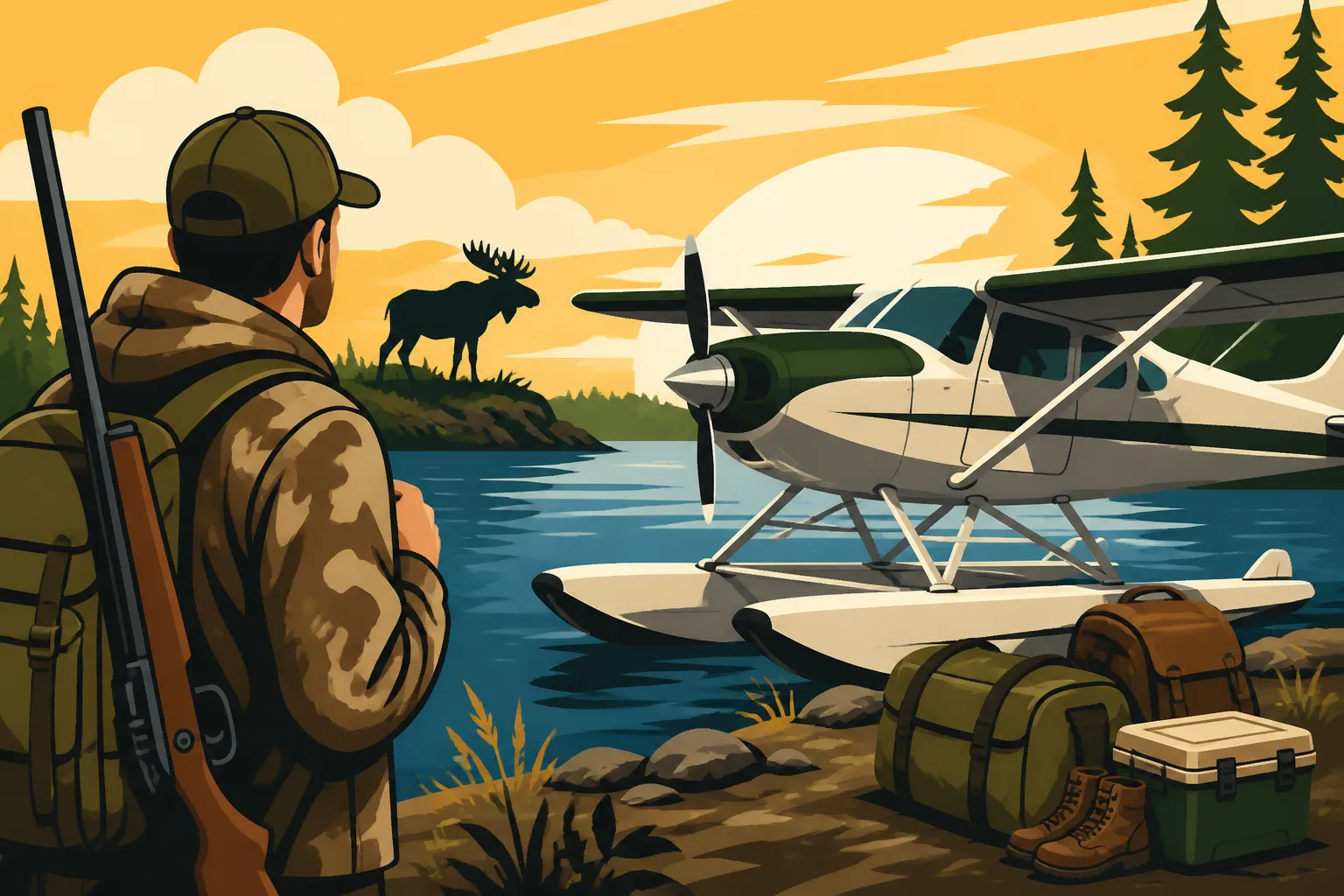
Float planes are the lifeblood of remote hunting in Manitoba. Without them, vast swathes of prime hunting territory would simply be inaccessible. Understanding how these charters work is crucial for planning a successful and safe fly-in adventure.
Planning Your Flight: Weight Limits and Logistics
The single most important factor when planning a float plane charter for a hunting trip is understanding and adhering to strict weight and size limits. Float planes, by their very design, have less payload capacity than land-based aircraft, especially when taking off from water. Every pound matters. This isn't just about avoiding extra fees; it's a critical safety concern directly impacting the plane's ability to take off, climb, and perform safely, especially in potentially challenging conditions like short lakes or high winds. Pilots are meticulous about these limits for a reason.
When calculating your weight, you need to account for everything: yourself, your hunting partners, all your personal gear (clothing, boots, sleeping bag), your hunting equipment (rifle, bow, ammunition), camp gear (tents, cooking equipment, food, water), and critically, the anticipated weight of any game meat you harvest. This often means making tough decisions about what truly constitutes an "essential" item. A good rule of thumb is to pack light and efficiently. Soft-sided duffel bags are often preferred over rigid suitcases, as they are easier to fit into the plane's cargo compartments.
It's absolutely crucial to communicate your estimated gear list, including weights, with your outfitter or air charter service well in advance of your trip. They can advise you on what can realistically be flown in and, just as importantly, what might need to be left behind or staged elsewhere. Sometimes, if your group is large or your gear extensive, it might require multiple flights, which will add significantly to the cost. Being upfront and honest about your gear helps the charter company plan their fuel load and flight itinerary, ensuring a smooth and safe journey. Ignoring these limits can lead to frustrating delays, additional unexpected costs, or even being forced to leave essential gear behind at the dock.
Choosing a Reputable Charter Service
When you're literally putting your life in someone else's hands, choosing a reputable float plane charter service is paramount. Safety and reliability should be your absolute top priorities. Start by looking for companies with a long-standing history of operation and a strong safety record. Word-of-mouth recommendations from other experienced hunters or your chosen outfitter are invaluable here. Don't hesitate to ask about their maintenance schedules, pilot certifications, and the types of aircraft they operate. A professional charter service will be transparent about these details.
You can often find charter services by searching for "Manitoba float plane charters" or through your outfitter, as many have established relationships with specific air services. When you contact them, pay attention to their communication. Are they clear, responsive, and thorough in explaining their services and requirements? This is a good indicator of their professionalism. While cost is always a factor, remember that the cheapest option isn't always the best when safety is on the line. Expect charter costs to be based on either hourly flight time or a flat rate for a specific route. Always confirm current rates directly with the provider, as these can fluctuate based on fuel costs and demand.
Beyond safety, consider the level of service they offer. Do they assist with loading and unloading? Are they flexible with pickup times for your return flight, understanding that hunting success isn't always perfectly predictable? What are their contingency plans for adverse weather conditions that might delay your departure or return? These are all important questions to ask before booking. A good charter service will prioritize communication, keeping you informed about any potential changes due to weather or other operational factors. This foresight and clear planning are what separate a good experience from a potentially stressful one.
What to Expect: From Dock to Drop-Off
The journey begins at the float plane base, often a bustling hub of activity with planes coming and going. Here, you'll meet your pilot and begin the process of loading your gear. Expect a thorough pre-flight briefing. The pilot will explain safety procedures, where to sit, and how to exit the aircraft in an emergency. They'll also carefully weigh all your gear to ensure it's within the aircraft's limits. This can feel a bit like playing Tetris, as gear is strategically placed to balance the aircraft, often with your pilot's expert guidance.
Once loaded, the experience of a float plane flight is unlike anything else. You'll feel the plane accelerate across the water, the pontoons creating a spray, until it lifts gracefully into the air. The views from above Manitoba's vast northern landscape are breathtaking – endless forests, shimmering lakes, and winding rivers unfold beneath you. It's a fantastic opportunity to get a bird's-eye view of the terrain you'll be hunting, offering valuable insights into potential travel corridors, bedding areas, and feeding grounds. While the flight can be noisy, especially in older aircraft, the incredible scenery often makes you forget the drone of the engine. Some flights might encounter turbulence, particularly on windy days or when crossing thermals, so be prepared for a potentially bumpy ride.
The landing itself is a marvel. Your pilot will expertly bring the plane down onto a chosen lake or river, often gliding right up to a pre-arranged beaching spot or a dock at a fly-in camp. The smooth transition from air to water, followed by the gentle bump as the pontoons touch land, marks the start of your wilderness adventure. Unloading is typically a team effort, with the pilot and hunters working together to get gear ashore. As the plane taxis away, leaving you and your group amidst the quiet expanse of the northern bush, a profound sense of isolation washes over you. It's a feeling that truly signals the beginning of your remote hunting experience – a moment where civilization fades, and the wilderness takes over.
Life at a Manitoba Fly-In Camp
Life at a fly-in camp is a unique blend of rugged adventure and strategic planning. It's not a resort, but with the right preparation, it can be incredibly comfortable and incredibly rewarding.
Rustic Comforts and Essential Gear
Fly-in camps in Manitoba’s northern bush typically offer a level of comfort that ranges from basic to comfortably rustic, but it’s rarely luxurious. You might find yourself in sturdy canvas wall tents, small, insulated cabins, or perhaps even a lean-to shelter, all designed to be durable and functional in a remote environment. These camps generally feature basic amenities: a cooking area (sometimes a separate tent or cabin), sleeping cots, and perhaps a wood-burning stove for warmth. The emphasis is always on practicality and resilience, allowing you to focus on the hunt without being completely exposed to the elements. Don't expect running water or electricity beyond what a small generator might provide for specific tasks.
Given these rustic conditions, bringing the right essential gear is paramount to your comfort and safety. High-quality outerwear that can handle extreme cold, wet, and wind is non-negotiable. Layering is key, as conditions can change rapidly. A reliable sleeping bag rated for well below freezing temperatures, along with a good sleeping pad, will be your best friend after a long day in the bush. Beyond personal clothing, critical gear includes a robust cooking system, basic utensils, and adequate lighting, such as headlamps with extra batteries. For safety and communication, a satellite phone or a satellite messenger like an inReach device is absolutely vital, as cell service will be non-existent in these remote areas.
Food planning for a remote trip demands careful consideration. Focus on non-perishable, high-energy foods that are easy to prepare with limited facilities. Dehydrated meals, canned goods, dried fruits, nuts, and instant coffee or tea are excellent choices. Pre-planning your meals to minimize waste and maximize caloric intake is crucial. Remember, every item you bring in has to be flown out, including garbage, so choose wisely. Pack food in durable, bear-proof containers to protect it from wildlife.
Finally, while many remote camps have a water source nearby, such as a lake or river, having reliable water purification methods is essential. Filters, purifiers, or boiling water are all viable options. Never assume any wilderness water source is safe to drink directly. Your essential gear list should be meticulously thought out, tested, and packed efficiently to meet the challenges and embrace the unique experience of a fly-in camp.
Daily Routines and Hunting Strategies
Life at a fly-in camp revolves around the rhythm of the hunt and the demands of the wilderness. Expect early mornings, often before first light, fueled by hot coffee and a hearty breakfast. The days are long and physically demanding, as you spend hours actively hunting. Depending on the species and terrain, your hunting routine might involve setting out from camp on foot, utilizing canoes or small boats for access to different areas, or strategically positioning yourself in blinds built by your outfitter. For example, if you're moose hunting, you might spend hours calling, especially during the rut, or still-hunting through prime moose habitat like cutlines and beaver ponds. If you're considering a moose hunt, reading Hunting Moose on a Manitoba Cutline could offer some useful insights.
Hunting strategies in remote northern Manitoba differ significantly from those in more accessible areas. With less human pressure, animals often move more freely and are less nocturnal. Patience and persistence are key. For caribou, you might spend hours glassing vast expanses of tundra or open burns, waiting for movement. This often involves climbing to high points to gain an elevated perspective. For deeper understanding, refer to Glassing Tundra for Manitoba Caribou. For black bears, your strategy might involve sitting over bait sites during prime feeding times, often at dawn and dusk. The focus is on understanding animal behaviour within their natural, undisturbed patterns.
Adapting to the unpredictable northern weather is crucial. A sunny morning can quickly turn into a cold, driving rain or even snow. Being prepared with the right gear layers and a flexible hunting plan allows you to stay out longer and remain effective. Animal movement can also be affected by weather, with some species becoming more active before a storm or seeking shelter during heavy precipitation. Reading the signs of the land and the animals becomes an intuitive part of your daily routine.
Finally, ethical hunting practices and precise shot placement are more critical than ever in remote areas. A wounded animal that travels far becomes incredibly difficult, if not impossible, to recover, especially when you are miles from any form of easy extraction. You owe it to the animal and yourself to make a clean, ethical shot. Prepare your rifle or bow thoroughly before the trip, practice at various distances, and ensure you are confident in your abilities. This forethought ensures not only a successful hunt but also minimizes unnecessary suffering and maximizes your chances of a full recovery.
Safety Protocols in Remote Locations
Hunting in remote fly-in locations carries inherent risks, making robust safety protocols absolutely non-negotiable. The primary concern is always communication. Before your pilot drops you off, ensure you have a clear communication plan regarding check-in times and emergency contact procedures. This typically involves a satellite phone or a two-way satellite messenger. You need to know who to contact, how frequently, and what information to provide. Any deviation from this plan should trigger an emergency response protocol, so both you and your outfitter/air charter are on the same page.
Bear awareness and safety are critical, especially in Manitoba's bear country. Both black bears and occasionally grizzlies in the far north are present, and encounters are possible. Always carry bear spray on your person, know how to use it, and consider carrying a firearm for backup if you are proficient. Proper food storage is paramount to avoid attracting bears to your camp. All food should be stored in bear-resistant containers or hung from trees well away from sleeping areas. Cook away from where you sleep and dispose of all garbage properly, flying it out with you. For a comprehensive guide on staying safe, check out Wildlife Safety in Manitoba Bear Country.
A comprehensive first-aid kit is another essential item, and critically, at least one member of your group should be trained in wilderness first aid. This kit should go beyond basic bandages, including items for trauma, severe allergic reactions, burns, and common wilderness ailments. You are hours, if not days, from professional medical help, so knowing how to stabilize an injury or manage a medical emergency until help arrives is vital. Every member of your group should know where the first-aid kit is located and what to do in an emergency.
Finally, always have contingency plans in place for unforeseen circumstances. What happens if someone gets injured? What if extreme weather delays your pickup flight by several days? Do you have enough extra food, water, and fuel to sustain yourselves? It's prudent to pack a few days' worth of extra rations and fuel beyond your planned trip duration. Discuss these scenarios with your outfitter or charter service beforehand. Assume that any self-rescue or external assistance will be slow to arrive, and prepare to be as self-sufficient as possible. This proactive approach ensures that even when the unexpected happens, you're as prepared as possible to handle it.
Booking Your Fly-In Adventure: Outfitters and Logistics
Booking a fly-in hunt can seem daunting, but with proper planning and research, it can be a smooth process. Deciding whether to go with an outfitter or attempt a self-guided trip is the first big choice.
Finding the Right Outfitter for Your Remote Hunt
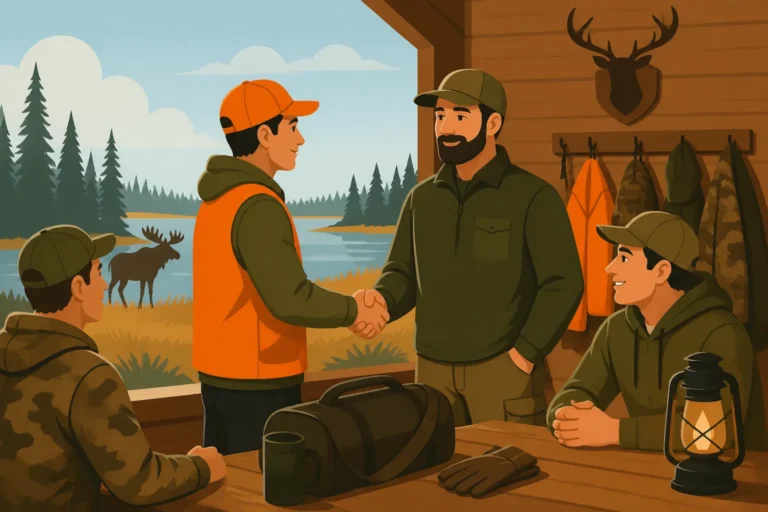
For many hunters, especially those new to fly-in expeditions or remote northern Manitoba, an experienced outfitter is an invaluable asset. Outfitters specialize in handling the complex logistics of these trips, including arranging air charters, setting up comfortable and safe camps, and providing knowledgeable guides who understand the local terrain and animal behaviour. Their expertise significantly reduces the planning burden and enhances both safety and success rates.
When researching outfitters, look for those with a long-standing reputation and positive testimonials. Websites like BookYourHunt or GoHunt can be good starting points for discovering various outfitters and reading reviews, but always follow up with direct communication and ask for references. Speak with past clients to get an honest assessment of their experience. Inquire about the outfitter's experience in the specific area you'll be hunting, their guide-to-hunter ratios (one-on-one guiding often yields higher success but comes at a higher price), and their camp setup. Is it truly rustic or does it offer more comforts? Understanding these details upfront helps manage expectations.
A good outfitter will be transparent about their success rates, which, while never guaranteed, can give you an idea of what to expect. They should also clearly outline all the services included in their package. Does it cover food, guiding fees, camp gear, boats, and, crucially, game retrieval? Some outfitters might offer different tiers of service, so make sure you understand exactly what you're paying for. This also includes understanding the process for obtaining your Manitoba Hunting Licences and What They Cost and any specific tags required for your species. For non-residents, understanding Rules for Non-Residents Hunting Manitoba is especially important, as certain species may require you to hunt with a licensed guide.
Costs and Considerations for a Fly-In Trip
It's no secret that fly-in hunts are typically a more significant investment than road-accessible hunts, and this is primarily due to the specialized logistics involved. The air charter itself is a substantial cost, but it also includes the outfitter's expertise in navigating remote areas, setting up and maintaining camps, and providing experienced guides. You're not just paying for a hunt; you're paying for an entire wilderness experience, meticulously coordinated to ensure safety and opportunity.
When budgeting for a fly-in trip, consider all the components. The outfitter's package fee is the largest chunk, but then factor in the cost of your specific hunting licenses and tags for species like moose or caribou. These fees can vary significantly. Don't forget gratuities for your guides and camp staff, which are customary and a vital part of their income. Travel insurance and trip cancellation insurance are also highly recommended investments, especially for remote trips where weather delays or unforeseen circumstances can disrupt plans. For a deeper dive into the financial aspects, explore What a Manitoba Guided Hunt Costs.
Always clarify the deposit and payment schedules upfront. Most outfitters require a significant deposit to secure your booking, with the balance due closer to the hunt date. Understand their cancellation policy thoroughly – some deposits may be non-refundable, particularly closer to the hunt date, due to the extensive planning and resource allocation involved. Get everything in writing: a detailed contract outlining services, costs, payment terms, and cancellation policies is crucial.
Having a clear understanding of the financial commitment and what is included in the price will prevent any unpleasant surprises during your trip. Remember that while a fly-in hunt represents a significant investment, the unique and unforgettable experience it offers often makes it well worth every penny for those seeking the ultimate wilderness adventure.
Essential Preparations for Your Remote Expedition
Embarking on a fly-in hunting expedition into Manitoba's remote north requires more than just booking; it demands thorough physical, mental, and logistical preparation. Your physical conditioning is paramount. You'll likely be hiking over rugged, uneven ground, through dense bush, and potentially through muskeg or deep snow. If successful, you'll be quartering and packing out heavy game meat over challenging terrain. Begin a rigorous fitness routine several months before your trip, focusing on cardiovascular endurance, strength training, and functional movements that mimic hunting tasks. This preparation will not only increase your chances of success but also enhance your overall enjoyment and safety.
Gear preparation is equally critical. Every piece of equipment needs to be field-tested and proven reliable. Don't bring brand-new boots or outerwear that you haven't worn in varied conditions. Ensure your rifle or bow is sighted in perfectly and that you are proficient with it at various ranges. Pack high-quality layers for warmth, and waterproof outer shells, as conditions can change rapidly. Think about redundancies: extra batteries for your headlamp, a backup fire starter, and a spare knife. Consider the specific conditions of Manitoba's Northern Boreal that you'll be hunting in.
Mental preparation is often overlooked but is incredibly important for a remote hunt. Be ready for isolation, potential discomfort, and the unexpected challenges that wilderness travel often throws your way – bad weather, equipment malfunctions, or even slow hunting days. A positive attitude and a resilient mindset can make all the difference when things don't go exactly as planned. Embrace the adventure, and understand that some of the most memorable moments might be the ones where you had to problem-solve. To effectively plan your entire journey, Planning a Manitoba Hunting Trip offers a broader perspective.
Finally, ensure all required licenses, tags, and permits are secured well in advance. For non-residents, this often involves specific declarations for firearms and potentially other documentation. Double-check all season dates and regulations for your chosen Game Hunting Area (GHA). Also, be aware of any Manitoba's Moose Conservation Closures that might affect your desired hunting grounds, as some areas have restricted access to protect populations. Having all your paperwork in order long before you depart eliminates stress and potential legal issues, ensuring a smooth start to your incredible fly-in adventure.
| Feature | Self-Guided Fly-In Hunt | Outfitted Fly-In Hunt |
|---|---|---|
| Experience Level | Highly experienced, wilderness-savvy hunter or group required | Suitable for a wider range of experience levels |
| Logistics | All planning (air charter, camp, gear, food) is DIY | Outfitter handles most logistics (air charter, camp, food) |
| Cost | Generally lower initial cost for "package" (excluding personal gear), but can incur unexpected expenses | Higher upfront cost due to services, but often more predictable |
| Equipment | Provide all personal and camp gear, including tents, stoves, etc. | Outfitter often provides camp gear, food, boats, guides |
| Safety Net | High degree of self-reliance, minimal immediate support | Outfitter provides communication, emergency protocols, guides |
| Flexibility | Maximum flexibility in hunting style, schedule, and location | Structured schedule, but outfitter adapts to conditions |
| Game Retrieval | Entirely your responsibility, physically demanding | Outfitter assists with retrieval, often has specialized gear |
Disclaimer
This article is for general informational purposes only and does not constitute professional advice. Laws, prices and regulations vary by location and change over time. Consult a qualified professional for guidance on your specific situation.