Booking a Manitoba Hunt for a Group
Organizing a group hunt in Manitoba can seem like a fantastic idea – visions of shared campfires, collective successes, and unforgettable memories often dance in our heads. However, the reality of coordinating multiple personalities, skill levels, and expectations can quickly turn that dream into a logistical nightmare. This guide aims to smooth out those wrinkles, offering practical advice and insights to help you successfully book and execute a Manitoba hunting trip for your whole crew, ensuring camaraderie triumphs over chaos.
The Unique Dynamics of Group Hunting in Manitoba
There's something inherently special about sharing the hunting experience. It's not just about the harvest; it's about the stories, the laughter, the quiet moments of shared anticipation, and the bond forged in the wild. But when you multiply the individual experience by several hunters, the dynamics shift significantly.
Why Hunt as a Group in Manitoba?
First, let's talk about why so many of us even consider bringing a whole gang to Manitoba. The benefits really are compelling, making the extra planning worthwhile for many.
For starters, group hunting fosters an incredible sense of camaraderie. There’s nothing quite like the shared anticipation in a blind at dawn, or the collective excitement when a deer is spotted, or recounting the day's adventures around a crackling fire. These are the moments that truly build lasting memories and strengthen friendships or family bonds. Beyond the social aspect, having more eyes and ears in the field can genuinely increase your chances of success. One person might spot fresh tracks while another glass a distant bluff, piecing together the puzzle of animal movement far more effectively than a solo hunter could.
Then there's the safety aspect, especially when venturing into Manitoba's vast and often remote wilderness. Whether you're chasing Moose Across Manitoba's Boreal Forest or deep in whitetail country, having multiple people means there's always someone to rely on in an emergency. From navigating unfamiliar terrain to dealing with unexpected weather shifts or even a twisted ankle, a group provides a crucial layer of security. Plus, the workload is often much lighter. Setting up camp, cooking meals, scouting potential hunting spots, and even tracking and field dressing an animal becomes a shared endeavor, making big tasks manageable and far more enjoyable.
Finally, let's not overlook the financial advantages. A group hunt can often be more cost-effective when expenses are shared. Think about splitting the cost of fuel, lodging, a guide, or even bulk food purchases. Instead of one person shouldering all the bills for a remote cabin or an expensive outfitter, the burden is distributed, making a world-class Manitoba hunting experience more accessible for everyone involved. For example, if you're looking at a guided hunt, outfitters often offer better per-person rates for larger groups, which can significantly reduce the overall individual cost.
Common Challenges for Group Hunts
While the benefits are clear, anyone who has tried to organize a family vacation, let alone a hunting trip, knows that group dynamics can quickly throw a wrench into the best-laid plans.
One of the biggest hurdles is conflicting schedules and varying expectations. It's rare to find a group of friends or family members who all have the same amount of vacation time, the same financial capacity, or even the same idea of what constitutes a successful hunt. Some might be dedicated trophy hunters willing to sit for days for one specific buck, while others are content to fill their Manitoba Bear Bag Limits or simply enjoy the experience, regardless of the size of the animal. These differing goals can lead to frustration if not addressed upfront. One hunter might want to still-hunt all day, covering miles, while another prefers a long, quiet sit in a treestand, which can be hard to reconcile when hunting the same ground.
Personality clashes and communication breakdowns are another common pitfall. Even the best of friends can get on each other's nerves after days in close quarters, especially when stress, fatigue, or the pressures of the hunt are in play. Clear leadership and open communication are absolutely essential, but often overlooked. Without a designated decision-maker or a clear understanding of roles, simple choices like "where should we hunt this afternoon?" can turn into a protracted debate, eating into valuable hunting time and creating resentment.
Logistics, of course, multiply with each additional hunter. Consider transportation: will everyone drive their own vehicle, or will you carpool? What about gear? Does everyone bring their own cooking setup, or will you pool resources? Then there's the camp itself – who's responsible for meals, cleanup, and maintaining the fire? These seemingly small details can lead to major headaches if not sorted out well in advance. Having a shared grocery list or a meal rotation schedule can make a huge difference, but it takes effort to organize.
Finally, budget discrepancies can be a real source of tension. One member of the group might be perfectly happy roughing it in a tent to save money, while another insists on a heated cabin with all the amenities. Or perhaps one person is willing to invest in a top-tier outfitter, while others are looking for the most budget-friendly option. It’s vital to have frank discussions about finances early on to ensure everyone is on the same page and comfortable with the projected costs, avoiding awkward conversations or resentment once the trip is underway.
Planning Your Manitoba Group Hunt: Key Considerations
With the unique joys and challenges of group hunting laid out, let's dive into the nitty-gritty of planning. This initial phase is where you lay the groundwork for a successful and harmonious trip.
Defining Your Group's Hunting Goals
Before you even start looking at dates or destinations, the absolute first step is to sit down with your group (even if it's just a preliminary chat) and define what kind of hunt you're actually aiming for.
What species are you after? This is perhaps the most fundamental question, as it dictates almost everything else. Are you hoping to chase White-Tailed Deer, Manitoba's Most Hunted Animal during the rut? Or perhaps you're planning a spring Black Bear Hunting in Manitoba adventure? Maybe it’s a high-octane Waterfowl Hunting Manitoba's Grain Fields trip. The target species will determine the specific Game Hunting Area (GHA), the season dates, and the type of hunting methods you’ll employ, whether it’s sitting over a bait, stalking, or hiding in a field blind.
Next, consider the desired overall experience. Are you a group of seasoned bushmen who thrive on a rustic tent camp, miles from civilization, embracing a true wilderness challenge? Or would your group prefer a more comfortable lodge with hot showers and catered meals after a long day in the field? This choice has significant implications for your budget and whether you pursue a do-it-yourself (DIY) trip or decide to hire an outfitter. A group with varied experience levels might lean towards a more comfortable setup to ensure everyone enjoys themselves.
How long do you want to hunt? A quick weekend waterfowl hunt is a vastly different beast than a week-long big game expedition. The duration impacts not only individual time commitments but also the logistics of food, gear, and camp management. A longer trip might require more robust planning for things like refrigeration, charging stations, and even entertainment for downtime.
Finally, and this is crucial for big game: is it a trophy hunt or primarily a meat hunt? Setting this expectation upfront is paramount. Some members of the group might be focused on holding out for a record-book animal, while others are simply keen to fill the freezer. If these goals are misaligned, it can lead to frustration in the field, especially if someone passes on an animal that another member would have gladly taken. A good compromise might be to allocate specific days for trophy hunting for some, and other days for more opportunistic meat hunting.
Understanding Manitoba's Group Hunting Regulations
Manitoba has specific regulations that apply to all hunters, and when hunting in a group, it’s even more important that everyone understands and adheres to them. Ignorance of the law is never an excuse, and one person’s mistake can impact the entire group.
First and foremost, every single hunter in your group needs their own valid Manitoba Hunting Licences and What They Cost and specific species tags. This isn't a "one licence for the group" situation. For popular big game species like moose and elk, many GHAs are managed through draws. If your group plans to hunt these species, ensure everyone applies correctly and on time.
Next, familiarize yourselves with Manitoba's rules around party hunting. While some jurisdictions allow party hunting for certain species (where one person can tag an animal shot by another group member), Manitoba's big game regulations are typically one tag, one animal. There are very specific rules around assisting in a hunt and who can possess an animal, so make sure you understand these nuances to avoid accidental violations. It's often safer to assume each hunter is responsible for their own animal and tag.
For any non-resident members of your group, there are additional requirements to consider. Foreign residents (those from outside Canada) are generally required to hunt with a licensed outfitter for certain big game species, such as moose, bear, and caribou. Even Canadian non-residents have different licence categories and may face restrictions compared to Manitoba residents. Be sure to check Rules for Non-Residents Hunting Manitoba well in advance of your trip.
Finally, ensure everyone in the group is aware of and complies with general hunting regulations for your chosen Game Hunting Area (GHA). This includes understanding blaze orange requirements, legal shooting hours, ethical hunting practices, and specific rules that may apply to the GHA you’re hunting in. Consulting the current Manitoba Hunter's Guide is a must for every member of the group. Manitoba's Game Hunting Areas are all unique, so what applies in one region might not in another.
Choosing Between DIY and Outfitter Services for Groups
Deciding whether to go it alone or hire an outfitter is one of the biggest decisions for any group hunt, heavily influencing the budget, complexity, and overall experience.
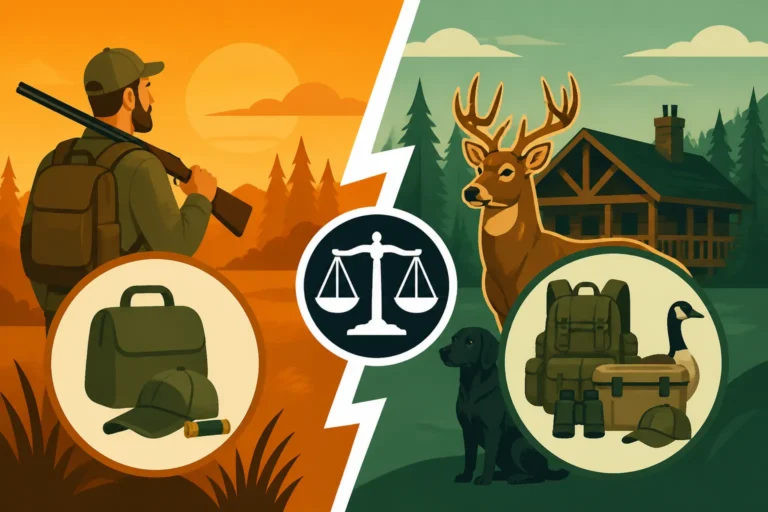
A do-it-yourself (DIY) hunt offers significant advantages, particularly for groups with extensive experience, local knowledge, and a desire for maximum independence. The most obvious benefit is cost savings. By handling all your own logistics, gear, food, and guiding, you eliminate outfitter fees. This can make a high-quality hunting trip much more affordable for a group, allowing you to stretch your budget further or invest in better personal gear. Furthermore, a DIY trip often provides a deeper sense of accomplishment and a more rugged, authentic wilderness experience, as you rely solely on your own skills and teamwork. However, it requires extensive planning, a good understanding of the hunting area, and all the necessary equipment.
On the other hand, engaging an outfitter simplifies nearly every aspect of a group hunt, making it an excellent option for those with less experience in Manitoba, limited time for planning, or a desire for a higher comfort level. Outfitters provide knowledgeable guides who understand local game movements and patterns, comfortable camps or lodges, meals, and often even in-field transportation. This dramatically reduces the logistical burden on your group, allowing you to focus purely on the hunting experience and camaraderie. While the upfront cost is higher, the value in terms of expertise, convenience, and often higher success rates can be well worth it, especially for larger groups where coordination becomes exponentially more complex.
For certain groups, an outfitter isn't just a convenience; it's a necessity. As mentioned, non-residents (particularly foreign hunters) are often required to book with a licensed outfitter for big game species like moose, bear, and caribou. Even for Canadian non-residents who might not require a guide by law, booking a fully outfitted trip for species like Barren-Ground Caribou Hunting in Northern Manitoba or Moose Hunting Manitoba's Boreal Country makes immense sense due to the extreme remoteness and specialized logistics involved. If your group is new to Manitoba's specific hunting conditions, an outfitter provides invaluable local insight, ensuring a safer and more productive hunt.
Ultimately, the choice comes down to weighing costs versus convenience, experience levels, and legal requirements. For a group, an outfitter can often be a great equalizer, ensuring everyone, regardless of individual experience, has a positive and safe experience. Discuss this openly, considering how much work your group is willing to put into planning versus paying for an all-inclusive experience.
Navigating Logistics: Outfitters, Licences, and Accommodations
Once your group's goals are clear, it's time to tackle the practicalities. This is where the rubber meets the road, and thorough planning pays off in spades.
Vetting and Booking a Group-Friendly Outfitter
If your group decides to go the guided route, finding the right outfitter is paramount. This isn't a decision to rush; a good outfitter can make or break your group's experience.
Start your search early, and I mean really early. Top-tier Manitoba outfitters often book up a year or more in advance, especially for prime dates like the Hunting the Rut in Early to Mid November or the spring bear season. If your group has specific dates in mind, you need to be on the phone and making arrangements Booking a Manitoba Hunt a Year Ahead to secure your spot. Waiting until a few months before your desired hunt will severely limit your options.
Leverage online resources for your research. Reputable outfitter websites, social media channels, and hunting forums can provide a wealth of information. Websites like BookYourHunt or GoHunt are excellent starting points, offering comprehensive listings of outfitters, reviews, and detailed package information. These platforms can help you narrow down options that specifically cater to group bookings, often providing insights into their capacity and group-specific amenities. Don't be shy about digging deep into reviews, both positive and negative, to get a balanced perspective.
When you've identified potential outfitters, prepare a list of specific questions. Don't just ask about price. Inquire about their hunter-to-guide ratio (especially important for a group), camp amenities (shared bunkhouses vs. private cabins, showers, electricity, cell service if available), their typical success rates for the species and time of year you're interested in, and most importantly, ask for references from past group clients. A good outfitter will be happy to provide contact information for previous hunters. Questions to Ask Before Booking will help you cover all your bases.
Finally, once you've chosen an outfitter, ensure you get a clear, detailed contract. This document should explicitly outline what's included in your package (e.g., meals, lodging, guiding, transportation to and from the field) and what is not included (e.g., licences, tags, taxes, gratuities for guides and camp staff, meat processing, taxidermy). Understand their deposit schedule and, critically, their cancellation policy. Life happens, and if a group member drops out, you need to know what impact that has on your booking and deposit.
| Feature | DIY Group Hunt | Guided Group Hunt |
|---|---|---|
| Cost | Generally lower upfront, but hidden costs possible | Higher upfront, but many services included |
| Planning | Extensive group coordination and research needed | Outfitter handles most logistics |
| Knowledge | Relies on group's collective experience & scouting | Expert guides provide local knowledge & strategy |
| Logistics | Group responsible for all gear, food, transport | Outfitter provides camp, meals, in-field transport |
| Success Rate | Varies greatly with group skill and effort | Often higher due to guide expertise & resources |
| Comfort | Varies from primitive camping to private cabins | Typically comfortable camps or lodges |
| Required For | Residents or Canadian non-residents for most species | Foreign non-residents for big game, some Canadian non-residents |
Securing Licences and Tags for Multiple Hunters
This is one area where individual responsibility within the group is absolutely non-negotiable. Every hunter needs to have their paperwork in order.
As we covered, each member of your group requires their own valid Manitoba hunting licence and species-specific tag. For big game, especially popular species like moose and elk in high-demand areas, this usually means applying to Manitoba's big game draws. These draws can be competitive, and the application windows are strict, so missing a deadline means missing the hunt. It's imperative that everyone submits their draw applications correctly and on time. Manitoba Big Game Draws is a great resource to understand the process.
Manitoba also allows groups to apply as a "party" in some draws. While applying as a party can increase your odds of someone in your group drawing a tag, it generally doesn't improve the overall odds of each individual in the party drawing compared to if they applied alone. However, for a group that absolutely wants to hunt together, it's often the best strategy. Be sure to understand the specific rules for Applying as a Party in Manitoba's Draw and discuss this strategy with your group beforehand to ensure everyone is on board with the implications.
For over-the-counter tags, such as general whitetail deer tags for residents or black bear tags, it’s still wise to purchase them well in advance, even if they aren't subject to a draw. Don’t wait until the day before your hunt, especially if you’re purchasing for several people. The online portal for licence purchases is convenient, but technical glitches can happen, and you don’t want to be scrambling. Confirm that everyone in the group has completed any mandatory hunter education courses, as this is a prerequisite for purchasing licences. Manitoba Hunter Education Requirements are in place for a reason and must be adhered to.
Ensure that everyone carries their licence and tags on their person while hunting, along with any other required documentation. It's also a good idea to have a digital copy on a phone, but always carry the physical copy too. Spot checks by conservation officers are not uncommon, and being unprepared can lead to fines or a ruined hunt for the entire group.
Accommodation and Travel for Your Group
The logistics of where your group will sleep and how you'll get around are critical for comfort and efficiency. This plan needs to be clear to everyone well before departure.
For DIY hunts, accommodation typically means camping, either in established campgrounds or on Crown land. If you opt for Crown land camping, make sure you understand the regulations regarding temporary shelters, fire bans, and waste disposal. Camping on Manitoba Crown Land provides essential guidelines. Backcountry camping, particularly in Manitoba's more remote areas, demands specialized gear, self-sufficiency, and a high level of preparedness for varying weather conditions. Will you be using tents, travel trailers, or renting a cabin? Confirm capacities and necessary amenities.
If your group is using an outfitter, confirm the specifics of their camp or lodge. Will you be in shared bunkhouses, or are there separate cabins for smaller groups? What are the sleeping arrangements like? Are meals provided, and if so, what kind of food can you expect? Ask about shower facilities, heating, and whether there’s any cell service or Wi-Fi available. Knowing What Manitoba Outfitters Provide in Camp helps manage expectations and allows you to pack appropriately. Don't assume anything; confirm all details.
Transportation to your hunting area or outfitter's camp needs careful coordination. Will your group drive together in a convoy, carpool, or will some fly commercially to Winnipeg? If flying into Winnipeg, how will you get from the airport to your camp, especially if it's several hours' drive away? Some outfitters offer shuttle services. For truly remote northern hunts, you might even be looking at chartering a float plane, which adds another layer of planning and cost, often with strict weight limits on luggage. Flying Into Winnipeg for a Hunt is a common starting point, but the journey doesn't end there.
Finally, think about in-field transportation. Will you be using outfitter vehicles, personal trucks, or ATVs? If using your own recreational vehicles, know the rules for Quad and Side-by-Side Rules on Crown Land, as there are restrictions on where and when they can be used. Ensure all vehicles are in good working order and that someone in the group has basic mechanical knowledge for roadside repairs in remote areas.
Setting Expectations and Ensuring a Successful Group Hunt
Even with perfect logistics, the human element can still trip up a group hunt. Proactive communication and mutual respect are your most powerful tools for success.
Communication is King: Before, During, and After the Hunt
Effective communication is the cornerstone of any successful group endeavor, and a hunting trip is no exception. Without it, misunderstandings fester, and harmony dissolves.
Before the hunt even begins, hold a series of pre-hunt meetings or conference calls. These aren't just for logistics; they're for establishing a "hunt leader" (even if it's a rotating role), discussing individual expectations, and agreeing upon group rules and protocols. Talk about weapon choices, acceptable shot distances, safety protocols, and any personal preferences that might impact others (e.g., early riser vs. late sleeper). Addressing potential disagreements proactively, such as differing ideas on when to pack up camp or how long to sit on a stand, can prevent them from erupting into full-blown arguments in the field.
During the hunt itself, maintaining open lines of communication is vital. Schedule daily check-ins, perhaps over breakfast or dinner, to re-evaluate plans, discuss observations, and address any issues that have arisen. Be clear about individual hunting styles and preferences – some might prefer solo stalks, while others prefer to hunt in pairs. Respecting these differences and making space for everyone’s preferred method can significantly improve morale. Celebrate successes together, whether it’s a big buck or just a beautiful sunrise. A little positivity goes a long way when people are tired and perhaps a bit frustrated.
After the hunt, don't just pack up and go your separate ways. Hold a debriefing session. Discuss what went well, what could have been improved, and what lessons were learned. This reflective process not only helps solidify the bonds formed during the trip but also provides invaluable insights for planning future group hunts. It's a chance to share stories, relive moments, and perhaps even apologize for any friction that occurred.
To streamline the practical side, create a shared gear list and assign responsibilities well in advance. Who's bringing the stove? Who's in charge of the first-aid kit? Who's ensuring the cooler is packed correctly? This prevents duplication of heavy items and, more importantly, ensures that no essential items are forgotten, which can be a common pitfall on many DIY group hunts.
Handling Meat Processing and Trophy Care for the Group
Once an animal is on the ground, the work isn't over – it's just shifted gears. For a group hunt, the logistics of meat processing and trophy care need to be discussed beforehand to avoid confusion and potential waste.
First, clarify meat processing logistics with your group. Who quarters the animal? Is there a local butcher near your camp who can process your game, or will your group be doing all the butchering yourselves? If you're using an outfitter, ask about their services or recommendations for local processors. Having a plan for Getting Meat Processed in Manitoba is essential, especially for larger animals like moose or elk, which require significant effort.
Discuss how costs for processing will be shared. Will everyone pay for their own animal’s processing, or will there be a communal pot? What about the actual meat distribution? Typically, hunters take home the meat from the animal they harvested. However, if one hunter is highly successful and another isn't, the group might choose to share if everyone agrees beforehand. Clear agreements prevent friction and ensure fairness for everyone involved.
For trophies (antlers, hides, skulls), determine who is responsible for caping, cleaning, and transporting. Again, if you're with an outfitter, they often have services or can recommend local taxidermists. If doing it yourselves, ensure someone in the group has the skills to properly cape and prepare a hide for a taxidermist. Understand the regulations for Taking a Trophy Across the Border if you have non-resident hunters in your group, as there can be specific permits and declarations required.
Always ensure that all Evidence of Sex Requirements are met for transport. This means leaving certain parts of the animal attached until processing is complete, as specified by Manitoba regulations. Failure to do so can result in serious penalties. Having a clear understanding of these rules as a group will save a lot of potential headaches and ensure compliance. Whether you're planning on Shipping Meat Home From Manitoba or taking it with you, these rules apply.
Contingency Planning and Safety
Manitoba's wilderness is beautiful but can be unforgiving. A well-prepared group always has a plan for when things don't go as expected. Safety should be paramount for everyone involved.
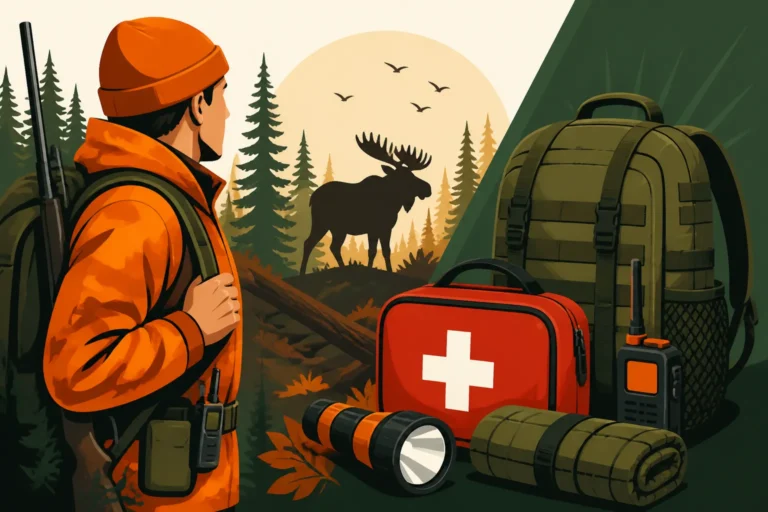
Always, always have a robust safety plan in place. What if someone gets injured miles from the vehicle? What if a group member becomes separated? Discuss communication devices: satellite phones, inReach devices, or even just reliable two-way radios can be lifesavers. Establish rendezvous points and check-in times. Make sure everyone knows basic first aid and where the main first-aid kit is located. Emergency Plans in Manitoba's Bush are not optional; they are a necessity for every group venturing into the wild.
Be prepared for Manitoba's notoriously unpredictable weather. Fall can bring everything from warm, sunny days to sudden blizzards, even in early November. Pack layers, appropriate raingear, and ensure everyone has gear rated for colder conditions than you expect. Hunting Safely in Deep Winter Cold requires specialized clothing and an understanding of frostbite and hypothermia symptoms. A sunny autumn morning can quickly turn into a freezing, wet afternoon, and being caught unprepared can be dangerous.
Understand wildlife safety, especially if you're hunting in Black Bears Across Manitoba's Bush Country. This includes carrying bear spray, knowing how to use it, and practicing proper food storage in camp to avoid attracting curious animals. Even if you're primarily deer hunting, you're in bear country, and awareness is key for Wildlife Safety in Manitoba Bear Country.
Finally, and perhaps most importantly, respect each other’s space and hunting methods. A successful group hunt often means some compromise for the greater good of the shared experience. Not everyone will see the biggest buck, or even an animal at all, but a positive group dynamic ensures that everyone still goes home with good memories and the desire to hunt together again. Empathy and understanding go a long way when dealing with the inevitable frustrations of hunting.
Disclaimer
This article is for general informational purposes only and does not constitute professional advice. Laws, prices and regulations vary by location and change over time. Consult a qualified professional for guidance on your specific situation.