Taking a Trophy Across the Border
Bringing your prized hunting trophy home across an international border, especially after a successful Manitoba hunt, can feel like navigating a legal minefield. You've worked hard, put in the time, and now you have this incredible memento of your adventure, but the thought of getting it seized or delayed at customs is enough to make anyone anxious. This guide is here to demystify that process, walking you through the necessary steps and paperwork to ensure your hard-earned trophy makes it safely from Manitoba back to your wall.
Understanding the Core Challenge: Permits, Paperwork, and Patience
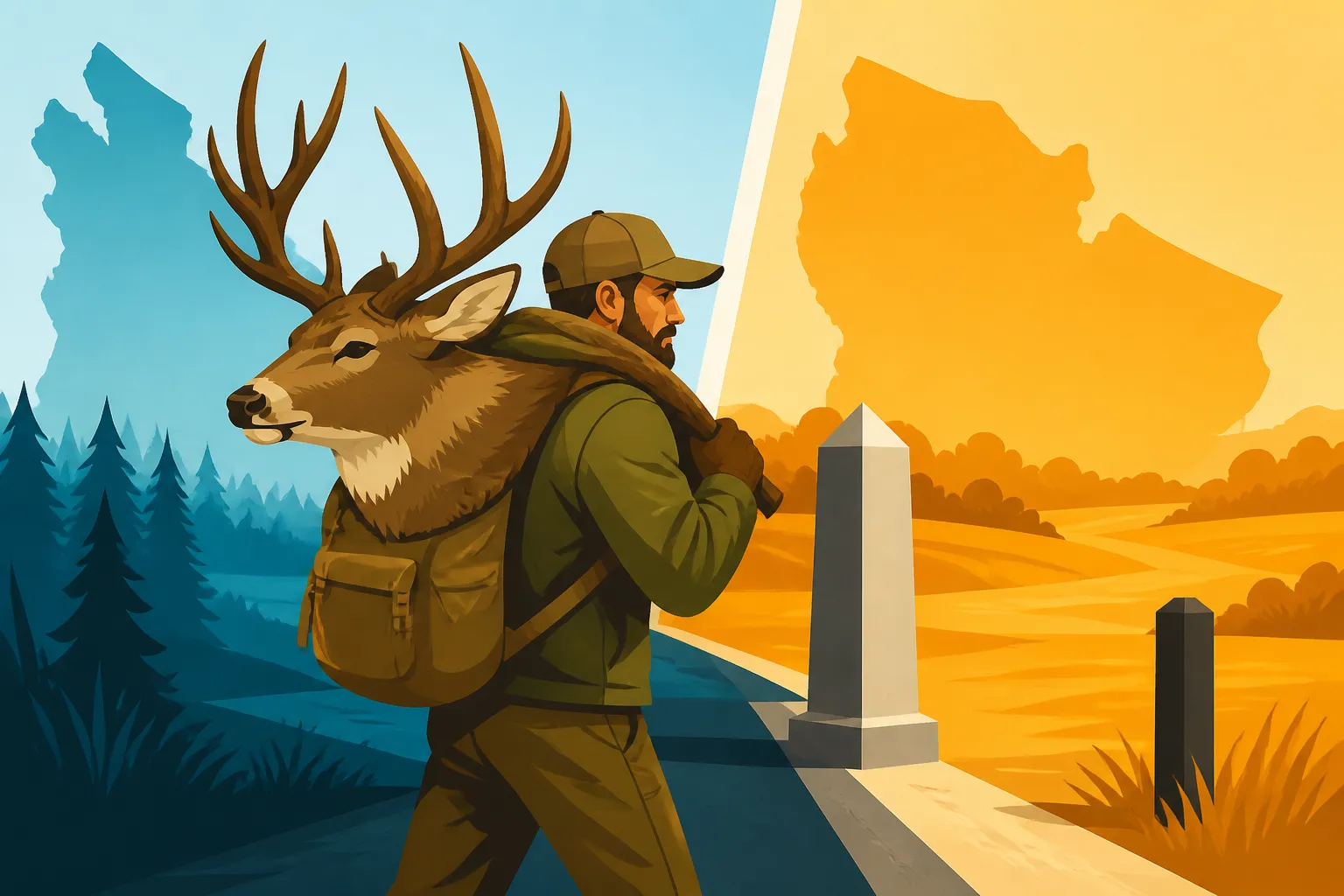
There's a common misconception that once you've legally harvested an animal in Manitoba, the hard part is over. But for non-resident hunters, particularly those from the United States, bringing that trophy across the border involves a whole new layer of bureaucracy. It's not just about what Manitoba allows you to take out, but what your home country allows you to bring in, and how. This dual challenge requires careful preparation and an understanding of regulations from both sides of the 49th parallel.
The Dual Hurdle of Export and Import Regulations
Think of it like this: you need permission to leave Canada with your trophy, and then you need separate permission to enter the U.S. with it. These aren't always in perfect alignment, and what might be acceptable for export could still pose issues for import if you haven't dotted every 'i' and crossed every 't' for the receiving country. The frustration here is real – you're dealing with different government agencies, each with their own set of forms, rules, and timelines. It's easy to feel overwhelmed, but breaking it down into manageable steps helps immensely. Many hunters find themselves scratching their heads, wondering why a simple set of antlers requires so much scrutiny. It boils down to wildlife conservation, disease prevention, and international trade agreements, even if it feels excessive for your personal memento.
Essential Manitoba Export Documentation
Before you even think about the U.S. side, you need to ensure you have all your ducks in a row for leaving Manitoba. The province wants to confirm that your harvest was legal and that any animal parts leaving the jurisdiction are accounted for.
First and foremost, your hunting licence and tag are paramount. You'll need your valid Manitoba Hunting Licences and What They Cost and the properly validated tag affixed to your animal. The harvest declaration is another critical piece – this confirms you legally took the animal and when. Ensure your outfitter or guide has helped you complete this correctly, as it's the foundation of all subsequent paperwork.
For certain species or trophy parts, you might also need an export permit from Manitoba Conservation. While a basic declaration might suffice for antlers or a cleaned skull, any raw hide, cape, or meat will likely trigger additional requirements due to disease concerns. It's always best to clarify with Manitoba Conservation well in advance of your hunt. If you've opted to have taxidermy or tanning done by a Manitoba professional, they will often handle the provincial export paperwork for you as part of their service. They're well-versed in the specifics for Manitoba Taxidermists and Trophy Shipping and can be invaluable in this stage. Without these documents, you risk delays or even forfeiture at the Canadian border.
Navigating U.S. Import Requirements for Game Trophies
Once you've cleared the Canadian side, your attention turns to the United States. The rules here are stringent and involve multiple federal agencies, primarily the U.S. Fish & Wildlife Service (USFWS) and U.S. Customs and Border Protection (CBP). Trying to bypass or shortcut this process is a guaranteed recipe for disaster, fines, or losing your trophy entirely.
U.S. Fish & Wildlife Service USFWS and Customs and Border Protection CBP
These two agencies are your primary points of contact on the U.S. side. The USFWS is concerned with the legal importation of wildlife and wildlife products under various acts, most notably the Lacey Act. This is where their declaration form, Form 3-177, comes into play. You must fill this out for any wildlife product, whether it's a finished mount, a raw cape, or antlers. It's a detailed form asking about the species, location of harvest, and how it was processed. You can usually find this form online and often pre-fill much of it.
CBP, on the other hand, is the overarching agency responsible for all goods entering the country. While they'll look at your general customs declaration, they work in conjunction with USFWS to ensure wildlife regulations are met. A crucial point here is that not all border crossings are designated ports of entry for wildlife. This means you can't just cross at any small port with your deer head. You need to use a border crossing specifically staffed and equipped to handle wildlife imports. Failure to do so could mean a long, frustrating detour to the nearest designated port, or worse, having your trophy impounded. Always check the official USFWS website for a list of these designated ports of entry before you plan your route home.
Special Considerations for Different Trophy Types
The type of trophy you're bringing back significantly impacts the paperwork and preparation required. This is where many hunters get tripped up, thinking "a trophy is a trophy," but the agencies see things differently based on potential risks.
-
Raw Capes/Skins/Skulls: This is generally the most complex category due to the risk of disease transmission, especially with concerns like Chronic Wasting Disease (CWD) and Bovine Tuberculosis (TB). If you plan to bring back a raw cape, skull with brain material, or unprocessed hide, expect additional scrutiny. The U.S. Department of Agriculture (USDA) might get involved, requiring veterinary inspection certificates to ensure the animal was healthy. Many states have specific rules about importing high-risk parts from CWD-affected areas. For this reason, many hunters choose to have their capes and skulls "initial processed" in Manitoba – thoroughly cleaned, defleshed, and salted/dried to mitigate disease risk – before attempting to cross the border. Knowing Manitoba's CWD Sampling Requirements is also crucial, as proof of sampling might be requested.
-
Tanned/Processed Trophies: If your trophy has been fully tanned or taxidermied by a professional, the process is generally much smoother. The tanning process (like chrome tanning or pickle tanning) effectively kills most pathogens, significantly reducing health risks. This means less hassle with the USDA, and often, only the USFWS 3-177 form is strictly needed, along with your original hunting license and declaration. Many hunters find peace of mind by entrusting their trophy to a reputable Manitoba taxidermist who can ship the finished product directly to their home or a taxidermist in their state, handling all the border paperwork.
-
Antlers/Horns: Clean, dry antlers and horns, especially if they're detached from the skull or skull plate, are typically the easiest to import. As long as they are free of any meat or brain tissue, they pose minimal biological risk. You'll still need your hunting license and declaration to prove legal harvest, and you'll still declare them on the USFWS Form 3-177, but the inspection process is usually quick and straightforward. Remember to declare any skull plate with antlers attached, as it still falls under wildlife parts. Getting a European Mount Done in Manitoba and shipping it can also simplify things significantly.
The Role of a Customs Broker or Taxidermist
For many hunters, especially those with high-value trophies or limited experience with international customs, utilizing a professional customs broker or a taxidermist who specializes in cross-border shipping is a wise investment. They act as intermediaries, navigating the complexities on your behalf.
A good customs broker understands the intricate web of USFWS, CBP, and USDA regulations. They can prepare all the necessary documentation, ensure your trophy is properly categorized, and even arrange for transport. While this comes with an added cost, the peace of mind and assurance that your trophy will make it home without a hitch can be invaluable. They can prevent costly delays, fines, or even the loss of your trophy due to incorrect paperwork.
Similarly, many outfitters, like those you might find listed on platforms like BookYourHunt or GoHunt, have established relationships with local Manitoba taxidermists who are experts in export and import procedures. They often include trophy preparation and shipping assistance as part of their service or can recommend trusted professionals. If you're booking through one of these services, don't hesitate to ask about their trophy handling protocols and recommended taxidermy/shipping options. These professionals can often ship your finished mount or even your raw cape directly to your home or a taxidermist in your state, completely removing you from the border crossing stress with the physical trophy. They are well-versed in the requirements for Taking a Trophy Across the Border.
Practical Steps for a Smooth Border Crossing
Proactive planning and meticulous attention to detail are your best friends when it comes to bringing a trophy across the border. Don't wait until the last minute to figure things out; start thinking about this before your boots even hit the Manitoba ground.
Pre-Trip Planning and Communication
This is perhaps the most crucial step. Before you even leave home for your Whitetail Hunting in Manitoba or Black Bear Hunting in Manitoba trip, research the latest import regulations for your specific state and for the U.S. federal agencies. Regulations can change, so always check the most current information available from USFWS and USDA websites.
Communicate clearly with your Manitoba outfitter or guide about your intentions for the trophy. Ask them what their process is for preparing trophies for non-residents and what documents they will provide. A reputable outfitter will be knowledgeable about Rules for Non-Residents Hunting Manitoba and the necessary export paperwork. Confirm if they offer services like professional caping, salting, and freezing, or if they work with local taxidermists who do. If you plan to use a customs broker or a taxidermist for shipping, make contact with them beforehand to understand their requirements and timelines. Being prepared means fewer surprises at the border.
Field Preparation for Export
How you handle your trophy in the field has a direct impact on its ability to cross the border. Proper field dressing, caping, and cleaning are not just about preserving the trophy; they're about meeting import health requirements.
- Caping: Ensure your cape is handled with extreme care. If you plan to have it mounted, a proper taxidermy cut is essential. Remove all excess meat and fat from the cape. This isn't just for preservation; it's a critical step in reducing biological material that could carry disease.
- Skull Cleaning: For skull mounts, remove all brain matter and as much tissue as possible. Some hunters will boil or macerate skulls to get them thoroughly clean, often resulting in a Getting a European Mount Done. A perfectly clean skull is far less likely to cause issues than one with residual tissue.
- Salting/Freezing: For raw capes or hides, proper preservation is key. Heavy salting, ensuring every inch of the flesh side is covered, followed by drying, is a common method. Alternatively, freezing solid is acceptable for transport, but you must ensure it remains frozen until it crosses the border and reaches your taxidermist. These methods mitigate spoilage and reduce the risk of pathogen transmission, satisfying import requirements.
- Tagging and Labelling: Make sure your Manitoba licence tag is securely affixed to your trophy part, as legally required. Additionally, label your trophy clearly with your name, address, species, harvest date, and your Manitoba licence number. This helps customs officers verify ownership and legality quickly.
The Border Crossing Experience
When you arrive at the border, whether driving or having your trophy shipped, organization is key. Have all your documentation neatly organized and readily accessible. This includes:
- Your valid hunting licence.
- Your validated tag.
- Your Manitoba harvest declaration form.
- Your completed U.S. Fish & Wildlife Service Form 3-177.
- Any veterinary certificates or export permits from Manitoba.
- If applicable, documentation from your taxidermist or customs broker.
- Your passport or other required identification for border crossing.
When you approach the U.S. Customs agent, inform them immediately that you are importing a wildlife trophy. They will direct you to the appropriate personnel, usually a USFWS agent, for inspection. Expect them to review your documents and potentially inspect the trophy itself. Be polite, patient, and answer all questions honestly. They are simply doing their job to protect wildlife and public health. Any attempt to conceal or misrepresent your trophy can lead to severe penalties. Sometimes, it feels like an interrogation after a long drive, but remember they are dealing with countless travelers and need to be thorough.
Specific Species and Health Considerations
Beyond the general requirements, some species, particularly cervids (deer, elk, moose), have additional considerations due to wildlife health concerns like Chronic Wasting Disease (CWD). Ignoring these can quickly turn your trophy into a costly liability.
Chronic Wasting Disease CWD and Deer/Elk/Moose
CWD is a serious neurological disease affecting deer, elk, and moose. While Manitoba has stringent measures in place for Manitoba's CWD Sampling Requirements, including mandatory sampling in certain Game Hunting Areas (GHAs), the U.S. has its own set of rules regarding importing cervid trophies from areas where CWD exists.
Many U.S. states prohibit the import of certain high-risk parts from any cervid harvested in a CWD-affected area. These high-risk parts typically include the brain, spinal cord, eyes, spleen, and lymph nodes. What this often means for hunters is that you can't bring back a full, uncleaned skull or a raw cape with the head still attached. Your best bet is to either:
- Have the skull thoroughly cleaned (e.g., European mount) with all brain and nervous tissue removed.
- Have the cape removed from the skull and properly fleshed, salted, and dried, with the skull and any remaining high-risk parts left in Manitoba or disposed of according to local regulations.
- Confirm with your state's wildlife agency their specific import rules for CWD and be prepared to comply.
Always confirm which Manitoba's Mandatory CWD Sampling GHAs apply to your hunt and participate in sampling if required. Having a CWD negative test result, if available, can sometimes ease concerns, though regulations primarily focus on prohibiting the riskiest parts.
Bovine Tuberculosis TB and Other Wildlife Diseases
While CWD gets a lot of attention, Bovine Tuberculosis (TB) has also been a concern in some wildlife populations, including parts of Manitoba's Riding Mountain region. While less common than CWD discussions, it's another reason why raw animal products can face extra scrutiny at the border. Generally, properly processed or tanned hides and meat (if allowed) are less likely to transmit TB, but raw lung tissue or other internal organs would be high-risk.
For any animal product, especially raw ones, officials might require a general health certificate from a Canadian veterinarian, confirming the animal showed no signs of disease at the time of harvest or processing. This is particularly true if you are importing meat. Always confirm if your specific trophy type and species require a veterinary certificate for import. Your outfitter or a local taxidermist will usually know if this is a common requirement for your specific hunt area.
Here's a quick look at common trophy types and the agencies involved:
| Trophy Type | Primary U.S. Agency | Key Requirements | Ease of Import |
|---|---|---|---|
| Cleaned Antlers/Horns | USFWS, CBP | Valid hunting license/tag, harvest declaration, USFWS Form 3-177. Must be free of tissue. | Easiest |
| European Skull Mount | USFWS, CBP | Valid hunting license/tag, harvest declaration, USFWS Form 3-177. Skull must be thoroughly cleaned (no brain/tissue). | Easy |
| Raw Cape (skinned) | USFWS, CBP, USDA | Valid hunting license/tag, harvest declaration, USFWS Form 3-177. Properly fleshed, salted, and dried/frozen. | Moderate |
| Raw Skull with Tissue | USFWS, CBP, USDA | Often Prohibited from CWD areas. Otherwise, requires veterinary certificates, specific port. | Difficult |
| Tanned Hide/Cape | USFWS, CBP | Valid hunting license/tag, harvest declaration, USFWS Form 3-177. Proof of tanning. | Easy |
| Fully Taxidermied Mount | USFWS, CBP | Valid hunting license/tag, harvest declaration, USFWS Form 3-177. May be shipped direct. | Easiest |
This article is for general informational purposes only and does not constitute professional advice. Laws, prices and regulations vary by location and change over time. Consult a qualified professional for guidance on your specific situation.