Flying Into Winnipeg for a Hunt
Flying into a new province for a hunt can feel like tackling a puzzle where half the pieces are missing. You're excited for the adventure, but that knot of worry about firearms, connections, and all the logistics starts to tighten as your travel date approaches. It's a common feeling, believe me! This guide is here to untangle that process, walking you through everything you need to know about flying into Winnipeg's James Armstrong Richardson International Airport (YWG) and making your journey to your Manitoba hunting grounds as smooth as a freshly groomed trail.
Navigating Winnipeg James Armstrong Richardson International Airport (YWG)
Winnipeg's airport, YWG, might not be one of the massive international hubs, but it’s a well-equipped facility that sees plenty of hunters pass through its doors, especially during prime seasons. Don't let its size fool you; there are still specific procedures you need to be aware of, especially when you're bringing hunting gear. Knowing what to expect once you land can save you a world of stress and keep your focus where it should be: on the hunt ahead.
Arriving with Firearms
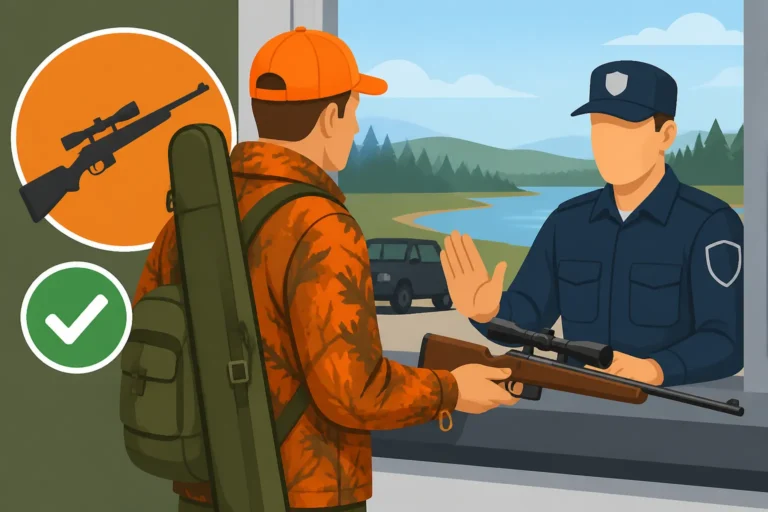
Okay, let's talk about the big one: bringing your rifle or shotgun across the border. This is where a lot of hunters get understandably anxious, but with proper preparation, it's really quite straightforward. Before you even pack your bags, make sure you've completed the Canadian Non-Resident Firearm Declaration Form (CAFC 909 EF) in triplicate. You don't sign it until you're in front of a Canadian Border Services Agency (CBSA) officer. This form essentially acts as a temporary licence and registration for your firearms, valid for up to 60 days.
When you land at YWG, after you clear immigration, you'll head to the customs area. This is where you declare your firearms. Be prepared to present your completed, unsigned form, your passport, and your firearms themselves. Your firearms must be unloaded and stored in a locked, opaque hard case. Ammunition must be stored separately, securely, and away from the firearm itself. Typically, CBSA officers are familiar with this process for hunters, but they need to see that you've followed the rules precisely. Don't try to hide anything, and answer all their questions honestly and clearly. Once approved, you'll pay a small fee, and they'll stamp your declaration, making it valid. Keep this document with you at all times, as it's your legal proof of possession while in Canada. For more detailed information, it's always wise to review the Non-Resident Firearm Declaration process.
Baggage and Gear Handling
Beyond your firearms, all your other hunting gear needs to be handled correctly by the airlines. This often means dealing with oversized baggage. Most airlines have specific rules and fees for items like large hard cases for bows or extensive camping equipment. It’s crucial to check with your specific airline well in advance of your flight. Don't assume anything; what flies on one airline might be a no-go on another.
Ammunition, as mentioned, must be stored separately from firearms. It needs to be in its original packaging or a sturdy container designed for ammo, limited to a certain weight per passenger (often around 11 lbs or 5 kg), and usually has to be in your checked baggage, never carry-on. Many airlines also require that ammunition be in a separate, lockable container from other items in your checked bag. Secure your gear with TSA-approved locks for ease of inspection if you're flying from the States, and consider bright identifiers like unique straps or tags to make your bags stand out on the carousel. Losing a critical piece of gear could really dampen your spirits before the hunt even begins, so be meticulous in your packing and labeling.
Customs and Immigration
For international hunters, especially those coming from the United States, passing through Canadian customs and immigration at YWG is a standard procedure. You'll need a valid passport, of course. For most visitors, an Electronic Travel Authorization (eTA) or a visa might be required depending on your country of origin, so ensure you have this sorted well before you depart. US citizens typically only need a valid passport for entry.
Upon arrival, you'll go through primary inspection where a border services officer will ask you about the purpose of your visit, how long you intend to stay, and where you'll be hunting. This is where you confidently state you are here for a hunting trip, show your outfitter booking confirmation (if applicable), and present your firearm declaration (unsigned). Be prepared to answer questions about what you're bringing into the country, including any food items, and declare all goods. Honesty is paramount here. The officers are primarily looking to ensure national security and adherence to import/export laws. A calm, polite, and prepared demeanor will help ensure a smooth and quick passage through customs, letting you get on your way to that eagerly awaited Manitoba adventure.
Getting from YWG to Your Hunting Destination
Once you've cleared customs and collected all your gear, the next step is getting out of Winnipeg and into the vastness of Manitoba's hunting country. Depending on your destination and the type of hunt you've booked, your onward journey could involve anything from a quick rental car drive to a float plane adventure deep into the wilderness.
Rental Cars and Driving Considerations
If your hunt is in the southern or central regions of Manitoba, often referred to as the Parkland or Interlake areas, a rental car is usually your best bet. All major rental car agencies operate out of YWG. It's highly recommended to book your vehicle well in advance, especially during peak hunting seasons when demand can be high for SUVs or trucks with more cargo space. You'll want something that can handle potentially rougher roads, especially if you plan to access some of the more remote sections of Crown land or venture into Game Hunting Areas (GHAs) that aren't on paved roads.
Consider the time of year for your hunt. If you're coming for a late fall or winter hunt, like during Hunting Manitoba's November Whitetail Rut or Hunting the Late December Season, Manitoba weather can be unpredictable. Snow and ice are real possibilities. Opting for a vehicle with four-wheel drive or all-wheel drive, and ensuring it has appropriate winter tires, is a very wise choice. Always keep an eye on road conditions reports, especially for highways heading north or west. It's not uncommon for roads to be temporarily closed or have travel advisories during heavy snowfall. Having a Winter Truck Kit for a Manitoba Hunt can be a literal lifesaver if you encounter unexpected conditions or get stuck.
Outfitter Pick-ups and Shuttles
Many reputable Manitoba outfitters, especially those offering guided hunts for species like black bear, moose, or caribou, will include airport pick-up and drop-off as part of their package. This is a huge convenience, as it eliminates the hassle of vehicle rentals and navigating unfamiliar roads. When you're researching potential outfitters on platforms like BookYourHunt or GoHunt, always inquire about their transportation arrangements.
Before you even leave home, confirm all the details with your outfitter: who will meet you, where exactly at the airport, and what their vehicle looks like. Exchange flight numbers and expected arrival times so they can track any delays. Having a phone number for direct contact upon arrival is essential. Remember, these outfitters are pros at getting hunters to their camps, often covering long distances to reach prime hunting grounds. They know the roads, the weather, and the best routes. Trust their experience, and communicate clearly to ensure a seamless transition from plane to hunting vehicle. This service can really reduce the logistical burden, allowing you to relax and anticipate the hunt.
Connecting Flights and Regional Charters
For truly remote hunts, particularly for Barren-Ground Caribou Hunting in Northern Manitoba or certain moose or bear hunts in the deep boreal forest, your journey often doesn't end in Winnipeg. You'll likely need to catch a connecting flight from YWG to a smaller regional airport further north, like Thompson or The Pas, or even charter a float plane or wheeled plane directly to a remote lodge or spike camp.
These smaller air carriers have their own baggage rules, which can be even stricter than major airlines, particularly concerning weight limits on float planes. When planning these legs of your trip, pay close attention to the details provided by the air charter company or your outfitter. Exceeding weight limits can be costly or, worse, mean leaving essential gear behind. Discuss all your gear, including firearms and ammunition, with them in advance. Services like Float Plane Charters to a Northern Camp are common, offering a unique and often breathtaking part of the hunting experience itself. Remember, when you're flying into truly wild areas, flexibility is key. Weather conditions can sometimes delay or alter flight schedules, so build a little buffer into your travel plans if possible, especially if you have an international flight connection on the back end. It's all part of the adventure of Flying Into a Remote Manitoba Camp.
Essential Logistics and Pre-Trip Planning
A successful hunting trip to Manitoba isn't just about the hunt itself; it's also about meticulous planning and preparation. Getting your ducks in a row before you even leave home will significantly reduce last-minute stress and ensure you're fully compliant with all provincial and federal regulations.
Permits, Licences, and Documentation
This is perhaps the most critical logistical piece. Before you can even think about pulling a trigger or drawing a bowstring, you need the proper legal authority to hunt. For all hunters, resident and non-resident alike, you'll need a Manitoba hunting licence. Non-residents will have different licence options and costs than residents. Many specific species also require individual tags. For migratory birds, you'll need both a provincial game bird licence and a federal migratory game bird permit, along with the Canadian Wildlife Habitat Conservation Stamp.
The best practice is to acquire all necessary licences and tags well in advance. While some can be purchased online, having physical copies printed and securely stored is always wise. It's important to understand Manitoba Hunting Licences and What They Cost and to ensure you have your Federal Migratory Game Bird Permit if chasing ducks or geese. Don't forget any draw results you might have received for species like moose or elk; those are your golden tickets! Keep all these documents, along with your passport, firearm declaration, and outfitter booking confirmations, in a waterproof, easily accessible pouch that you can carry with you at all times. A digital copy on your phone or in the cloud is a good backup, but nothing beats a physical piece of paper in the field.
Communication and Connectivity
When you venture into Manitoba's vast wilderness, especially north of the agricultural belt, cell phone service can become non-existent very quickly. This isn't just an inconvenience; it can be a serious safety concern. Before your hunt, discuss the expected cell service at your camp and hunting areas with your outfitter. Don't assume you'll have a signal just because you have a fancy smartphone.
For many remote hunts, a satellite phone or a two-way satellite messenger (like a Garmin inReach or a Zoleo) is an essential piece of safety equipment. These devices allow you to send and receive messages or call for help even when traditional cell towers are miles away. Your outfitter might provide one, or you may choose to rent or purchase your own. It's vital to have a clear communication plan for emergencies, both for yourself and for those at home. Knowing the limits of Cell Service at a Manitoba Camp is critical for your peace of mind and safety. Even if you're hunting closer to civilization, always have a fully charged phone and a portable power bank, as cold weather can drain batteries rapidly.
Currency and Payment
Canada uses the Canadian dollar, and while major credit cards are widely accepted in Winnipeg and larger towns, cash can be king in more remote areas. It's always a good idea to have some Canadian currency on hand for small purchases, gas, or gratuities. ATMs are readily available at YWG and in most communities.
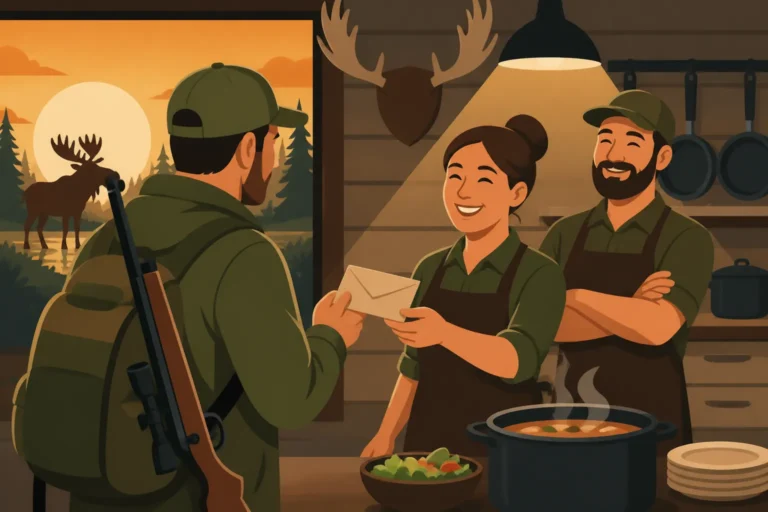
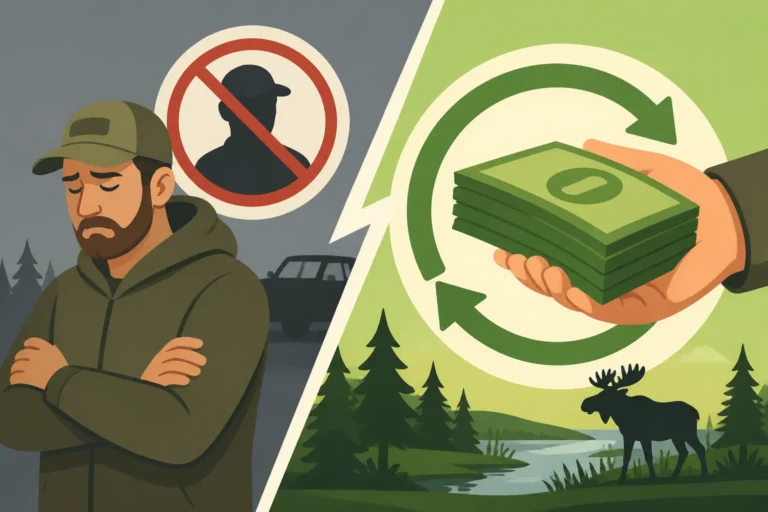
If you're coming from the United States, be aware of the exchange rate. While many places might accept US dollars, you'll almost always get a better rate by converting your currency beforehand or by paying with a credit card that offers competitive exchange rates. Discuss with your outfitter what payment methods they prefer for any outstanding balances, additional services, or tips. Understanding Currency and Payment on a Manitoba Hunt can save you from unexpected fees or awkward situations. Tipping is customary in Canada for good service, including for guides, cooks, and camp staff. It's helpful to have smaller denominations of Canadian cash set aside for this purpose at the end of your trip.
| Item | Why It's Important | Best Practice |
|---|---|---|
| Passport | Mandatory for international travel, identity. | Carry on person, protect from damage. |
| Firearm Declaration | Legal proof of firearm possession in Canada. | Keep with passport, do not sign before CBSA. |
| Hunting Licences/Tags | Legal authority to hunt specific species. | Print physical copies, keep waterproof, have digital backup. |
| Outfitter Contract | Details hunt package, services, payment, dates. | Carry physical/digital copy for reference and clarity. |
| Driver's Licence | For vehicle rental and ID. | Ensure it's valid, carry with you. |
| Emergency Contacts | For any unforeseen circumstances. | List in phone and on a physical card in wallet. |
| Medical Info | Allergies, conditions, medications. | Carry on person, inform hunting partners/outfitter. |
| Travel Insurance | Covers cancellations, medical emergencies, lost baggage. | Highly recommended, review policy details carefully. |
What to Pack for Your Manitoba Hunting Trip
Packing for a Manitoba hunt is a whole different beast than packing for a beach vacation. The weather can be wildly unpredictable, and you need gear that performs when it counts. It's not just about staying warm; it's about staying dry, comfortable, and prepared for anything the Manitoba wilderness throws your way.
Clothing and Layering Systems
Manitoba weather, especially in the fall and early winter, can swing dramatically. A sunny, mild day can quickly turn into a frigid, windy blizzard. The key to staying comfortable and safe is a well-thought-out layering system. Start with a moisture-wicking base layer (merino wool or synthetics – avoid cotton!). This is crucial for regulating body temperature and preventing chills. Next, add insulating mid-layers, such as fleece or down, which you can add or shed as conditions change.
Your outer layer needs to be windproof and waterproof. This is non-negotiable. Quality rain gear, even if the forecast looks clear, can save your hunt. For colder temperatures, especially if you're sitting still in a blind or stand, heavy insulation is essential. Think about heavy parkas and insulated bibs for Dressing for Manitoba's November Cold. Don't forget blaze orange requirements for rifle hunting; ensure you have enough square inches to be visible. Headwear (warm toque/beanie, balaclava) and gloves/mitts are also critical. And for your feet, invest in good quality, insulated, waterproof boots. Your feet are your foundation, and cold, wet feet will make for a miserable hunt. Refer to Boots for Sitting Still in Deep Cold for specific recommendations.
Hunting Gear Specifics
Beyond your chosen firearm or bow, think about all the ancillary gear that completes your hunting setup. This includes optics like binoculars and a spotting scope, especially if you're hunting in more open country or glassing for caribou. A rangefinder is practically standard equipment these days. If you're bowhunting, ensure you have plenty of spare broadheads, an extra release aid, and any tools for minor bow adjustments.
For firearms, bring enough ammunition. While you might be able to buy some locally, don't count on finding your specific load or calibre in every small town. Pack it according to airline regulations. A quality hunting knife, a small sharpening stone, and game bags are essential for field dressing and meat care. If you plan on using a treestand or ground blind, ensure it's allowed in your hunting area and check with your outfitter if they provide them. Don't forget your headlamp or flashlight with spare batteries – crucial for early mornings and late evenings. Packing a small repair kit with duct tape, zip ties, and basic tools can also be a hunt saver.
Personal Items and Comforts
While the hunt is the main event, don't overlook your personal comfort items. Pack any prescription medications in your carry-on luggage, along with a copy of your prescription. Bring toiletries, a small first-aid kit, and any personal snacks you enjoy. Protein bars, trail mix, or even some comfort food can be a welcome boost during a long day in the field.
Think about what will make your downtime at camp more enjoyable. A good book, a journal, or even a small game can help pass the evenings. A comfortable pillow, even if it's just a small travel one, can make a huge difference in getting good rest. Remember, you're going to be physically and mentally exerted, so anything that helps you recover and stay positive is a good investment. Power banks for charging electronics are a must, especially if the camp has limited outlets.
Dealing with Meat and Trophies Post-Hunt
The moment of truth arrives, and you've successfully harvested your animal. Congratulations! Now comes the critical task of properly handling the meat and trophy to ensure it makes it home in excellent condition. This part of the process requires careful planning, especially when flying.
Local Processing and Cold Storage
Your outfitter will likely have a plan for initial field dressing and quartering your animal. Many outfitters also have relationships with local butchers or provide basic processing services at camp. It’s important to discuss these details beforehand. If you're on a self-guided hunt, you'll need to research local meat processors near your hunting area well in advance. Finding a reputable butcher who can handle game meat properly and promptly is crucial, especially in warmer early season conditions.
The cost and services of butchers vary. Some will just cut and wrap, while others offer specialty products like sausage or jerky. Ask about packaging for travel, such as vacuum sealing or boxing, which is essential for ensuring the meat stays fresh. For those looking for local services, checking with your outfitter is key. Many outfitters mentioned on platforms like BookYourHunt or GoHunt will coordinate these services seamlessly as part of their package. It's also worth asking about cold storage options. If you have a few days between your hunt and your flight, having access to a walk-in cooler or freezer will protect your hard-earned meat. For more in-depth information on processing, check out Getting Meat Processed in Manitoba or Finding a Butcher Near Your Camp.
Shipping Meat and Trophies Home
This is arguably the most complex part of getting your harvest back. Transporting meat by air requires specific packaging. Typically, it must be frozen solid and packed in insulated coolers or specialty shipping boxes. Airlines have strict rules about the weight and type of containers allowed, so confirm these details with your airline before you pack. Dry ice or gel packs can help keep meat frozen during transit, but dry ice has its own set of airline restrictions. Remember, the goal is to keep it rock solid until it reaches your home freezer. Shipping Meat Home From Manitoba often involves specialized services.
For trophies—capes, antlers, or skulls—the process is different. For antlers, ensure they are properly cleaned, and any brain matter is removed from the skull plate. Capes need to be properly skinned, salted, and dried to prevent spoilage. Most outfitters are experts at this initial preparation. You'll then need to arrange for a taxidermist, either in Manitoba or back home, and coordinate shipping. This often involves a reputable shipping broker who specializes in wild game. They understand the customs declarations and permits required for crossing international borders, which can include CITES permits for certain species. Shipping antlers and capes can be a significant cost, so budget accordingly for Shipping a Cape and Antlers Costs. Having all documentation, including your hunting licence and tag, with your trophy shipment is absolutely essential to avoid delays or confiscation at the border.
Enhancing Your Guided Hunting Experience
If you've decided to book with an outfitter, you've made a great choice for a smooth and rewarding hunt. But even with a guide, there are steps you can take to make the experience even better, ensuring you get the most out of your investment and your time in Manitoba.
Vetting and Communicating with Outfitters
Choosing the right outfitter is like choosing a good hunting partner—it makes all the difference. Before you book, do your homework. Platforms like BookYourHunt or GoHunt are excellent resources for finding reputable outfitters, but don't stop there. Read reviews, ask for references, and don't hesitate to call past clients to get their honest feedback. You want to know about success rates, camp conditions, guide personalities, and how they handle unforeseen challenges.
Once you've chosen an outfitter, clear and consistent communication is paramount. Ask all your questions before you arrive. What exactly is included in the package? What are the typical shot distances? What's the daily schedule like? What type of terrain will you be hunting? Do they have any special gear recommendations? Laying out expectations upfront helps prevent misunderstandings and ensures everyone is on the same page. A great starting point is to review Questions to Ask Before Booking and delve into Vetting a Manitoba Outfitter. This open dialogue will foster a stronger guide-hunter relationship, which often translates into a more successful and enjoyable hunt.
Understanding Outfitter Services
Outfitter packages can vary wildly, and understanding precisely what your package includes is crucial. Some are all-inclusive, covering meals, lodging, guiding services, and local transportation from the airport. Others might offer a more "a la carte" approach, where certain services like meat processing, taxidermy preparation, or liquor are extra. Don't assume anything is included unless it's explicitly stated in your contract or discussed with your outfitter.
Be clear on the difference between the base hunt cost and potential additional expenses. This could include licence and tag fees (often paid separately to the government), gratuities for guides and staff, and costs associated with trophy and meat handling post-hunt. For example, understanding What a Guided Manitoba Whitetail Hunt Costs often means factoring in these variables. A good outfitter will be transparent about these potential costs, ensuring there are no unpleasant surprises. Knowing What a Guide Fee Actually Covers helps you appreciate the value of their services, from scouting and camp maintenance to tracking and field dressing. Remember, a guided hunt is an investment, and clarity on services and costs ensures you get the experience you're looking for, allowing you to focus on the thrill of the hunt rather than worrying about unexpected bills.
Disclaimer
This article is for general informational purposes only and does not constitute professional advice. Laws, prices and regulations vary by location and change over time. Consult a qualified professional for guidance on your specific situation.