Applying as a Party in Manitoba’s Draw
Applying for big game draws in Manitoba can feel like navigating a maze, especially when you're trying to coordinate with your hunting buddies or family members. The thought of everyone putting in their applications, hoping to draw the same tag for the same Game Hunting Area (GHA), only for one person to get lucky and the rest left out, is a real source of frustration. This guide is here to demystify the process of applying as a party in Manitoba's big game draws, ensuring you understand how it works and how to maximize your chances of hunting together.
Navigating Manitoba's Big Game Draw System
The big game draw system in Manitoba is designed to manage finite wildlife resources, ensuring sustainable hunting opportunities for highly sought-after species. For many hunters, understanding the nuances of this system is the first step toward a successful season, particularly when planning a group hunt.
Why We Have Draws in Manitoba
Manitoba is blessed with incredible wildlife, but species like moose and elk, and sometimes even specific whitetail opportunities, have limited populations or sensitive management zones. To prevent overharvesting and distribute hunting pressure fairly, the province employs a lottery-style draw system. It's not about making things difficult; it's about ensuring those majestic animals continue to thrive for future generations while giving everyone a fair shot at pursuing them. Imagine if there were unlimited tags for prime moose country – it wouldn't take long for those populations to diminish, and none of us want that. The draw system aims to balance hunter demand with conservation needs, allowing careful management of the herds.
The Basics of the Application Process
When it comes to big game draws, Manitoba utilizes an online e-licensing portal, which is the official and most convenient way to submit your applications. Typically, the application period for big game draws opens in the spring, with deadlines usually falling in May or June, and results often posted in July. This timeframe is crucial for planning, so keeping an eye on the provincial hunting guide for specific dates each year is essential. While many species, like general whitetail deer, can be hunted with over-the-counter licenses, special tags for moose, elk, and certain antlerless deer opportunities are exclusively allocated through this draw process. Understanding the specifics of these draws is paramount, and a great place to start is our detailed guide on Manitoba's Big Game Draws, which outlines the species and types of tags involved.
The Ins and Outs of Party Applications
Hunting with friends or family is often a cherished tradition, a chance to share the experience, make memories, and rely on each other in the field. The party application system is designed to facilitate this, but it comes with its own set of rules and considerations that every group member needs to understand.
What Constitutes a "Party" in Manitoba
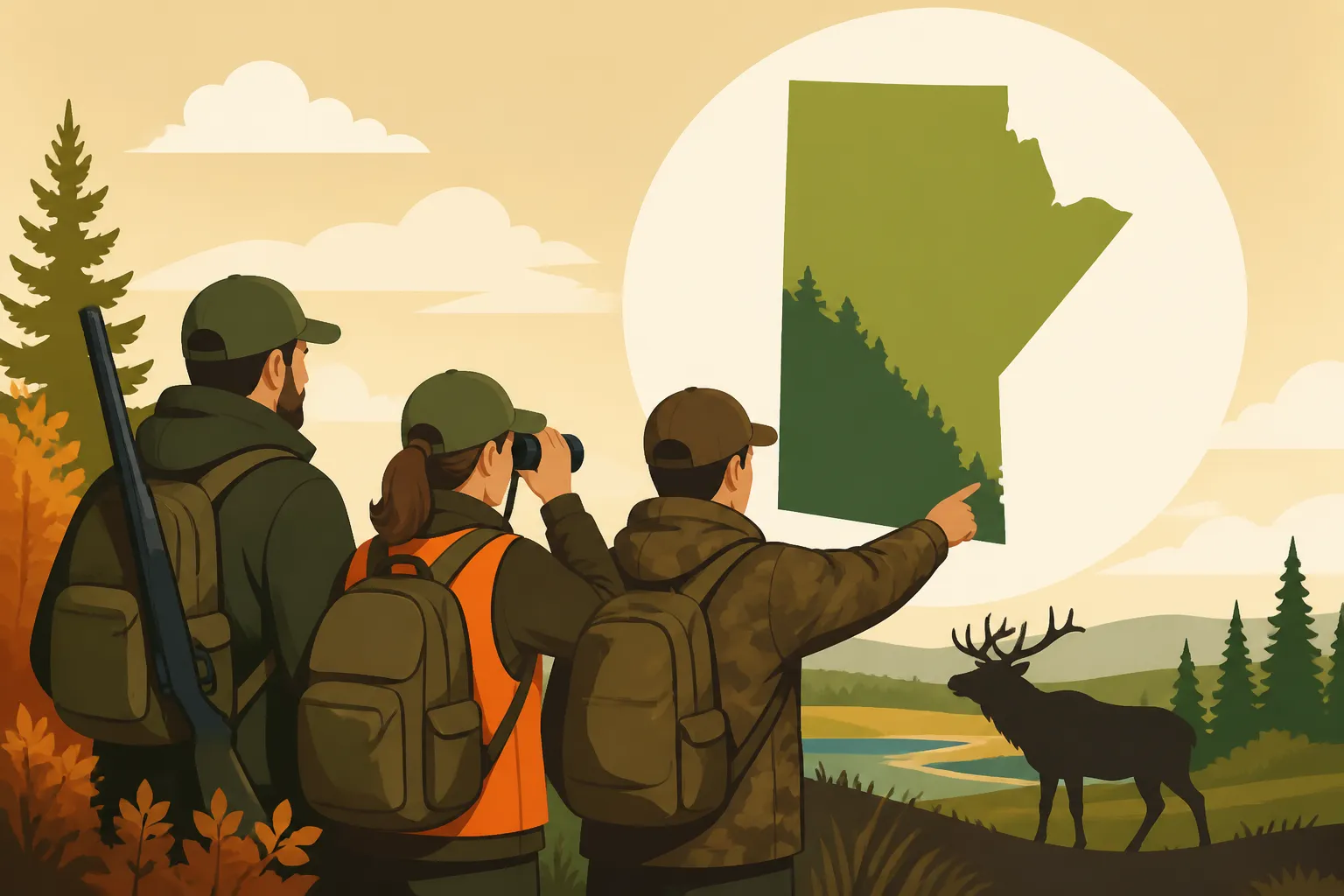
In Manitoba's big game draw system, a "party" refers to a group of two or more eligible hunters who apply together for the exact same species, Game Hunting Area (GHA), and season. This means that if you're applying for an elk tag in GHA 23, everyone in your party must also apply for an elk tag in GHA 23. You can't have one person applying for elk and another for moose within the same party application. All party members must meet the basic requirements, including having valid hunter education certification and any other prerequisites for purchasing a hunting license in Manitoba. The provincial regulations typically specify a maximum party size, which is often four hunters, but it's always wise to confirm the exact limit in the current year's hunting guide. This structure ensures that if your party is drawn, everyone in the group receives a tag, allowing you to hunt together as intended.
Step-by-Step for Submitting a Party Application
Submitting a party application requires coordination and attention to detail. The process generally begins with one individual acting as the "group leader" or primary applicant. This person is responsible for initiating the application through the Manitoba e-licensing portal. They will need to gather all the necessary information from each member of their party, including their full names, birth dates, and client identification numbers (CINs) – essentially their hunter ID from the province.
Once the leader starts the application, they will select the species, GHA, and season choices. This is where meticulous care is needed: every single preference entered by the group leader must be precisely the same for all other party members. If there's even a slight discrepancy – say, one person's application somehow lists a different GHA or a different season preference – the entire party application could be deemed invalid. After the choices are entered, the leader invites the other party members to join the application online. Each invited member then logs into their own e-licensing account to accept the invitation and verify their details, confirming they agree to the choices made. An application fee per person is usually required, which is paid collectively or individually depending on the system's setup. A helpful tip for groups is to use a structured planning tool like GoHunt to keep everyone's information and preferred choices organized before even touching the official portal. This minimizes errors and ensures everyone is on the same page.
Common Pitfalls and How to Avoid Them
Applying as a party can streamline your hunting plans, but it also means that one mistake can impact the entire group. One of the most common pitfalls is simply not coordinating enough. Imagine Jim, your eager hunting buddy, accidentally selects a slightly different GHA preference than the rest of the party because he misread the map. That single error, if not caught, could invalidate the entire party's application, meaning months of anticipation end in disappointment for everyone. Similarly, forgetting to update an expiring Hunter Education number or having an issue with your Manitoba Resident Hunting Licence Cost and eligibility before the deadline can lead to similar heartbreaking results.
Another frequent issue is missing the application deadline altogether. In the busy lives we lead, it's easy for these dates to slip by. It's a good practice for the group leader to set reminders for everyone well in advance of the deadline, and perhaps even have a designated "final review" meeting (or call) to go over every detail one last time before hitting submit. The e-licensing system is quite robust, but it can't fix human errors. Always double-check that every party member has accepted the invitation, all information is correct, and all choices match perfectly. Remember, the system treats a party application as a single unit; its success or failure rests on the collective accuracy of every member's input.
Strategizing Your Party's Draw Success
Drawing a coveted big game tag is already a challenge, and doing it as a party introduces a unique set of strategic considerations. It's about balancing your desire to hunt together with the realities of draw odds and GHA availability.
Understanding Draw Odds as a Group
When you apply as a party, the draw system essentially treats your entire group as a single applicant. This means that if your party is drawn, every member receives a tag. Conversely, if your party isn't drawn, no one in your group receives a tag. It's an all-or-nothing scenario. This concept is crucial because, while it guarantees you hunt together, it doesn't necessarily improve your individual odds compared to applying alone. In fact, if there are only a few tags available in a highly desired GHA, applying as a party might slightly reduce the statistical probability of your 'group unit' being drawn compared to if each individual had a separate entry in the hat. However, the trade-off is the certainty of companionship in the field if successful. For specific insights, it's worth delving into resources like Manitoba Moose Draw Odds by GHA or Manitoba Elk Draw Odds by GHA to get a sense of which areas might be more competitive for certain species.
Making Smart GHA and Season Choices
The Game Hunting Area (GHA) and season you choose are perhaps the most critical factors in your party's draw success. Some GHAs are notoriously difficult to draw due to high game populations, excellent habitat, or historical trophy potential. Others, perhaps more remote or with lower animal densities, might have significantly better draw odds. Your party needs to have an honest conversation about priorities: Is the goal to hunt a specific trophy animal in a legendary GHA, or is it simply to draw a tag and hunt together, even if it means exploring a new area or hunting a less popular season?
Researching different Manitoba's Game Hunting Areas thoroughly is key. Look at previous draw statistics, success rates, and the general availability of public land in those areas. Sometimes, opting for a late-season hunt, especially for antlerless tags, can significantly boost your party's chances of drawing, even in more popular regions. Tools that provide historical draw data can be invaluable here. For instance, platforms like GoHunt compile this kind of information, helping you identify trends and potentially less competitive options that still offer a quality hunting experience. A thorough Scouting a Manitoba Game Hunting Area before the draw can also inform your choices, giving you a realistic idea of the terrain and game sign.
When to Apply as a Party vs. Individually
This is a decision that every hunting group faces, and there are valid arguments for both approaches.
| Feature | Applying Individually | Applying as a Party |
|---|---|---|
| Draw Outcome | Each person is drawn or not drawn independently. | Entire party is drawn or not drawn as a single unit. |
| Hunting Together | Not guaranteed; relies on multiple individual draws. | Guaranteed if the party application is successful. |
| Flexibility | Each hunter can pursue different GHAs/species if desired. | All members must apply for the exact same choices. |
| Error Impact | An error on one application affects only that individual. | An error on any party member's part affects the entire party. |
| Probability (General) | Potentially higher overall chance of someone drawing a tag (not necessarily together). | Probability for the group to draw is treated as one entry, not multiplied by members. |
| Ideal For | Hunters with diverse interests, or those prioritizing simply getting a tag. | Groups where hunting together is the absolute top priority. |
Applying as a party makes sense when the camaraderie and shared experience are paramount. If the thought of going without your trusted companions is a deal-breaker, then the party application is the way to go, even if it means potentially lower odds for a highly coveted tag. This strategy ensures that if you draw, you will be together.
On the other hand, if your group has members with different preferences or if maximizing the total number of tags drawn by the group is the goal (even if it means not everyone hunts together), then individual applications might be considered. For example, if you have four people and you're all aiming for a very limited moose draw, applying individually means four separate chances for someone to draw, whereas a party application is only one chance for all four. This is a conversation that needs to happen candidly within your group, weighing the desire for shared experience against the raw probability of drawing a tag. Using platforms like GoHunt can help analyze historical draw data to inform this crucial decision by seeing how many tags were available versus the number of applicants in previous years.
Post-Application and Key Information
Once your party application is submitted, a new phase of anticipation begins. Knowing what to expect and where to find critical information can help manage the wait and prepare for the next steps.
What Happens After You Apply
After you've meticulously submitted your party application through the e-licensing portal, there's often a period of quiet anticipation. The draw results for moose and elk, and other big game species typically become available in July, though the exact date can shift slightly each year. You'll usually receive an email notification indicating that the results are ready to view, or you can log directly into your Manitoba e-licensing account to check your status. For a clearer picture of when to expect these outcomes, consult Manitoba Draw Deadlines and Results.
If your party is successful – a truly exciting moment! – you'll then need to proceed with purchasing your tags. This is usually done through the same e-licensing portal. It's vital to do this within the specified timeframe to avoid forfeiting your hard-won tags. If you weren't successful, don't despair. It's an opportunity to regroup, analyze the draw odds, and plan for future seasons or explore other available hunting opportunities, such as those covered in Manitoba Big Game Season Dates which lists general season openings.
The Importance of Up-to-Date Information
Hunting regulations in Manitoba, like anywhere else, can see adjustments from year to year. Changes might include GHA boundaries, season dates, bag limits, or even nuances in the party application process. Relying on outdated information can lead to costly mistakes, or worse, violations. Therefore, it is absolutely paramount to consult the most current edition of the Manitoba Hunting Guide every single year. This guide, published by the province, is the definitive source for all regulations, season dates, GHA maps, and application rules. You can find detailed instructions on accessing this critical document in our post on Where to Read the Manitoba Hunting Guide.
While third-party resources, including detailed analytical platforms like GoHunt, can offer fantastic insights into draw odds and hunting strategies, they should always be used in conjunction with, and never as a replacement for, the official provincial regulations. Always cross-reference any information with the Manitoba government's official publications to ensure you're compliant and informed.
Planning Your Hunt as a Cohesive Unit
Once your party has successfully drawn tags, the real planning begins! This is where the benefits of a party application truly shine, as you now know everyone will be hunting together. The first step is to establish a clear game plan. Where will you set up camp? What are the travel logistics to and from your chosen GHA? Who is responsible for what gear? A comprehensive discussion covering everything from food and shelter to transportation and field dressing responsibilities is crucial. Consider the terrain, access points, and potential weather conditions in your chosen GHA.
Having a shared understanding of roles and expectations before you even set foot in the field minimizes friction and enhances the overall experience. This detailed planning can be immensely fun, mapping out strategies, discussing stand locations, and anticipating the hunt together. Remember, the journey and shared experience are often as valuable as the harvest itself. For deeper insights into preparing for your adventure, check out our guide on Booking a Manitoba Hunting Trip, which covers many logistical considerations for your group. Just as GoHunt helps with draw strategy, it can also be a valuable tool for mapping and scouting post-draw, allowing your party to virtually explore your hunting area and plan your movements effectively.
Disclaimer
The information provided in this article is for general guidance only and is based on publicly available information about Manitoba hunting regulations. Hunting regulations can change annually. It is the responsibility of every hunter to consult the most current official Manitoba Hunting Guide and relevant provincial legislation before planning and undertaking any hunting activities. Always prioritize safety and adherence to all laws and regulations.