Manitoba Hunter Education Requirements
It's no secret that the world of hunting, while incredibly rewarding, comes with its fair share of rules and regulations. For anyone new to the pursuit, or even those just moving to our beautiful province, figuring out exactly what you need to do before you can even step foot in the bush or field can feel like navigating a dense forest without a compass. This guide is here to shed light on the often-confusing landscape of Manitoba hunter education requirements, ensuring you have all the information you need to get started safely and legally.
Understanding the Basics of Hunter Education in Manitoba
For many, the idea of hunter education might seem like just another hoop to jump through, but trust me, it’s much more than that. It’s the cornerstone of responsible hunting, designed to keep both hunters and wildlife safe, and to ensure our hunting heritage thrives for generations to come. Without a solid foundation, you’re not just risking a fine; you’re risking your safety and the perception of all hunters.
Why Hunter Education Matters
Think about it: hunting involves firearms, navigating wild spaces, understanding animal behavior, and respecting both private property and conservation principles. These aren't things you can just pick up by watching a few YouTube videos or relying on anecdotes from your uncle. A proper hunter education course, like the one mandated here in Manitoba, provides a structured environment to learn critical skills and knowledge that are absolutely essential for a safe and ethical hunt. It covers everything from firearm handling and archery safety to wildlife identification, survival skills, and the laws that govern hunting in our province.
Beyond the practical skills, hunter education instills a deep sense of responsibility and ethics. It’s about understanding your role as a conservationist, recognizing that hunters contribute significantly to wildlife management and habitat preservation. When you complete the course, you don’t just get a certificate; you gain a profound appreciation for the outdoors and a commitment to upholding the highest standards of sportsmanship. This foundation is crucial for making good decisions in the field, especially when faced with unexpected situations or difficult choices. It’s about being a good steward of the land and the animals we pursue.
Who Needs to Take the Course
Generally speaking, if you want to hunt big game or game birds in Manitoba, you’re going to need to successfully complete a hunter education course. This applies to most new resident hunters, regardless of age, with specific provisions for youth hunters. The provincial government has made this a mandatory requirement to ensure everyone entering the field has a baseline understanding of safety and regulations. It’s not just a suggestion; it’s a legal necessity that ensures a safer environment for everyone enjoying Manitoba’s wilderness.
There are, of course, exceptions. If you’ve held a hunting licence in Manitoba before, or in another Canadian province or territory, you might be exempt, provided you can prove prior certification or a valid past licence. Non-residents from other countries will also have specific requirements, often needing proof of equivalent hunter education from their home jurisdiction. It’s always best to check the current regulations or with a knowledgeable resource like GoHunt before making assumptions. The goal is consistent safety standards, not to make things unnecessarily difficult, but to ensure that everyone understands the serious responsibilities that come with carrying a firearm or bow in the field.
The Manitoba Hunter Education Course Structure and Content
The Manitoba Hunter Education course isn't just a dry lecture series; it's a comprehensive program designed to equip you with both theoretical knowledge and practical skills. It’s built to ensure that once you’re out there, you’re not just legal, but truly capable and confident in your actions. This structure helps integrate the often-complex information into actionable understanding.
What the Course Covers
The curriculum for the Manitoba Hunter Education course is quite extensive, covering a wide array of topics crucial for responsible hunting. You'll delve into firearm safety, which is paramount, learning about safe handling, storage, and transportation of hunting equipment. This includes understanding different types of firearms, ammunition, and how to operate them safely. Beyond the hardware, the course emphasizes ethical hunting practices, such as fair chase, shot placement, and game recovery, ensuring that animals are treated with respect. You'll learn about wildlife identification, distinguishing between different species and sexes, which is vital for adhering to bag limits and seasons.
Furthermore, the course provides critical information on Manitoba-specific hunting regulations, including seasons, bag limits, and licensing requirements for various species. You'll also cover essential outdoor survival skills, like basic first aid, navigation using maps and compasses (and increasingly, GPS devices), and how to prepare for and react to emergencies in the bush. Environmental ethics and conservation principles are woven throughout the material, reinforcing the hunter's role in wildlife management and habitat protection. This holistic approach ensures that you're not just learning to shoot, but learning to be a responsible, ethical, and knowledgeable outdoors person, ready for anything the wilderness might throw your way.
Online vs. In-Person Learning Options
Manitoba offers flexibility when it comes to completing your hunter education, understanding that people have different schedules and learning styles. The most common route for many modern hunters is taking the course online. This option allows you to learn at your own pace, from the comfort of your home, fitting the material around your existing commitments. Online platforms often use interactive modules, videos, and quizzes to make the learning engaging and effective. It's a fantastic resource for those who might struggle with traditional classroom settings or have busy lives, allowing you to thoroughly absorb the information before moving on. For more details, you can look into Taking the Hunter Education Course Online.
While the online course covers the theoretical aspects thoroughly, it’s important to note that it doesn't replace the practical hands-on experience. This is where the mandatory in-person field day comes in, which we'll discuss in more detail later. For those who prefer a more traditional learning environment, or who benefit from direct interaction with instructors and fellow students, in-person classroom courses are still available. These typically involve scheduled sessions over a few days or evenings, providing direct instruction and opportunities for questions. Both methods ultimately lead to the same goal: preparing you for the practical field day and, eventually, obtaining your hunting licence. Choosing between online and in-person often comes down to personal preference and availability, but both are designed to deliver comprehensive training.
Age Requirements and Youth Hunting Opportunities
Manitoba is committed to fostering the next generation of hunters, recognizing that passing on our traditions is vital for the future of conservation. This means there are specific guidelines regarding age and how young people can safely and legally get involved in hunting. It’s not about rushing them into it, but ensuring a supportive and educational pathway.
Minimum Age to Hunt in Manitoba
In Manitoba, there isn't a single, straightforward "minimum age" to start hunting, but rather a progressive system designed to ensure safety and mentorship. Generally, an individual must be at least 12 years of age to possess a firearm and participate in the full hunter education program, including the practical field day. However, simply taking the course doesn't automatically mean a child can hunt unsupervised. For anyone under the age of 16, they must be accompanied and directly supervised by a licensed adult hunter who is at least 18 years old. This adult must also hold a valid hunting licence for the species being hunted. This supervisory requirement is crucial, providing a built-in mentorship system that emphasizes safety and ethical conduct from the very beginning.
It's a nuanced approach, acknowledging that maturity levels vary and that direct supervision is the best way to introduce young people to hunting responsibly. The idea is to create a safe learning environment where new hunters can gain experience under the watchful eye of someone seasoned. So, while a 12-year-old can take the hunter education course and obtain the necessary certification, their initial hunting experiences will always be alongside a mentor. This ensures they not only learn the rules but also absorb the unwritten codes of conduct and respect that are so integral to our hunting culture. For a deeper dive into these age-specific regulations, check out Minimum Age to Hunt in Manitoba.
Manitoba Mentored Youth Hunting Rules
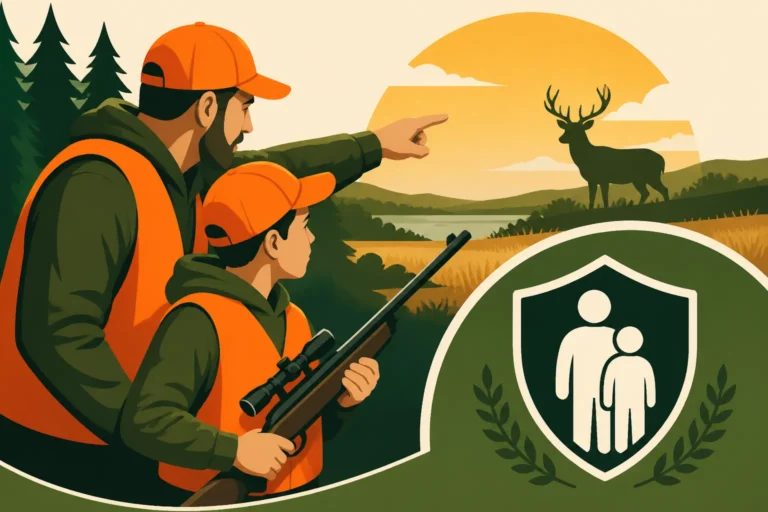
Manitoba has an excellent Mentored Youth Hunting Program, specifically designed to introduce young hunters to the sport in a controlled and educational manner. This program allows youth under the age of 18 (who have met specific criteria, often including completing the hunter education course) to hunt under the direct supervision of an experienced, licensed adult mentor. The emphasis here is on "mentorship," where the adult isn't just a chaperone, but an active teacher, guiding the youth through every aspect of the hunt, from scouting to shot placement and game recovery. This hands-on experience, coupled with the foundational knowledge from hunter education, creates a powerful learning environment.
The rules for this program are quite clear: the mentor must be at least 18 years old, hold a valid Manitoba hunting licence, and stay within arm's length of the youth at all times while hunting. This close supervision ensures immediate guidance and intervention if needed, prioritizing safety above all else. The youth hunter often uses their mentor's licence or a special youth licence for specific opportunities, allowing them to participate in hunts they might not otherwise be eligible for due to age or experience. This program is invaluable for passing on hunting traditions, fostering a deep respect for wildlife, and building confidence in young hunters. It's truly a gateway for the next generation to experience the wild. You can find more comprehensive details on these specific guidelines under Manitoba Mentored Youth Hunting Rules.
Exemptions and Equivalencies for Experienced Hunters
It would be unreasonable to expect seasoned hunters to start from scratch if they've already demonstrated competence. Manitoba's system accounts for this, offering pathways for those with prior experience or certifications to avoid redundant training. It’s about recognizing existing skills while maintaining safety standards.
Out-of-Province and Foreign Hunter Equivalencies
If you’re moving to Manitoba from another Canadian province or territory, or even from another country, you might be eligible for an exemption from taking the full Manitoba Hunter Education course. Generally, Manitoba recognizes hunter education certifications issued by other Canadian jurisdictions, provided they meet certain standards. This means if you completed a similar course in Alberta, Ontario, or any other province, your certification is usually valid here. The key is being able to provide official proof of your certification, such as a hunter education card or a previous hunting licence from that jurisdiction. It’s always a good idea to have these documents readily available when you go to purchase your first Manitoba licence.
For hunters coming from outside of Canada, particularly from the United States, Manitoba typically accepts equivalent hunter education certifications. Many American states have robust hunter safety programs, and these are often recognized. However, it’s crucial to understand that foreign residents often have additional requirements, such as requiring a licensed guide for certain big game species. While your hunter education might be recognized, always double-check the latest regulations for non-residents to ensure you meet all criteria for hunting in Manitoba. A call to the Manitoba Sustainable Development office or checking a trusted resource like GoHunt can save you a lot of headache before your trip. The objective is to ensure that even experienced hunters from elsewhere still uphold Manitoba’s safety and ethical standards.
Previous Hunter Education Certification Recognition
Perhaps you’re a long-time resident who hunted years ago, let your licence lapse, and now want to get back into the swing of things. Or maybe you completed your hunter education course decades ago but never actually purchased a licence. Good news! In many cases, Manitoba will recognize your past hunter education certification, even if it was obtained a long time ago. The province understands that once you’ve learned the fundamentals of firearm safety and ethical hunting, that knowledge often sticks with you. The challenge sometimes lies in proving it.
You'll need to provide documentation of your past certification. This could be your original hunter education card, a past hunting licence with your hunter education number printed on it, or a record from the province’s licensing database. If you’re having trouble locating your old records, the provincial licensing body can often help you search their archives. It’s a good idea to contact them directly to confirm what documentation they require. This system prevents experienced hunters from having to retake a course they've already mastered, while still ensuring that new entrants without prior certification go through the necessary training. It balances convenience with the overriding need for safety and competence in the field.
The Practical Field Day Component
While online courses and classroom sessions provide a wealth of theoretical knowledge, hunting is, by its very nature, a practical endeavor. This is where the mandatory in-person field day steps in, bridging the gap between textbook learning and real-world application. It’s a crucial step that ensures you can actually do what you've learned.
What to Expect at the Field Day
The practical field day is the culmination of your hunter education journey, whether you completed the online course or an in-person classroom session. This isn’t just another lecture; it's a hands-on experience designed to assess your practical skills and understanding in a supervised environment. You’ll be put through various scenarios that mimic real-life hunting situations. Expect to demonstrate safe firearm handling, including loading, unloading, carrying, and clearing common malfunctions. Instructors will observe how you transport firearms in a vehicle and how you navigate with them safely in different field conditions.
Beyond firearm proficiency, the field day often includes components like judging distances, identifying safe zones of fire, and demonstrating proper shot placement on targets. You might also participate in activities that test your knowledge of wildlife identification, basic survival skills, and ethical decision-making. It’s a chance for certified instructors to see that you can not only recite the rules but apply them effectively and safely. The atmosphere is generally supportive, with instructors providing feedback and guidance, but it's also a serious assessment of your readiness to hunt. Think of it as your practical driving test, but for the wilderness.
Safety Demonstrations and Hands-On Learning
A major focus of the field day is on safety demonstrations and hands-on learning, particularly concerning firearms and archery equipment. You’ll typically get to handle various types of hunting firearms – shotguns, rifles, and potentially muzzleloaders – under the direct supervision of certified range officers or instructors. This provides invaluable experience that simply can't be replicated online or in a classroom. You'll learn the proper stance, aiming techniques, and how to safely discharge a firearm on a range. The emphasis is always on safe gun handling, ensuring that you understand and practice the fundamental rules like "always point the muzzle in a safe direction" and "keep your finger off the trigger until ready to shoot."
Beyond shooting, the field day might involve demonstrations of tree stand safety, safe navigation through various terrains, and basic field dressing techniques. Instructors might set up mock scenarios to practice identifying legal game, assessing backgrounds for safety before taking a shot, and effectively communicating with hunting partners. This direct, interactive learning solidifies the theoretical knowledge gained in the course. It’s also where you’ll learn about vital safety gear, like why you need to wear blaze orange and How Much Blaze Orange Manitoba Requires during specific seasons, making sure you stand out to other hunters. The goal is to build muscle memory for safe practices and to instill confidence, so when you’re out on your first hunt, these actions become second nature.
How to Enroll and What to Bring
Getting started with your hunter education can feel a bit daunting, but the process for enrollment is straightforward once you know where to look. Being prepared for your course, especially the field day, will make the experience much smoother and more enjoyable.
Finding Course Schedules and Locations
The first step to enrolling in a Manitoba hunter education course is finding out when and where they are offered. The primary resource for this is typically the provincial government's website for hunter education or the Manitoba Wildlife Federation (MWF) website. These sites provide up-to-date schedules for both online course providers and in-person field days. They list upcoming dates, locations, and contact information for the instructors or organizations hosting the events. You'll want to plan ahead, as popular course dates, especially in the spring and fall, can fill up quickly.
Many outdoor retailers or local gun clubs also advertise hunter education courses, sometimes even hosting them on their premises. A quick search on a platform like GoHunt or checking community bulletins can also help you locate local offerings. When selecting a course, consider the location, dates, and whether it's an online theory course followed by a field day, or a full in-person program. Once you’ve chosen, follow the registration instructions carefully, which usually involve online registration and payment. Don't wait until the last minute, especially if you're aiming to hunt a particular season, as processing times for certification and licences can take a little while.
Essential Items for Course Day
Being prepared for your hunter education course, particularly the field day, will ensure you get the most out of the experience and avoid any unnecessary stress. While specific requirements might vary slightly depending on the instructor or venue, there are several essential items you should plan to bring. Firstly, you'll need your government-issued photo identification. This is crucial for verifying your identity and age. If you completed an online theory component, bring proof of its completion, such as a printout of your certificate or a registration number.
For the field day, dress appropriately for the weather, as much of the instruction will take place outdoors, regardless of sun, rain, or even light snow. Wear sturdy, comfortable footwear suitable for walking on uneven terrain. Eye and ear protection are usually mandatory during any live-fire exercises; if you have your own, bring them, otherwise, they might be provided. A pen and notebook are always a good idea for taking notes, and a packed lunch, snacks, and plenty of water will keep you energized throughout the day. While firearms are typically provided by the instructors for the practical portion, confirm this ahead of time and never bring your personal firearms unless specifically instructed to do so. Being well-equipped will allow you to focus entirely on the learning and practical application, ensuring you absorb all the vital information.
After Certification: Getting Your First Licence
Completing your hunter education and passing the field day is a massive achievement, but it's not quite the finish line. The next step is converting that hard-earned certification into an actual hunting licence, which is your official ticket to the field. This final step often trips up new hunters, so let's walk through it.
Applying for Your Manitoba Licence
Once you have successfully completed your hunter education course and received your official certificate or proof of completion, you are ready to apply for your first Manitoba hunting licence. The process has become incredibly streamlined in recent years, with most licensing now handled through the Manitoba government’s online portal. This online system is generally very user-friendly, allowing you to create an account, upload any necessary documentation (like your hunter education certificate number), and purchase your chosen licences and tags from the comfort of your home. You can find more information on Buying a Manitoba Licence Online.
When applying, you'll need to select the specific licences you wish to purchase, whether it's for white-tailed deer, black bear, game birds, or a combination. The system will guide you through the options, including resident or non-resident tags, and any special draws you might be interested in, such as for moose or elk. Be sure to double-check all information before submitting, as errors can cause delays. Once purchased, you'll typically receive an electronic copy of your licence, which you can print out or store on your mobile device. Remember, this licence is your legal permission to hunt, so ensure it’s correct and readily accessible. Keep in mind there are different costs for various licences, so it's a good idea to research Manitoba Resident Hunting Licence Cost beforehand.
Carrying Your Licence in the Field
Obtaining your licence is only half the battle; the other half is ensuring you have it with you and properly validated whenever you are actively hunting. This might seem obvious, but it's a critical legal requirement that can lead to significant penalties if overlooked. Your physical licence, or an official digital copy on your phone, must be on your person at all times while hunting. Conservation officers conduct routine checks, and they will want to see proof of your valid licence, applicable tags, and your hunter education certification if it’s your first time out or they have reason to verify. For more details on what you must carry, refer to Carrying Your Licence in the Field.
Furthermore, for big game species, your licence will come with specific "tags" that must be immediately validated and affixed to your animal upon harvest. This process is crucial for legal compliance and for tracking harvest numbers, which aids in wildlife management. Failing to validate a tag immediately, or attempting to use an unvalidated tag, can result in serious charges. Before heading out, take a few minutes to review the specific validation requirements for the species you are hunting, as these details are usually printed directly on the tag or licence. Being prepared and compliant shows respect for the law and the resource, demonstrating that you are a responsible and ethical hunter.
Common Misconceptions and Troubleshooting
Even with clear guidelines, new processes can bring questions and sometimes, outright confusion. It’s natural to have lingering doubts or encounter unexpected hiccups. Let's address some of these common concerns to help smooth your path into hunting.
Addressing Frequently Asked Questions
When it comes to hunter education and licensing, a few questions pop up regularly. One common query is, "Do I need a separate licence for each animal I want to hunt?" The answer is generally yes. While your general hunting licence permits you to hunt certain game birds or small game, larger species like deer, bear, moose, or elk usually require specific tags that are purchased in addition to your base licence. These tags are species-specific and often GHA (Game Hunting Area)-specific. Another common question is about the validity period: "How long is my hunter education certificate valid?" Once you successfully complete the Manitoba Hunter Education course, your certification is generally valid indefinitely. You don't need to retake the course, even if you take a break from hunting for several years.
Many new hunters also ask about borrowing firearms. "Can I borrow a friend's rifle if I have my licence?" While you might have your hunting licence, you also need a valid Possession and Acquisition Licence (PAL) to legally possess and transport a firearm in Canada. Your hunter education certificate is a prerequisite for a PAL, but it's not the PAL itself. So, no, you cannot legally borrow a rifle without your own PAL. Also, remember that different species and hunting methods have specific rules regarding legal firearms and bows. For example, Legal Firearms and Bows for Big Game details what you can and cannot use. These are just a few examples, and it's always best to consult the official Manitoba hunting guide for the most current and comprehensive information. GoHunt is also a great resource for quickly finding answers to these types of questions.
What if You Lose Your Certification?
It happens. You move, you clean out a drawer, or a dog eats your homework – and suddenly, your carefully guarded hunter education certificate is nowhere to be found. Don't panic! Losing your physical certificate doesn't mean you have to retake the entire course. Your completion record is stored electronically by the province.
If you lose your hunter education certificate, the first step is to contact the provincial department responsible for hunter education or licensing. In Manitoba, this would typically be the branch under Manitoba Natural Resources and Northern Development that oversees wildlife and fisheries. You'll usually need to provide your full name, date of birth, and possibly the approximate year you completed the course. They can then access your records and issue you a duplicate certificate or provide you with your hunter education number, which is what's truly critical for purchasing licences. While it might involve a small administrative fee, it's a much simpler process than starting from scratch. Always try to keep a digital copy of your certificate in your email or cloud storage for easy access, just in case the paper copy goes missing.
Planning Your First Manitoba Hunt
With your hunter education complete and your licence in hand, the real fun begins: planning your first actual hunt! Manitoba offers an incredible diversity of hunting opportunities, from the expansive farmlands of the south to the vast boreal forests of the north. Taking the time to plan will significantly increase your chances of a successful and enjoyable experience.
Choosing Your Game Hunting Area
One of the most crucial decisions for any hunter in Manitoba is selecting the right Game Hunting Area (GHA). Manitoba is divided into numerous GHAs, each with its own specific regulations, season dates, and game populations. Your hunter education course likely touched on these, but now it’s time to dive deeper. Some GHAs are known for their strong whitetail populations, others for moose, while many offer fantastic waterfowl hunting. Knowing what species you want to pursue will help narrow down your options significantly. You can refer to Manitoba's Game Hunting Areas for a detailed breakdown.
Consider accessibility when choosing a GHA. Some areas are easily reachable by truck, while others might require a quad, boat, or even a fly-in trip. Also, think about the type of terrain you prefer to hunt. Are you comfortable with dense bush, or do you prefer more open farmland? Researching specific GHAs through online maps, aerial imagery, and official provincial guides will give you a good sense of the landscape and potential hunting pressure. Don't be afraid to connect with local hunters or outfitters for their insights; they often have invaluable, ground-level knowledge. Taking the time to choose the right GHA sets the stage for a rewarding experience.
Essential Scouting and Preparation
Once you've zeroed in on a GHA, the next critical step is thorough scouting and preparation. Scouting isn't just for seasoned veterans; it's a fundamental part of successful hunting that starts long before opening day. This involves understanding the terrain, identifying game trails, bedding areas, food sources, and water. Satellite imagery and topographic maps are excellent tools for initial scouting from home. You can spend hours on programs like GoHunt's mapping features, marking potential spots and planning your access routes.
However, nothing beats boots on the ground. If possible, visit your chosen GHA before the season opens to walk the area, look for fresh sign, and identify key features. Pay attention to pinch points, funnels, and natural barriers that might guide animal movement. Talk to local landowners if you're hunting private land; their insights can be invaluable. Beyond scouting for game, prepare your gear. Ensure your firearm or bow is sighted in, your clothing is appropriate for Manitoba's often unpredictable weather, and you have all your safety essentials, including a first-aid kit, navigation tools, and communication devices. Remember that Scouting a Manitoba Game Hunting Area is an ongoing process, not just a one-time event, and the more prepared you are, the more enjoyable and safe your hunt will be.
Advanced Considerations for Experienced Hunters
Even after you've successfully navigated the initial steps and gained some field experience, there are always deeper layers to Manitoba hunting regulations. For those looking to expand their horizons or simply be more informed, understanding these advanced considerations can make a big difference.
Rules on Night Hunting and Managed Areas
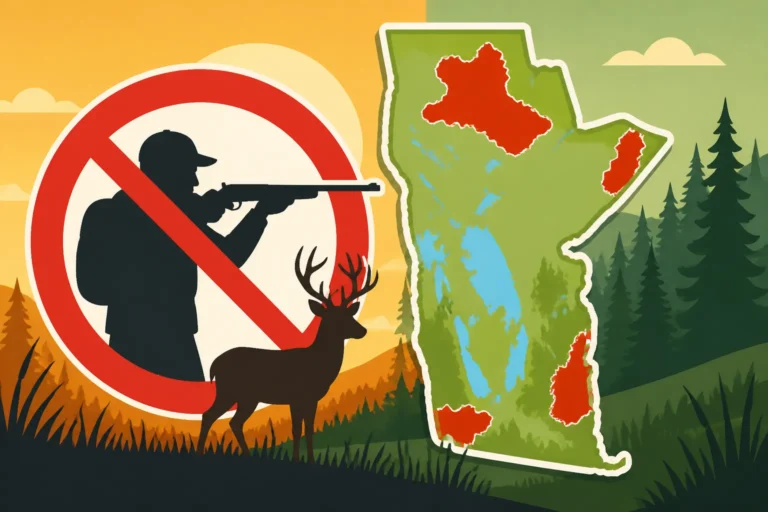
Manitoba has specific and quite strict regulations regarding night hunting, particularly after significant changes were implemented in recent years. While some forms of night hunting were previously allowed for certain species under specific conditions, the province has moved to heavily restrict it to address safety concerns and ensure sustainable wildlife management. Generally, recreational hunting of big game and game birds is prohibited between ½ hour after sunset and ½ hour before sunrise. There are very limited exceptions, primarily related to specific management permits, Indigenous harvesting rights, or approved land for night hunting for coyotes or wolves, often requiring a special permit. If you're considering hunting at night, it is absolutely crucial to understand Manitoba's Night Hunting Rules and obtain the necessary permits and permissions, as violating these rules carries severe penalties.
In addition to general hunting regulations, Manitoba also has various "managed hunting areas" or Wildlife Management Areas (WMAs) which often have their own unique sets of rules that may differ from general GHA regulations. These areas are established to protect specific habitats or to manage certain wildlife populations, and they might have restrictions on weapon types, hunting methods, or access. Always consult the specific WMA regulations before heading out, as what's legal in one area might not be in another. This extra layer of local knowledge is vital for staying compliant and ensuring you’re hunting ethically within the designated parameters.
Conservation Efforts and Hunter Responsibility
As hunters, we are inherently conservationists. Our participation in hunting directly funds wildlife management through licence and tag fees, and our advocacy plays a crucial role in protecting habitats. Manitoba's hunting regulations are not just about safety and fair chase; they are deeply intertwined with the province's broader conservation efforts. This includes managing game populations through science-based quotas, supporting habitat restoration, and monitoring wildlife health. For example, understanding Manitoba's CWD sampling requirements is vital for big game hunters, as Chronic Wasting Disease poses a serious threat to deer and elk populations.
Your responsibility as a hunter extends beyond simply following the law; it encompasses a commitment to the long-term health of Manitoba's wildlife and wild spaces. This means respecting bag limits, reporting poaching or suspicious activities, and taking only what you need. It also involves understanding the impact of environmental factors like What Winter Kill Has Done to Manitoba Game Numbers or how What Wildfire Did to Manitoba Game Range, and how these influence game populations and hunting opportunities. Hunter education instills this conservation ethic, reminding us that we are not just consumers of wildlife, but active participants in its stewardship. This deeper understanding ensures that our hunting traditions remain viable and vibrant for future generations to enjoy.
Conclusion
Navigating the world of Manitoba hunter education requirements might seem like a lot to take in at first, but with this guide, you’re now well-equipped to embark on your hunting journey with confidence. From understanding why hunter education is so vital to knowing the ins and outs of course content, age requirements, and how to get your first licence, you’ve got a solid foundation. Remember, the journey doesn’t end with certification; it’s just the beginning of a lifelong pursuit of learning, ethical conduct, and respect for Manitoba's incredible wildlife. So, get ready to embrace the challenge, get educated, and step into the wild responsibly.
| Requirement Category | Key Details | Who It Applies To | Important Notes |
|---|---|---|---|
| Hunter Education Course | Mandatory theoretical component (online or in-person) | Most new resident hunters | Covers safety, ethics, regulations, wildlife ID, survival. |
| Practical Field Day | Mandatory in-person practical assessment | All new hunters (after theory) | Hands-on firearm handling, safety demonstrations, scenario practice. |
| Minimum Age | 12 years to participate in full education; 12-16 requires adult supervision | Youth hunters | Mentored Youth Hunting Program offers structured supervision. |
| Licensing | Obtain base hunting licence & species-specific tags | All hunters | Online portal for purchase; must be carried in the field; tags require immediate validation upon harvest. |
| Exemptions/Equivalencies | Prior Canadian hunter education or equivalent foreign certification accepted | Experienced hunters from other jurisdictions | Proof of certification required; non-residents may have additional requirements (e.g., guide). |
| Continuing Responsibility | Adherence to all regulations, conservation ethics | All hunters, continuously | Stay updated on GHA rules, night hunting restrictions, CWD sampling; active participation in conservation. |
Disclaimer
The information provided in this article is for general guidance and informational purposes only, and does not constitute legal advice. Hunting regulations in Manitoba can change, and it is the hunter's responsibility to consult the most current official Manitoba Hunting Guide and relevant provincial legislation before engaging in any hunting activities. Always confirm specific requirements with Manitoba Natural Resources and Northern Development or a licensed professional.