Evidence of Sex Requirements
Harvesting a big game animal in Manitoba is an exhilarating experience, often the culmination of months of planning and effort. But in the excitement, it’s all too easy to overlook a crucial step that can land you in hot water: complying with Manitoba's "evidence of sex" requirements. Many hunters, especially those new to the province or new to big game, find these rules a little confusing, or worse, they forget about them entirely in the adrenaline rush of a successful hunt. This guide is here to clarify exactly what you need to know about evidence of sex, why it matters, and how to make sure you're always on the right side of the law.
The Critical Importance of Evidence of Sex Requirements
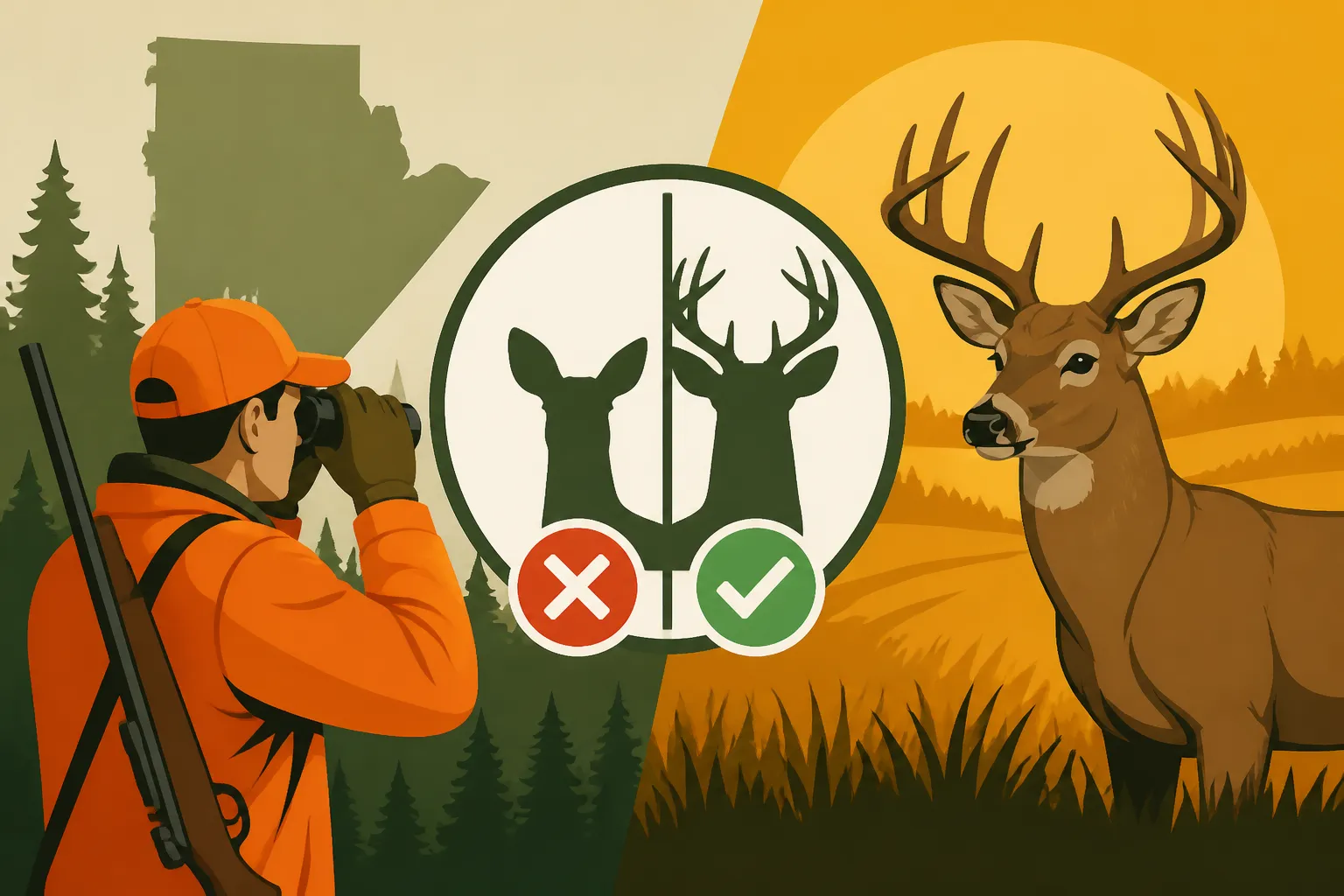
You might wonder why the province cares so much about what parts of your harvested animal remain attached. It might seem like a nitpicky detail when you've got a whole animal to process and get out of the bush. But these regulations are far from arbitrary; they're foundational to sound wildlife management and enforcement, ensuring fair chase and preventing illegal activities.
First and foremost, evidence of sex is a vital tool for conservation. Wildlife managers rely on accurate harvest data to monitor populations and set appropriate quotas. If hunters could simply remove all identifying features, it would be impossible to determine the sex ratio of the harvest. For instance, if too many does or cows are taken, it can severely impact a herd's reproductive potential for years to come. By requiring specific evidence, the province can verify that hunters are taking the correct class of animal their licence allows – an antlered buck, an antlerless deer, a bull moose, or a cow elk, for example. This direct verification helps prevent overharvesting of specific animal classes and supports the long-term health of Manitoba's big game populations. It helps maintain the delicate balance that ensures we have healthy populations for future generations to enjoy.
Beyond conservation, these rules are crucial for enforcement. Unfortunately, not everyone plays by the rules. Poachers might try to take an extra antlerless deer under the guise of an antlered tag, or harvest a cow moose when they only have a bull tag. By mandating that specific parts remain naturally attached, Conservation Officers have a clear, undeniable way to verify the legality of a harvest. Without this evidence, it would be incredibly difficult to prove that an illegal animal was taken. When you're stopped by a Conservation Officer in the field or at a checkpoint, they're not just checking your Manitoba Resident Licence Options and your tag; they're also ensuring that the animal you've harvested meets all the requirements, including evidence of sex. This helps ensure fair play for all ethical hunters and helps deter those who might try to cheat the system. It's a key part of maintaining the integrity of our hunting seasons and protecting our shared wildlife resources.
Species-Specific Evidence of Sex Requirements
The specific requirements for evidence of sex vary depending on the species you've harvested. This is where it’s easy for confusion to creep in, so paying close attention to the details for each animal you hunt is absolutely critical. Imagine you've been planning your Whitetail Hunting in Manitoba trip for months, finally drop a fantastic buck, and then make a simple mistake in the field dressing – it's a gut-wrenching scenario that's entirely avoidable.
For antlered deer (white-tailed or mule deer), the regulations typically state that the antlers must remain naturally attached to the skull plate. This means you can remove the cape and skull cap, but the antlers themselves, still attached to a piece of skull, need to stay with the meat portion until you've reached your final destination for processing or storage. This allows any inspecting officer to verify that the deer was indeed an antlered animal. For an antlerless deer, which many hunters pursue during specific seasons or with a second deer licence, the entire head must remain naturally attached to the carcass or a major portion of the carcass until it reaches a place of storage or residence. This is critical because without the head, it would be impossible to prove it was an antlerless animal. For those hunting specific zones, knowing the Manitoba Whitetail Season Dates by GHA and corresponding antler restrictions is paramount.
When it comes to moose and elk, the rules for identifying sex are different. If you've harvested a bull moose or bull elk, the testicles or penis must remain naturally attached to the carcass. Conversely, if you've taken a cow moose or cow elk, the udder must remain naturally attached. Again, "naturally attached" is the key phrase here. You can field dress the animal, quarter it if necessary for removal from the bush, but these specific parts must remain with a major portion of the carcass. This is especially important given the specific draw seasons for moose and elk in certain Manitoba's Game Hunting Areas, where successful applicants are often drawn for a specific sex. For example, if you're out Calling Moose in Manitoba's Boreal Forest, successfully call in a bull, you need to ensure those identifying parts stay put.
For black bears, the requirements are similar to moose and elk. If you've harvested a male bear (boar), the scrotum must remain naturally attached to the carcass. If it's a female bear (sow), the udder needs to stay naturally attached. This helps verify that the bear harvested matches the licence type, and can also, in some circumstances, help confirm that a sow with cubs wasn't inadvertently taken, although careful judgment in the field should prevent that from happening. For those planning a Spring Bear Hunting in Manitoba, this is a critical detail.
Here's a handy table summarizing the main requirements for common big game species:
| Species | Type of Animal | Required Evidence of Sex | Notes |
|---|---|---|---|
| White-tailed Deer | Antlered Buck | Antlers naturally attached to the skull plate. | The skull plate and antlers must remain with the meat portion until final processing or storage. |
| Antlerless Deer | Entire head naturally attached to the carcass or major portion. | Must remain attached until the carcass is prepared for storage or consumption at your residence or a processor. | |
| Moose | Bull Moose | Testicles or penis naturally attached to the carcass. | Can be quartered for transport, but these parts must stay with one of the major quarters or the main carcass until final processing. |
| Cow Moose | Udder naturally attached to the carcass. | Same as bull moose; parts must remain with a major portion. | |
| Elk | Bull Elk | Testicles or penis naturally attached to the carcass. | Similar rules apply as for moose. |
| Cow Elk | Udder naturally attached to the carcass. | Similar rules apply as for moose. | |
| Black Bear | Boar (Male Bear) | Scrotum naturally attached to the carcass. | Must remain with the hide/carcass until processing. |
| Sow (Female Bear) | Udder naturally attached to the carcass. | Must remain with the hide/carcass until processing. |
Always consult the most current Manitoba Hunting Guide for definitive, up-to-date regulations.
Avoiding Common Mistakes and Ensuring Compliance
Even the most seasoned hunters can make mistakes, especially when exhaustion sets in or daylight is fading. The key to avoiding issues with evidence of sex requirements lies in preparation, mindfulness, and a clear understanding of the rules before you even head into the field.
One of the most common mistakes is simply being in too much of a hurry. You've worked hard, the animal is down, and now you want to get it field dressed and out of the woods. In this rush, it’s easy to inadvertently remove a critical identifying part. Take a breath. Slow down. Remember that quick mental checklist, perhaps informed by resources like GoHunt, before you make that first cut. Think about the specific regulations for the animal you've just harvested. If you're Field Dressing in Manitoba's Deep Cold, the urge to get the job done quickly is even stronger, but rushing can lead to errors.
Another frequent oversight, particularly for antlerless deer, is removing the entire head. While it might seem efficient for packing out, remember that the entire head must remain attached to the carcass until it reaches your home or a processing facility. This is a critical distinction from antlered deer, where only the antlers attached to the skull plate are required. Always double-check your tags and the current regulations, perhaps using an app like GoHunt to pull up GHA-specific rules, to confirm if you're hunting an antlered or antlerless season.
To ensure compliance, make it a habit to:
- Read the Regulations Annually: Regulations can change from year to year. Before each season, sit down and thoroughly review the latest Manitoba Hunting Guide. Pay particular attention to the sections on evidence of sex, Manitoba Tag Validation Rules, and Transporting Game Meat in Manitoba.
- Know Your Species: Understand the specific requirements for each species you plan to hunt. Don't assume rules are universal across all big game.
- Plan Your Field Dressing: Before you even leave home, consider how you’ll field dress your animal if successful. If you plan to quarter it for easier packing, know exactly which parts need to remain with which sections. For example, if you're breaking down a bull moose, ensure the testicles stay with one of the major quarters. This careful planning, especially when considering Meat Care in Manitoba's Cold Snaps, is crucial.
- Utilize Tools: Modern hunting apps like GoHunt can be invaluable. Many offer digital versions of regulations or GHA-specific overlays that can help you confirm rules on the fly, right in the field. They can also help you with Reading a Manitoba GHA Map Before You Go.
- Educate Your Hunting Partners: If you hunt with a group, ensure everyone understands these rules. A mistake by one member of the party can reflect poorly on the entire group and potentially lead to issues for everyone involved. Sharing knowledge is key to a successful and legal hunt.
Legal Ramifications and Best Practices in the Field
Ignoring or misunderstanding evidence of sex requirements isn't just a minor inconvenience; it can lead to serious legal consequences. Conservation Officers in Manitoba take these rules very seriously because they are fundamental to wildlife management and preventing poaching. A simple oversight can lead to severe Manitoba Penalties for Hunting Violations, including significant fines, confiscation of your game meat and equipment, and even suspension of your hunting privileges. Imagine losing your rifle and your hard-earned deer because a critical identifying part was mistakenly removed – it's a devastating blow that no hunter wants to experience.
When you're out in the field, always be prepared for an encounter with a Conservation Officer. They have a tough job protecting our wildlife, and cooperating fully makes their job, and your experience, much smoother. This means:
- Carrying Your Licence and Tag: Always have your physical licence and validated tag on your person, readily accessible.
- Being Transparent: If an officer asks to inspect your harvested animal, cooperate immediately and fully. Be honest about how and where the animal was taken.
- Knowing the Rules: While the officer will educate you, demonstrating that you understand and have attempted to comply with regulations, including Manitoba's CWD Sampling Requirements, goes a long way.
The best practice is to adhere strictly to the "naturally attached" rule until the animal is either at your permanent residence or a licensed processing facility. This provides the clearest chain of custody and leaves no room for doubt. If you're staying at a hunting camp for a few days before heading home, maintain the required evidence of sex on your animal there. Only once you're at the final processing location should you remove these parts.
Beyond the legal aspect, adhering to these rules is a matter of ethical hunting. It shows respect for the animal, respect for the regulations that protect our wildlife, and respect for your fellow hunters. It reflects a commitment to responsible hunting practices that ensure the future of the sport for everyone. By taking a few extra moments in the field and staying informed, you can ensure your Manitoba hunting experience is not only successful but also entirely compliant and ethical.
Disclaimer
The information provided in this guide is for general informational purposes only and does not constitute legal advice. Hunting regulations can be complex and are subject to change. Always consult the official Manitoba Hunting Guide and relevant provincial legislation for the most accurate and up-to-date regulations before heading into the field. It is the hunter's responsibility to know and follow all applicable laws.