Booking a Manitoba Hunt a Year Ahead
You've set your sights on a Manitoba hunting adventure, picturing that perfect whitetail buck, a majestic black bear, or flocks of waterfowl darkening the sky. But the crushing reality often hits when you start reaching out to outfitters: all the prime dates are already gone, booked solid, sometimes more than a year in advance! This guide is here to walk you through exactly why and how to book your Manitoba hunt a year ahead, ensuring you snag that coveted spot and make your dream trip a reality.
Why Booking Early is Your Best Bet for a Manitoba Hunt
There’s nothing quite like the excitement of planning a big hunting trip, especially to a place like Manitoba, renowned for its incredible game. But that excitement can quickly turn into frustration when you start contacting outfitters only to find their calendars are already packed. It’s a common scenario, and it’s why savvy hunters know that planning at least a year out isn't just a good idea – it's often essential.
Prime Dates Disappear Faster Than a Whitetail in Deep Bush
Think about it: every hunter wants the best chance at success, and often that means aligning their trip with peak activity periods for their target species. For whitetail deer, this is undeniably the rut. Those magical weeks in early to mid-November when bucks are on the move, chasing does, are a hot commodity. Similarly, spring bear hunters want those first weeks when bears are emerging from dens, hungry and active, hitting bait sites reliably. Waterfowl hunters are keenly aware of the major migration pushes in fall when the fields are absolutely teeming with geese and ducks.
Outfitters, being experts in their field, know these windows inside and out. They schedule their camps, guides, and resources to maximize success during these peak times. Because these "golden" weeks are finite, and demand far outstrips availability, they get snapped up quickly. If you wait until six months out, or even nine, you'll often find yourself trying to fit into whatever scraps are left, which might not be the experience you truly envisioned. This is especially true for Booking a Manitoba Whitetail Hunt or securing a spot for Booking a Manitoba Black Bear Hunt.
Securing Your Preferred Outfitter and Camp
Beyond just the dates, booking early allows you to choose your outfitter. There are many fantastic hunting operations across Manitoba, but each has its own reputation, style, and limited capacity. A top-tier outfitter with a proven track record for big animals, comfortable accommodations, or exceptional service will have clients re-booking year after year, sometimes even before they leave camp! This creates a continuous waiting list or a rapid fill-up of upcoming seasons.
If you have a specific outfitter in mind – perhaps you've heard glowing reviews, seen their trophy photos, or they specialize in a particular style of hunting you prefer – then early booking is paramount. It ensures you’re not just getting a hunt, but the hunt you truly want with the people you trust. It gives you the luxury of choice, rather than settling for whoever still has an opening. Many outfitters, especially those known for trophy whitetails in the Parkland region or those specializing in Manitoba Outfitters in the Parkland, fill up their prime spots within months of the previous season ending.
The Undeniable Advantages of Early Planning
The benefits of booking your Manitoba hunt a year in advance extend far beyond simply securing a spot. It’s about peace of mind, better preparation, and even financial planning.
First, you get the absolute best selection of dates, ensuring your hunt aligns with the optimal time for the species you're pursuing. Secondly, you lock in your chosen outfitter and camp. This means you can begin building a relationship with them, asking questions, and getting tailored advice for your specific trip. Thirdly, early booking often allows you to lock in the price. While outfitters generally try to keep their rates stable, costs for supplies, fuel, and labour can fluctuate. By putting down your deposit early, you're often protected from potential price increases that might come with closer-to-date bookings.
Furthermore, having a full year to plan allows ample time for physical conditioning, practicing with your chosen weapon, and assembling or upgrading your gear. Imagine having twelve months to shed those extra pounds, hone your shooting skills, or save up for that new rifle or bow without feeling rushed. It's a game-changer for your confidence and readiness. Plus, it provides a much more relaxed timeline for applying for Manitoba Hunting Licences and What They Cost or navigating the intricacies of Manitoba's Big Game Draws.
Understanding the Manitoba Hunting Calendar and Peak Seasons
To really maximize your chances of booking the perfect hunt, you need to have a solid grasp of Manitoba's hunting calendar. Each species has its own peak activity periods, and knowing these will help you identify the "prime dates" that get snapped up so quickly.
Key Species and Their Prime Hunting Windows
Manitoba offers incredible opportunities across a range of big game and migratory birds, but their seasons and peak times vary significantly.
- White-tailed Deer: Without a doubt, the prime time for trophy whitetails in Manitoba is during the rut, typically from early to mid-November. Bucks are actively seeking does, often letting their guard down and moving more frequently during daylight hours. Archery hunters often target the last week of October and first week of November as pre-rut activity increases. Rifle seasons also align with this general timeframe. These specific weeks are universally the hardest to book and require the most foresight.
- Black Bear: Manitoba is renowned for its spring bear hunting. Bears emerge from hibernation hungry and are drawn to bait sites. The spring season generally runs from late April or early May into June. The first two to three weeks of May are often considered prime, as bears are consistently visiting baits. Fall bear hunting, typically in August and September, also offers excellent opportunities, especially for hunters looking for specific colour phases as bears are focused on foraging before winter.
- Moose: Moose hunting in Manitoba, particularly for non-residents, is typically guided and focuses on the boreal forest. The rut, usually in late September and early October, is the most exciting time, with calling tactics being highly effective. However, seasons are tightly managed and many areas are under conservation closures.
- Elk: Elk seasons are limited, with draw tags being the primary access for residents. Archery season in September during the bugle is a thrilling experience, followed by rifle seasons.
- Waterfowl: Manitoba is a waterfowl mecca, sitting squarely on the Central Flyway. The season begins in early September, but the truly epic hunting usually happens from late September through October as ducks and geese migrate south. Snow goose hunters often aim for the later pushes in October, while Canada goose and duck hunters might prefer earlier in the month. The specific timing can vary with weather, but a general window for consistent action is well-established. Manitoba Waterfowl Outfitter Packages are particularly popular during these migration peaks.
How Draws and Licence Applications Factor In
It's not just about when the animals are active; it's also about when you can legally hunt them, and how you secure that right. Manitoba has specific timelines for licence sales and, crucially, big game draws.
For species like moose and elk, and often for specific antlerless deer tags, Manitoba operates a draw system. This means you apply for a limited number of tags in specific Game Hunting Areas (GHAs). The application period typically opens in spring, with deadlines often in April or May, and results usually posted in June or July. If you plan to hunt these species, especially as a resident, you absolutely must factor in these deadlines. Missing the draw means you're out of luck for the entire season. Knowing How Manitoba's Draw Application Works and Manitoba Draw Deadlines and Results is non-negotiable for these species.
Even for general licences that don't require a draw, like general deer or bear, knowing when they become available for purchase (usually in spring or early summer) is important. While you might not need to buy them a year out, your outfitter might need your licence number or confirmation that you're eligible before finalizing your booking. Non-residents, in particular, often have specific requirements, including booking with a licensed outfitter for certain species.
Considering Shoulder Seasons for Flexibility
While everyone wants "peak rut" or "peak migration," sometimes aiming for the shoulder seasons can offer a fantastic hunting experience with less competition and potentially more flexibility in booking.
For whitetails, this might mean hunting the very end of October when bucks are starting to feel the urge but aren't in full chase mode, or the latter half of November as the main rut winds down but bucks are still recovering and feeding heavily. These periods can still be incredibly productive, often with the added bonus of cooler weather and fewer hunters afield.
For spring bear, booking the last week of May or early June might mean slightly warmer temperatures and more foliage, but bears are often still hitting baits consistently, and outfitters might have more openings. For waterfowl, hitting the early season in September can offer fantastic local bird action before the big migrations, or hunting later in November can target hardy northern birds.
Discussing these options with your chosen outfitter a year in advance can open up possibilities you might not have considered. It allows them to manage their resources effectively and potentially offer you a different, but equally rewarding, hunting experience if your absolute prime dates are already gone.
The Steps to Plan Your Manitoba Hunting Adventure a Year Out
Booking a major hunt isn't just about picking a date; it's a multi-step process that benefits immensely from an extended timeline. Let’s break down how you can systematically approach booking your Manitoba hunt a year ahead.
Researching Outfitters and Hunting Areas
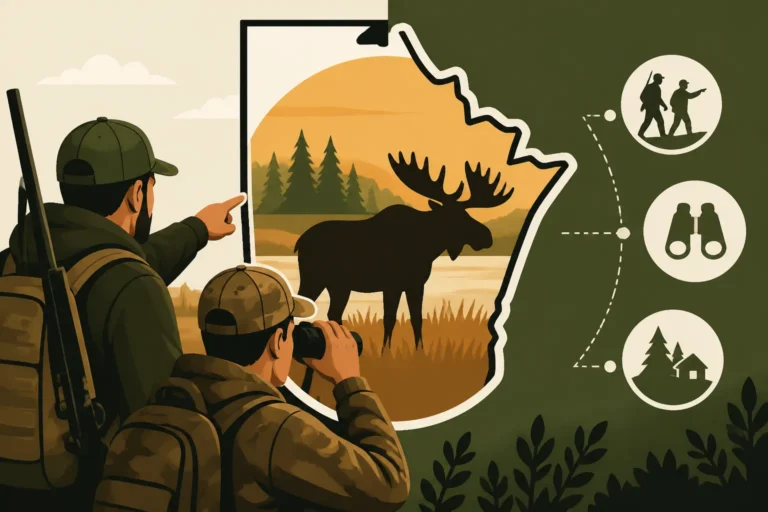
The first, and arguably most critical, step is thorough research. You need to identify reputable outfitters who operate in areas known for the species you wish to hunt and who have a solid track record. This isn't just about finding someone with an open calendar; it's about finding the right partner for your hunt.
Start by looking at reviews, testimonials, and online hunting forums. Websites like BookYourHunt or GoHunt can be excellent resources for finding outfitters, seeing their offerings, and reading unbiased reviews from past clients. These platforms often provide detailed profiles, photos, and contact information, allowing you to narrow down your options efficiently. However, don't rely solely on online platforms. Dig deeper: ask for references from past clients directly from the outfitter. Call those references and ask specific questions about their experience, the camp, the guides, and overall satisfaction.
Consider the specific Game Hunting Area (GHA) where the outfitter operates. Some GHAs are known for larger deer, others for higher bear densities, or specific waterfowl opportunities. Understanding Manitoba's Game Hunting Areas and their reputations will inform your choice. For instance, if you're targeting a monster whitetail, you'll want to focus on outfitters in areas with a history of producing them. Your research should be comprehensive, creating a shortlist of 3-5 outfitters that genuinely align with your hunting goals and expectations.
Initial Contact and Deposit Timelines
Once you have your shortlist, it's time to make initial contact. This should happen at least a year, and ideally 12-18 months, before your desired hunt dates. When you reach out, be prepared with specific questions:
- What are their available dates for your target species in your preferred season (e.g., "early November whitetail rifle hunt")?
- What is their all-inclusive price, and what exactly does it cover (guides, lodging, food, field prep, etc.)?
- What is their deposit policy? How much is required, and when is the balance due?
- What is their cancellation and refund policy?
- Can they provide references from recent clients?
Most reputable outfitters will require a significant non-refundable deposit to secure your booking. This deposit typically ranges from 25% to 50% of the total hunt cost. The balance is usually due anywhere from 30 to 90 days before your hunt starts. Understand these terms thoroughly. A year out, an outfitter might just be opening their books for the next season, giving you the best chance to pick your prime week. Being decisive once you find the right fit is key, as those coveted spots can fill up quickly even after the initial deposit period opens. Remember, When Manitoba Outfitters Book Up is often immediately after the prior season concludes, especially for the most desirable dates.
Licence and Permit Application Processes
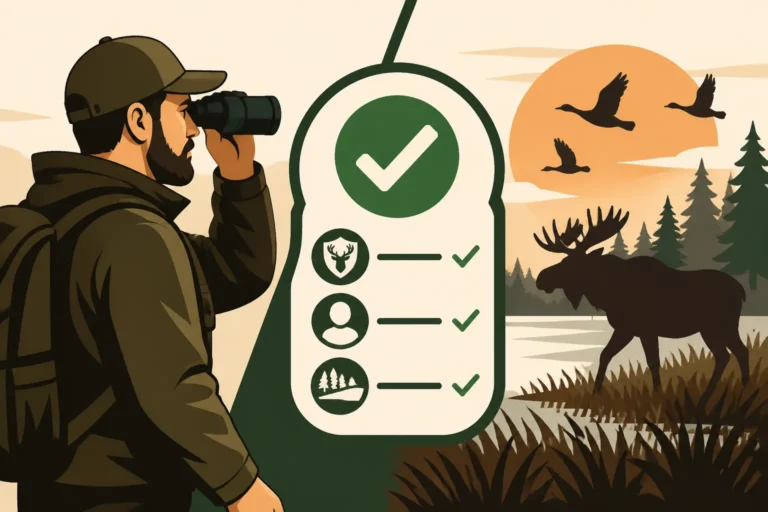
While your outfitter will generally guide you through the specifics for non-residents, understanding the general timelines for licences and permits is your responsibility as the hunter.
- Federal Migratory Game Bird Permit: If waterfowl hunting, you'll need this in addition to your provincial licence. It's typically available online or at Canada Post locations.
- Provincial Licences: For deer, bear, moose, elk, and upland birds, you'll purchase a provincial licence. For non-residents, these are often purchased directly through your outfitter or via Manitoba's online portal.
- Draw Applications: As mentioned, if you're aiming for a moose or elk tag, or specific special deer tags, you must apply for the draw well in advance. Miss the deadline, and you miss the opportunity. This usually means applying in the spring for a fall hunt.
- Non-Resident Firearm Declaration: If you're bringing your own firearm into Canada from outside the country, you'll need to complete a Non-Resident Firearm Declaration form (RCMP 5589). This should be done in triplicate and presented to a Canadian Customs Officer at your port of entry. It costs a fee and is valid for 60 days. Don't wait until the last minute to understand this process!
It’s always a good idea to confirm all necessary licence and permit requirements with your outfitter. They are your best resource for the most current information and can help ensure you don't overlook any crucial steps. Keeping a clear Manitoba Trip Planning Timeline will help you manage all these moving parts.
What to Consider Beyond the Booking Itself
Once your hunt is officially booked and the deposit is paid, the real work (and fun!) of preparing begins. A year-long lead time gives you an incredible advantage in ensuring every aspect of your trip is as smooth and successful as possible.
Financial Planning and Budgeting
Beyond the base cost of the hunt and your deposit, a Manitoba hunting trip involves several other expenses that can quickly add up. A year of lead time allows you to budget realistically and save accordingly.
Consider the following:
- Licences and Tags: These are separate from the outfitter's fee.
- Travel Costs: Flights, fuel if driving, potential overnight stays en route.
- Gear: New boots, specialized clothing for cold weather, optics, ammunition, or even a new firearm.
- Gratuities/Tips: It is customary to tip your guides, cooks, and other camp staff for their hard work. This can be a significant expense, often 10-20% of the hunt cost. Make sure you budget for this! For more on this, check out How Much to Tip a Manitoba Guide.
- Meat Processing and Shipping: If successful, you'll need to cover the cost of butchering, packaging, and potentially shipping your game meat home.
- Taxidermy: If you plan to mount your trophy, factor in the cost of caping, freezing, and shipping to your taxidermist, as well as the taxidermy fee itself.
- Contingency Fund: Always have a buffer for unexpected expenses or emergencies.
A detailed budget worksheet created a year in advance will help you track these costs and prevent any unwelcome surprises closer to your departure date. This also allows you to save money gradually rather than facing a huge lump sum payment all at once.
Physical Preparation and Gear Check
Hunting in Manitoba, especially in the late fall or early spring, can be physically demanding. Long days in a stand, tracking through varied terrain, or navigating cold weather requires a good level of fitness. A year gives you plenty of time to get in shape.
- Physical Conditioning: Focus on cardiovascular fitness, strength training, and endurance. If you'll be walking a lot, mimic that with hikes. If you'll be sitting still in the cold, work on core strength and mental fortitude.
- Gear Inventory and Upgrade: Go through all your hunting gear. What needs replacing? What could be upgraded? That new rifle scope, warmer jacket, or insulated boots can be purchased well in advance, giving you time to test them out. For those cold November whitetail hunts, understanding Boots for Sitting Still in Deep Cold or Dressing for Manitoba's November Cold will be crucial.
- Weapon Practice: Whether it's a rifle, bow, or muzzleloader, regular practice is essential. Use the year to become intimately familiar with your weapon, ensuring accuracy and confidence at various distances. This also gives you time to find the right ammunition or arrow setup for your specific hunt.
The mental preparation is just as important. Knowing you’ve done everything possible to prepare physically and with your gear will boost your confidence and allow you to fully enjoy the experience.
Travel Arrangements and Logistics
Finally, with a year to plan, you can meticulously sort out your travel logistics, reducing stress significantly.
- Flights/Driving Route: If flying, book your flights well in advance for better rates and availability, especially if you're flying into Winnipeg and then connecting to a smaller regional airport or arranging ground transport. If driving, plan your route, considering potential border crossing points and overnight stops. Remember, Flying Into Winnipeg for a Hunt often involves additional ground travel.
- Accommodation: If you need to arrive a day early or stay a day later, book your pre- and post-hunt accommodation near the airport or your meeting point.
- Border Crossing: For non-residents, particularly from the US, fully understand the requirements for crossing the Canadian border with firearms and ammunition. Having your Non-Resident Firearm Declaration completed beforehand is critical. Don't assume anything; confirm all rules regarding Bringing Firearms Into Manitoba and Declaring a Firearm at the Canadian Border.
- Communication: Clarify with your outfitter about cell service availability at camp and emergency communication plans.
- Vehicle Needs: If you're driving, ensure your vehicle is in top condition, especially if you anticipate rough roads or winter conditions. For hunts involving off-road travel, know the rules for Quad and Side-by-Side Rules on Crown Land.
Taking the time a year out to map out every detail, from the big picture to the small print, is truly the secret to a stress-free and ultimately successful Manitoba hunting experience. It validates the effort you put in, and ensures that when the time comes, you can focus entirely on the hunt itself, rather than worrying about the logistics.
Disclaimer
This article is for general informational purposes only and does not constitute professional advice. Laws, prices and regulations vary by location and change over time. Consult a qualified professional for guidance on your specific situation.