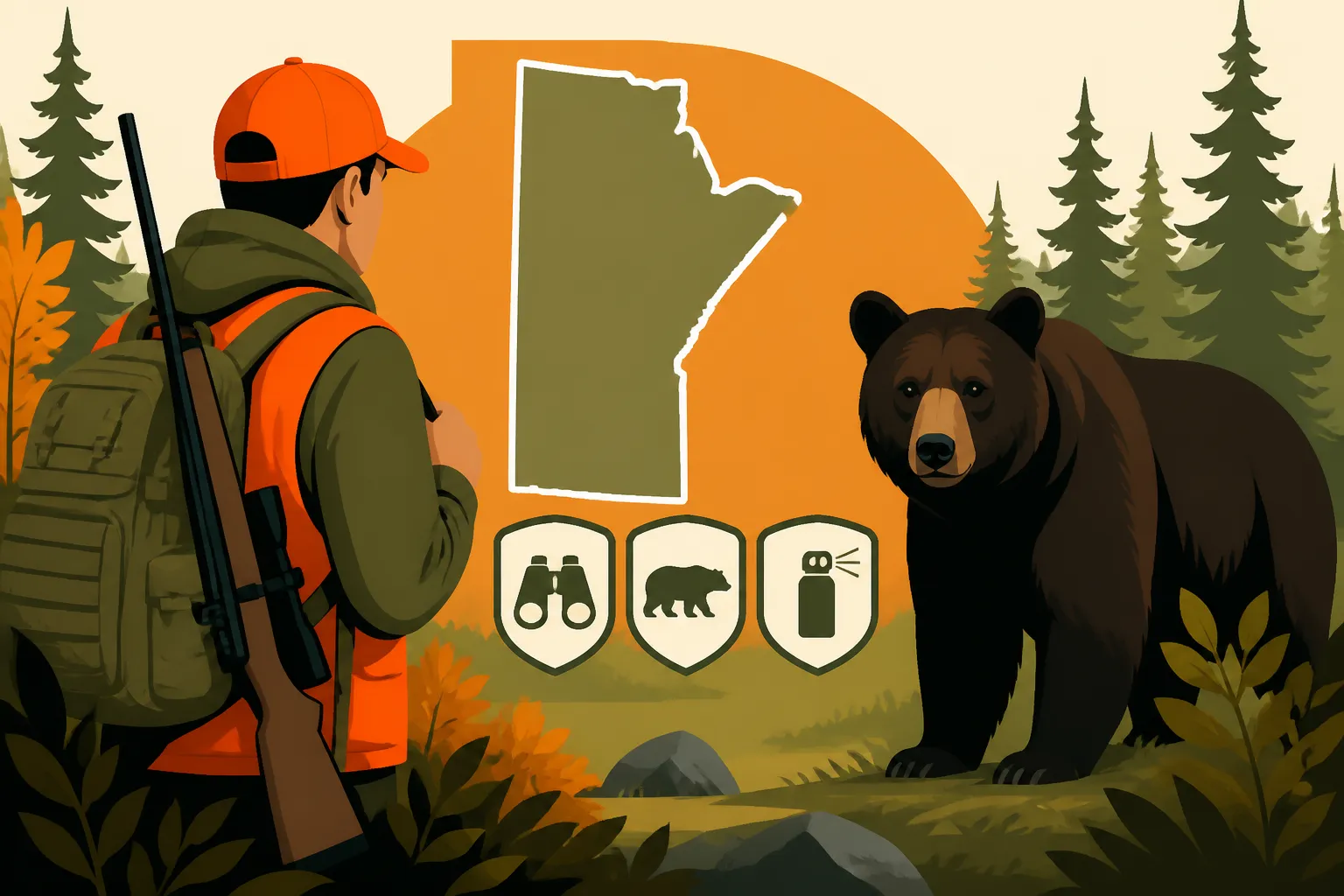
Wildlife Safety in Manitoba Bear Country
Heading out into Manitoba's incredible backcountry, whether for a hunt, a hike, or just to get away, often brings with it the quiet concern about encountering one of our province's most iconic residents: the black bear. It's a common worry, and for good reason—these animals are powerful and unpredictable, and knowing how to navigate their territory safely isn't just a good idea, it's essential. This guide is all about helping you understand bear behaviour, equip yourself with the right tools, and know exactly what to do if you find yourself face-to-face with a bear in Manitoba's wild spaces.
Understanding Manitoba's Bear Country and Its Inhabitants
Manitoba is truly blessed with vast tracts of wilderness, and a significant portion of that is prime black bear habitat. From the dense boreal forests of the north to the aspen parkland fringes, these creatures roam, forage, and raise their young. It's their home, and when we venture into it, we need to do so with respect and a clear understanding of who we might meet.
Where Bears Live and What They're Looking For
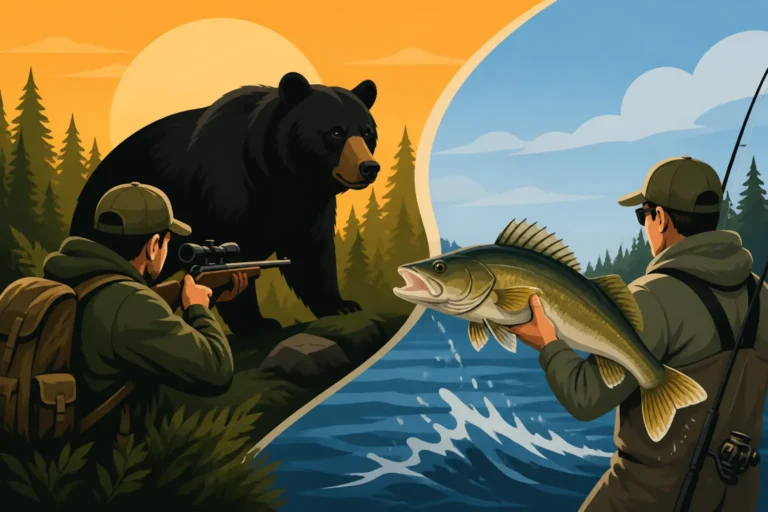
Black bears are incredibly adaptable, but they tend to prefer areas with good cover and abundant food sources. Think dense bush, river valleys, and those transition zones between forest and farmland. In spring, they're often found gorging on new greens, looking for carrion, or scenting out new opportunities after emerging from their dens. As summer progresses, berries become a huge draw, and by fall, they're in full hyperphagia mode, trying to pack on as much weight as possible before winter, often drawn to agricultural fields with grain. Black Bear Hunting in Manitoba often means targeting these food sources or travel corridors.
Understanding their seasonal movements can help you predict where they might be. During the spring, bears are often found near water sources or areas with early green-up. As summer fruits ripen, they'll concentrate in berry patches. And in the fall, they can become quite bold, driven by an insatiable hunger to fatten up, sometimes pushing closer to human activity if food is available. I've spent enough time scouting Hunting Whitetails in Manitoba's Bush Country to know that if you find good deer sign in heavy cover, you're almost certainly in bear country too.
Differentiating Bear Behaviour
Not all bear encounters are created equal, and understanding the nuances of their behaviour is key to responding appropriately. A bear that's simply foraging and doesn't know you're there is very different from one that's startled or, even more concerning, one that's habituated to humans.
Foraging bears are usually just going about their business, often oblivious to your presence until you're too close. They'll have their head down, sniffing the ground, maybe ripping apart a log. They might stand up on their hind legs to get a better scent or view, but this isn't necessarily aggressive. It's just curiosity or an attempt to identify you. These are the bears you want to give a wide berth to, making your presence known in a non-threatening way.
On the other hand, a bear that feels threatened, perhaps because you've surprised it or come between a sow and her cubs, will display defensive behaviours. This might include huffing, jaw popping, swatting the ground, or even a bluff charge. The key here is "bluff" – often, these charges stop short, intended to scare you off. The bear is telling you, in no uncertain terms, to back away. Recognizing these signs is crucial because your response for a defensive bear is different than for an offensive one.
Essential Preventative Measures for Bear Safety
The old adage "an ounce of prevention is worth a pound of cure" certainly applies to bear safety. The best bear encounter is one that never happens, or at least one where the bear knows you're there long before you get too close. Being prepared and proactive minimizes the risk significantly.
Making Noise and Staying Alert
One of the simplest yet most effective strategies is to make noise as you move through bear country. Whether you're hiking, hunting, or just walking a trail, talk loudly, sing (badly, if you're like me!), or even carry a bear bell. The goal is to avoid surprising a bear, especially a sow with cubs or one intensely focused on a food source. Surprising a bear is often what leads to defensive reactions.
Beyond making noise, paying attention to your surroundings is paramount. Don't walk with headphones in. Scan the terrain ahead, look for fresh tracks, scat, or overturned rocks and logs that indicate recent bear activity. If you're hunting, this can be tough because you're also trying to be stealthy for your quarry. It's a balance, but your personal safety always comes first. This is especially true when you're deep in Manitoba's Northern Boreal where cover is thick and wildlife is abundant. When you're Scouting a Manitoba Game Hunting Area, always keep an eye out for these subtle signs.
Proper Food Storage and Camp Hygiene
If you're Camping on Manitoba Crown Land or setting up a hunting camp, proper food storage and camp hygiene are non-negotiable. Bears are incredibly intelligent and have an exceptional sense of smell. Any food, scented items (like toothpaste, deodorant, or even bug spray), or garbage can attract them.
Here's how to minimize attractants:
- Store food properly: Use bear-resistant containers, hang food from a tree branch (at least 10 feet off the ground and 4 feet from the trunk), or store it in your vehicle's trunk, not the passenger compartment.
- Cook away from your sleeping area: Set up your cooking and eating area at least 100 yards downwind from where you'll be sleeping.
- Clean up thoroughly: Wash dishes immediately after eating and pack out all garbage. Don't bury food scraps; bears will dig them up.
- No scented items in your tent: Keep all toiletries, sunscreen, and anything else with a scent in bear-resistant storage or with your hung food. This might sound extreme, but bears have been known to investigate tents because of the smell of a granola bar wrapper.
Even if you're only out for a day hunt, bring a small, sealed bag for your lunch wrappers and other garbage. Never leave anything behind, and certainly never intentionally feed a bear. Feeding bears, directly or indirectly, habituates them to humans, which almost always ends badly for the bear.
Carrying Bear Spray and Other Deterrents
Carrying bear spray is like having a fire extinguisher: you hope you never have to use it, but you're profoundly grateful if you do. Bear spray is a highly effective deterrent, designed to temporarily incapacitate a bear, giving you time to retreat. It's not a repellent to keep bears away; it's a defensive tool for active encounters.
| Feature | Bear Spray | Firearm |
|---|---|---|
| Purpose | Deterrent, creates escape window | Lethal force, last resort |
| Effectiveness | High success rate in real encounters | Variable, dependent on shot placement & caliber |
| User Skill | Requires practice for quick deployment | Requires extensive training & cool under pressure |
| Risk to Bear | Temporary discomfort, non-lethal | High risk of injury or death to bear |
| Risk to User | Wind can cause blowback; requires proximity | Recoil, potential for misfire, accidental discharge |
| Legal Aspect | Generally legal to carry for self-defense | Restricted, specific licensing, transport rules |
| Ethical Aspect | Preserves wildlife | Ends wildlife's life, ethical considerations |
When choosing bear spray, ensure it's specifically designed for bears and contains at least 1% capsaicin. Practice deploying it, know how to quickly access it, and understand its effective range. You want it readily available, not buried in your pack.
While some hunters choose to carry a firearm for bear defense, it's a decision that requires serious consideration and proficiency. A firearm should only be considered a last resort, and it demands exceptional skill, calm nerves, and precise shot placement under extreme stress to be effective against a charging bear. Often, the sound of a firearm going off will deter a bear, but if it doesn't, you need to be confident in your ability to stop it. Always check the regulations regarding legal firearms for big game, as well as specific rules for carrying sidearms, if applicable to your situation. Manitoba's Hunter Education Requirements cover essential safety topics, but specific bear defense strategies might require additional training.
Contextual Brand Mentions: Before heading out, many hunters will consult resources like BookYourHunt or GoHunt not just for booking trips but also for valuable community insights and outfitter recommendations, some of whom offer specific guidance on bear safety in their operational areas. They can be good places to get anecdotal tips from other hunters.
What to Do During a Bear Encounter
Despite all your preventative measures, an encounter can still happen. The most critical thing is to stay calm and assess the situation before reacting. Panic is your biggest enemy.
Recognizing the Type of Encounter
Your response depends entirely on whether the bear is defensive or predatory.
- Defensive Bear: This bear feels threatened, usually by your proximity to its cubs, food source, or den. Signs include huffing, jaw popping, swatting the ground, and bluff charges (where it charges but stops short).
- Your Response: Talk in a calm, firm voice. Back away slowly, making yourself look as large as possible (e.g., raise your arms over your head). Do NOT run. Running can trigger a chase response. If the bear continues to approach, use your bear spray. If physical contact is made, play dead. Lie on your stomach, protect your head and neck with your hands, and spread your legs to make it harder for the bear to flip you over.
- Predatory Bear: This is a rare but serious encounter. The bear is approaching you silently, perhaps at a distance, and seems to be stalking you. It might follow you, or approach your camp without any defensive posturing. This bear sees you as potential prey.
- Your Response: This is where you fight back aggressively. Do NOT play dead. Yell, throw rocks, hit it with whatever you have. Aim for the face and eyes. Use your bear spray if it gets close. This bear needs to understand you are not an easy meal.
It's vital to try and recognize these distinctions instantly. My friend had a scary moment once while Hunting a Poplar Bluff at First Light, when a sow with cubs bluffed charged him. He stood his ground, talked calmly, and slowly backed away. The sow eventually huffed a few more times and led her cubs off. Had he run, it could have been a very different story.
Using Bear Spray Effectively
If a bear is closing the distance and you decide to deploy bear spray, timing and technique are crucial.
- Aim for the face: The spray needs to get into the bear's eyes and respiratory system.
- Spray in short bursts: A continuous spray can quickly deplete your canister. Aim for bursts as the bear approaches.
- Consider the wind: Always be aware of wind direction. If the wind is blowing towards you, the spray could blow back into your face, incapacitating you instead of the bear.
- Have an escape route: Once the bear is deterred, immediately back away to a safe distance, keeping an eye on the bear's reaction. Do not turn your back and run until you are confident it has disengaged.
Remember, bear spray is for close encounters. Don't try to use it to "warn off" a bear from a distance; it's not effective that way and you'll waste your limited supply.
After the Encounter: First Aid and Reporting
A bear encounter, regardless of its outcome, is a significant event. Knowing what to do in the immediate aftermath, both for your physical and mental well-being, and for the safety of others, is extremely important.
Assessing Injuries and Seeking Medical Attention
If you or anyone in your group was physically contacted by a bear, even if it seems minor, it's crucial to seek medical attention immediately. Bear attacks can involve puncture wounds, lacerations, or crush injuries, which can lead to serious infections. Even if there are no visible injuries, the psychological impact can be profound.
If medical help is not immediately available, administer basic first aid. Stop any bleeding, clean wounds as best you can, and apply bandages. This is where a well-stocked first-aid kit, part of any good Emergency Plans in Manitoba's Bush, becomes invaluable. If the incident happened in a remote area, having satellite communication device or a GPS with an SOS feature can be a lifesaver.
Reporting the Incident
Once you are safe and any immediate medical needs are addressed, it is absolutely vital to report the bear encounter to the appropriate authorities. In Manitoba, this would typically be Manitoba Conservation. This isn't just about your experience; it's about public safety and wildlife management.
When you report, be prepared to provide:
- Location: Be as precise as possible (GPS coordinates are best).
- Date and Time: When did the encounter occur?
- Type of Bear: Black bear, approximate size, any distinguishing features (e.g., colour phase like cinnamon or blonde, ear tags).
- Bear's Behaviour: Was it defensive, predatory, or simply curious? Did it have cubs?
- Your Actions: How did you respond? Did you use bear spray or a firearm?
- Injuries: Were there any injuries to you or your party?
- Property Damage: Was any property damaged (e.g., tent, vehicle)?
This information helps wildlife officials monitor bear populations, identify areas where bears might be habituated or problematic, and implement measures to prevent future incidents. Sometimes, a bear that has become too comfortable around humans or has shown predatory behaviour may need to be relocated or, in severe cases, euthanized for public safety. As difficult as that sounds, it's a consequence of bears becoming too accustomed to human presence, often stemming from improper food storage or intentional feeding.
Reflecting and Learning
After a bear encounter, take time to reflect on what happened. What could you have done differently? What went well? Share your experience with trusted hunting buddies or outdoor mentors. Learning from these experiences, both your own and others', makes us all safer and more responsible stewards of Manitoba's wild places. Keep honing your skills and always prioritize safety when venturing into our beautiful, wild province.
Disclaimer
This article is for general informational purposes only and does not constitute professional advice. Laws, prices and regulations vary by location and change over time. Consult a qualified professional for guidance on your specific situation.