Manitoba Rifle Season Dates
Understanding when and where you can legally hunt in Manitoba can sometimes feel like trying to solve a complicated puzzle, especially when it comes to rifle season dates. It's not just a simple "open season" across the board; specific Game Hunting Areas (GHAs) and species have their own unique windows, and missing these details can ruin a planned trip or even lead to serious issues. This guide is here to untangle that complexity, giving you a clear, detailed look at Manitoba's rifle season dates so you can plan your next hunt with confidence.
Decoding Manitoba's Game Hunting Areas and Seasons
Before we dive into specific dates, it's absolutely crucial to grasp how Manitoba's Game Hunting Area (GHA) system works. Without this foundational understanding, looking at a list of dates will just add to the confusion. These GHAs are the bedrock of hunting regulations here, dictating everything from species availability to weapon restrictions and, of course, season dates.
What are GHAs and How They Impact Your Hunt?
Manitoba is carved up into a series of distinct Game Hunting Areas, or GHAs, each designated by a number (like GHA 20A, 26, or 34). Think of them as localized management zones designed to help the province manage wildlife populations more effectively. The landscape, habitat, and even the pressures from hunting and human development can vary wildly from one GHA to the next, which is why the rules aren't uniform. What's open in the bush country of the Interlake might be completely different from the regulations in the agricultural areas of the southwest or the dense boreal forest up north.
The primary impact of these GHAs is on which species you can hunt, the bag limits, and, most pertinent to our discussion, the specific opening and closing dates for various seasons, including rifle. This localized approach allows wildlife managers to respond to population fluctuations, habitat conditions, and even disease outbreaks (like CWD) with precision, rather than implementing blanket rules that might not make sense for every corner of the province. For hunters, this means your homework starts with identifying your target GHA and then cross-referencing all regulations specific to that area. Tools like a Manitoba GHA map are indispensable here.
Why GHA Boundaries Matter for Rifle Season Dates
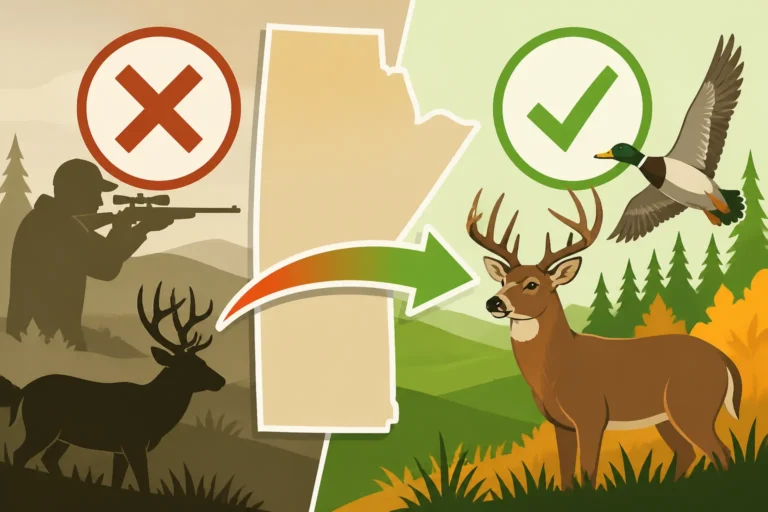
The boundaries of these GHAs aren't just lines on a map; they are the legal demarcation for your hunting season. Imagine you're hunting whitetails in a GHA where the rifle season opens November 1st, but just across a road or river, you've accidentally crossed into a GHA where the season doesn't open until November 10th. Suddenly, you're hunting out of season, even if you were only a few hundred yards from your intended spot. It's a frustrating but very real scenario, and one that provincial conservation officers take seriously.
This meticulous boundary system is particularly vital for rifle seasons because they often represent the most impactful hunting pressure on big game populations. By controlling the exact dates within each GHA, the province can manage harvest rates, especially for sensitive species like moose or elk, or during critical periods like the whitetail rut. Always confirm the exact GHA you intend to hunt in, and then double-check the corresponding Manitoba Rifle Season Dates for that specific area. Digital mapping applications, such as GoHunt, can be incredibly helpful for visualizing these boundaries on your phone or GPS, allowing you to stay compliant in the field.
General Rifle Season Dates for Whitetail Deer
For many hunters, the whitetail deer rifle season is the highlight of the fall. Manitoba is well-known for its healthy deer populations and the potential for true trophy-class animals, drawing hunters from across North America. However, "when" you can hunt with a rifle depends significantly on "where" you are in the province. It's definitely not a one-size-fits-all scenario!
Early November General Season Opener
Across much of southern and central Manitoba, the general rifle season for whitetail deer typically kicks off in early to mid-November. This timing is strategic, often coinciding with the peak of the whitetail rut, which usually falls in the second and third weeks of November. For hunters, this is prime time; bucks are on the move, actively seeking does, making them more visible and responsive to calling and rattling. This traditional opener is highly anticipated, and you'll find many passionate hunters hitting the bush or fields during this period.
It's important to remember that while early November is a general trend, specific dates will still fluctuate by GHA. For instance, some of the more accessible GHAs close to population centers might have slightly different start dates or season lengths compared to more remote areas. Always consult the official Manitoba Hunting Guide for the most precise information for your chosen GHA. This is also when conditions can get seriously cold, so preparing for Hunting Safely in Deep Winter Cold is a must, even if the snow hasn't fully arrived yet.
Regional Variations and Extended Seasons
While the early November opener is common, Manitoba's diverse geography means there are significant regional variations. For example, some northern GHAs or areas with lower deer populations might have shorter seasons, or even no rifle season for antlered deer, focusing instead on limited antlerless opportunities or archery/muzzleloader only. Conversely, areas with very healthy or even overpopulated deer herds might offer extended seasons or opportunities for a Second Deer Licence in Manitoba. These extended seasons are often antlerless-only hunts later in December, designed to help manage herd numbers efficiently.
It's not uncommon for GHAs near urban areas or those designated as "Managed Hunting Areas" to have unique dates or restrictions as well, often aimed at addressing safety concerns or reducing conflict with landowners. This patchwork of regulations is why Manitoba Whitetail Season Dates by GHA should be the first thing you look up once you've picked your hunting spot. Hunters planning to explore new territories should definitely use resources like GoHunt or the provincial hunting guide to Scouting a Manitoba Game Hunting Area before committing to a plan, ensuring they understand all the local nuances and opportunities, like Hunting the Late December Season in specific GHAs.
Specific Rifle Seasons for Other Big Game
While whitetail deer capture a lot of attention, Manitoba offers rifle seasons for other iconic big game species too, including moose, elk, and black bear. Each of these species has its own set of regulations and season dates, reflecting their population dynamics, habitat needs, and conservation goals.
Moose Rifle Season Dates and Conservation Closures
Moose hunting in Manitoba, particularly with a rifle, is a truly challenging and rewarding experience, but it comes with stricter regulations due to ongoing conservation efforts. Moose rifle seasons are generally much shorter and more restricted than whitetail seasons, often opening in mid-September or early October and running for a few weeks, depending on the GHA. The most prominent areas for rifle moose hunting are typically found in the vast boreal forests of central and northern Manitoba, where these magnificent animals thrive.
However, a critical factor for moose hunters is the existence of significant Manitoba's Moose Conservation Closures. Due to population declines in certain areas, particularly in parts of the Interlake and the Duck Mountain regions, many GHAs have had their moose seasons closed entirely or severely restricted to archery or Métis harvesting only. These closures are vital for allowing moose populations to recover. Before you even dream of packing your rifle for a moose hunt, you must check Where Moose Hunting Is Closed Entirely and ensure your target GHA has an active rifle season for the species. Often, success rates are higher in areas further north, especially if you're prepared for the rugged Moose Hunting Manitoba's Boreal Country.
Elk Rifle Season Dates by Herd and GHA
Elk hunting in Manitoba is a highly sought-after opportunity, predominantly managed through a draw system due to limited permits. Rifle seasons for elk typically occur in the fall, often overlapping with late September and October, though specific dates are tied to individual elk herds and their respective GHAs. Manitoba's main elk populations are concentrated in distinct regions like the Duck Mountain, Porcupine Hills, Spruce Woods, and around Riding Mountain National Park. Each of these herds is managed individually, leading to varying season dates.
For instance, the Spruce Woods herd might have a different season opener than an agricultural area herd experiencing crop damage issues. Hunters who are lucky enough to draw an elk tag must pay extremely close attention to the When Elk Season Opens by GHA for their specific permit. These seasons are generally short, sometimes only a week or two, emphasizing the limited opportunity and the need for hunters to be ready when their window opens. It’s imperative to consult the draw results and the annual hunting guide for the exact dates and rules for your specific permit and location.
Black Bear Rifle Seasons
Manitoba offers both spring and fall black bear rifle seasons, providing ample opportunity for hunters. Unlike deer, where rifle seasons are often limited to fall, bear hunting gives you two distinct chances to pursue these elusive animals.
The spring bear rifle season typically runs from early May through to mid-June, depending on the GHA. This is a popular time, as bears are emerging from hibernation, often seeking food, and are frequently hunted over bait sites. For those interested, diving into Spring Bear Hunting in Manitoba can provide invaluable insights into setting up effective bait stations and timing your hunt. It's a fantastic experience, especially for those looking to enjoy the awakening of the Manitoba bush.
The fall bear rifle season usually opens in mid-August and can extend into October or even early November in some GHAs. This longer season offers flexibility, allowing hunters to target bears as they are intensely feeding to build up fat reserves for winter hibernation. During this period, berries and agricultural crops become significant food sources, and bears can be found in a variety of habitats. Hunters should check Fall Bear Season Dates and Baits to confirm specific openers and closures for their intended hunting area, as these can vary slightly based on regional bear populations and management objectives. Whether spring or fall, Black Bear Hunting in Manitoba provides a thrilling challenge.
Factors Influencing Season Dates and Your Hunt
Understanding the published season dates is one thing, but a truly successful hunt often hinges on appreciating the dynamic factors that influence these dates and how wildlife behaves within them. Wildlife management isn't static, and neither are the conditions on the ground.
Weather, Pressure, and Wildlife Management Decisions
Manitoba's weather is famously unpredictable and can drastically affect hunting conditions, sometimes even subtly influencing season dates or hunter success. An early, heavy snowfall or an extended cold snap can push deer into wintering yards earlier, change their movement patterns, and concentrate them in specific cover, making them both easier and harder to hunt depending on the situation. Conversely, a mild fall can keep animals spread out and less focused on rutting activities, potentially making for a tougher hunt.
Beyond the immediate impact on animal behavior, wildlife management decisions are continuously being made, often in response to data from aerial surveys, hunter harvest reports, and scientific studies. Population numbers, disease prevalence (like CWD, which requires Manitoba's CWD Sampling Requirements), and habitat health are all considered. This ongoing assessment can lead to adjustments in season dates, bag limits, or even GHA closures in future years. For instance, the ongoing situation with moose populations in some areas has directly led to Manitoba's Moose Conservation Closures. Staying informed about these potential changes is part of being a responsible hunter. Even though the dates are set, what you experience in that season will be heavily swayed by Mother Nature and past management decisions.
Planning Your Hunt Around Key Dates
With the varied rifle season dates across different species and GHAs, careful planning is paramount. It’s not just about knowing when the season opens, but also optimizing your hunting strategy around those dates and the prevailing conditions. For whitetail deer, for instance, targeting the Hunting the Rut in Early to Mid November in areas where the rifle season aligns with peak rut activity can dramatically increase your chances of encountering mature bucks. This often means being able to take time off work or dedicate weekends during that specific window.
For bear hunters, timing your Timing a Manitoba Spring Bear Hunt around when bears are most active on bait or when berry crops are ripe in the fall can be a game-changer. Elk hunters, of course, are tied to their draw success and specific permit dates, making flexibility difficult but preparation even more crucial for that narrow window. Beyond simply the opener, consider how other factors like moon phase, prevailing winds, and even hunter pressure (especially on public lands during opening weekend) might impact your specific hunting days within the season. Using a detailed calendar or digital planner can help coordinate these complex variables. GoHunt's mapping features can also help visualize hunter density and access points, making it easier to plan your approach.
Navigating Regulations and Resources for Rifle Seasons
The sheer volume of information can be overwhelming, but thankfully, Manitoba offers clear resources to help hunters stay legal and informed. The provincial hunting guide is your bible, and online tools make it easier than ever to cross-reference details.
The Annual Hunting Guide and Online Tools
Every year, Manitoba Sustainable Development publishes a comprehensive hunting guide that is absolutely essential reading for every hunter, regardless of experience level. This guide details all season dates by GHA and species, bag limits, weapon restrictions, licensing requirements, and other critical regulations. You can usually find a printed copy wherever hunting licences are sold, or access a digital version on the provincial government's website. It's truly Where to Read the Manitoba Hunting Guide for definitive answers.
In addition to the official guide, various online tools and resources can greatly assist hunters. The Manitoba government website provides interactive GHA maps and licensing portals, allowing you to purchase licences and view draw results. Private hunting apps, such as GoHunt, can further enhance your planning by offering satellite imagery, landowner information (where available), and the ability to mark waypoints, effectively overlaying all the crucial geographical and regulatory data you need. These digital tools are excellent for Reading a Manitoba GHA Map Before You Go or for use in the field to ensure you're always within legal boundaries and season dates.
Here’s a quick overview of typical rifle season dates for common big game in Manitoba:
| Species | General Season Start (Typical) | General Season End (Typical) | Key Considerations |
|---|---|---|---|
| Whitetail Deer | Early November | Mid-December (varies by GHA) | Peak rut often in mid-November; extended antlerless seasons in some GHAs. |
| Moose | Mid-September | Early October (shorter) | Very restricted; check Manitoba's Moose Conservation Closures carefully. |
| Elk | Late September | Mid-October (short, draw only) | Dates are specific to drawn permits and GHA; often limited. |
| Black Bear (Spring) | Early May | Mid-June | Often hunted over bait; check GHA specific dates. |
| Black Bear (Fall) | Mid-August | End of October (varies) | Longer season; good for bears feeding on crops/berries. |
Note: These dates are generalized and subject to change. Always consult the current Manitoba Hunting Guide for exact, GHA-specific regulations.
Important Dates and Deadlines Beyond the Season
Beyond the actual rifle season dates, there are other critical deadlines that hunters need to be aware of throughout the year. For instance, if you're hoping to hunt species like moose or elk, you absolutely cannot miss the Manitoba Draw Deadlines and Results for the big game draws. Missing the application window means no chance at a tag for that year, regardless of when the season opens. These deadlines typically fall in the spring or early summer, so mark them on your calendar well in advance.
Once you’ve successfully harvested an animal, there are also important post-harvest regulations, such as Manitoba Tag Validation Rules and, in CWD-designated areas, specific timeframes for submitting Manitoba's Mandatory CWD Sampling GHAs. Ignoring these seemingly minor details can lead to fines or even loss of hunting privileges. It’s all part of the responsibility that comes with being a hunter. Keeping an organized calendar or using reminders on your phone for all these provincial dates will go a long way in ensuring a smooth and legal hunting experience in Manitoba.
Disclaimer
The information provided in this guide is for general informational purposes only and is not a substitute for the official Manitoba Hunting Guide and regulations. Hunters are responsible for consulting the current official Manitoba Hunting Guide and applicable legislation before participating in any hunting activities. Regulations, season dates, and GHA boundaries can change annually.