How Long You Have to Submit a Sample
It's an unfortunate reality that diseases like Chronic Wasting Disease (CWD) have become a significant concern for hunters and wildlife managers alike, especially here in Manitoba. You've worked hard for your deer, and the last thing you want is more red tape, but understanding your responsibilities, particularly around CWD sampling, is crucial for protecting our herds. This guide will walk you through exactly how long you have to submit a CWD sample in Manitoba, delve into the why, and help you navigate the process smoothly.
Understanding Manitoba's CWD Sampling Mandate
Navigating the rules and regulations can feel like a maze sometimes, especially when new concerns like CWD come into play. But it’s not just about compliance; it’s about being a responsible steward of our wildlife resources. Manitoba has specific areas where CWD surveillance is critical, and knowing these zones is your first step.
The Critical Role of CWD Surveillance
Chronic Wasting Disease is a fatal, neurological disease affecting cervids like white-tailed deer, mule deer, elk, and moose. It's caused by abnormal proteins called prions that accumulate in the brain and spinal cord. Once an animal is infected, there's no cure, and it's always fatal. The prions can persist in the environment for years, making containment incredibly challenging. It's a silent threat that can decimate deer populations over time, impacting future hunting opportunities and the overall health of our ecosystems.
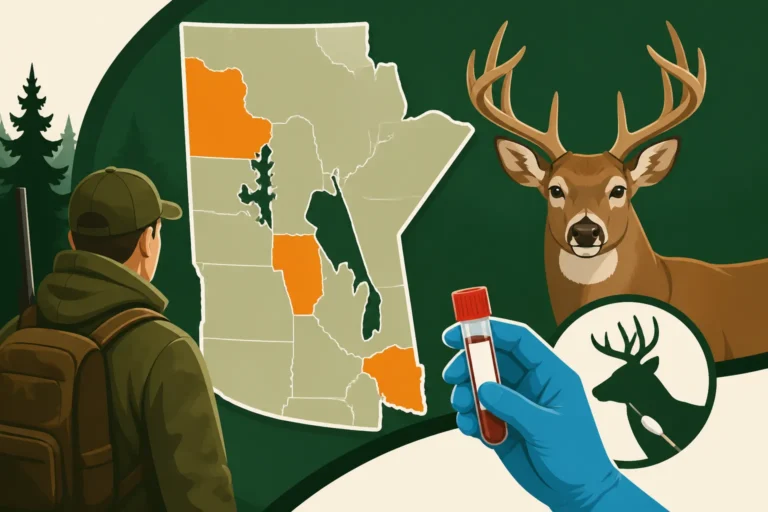
In Manitoba, CWD was first detected in 2021 in a mule deer in the southwestern part of the province. This discovery immediately triggered heightened surveillance efforts, leading to the establishment of CWD-designated surveillance zones, primarily concentrated in the southwest near the Saskatchewan border. These zones, which include Game Hunting Areas (GHAs) like 29, 29A, 30, 31, 31A, 32, 33, and 34, are where the province focuses its mandatory sampling efforts. The goal is to detect the disease early, understand its spread, and implement management strategies to mitigate its impact. For a deeper dive into the disease's history here, you might be interested in reading about When Manitoba Found Its First CWD Case. Every sample submitted by a hunter is a piece of the puzzle, helping wildlife biologists track the disease and protect our invaluable deer herds.
Who Needs to Submit a Sample and When
This is the big question, and it's where many hunters get understandably confused. Let's break it down clearly. If you harvest a white-tailed deer, mule deer, or elk within one of Manitoba's designated CWD surveillance zones (GHAs 29, 29A, 30, 31, 31A, 32, 33, 34, and any other GHAs that may be added in the future), you are mandated by law to submit the head for CWD testing. This isn't optional; it's a critical part of the provincial management strategy.
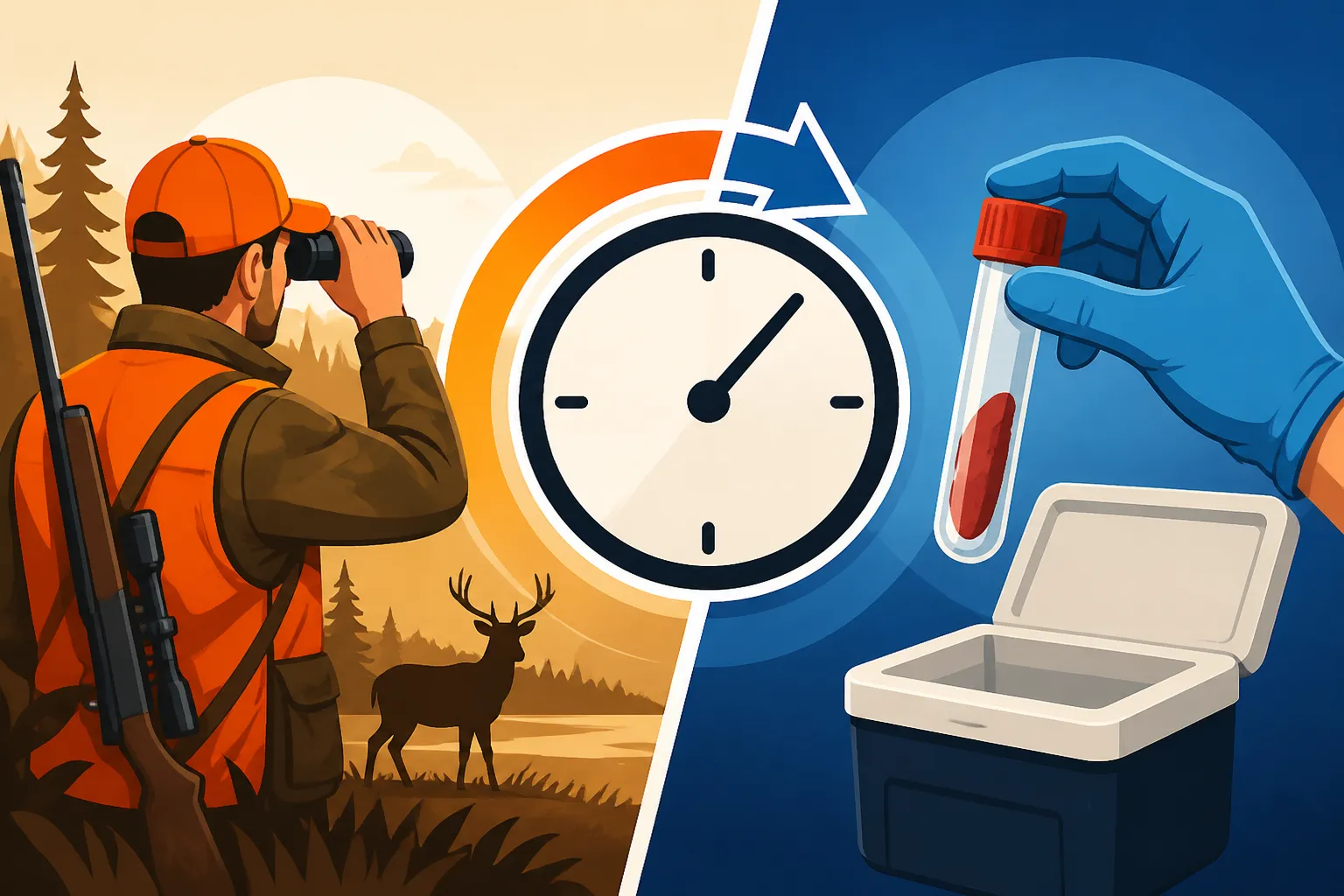
So, how long do you actually have? Manitoba regulations stipulate that the head of a harvested cervid from a CWD-designated surveillance zone must be submitted within 72 hours of harvest. That's three days from the moment you tag your animal. This timeframe is essential because it allows for proper sample collection before significant decomposition occurs, which can compromise test results. While 72 hours might seem like a tight window, especially if you're deep in the bush, it's a necessary measure. Plan your hunt with this deadline in mind, especially if you're targeting areas within these specific GHAs. Even if you're hunting in other areas where sampling isn't mandatory, voluntary submissions are highly encouraged and typically follow the same 72-hour guideline. Keep a close eye on the official Manitoba hunting guide each year, as the specific Which Manitoba GHAs Require CWD Sampling can change based on surveillance findings.
The Logistics of Submitting Your CWD Sample
Once you've made a successful harvest in a mandatory CWD zone, the clock starts ticking. It's not just about dropping off any old head; there are specific steps to ensure your sample is viable and your data is accurately recorded. Getting these logistics right makes the whole process smoother for both you and the wildlife management teams.
Finding Designated Drop-Off Locations
Knowing where to take your sample is just as important as knowing when. Manitoba has established a network of designated CWD drop-off locations across the province, with a particular focus on areas near the mandatory sampling zones. These locations often include provincial park offices, conservation offices, and sometimes even local businesses or designated freezer locations that partner with the province.
For hunters operating in the southwestern CWD surveillance zones (GHAs 29, 29A, 30, 31, 31A, 32, 33, 34), you'll typically find drop-off points in communities like Souris, Virden, Brandon, Melita, Morden, and Winkler. It's always best to check the most current list of locations on the Manitoba government's official hunting website before you head out, as these can be updated annually. Many hunters also find that digital tools and apps, such as GoHunt, can be incredibly helpful for pinpointing these locations, especially if you're not intimately familiar with the region. These platforms can often provide maps and updated information right in the field. To get specific details, be sure to check the province's guidance on Where to Drop a CWD Sample in Manitoba.
Preparing Your Sample for Submission
Proper preparation of your sample is critical for accurate testing. Don't just show up with a bloody head in a garbage bag! Here's a step-by-step guide to ensure your submission is correct:
- Remove the Head: You need to submit the entire head, including at least four inches of neck attached. This ensures that critical lymph nodes and brainstem tissue, where CWD prions accumulate, are present for testing.
- Keep it Cool: The most important step for preserving the sample is keeping it cool. Ideally, the head should be refrigerated or kept on ice if you're submitting within a day or two. If you anticipate a longer delay within that 72-hour window, freezing the head is acceptable. Just make sure it's not thawing and refreezing repeatedly.
- Complete the Information Tag: At the drop-off location, or sometimes available online, you'll find a CWD submission tag. This tag is vital. You'll need to accurately record your name, contact information, hunting licence number, the date of harvest, the species harvested, and the exact GHA and approximate location (e.g., nearest road intersection or quarter section) where the animal was taken. The accuracy of this information directly impacts surveillance efforts.
- Tag Your Sample: Securely attach the completed information tag to the deer head. Use a sturdy zip tie or strong string to ensure it won't fall off during transport.
- Bag It (Optional but Recommended): While not always strictly required, placing the head in a heavy-duty plastic bag helps contain any blood or fluids, keeping the drop-off freezer or conservation office cleaner.
Remember, the goal is a clean, identifiable sample with accurate data. If you're unsure about any aspect of preparation, it's always best to contact a local conservation officer for clarification before you submit. While typically the full head is required for mandatory submissions, for voluntary sampling, some jurisdictions might have protocols for Extracting Your Own CWD Sample, though this is less common for mandatory zones where professional assessment of the required tissues is prioritized.
What Happens After Submission and Why It Matters
You’ve done your part, meticulously followed the rules, and dropped off your sample. Now what? The waiting game begins, and it’s natural to wonder about the results and the broader impact of your contribution. Rest assured, your effort is an integral part of a much larger conservation initiative.
The Testing Process and Results
Once your deer head is dropped off, it embarks on a journey to a specialized veterinary diagnostic laboratory. Here, trained technicians carefully extract specific tissues – typically portions of the brainstem and retropharyngeal lymph nodes – which are then examined for the presence of CWD prions. This isn't a quick process. The lab analysis itself involves intricate staining and microscopic examination.
Because of the volume of samples submitted during hunting season, getting results back can take several weeks, sometimes even a few months. It requires patience, but it’s a thorough and necessary scientific process. If your sample tests positive for CWD, Manitoba Sustainable Development will contact you directly, usually by phone and/or certified letter, to inform you of the result and provide further instructions. If your sample tests negative, you typically won't receive direct notification unless you've specifically opted in for a notification system or checked an online portal. Many jurisdictions offer an online portal where hunters can check the status and results of their samples by entering their submission ID. For detailed instructions on how to access your results, look for information on Getting Your Manitoba CWD Result through official government channels. Knowing these results is crucial for hunters, especially those who plan to consume the meat, as health advisories recommend against consuming CWD-positive animals.
The Bigger Picture: Protecting Manitoba's Deer Herds
Your participation in CWD sampling extends far beyond just checking a box on your hunting list. It's a fundamental pillar of Manitoba's CWD management strategy. Every sample provides valuable data points that help wildlife biologists:
- Map the Disease: By knowing precisely where positive cases are found, biologists can map the disease's prevalence and spread, identifying hot spots and areas of concern.
- Inform Management Decisions: This data directly influences future hunting regulations, potential GHA boundary changes, and specific management interventions. It shapes the Manitoba's CWD Sampling Requirements year after year.
- Protect Future Generations: CWD is a long-term threat. By monitoring its presence and spread, we can work towards strategies that protect the health and sustainability of our white-tailed deer, moose, and elk populations for years to come. Hunter cooperation is the single most important factor in the success of these surveillance efforts. Without it, the disease could spread undetected, potentially causing significant declines in animal numbers, much like when What CWD Has Done to Manitoba Deer in other jurisdictions where it went unchecked. It's an investment in the future of our hunting heritage, helping to understand Why Manitoba Deer Numbers Swing and what factors contribute to their health.
This collective effort from hunters like you is a testament to our shared commitment to conservation. It demonstrates that we're not just taking from the land, but actively contributing to its health and the well-being of its wild inhabitants.
Avoiding Pitfalls and Ensuring Compliance
Let's be honest, hunting regulations can be complicated, and CWD sampling adds another layer. But with a little preparation and attention to detail, you can easily avoid common mistakes and ensure you're fully compliant, safeguarding both your hunting privileges and the health of Manitoba’s wildlife.
Common Mistakes to Sidestep
Even the most seasoned hunters can sometimes trip up on the details. When it comes to CWD sampling, a few common errors can lead to non-compliance or a rejected sample:
- Missing the Deadline: The 72-hour window can sneak up on you, especially if you harvest an animal on a Friday and realize all local offices are closed for the weekend. Plan ahead! Know your drop-off options and their hours before you hunt in a mandatory zone. Remember, a frozen head is better than a missed deadline or a spoiled sample.
- Incorrect GHA Identification: Accidentally submitting a head from a non-mandatory GHA as if it were from a mandatory one, or vice-versa, can confuse data. Ensure you accurately know the boundaries of the CWD surveillance zones. Online mapping tools or apps like GoHunt can be invaluable for verifying your exact location in relation to GHA lines and CWD zones. Double-checking your location on a platform like this before you even pull the trigger can save a lot of headaches later. If you need a refresher on geographical boundaries, check out Reading a Manitoba GHA Map Before You Go.
- Incomplete or Illegible Information Tag: A sample is almost useless without accurate accompanying data. Make sure all fields on the submission tag are filled out completely and clearly. Smudged ink or missing contact information means the province can't follow up with you, especially if there's a positive result.
- Improper Head Preparation: Submitting just a skull cap, or a head without enough neck tissue, can result in the sample being rejected because the necessary diagnostic tissues are absent. Always ensure you have at least four inches of neck attached to the head.
- Ignoring Carcass Disposal Rules: Beyond the head submission, there are also rules about Moving a Carcass Out of a Sampling Area if you harvest within a CWD zone. These rules are in place to prevent the environmental spread of prions, so make sure you understand those too.
By being mindful of these common missteps, you can ensure your CWD sample submission is accurate, timely, and contributes positively to Manitoba's surveillance efforts.
Resources for Hunters
The good news is that you don't have to navigate CWD sampling blind. The province provides numerous resources to help hunters understand and comply with the regulations.
- Official Manitoba Hunting Guide: This is your bible for all regulations. Each year, the guide is updated with the latest CWD rules, designated zones, and submission requirements. Always review the most current version before your hunt.
- Manitoba Sustainable Development Website: The provincial government's wildlife and fisheries branch website is a treasure trove of information. You'll find detailed maps of CWD zones, lists of drop-off locations, FAQs, and updates on CWD findings.
- Conservation Officers: Don't hesitate to reach out to your local conservation officer with questions. They are there to help and would much rather answer a query proactively than deal with a violation later.
- Hunting Apps and Digital Tools: As mentioned, apps like GoHunt can be powerful allies. They can help you visualize GHA boundaries, identify Crown Land, and sometimes even overlay CWD surveillance zones, making in-field decision-making much easier. While the province's official resources are paramount, these tools offer a convenient way to access and apply critical information.
- Local Hunting Organizations: Joining local hunting clubs or federations can also connect you with experienced hunters who can share practical advice and insights into navigating local regulations and submission processes.
Utilizing these resources effectively will not only ensure your compliance but also empower you to be a more informed and responsible hunter, playing a vital role in the ongoing effort to manage CWD in Manitoba.
Disclaimer
The information provided in this article is intended for general guidance and informational purposes only. While we strive to provide accurate and up-to-date information, hunting regulations, CWD surveillance zones, and submission requirements in Manitoba can change. It is the responsibility of every hunter to consult the most current official Manitoba hunting regulations guide and relevant government websites before participating in any hunting activities. Always confirm specific dates, zones, and procedures with Manitoba Sustainable Development or a local conservation officer.