When Elk Season Opens by GHA
One of the trickiest parts about planning a successful elk hunt in Manitoba isn't just finding the elk, but first figuring out when you can even be in the woods pursuing them! With season dates often varying significantly by Game Hunting Area (GHA) and even by weapon, it can feel like you need a special decoder ring just to get started. This guide is here to untangle those complexities, helping you pinpoint exactly when and where Manitoba’s exciting elk seasons kick off across the province.
The Complexities of Manitoba's Elk Season Structure
Hunting elk in Manitoba isn't a one-size-fits-all scenario. Unlike some other species, elk seasons are highly localized, reflecting the specific herd management strategies in place for different regions. This means that an opening day in one GHA might be weeks or even months apart from another, making careful pre-hunt research absolutely essential.
Why GHA Boundaries Matter for Elk Hunters
Manitoba is carved up into numerous Game Hunting Areas, or GHAs, and understanding these boundaries is your first step to a successful elk hunt. These GHAs aren't just arbitrary lines on a map; they represent distinct management units where wildlife populations, habitat, and human activity are all taken into consideration when setting regulations. For elk, these boundaries are particularly critical because elk herds don't exist uniformly across the province. Instead, they're concentrated in specific areas like the Duck Mountain, Riding Mountain fringe, and pockets of the Interlake and Parkland regions.
Each GHA has its own unique set of rules regarding season dates, bag limits, and often, specific requirements like draw-only tags. This system allows Manitoba Wildlife to tailor management to the local conditions, protecting vulnerable populations while offering hunting opportunities where herds are robust. For instance, a GHA bordering a national park might have very different rules than one primarily comprised of Crown land further north. As a hunter, it means you can't assume what applies in one area will apply in another, even if they're geographically close. It really pushes you to dig into the details for your chosen hunting grounds, and that research starts long before you ever set foot out the door.
Understanding Different Hunt Methods and Their Impact
Another layer of complexity comes from the different hunting methods permitted: archery, rifle, and muzzleloader. Each of these methods often has its own distinct season within the same GHA. For example, the archery season for elk almost always opens earlier than the general rifle season. This staggered approach serves a couple of purposes: it spreads out hunting pressure, and it offers diverse experiences for hunters preferring different disciplines.
Archery season, typically opening in late August or early September, often coincides with the pre-rut or early rut period for elk. This can be a fantastic time to hunt, as bulls are starting to get vocal, and the cooler mornings make for exciting stalking opportunities. However, the dense foliage of early fall can make spotting difficult, requiring a different approach than a late-season rifle hunt. Then comes the muzzleloader season, often nestled between archery and rifle, offering another specialized window. Finally, the general rifle season usually opens later, when the leaves have fallen, visibility is higher, and the weather is typically much colder. Each of these seasons demands different strategies, gear, and mental preparation. It's not just about picking your weapon; it's about understanding how that choice dictates your entire hunting calendar and approach.
Draw Versus General Tags and Their Effect on Access
Manitoba employs a system of both general tags and draw-only tags for elk, which significantly impacts when and where you can hunt. Many of the prime elk hunting opportunities, especially in areas with robust, mature bull populations, are allocated through a draw system. This means you apply for a specific GHA and weapon type, and if successful, you receive a tag. The draw system aims to manage pressure and ensure sustainable harvest rates for these highly sought-after animals.
If you're eyeing a specific GHA known for producing big bulls, chances are you'll need to apply for Manitoba's Elk and Moose Draws. The application process has deadlines, and results aren't always immediate, so planning well in advance is crucial. Unsuccessful applicants in the draw may then look to GHAs that offer general tags, which can often be purchased over the counter. These general tags might have later seasons, stricter antler point restrictions, or be in areas with lower elk densities. This dual system means you might find yourself hunting a draw tag in the Duck Mountain one year, and then a general tag in a different GHA the next, each with its own specific opening dates and hunting challenges. It's a system designed to give as many resident hunters as possible a chance while still protecting the resource.
A GHA-by-GHA Look at Elk Season Openers
Navigating Manitoba's elk season dates can feel like piecing together a complex puzzle, as the opening day can differ widely from one GHA to the next. What's open in September just south of Riding Mountain might not even start until November further north. It’s absolutely essential to consult the most current Manitoba Hunting Guide each year, as dates can shift due to conservation concerns, population dynamics, or even unforeseen circumstances. However, to give you a foundational understanding and help with your initial planning, let's break down some general opening patterns for key elk hunting GHAs.
It's important to remember that these dates are for resident hunters and typically pertain to bull elk, unless antlerless or either-sex draws are specifically mentioned for a GHA. Always confirm your specific tag type and the corresponding dates.
Here’s a general overview of typical opening periods for elk seasons in various Manitoba GHAs. Please note that "Archery," "Rifle," and "Muzzleloader" indicate the earliest possible opening date for that weapon type within the specified GHA, and specific bag limits or antler restrictions will also apply.
| GHA Name (Primary Elk Regions) | Typical Archery Season Open | Typical Rifle Season Open | Typical Muzzleloader Season Open | Notes on Elk Presence/Hunting |
|---|---|---|---|---|
| GHA 23A – Duck Mountain | Late August / Early Sept | Mid-November | Early November | A premier elk destination, often draw-only for bulls. Hunting Elk in the Duck Mountain Country is a popular endeavor. |
| GHA 23 – Duck Mountain | Late August / Early Sept | Mid-November | Early November | Similar to 23A, part of the larger Duck Mountain complex. |
| GHA 23B – Duck Mountain | Late August / Early Sept | Mid-November | Early November | Also part of the Duck Mountain, specific draw variations. |
| GHA 22 – Porcupine Forest | Late August / Early Sept | Mid-November | Early November | Good elk numbers, often draw-only. |
| GHA 22A – Porcupine Forest | Late August / Early Sept | Mid-November | Early November | Part of the Porcupine Hills, regulated by draw. |
| GHA 21 – Riding Mountain Fringe | Late August / Early Sept | Early November | Late October | Significant elk activity spillover from Riding Mountain National Park. |
| GHA 21A – Riding Mountain Fringe | Late August / Early Sept | Early November | Late October | Similar to 21, these fringe areas offer unique challenges. |
| GHA 21B – Riding Mountain Fringe | Late August / Early Sept | Early November | Late October | Managed closely due to proximity to the park. |
| GHA 21C – Riding Mountain Fringe | Late August / Early Sept | Early November | Late October | Excellent hunting potential for those who draw tags. |
| GHA 21D – Riding Mountain Fringe | Late August / Early Sept | Early November | Late October | Another key area for elk exiting the park. |
| GHA 18 – Interlake Region | Late August / Early Sept | Mid-November | Early November | Pockets of elk, often general season for cow/calf or restricted bull. |
| GHA 18A – Interlake Region | Late August / Early Sept | Mid-November | Early November | Specific management for localized herds. |
| GHA 18B – Interlake Region | Late August / Early Sept | Mid-November | Early November | Lower density but opportunities exist. |
This table provides a general guide; always consult the official Manitoba Hunting Guide for the most up-to-date and specific regulations for each hunting season.
As you can see, the late August to early September window is consistently when archery seasons kick off in most elk-rich GHAs like those surrounding the Duck Mountain and Riding Mountain National Park. This is a magical time to be in the woods, with bugling bulls echoing through the crisp morning air. Rifle seasons, on the other hand, typically begin much later, often in early to mid-November, coinciding with the cooler weather and decreasing cover, which can be advantageous for glassing.
For example, if you're targeting the Duck Mountain region, which is renowned for its trophy potential, you'll find that the Manitoba Big Game Season Dates are tightly managed. Archery season in GHAs like 23A usually opens in the last week of August, while rifle season won't typically open until the second week of November. This significant gap allows for different hunting experiences and helps manage harvest pressure. Similarly, the GHAs bordering Riding Mountain National Park (like GHA 21, 21A, 21B, 21C, 21D) follow a similar pattern, with early archery opportunities leading into later rifle seasons. These fringe areas often see elk moving in and out of the park boundaries, offering dynamic hunting. For those interested in Hunting Elk on Manitoba Grain Land, these fringe GHAs, where agricultural fields meet forest, are often key.
Always, always double-check the latest regulations. Government websites are updated annually, and a quick check can save you a lot of heartache.
Key Considerations Beyond Opening Day
Knowing when the season opens is a huge first step, but it's just one piece of the puzzle. A truly successful elk hunt in Manitoba requires thinking beyond that initial date and considering the broader context of your chosen GHA and the conditions you'll face.
The Importance of Scouting and Access Planning
Even with a confirmed opening date and a coveted elk tag in hand, your hunt will falter without thorough scouting and a solid access plan. Elk, especially the mature bulls, are masters of evasion, and they don't just hang out by the side of the road waiting for opening day. You need to know where they're likely to be in your GHA, how they're using the terrain, and most importantly, how you're going to get to them.
This is where understanding the lay of the land becomes paramount. Are you hunting predominantly Crown land, or will you need to secure private land permission? If it's Crown land, what's the access like? Are there old logging roads, ATV trails, or will it be a deep bush walk? Reading a Manitoba GHA Map Before You Go is absolutely non-negotiable. Look for natural funnels, water sources, bedding areas, and feeding zones. Satellite imagery can reveal hidden clearings or dense timber pockets that might hold elk.
This is also where modern hunting apps and platforms can become your best friend. Tools like GoHunt's mapping features can be a game-changer for identifying public land boundaries, potential access points, and even historical satellite imagery that might show habitat changes over time. You can mark potential stand locations, escape routes, and terrain features from the comfort of your home, saving you countless hours of driving around aimlessly during precious hunting time. Knowing where a creek meanders or where a thick spruce stand offers bedding cover can dictate your approach on opening morning, long before you hear the first bugle.
Understanding Elk Behavior During Early Season
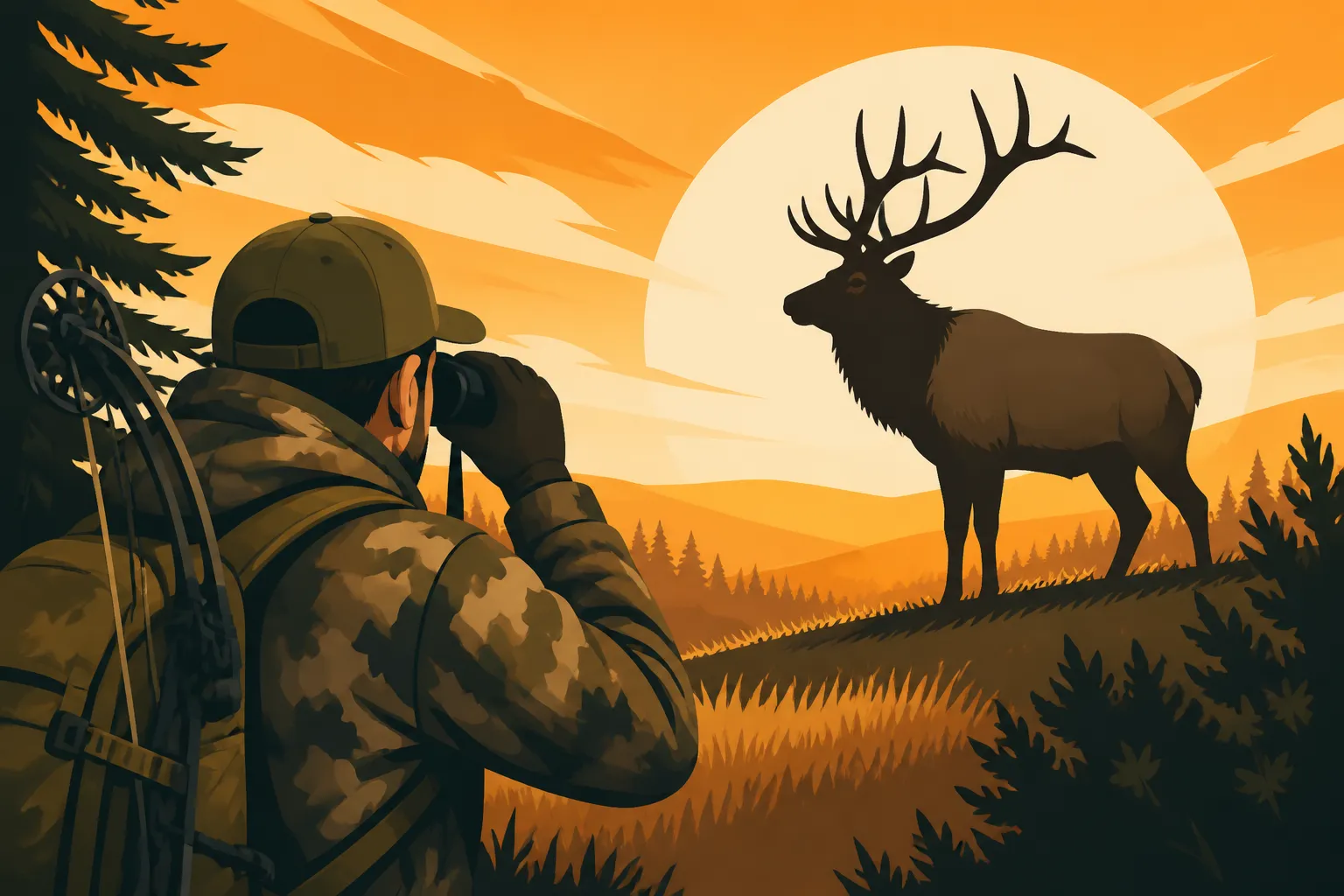
Elk behavior changes throughout the season, and understanding these shifts is critical for success. The early archery season, typically late August and early September, often catches elk in a transition period. Bulls are usually starting to separate from their bachelor groups, rubbing velvet, and beginning to test their vocal cords. The rut is just around the corner, or in its very early stages, meaning bugling can be a real asset for locating animals. However, this early period still features dense foliage, making visual identification tough. Bulls might be very responsive to calls, but also incredibly wary.
As the season progresses into late September and October (when some muzzleloader or late archery seasons might still be open), the rut typically peaks. When the Elk Rut Peaks is a dynamic time, where bulls are more focused on cows and defending their harems, making them potentially more vulnerable to calling strategies. However, hunting pressure can also increase, pushing elk into thicker cover or more remote areas.
By the time rifle season opens in November, the rut is usually over. Elk have dispersed from their breeding groups and are now focused on foraging to build up fat reserves for winter. Their behavior becomes more predictable around food sources and bedding cover. The colder weather and often snow on the ground can make tracking easier, but also means elk might be less active during daylight hours, preferring to bed in dense cover. Adapting your calling techniques, scouting priorities, and hunting approach to these seasonal shifts in elk behavior is key to consistently filling tags.
Staying Current with Regulations and Updates
Manitoba's hunting regulations, while generally stable, are subject to change. Population fluctuations, disease outbreaks (like CWD), habitat changes, or even new scientific data can lead to adjustments in season dates, GHA boundaries, or specific harvest rules. Imagine showing up on what you thought was opening day, only to find the season was pushed back a week, or your tag is no longer valid in a specific zone! This is a real possibility if you don't stay updated.
It's absolutely paramount to consult the official Manitoba Hunting Guide every single year before your hunt. This guide, published by the provincial government, is the definitive source for all current regulations. You can typically find it online on the Manitoba government website, or pick up a physical copy at most outdoor retailers where hunting licenses are sold. Additionally, keep an eye on news releases or advisories from Manitoba Conservation and Climate, especially if you're hunting in an area with known issues like CWD or significant environmental changes (like wildfires). These updates can often be found on the same government portal. Taking a few minutes to confirm everything ensures you're hunting legally and ethically, protecting both yourself and the resource.
Planning Your Successful Manitoba Elk Hunt
A successful elk hunt in Manitoba isn't just about showing up on opening day; it's a culmination of careful planning, preparation, and understanding the unique challenges and opportunities this province offers. From ensuring your gear is up to snuff to understanding the specific licensing requirements, every detail matters.
Gear Preparation for Early Fall Conditions
Manitoba's early fall weather, particularly during the late August and September archery seasons, can be notoriously unpredictable. You might start your day with a crisp, cool morning, perfect for walking, only for temperatures to soar by midday, making you sweat through your layers. Then, a sudden afternoon thunderstorm could roll in, drenching everything. This variability demands smart gear choices.
Layering is your absolute best friend. Start with a moisture-wicking base layer to manage sweat, add an insulating mid-layer for warmth, and top it off with a waterproof and windproof outer shell. This allows you to shed or add clothing as conditions change throughout the day. Don't forget bug protection; early fall can still see plenty of mosquitoes and ticks, especially in wooded, damp areas. A Thermacell can be a lifesaver in a ground blind or stand. Comfortable, broken-in waterproof boots are essential, as you'll likely be covering significant ground in potentially wet or uneven terrain. Consider packing a small daypack with essentials: water, snacks, a first-aid kit, a headlamp, a knife, and navigation tools. This proactive approach to gear ensures you're comfortable and prepared for whatever Manitoba's dynamic weather throws at you, allowing you to focus on the hunt.
Essential Licenses and Hunter Education
Before you even dream of an elk bugle, you need to ensure all your paperwork is in order. For Manitoba residents, this means having a valid Manitoba Hunter Education certificate, which is a foundational requirement for obtaining any hunting license. If you're new to hunting or have let your certification lapse, make sure to get this done well in advance.
Once your education is covered, you'll need to purchase a general hunting license. This provides the basic authorization to hunt game in the province. On top of that, you'll need the specific elk tag for your chosen GHA and weapon type. As we discussed earlier, this might be a general tag, or more often for elk, a successful draw tag. Make sure you understand Manitoba Resident Hunting Licence Cost and the specific costs associated with elk tags. Always carry your physical licenses and tags with you in the field, along with valid photo identification. Game Wardens frequently conduct checks, and being unprepared can lead to fines or worse. It sounds basic, but sometimes in the excitement of the upcoming season, these crucial details can be overlooked.
Leveraging Technology for Pre-Season Prep
In today's hunting world, technology isn't just a convenience; it's an indispensable tool for maximizing your chances of success, especially when preparing for an elk hunt in complex terrain. Long before you ever step foot into your chosen GHA, you can be actively scouting and planning from your home.
Start by delving deep into satellite imagery. Platforms like Google Earth or specialized hunting apps such as GoHunt provide high-resolution views of the landscape. Use them to identify potential bedding areas, often dense timber on north-facing slopes, or thick willow bottoms. Look for natural travel corridors like ridgelines, creek beds, or the edges where different habitat types meet. Pinpoint potential water sources, clearings where elk might feed, or isolated bluffs that could offer strategic vantage points. This digital reconnaissance can help you eliminate vast tracts of unproductive land and concentrate your in-field efforts on the most promising areas.
You can also use these tools to study terrain changes, identify elevation contours, and even overlay property lines to understand public and private land boundaries, which is crucial for Hunting Whitetails on Manitoba Crown Land or any species. Imagine being able to see an old logging road that isn't on traditional maps, potentially offering you a new access route into prime elk country. Furthermore, many apps allow you to mark waypoints, track your movements, and even share data with hunting partners, streamlining your collaborative efforts. While nothing replaces boots on the ground, leveraging technology allows you to approach your physical scouting with a much more informed and strategic mindset, significantly increasing your efficiency and overall preparedness for the season opener.
Disclaimer
The information provided in this article is intended for general guidance and informational purposes only. While every effort has been made to ensure accuracy, hunting regulations, season dates, and GHA specifics in Manitoba are subject to change by the provincial authorities. Hunters are solely responsible for consulting the most current official Manitoba Hunting Guide and other relevant government publications before planning or engaging in any hunting activities. Neither the author nor the publisher assumes any liability for any decisions made based on this information.